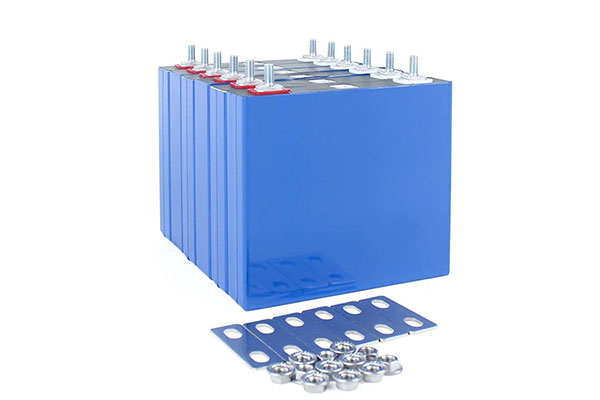
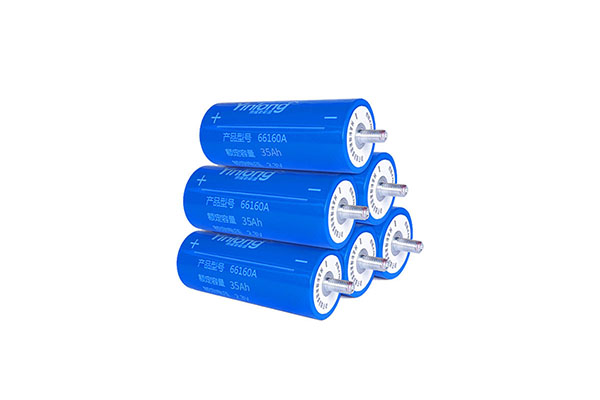
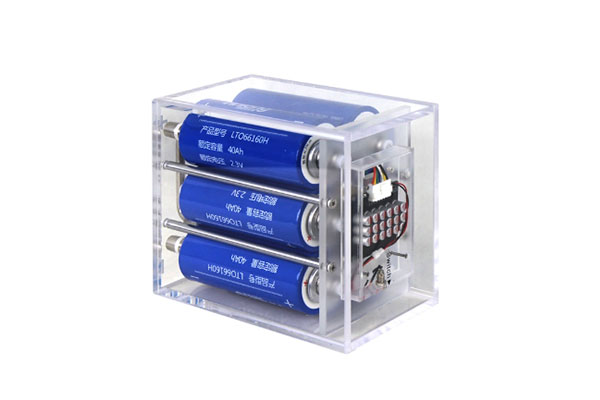
Schools are public facilities with high occupancy, and teaching buildings, laboratories, libraries, dormitories, cafeterias, computer rooms, and campus security systems all depend on stable electricity. Unexpected power outages can interrupt normal teaching activities and may also cause network equipment, surveillance systems, access control systems, servers, and laboratory equipment to shut down. A LiFePO4 battery backup system can provide continuous power to critical school loads when grid power is interrupted. Compared with traditional lead-acid batteries, LiFePO4 batteries offer long cycle life, good energy density, low maintenance requirements, and stable safety performance. They can be integrated with UPS systems, inverters, energy management systems, and photovoltaic equipment. By selecting battery capacity according to the campus size, critical load power, required backup duration, and installation conditions, schools can establish a flexible and reliable backup power system.
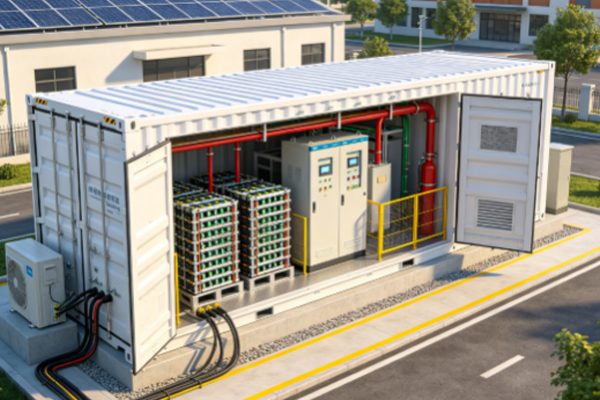
Advantages and Usage Methods of LiFePO4 Backup Batteries for Schools
A school backup power system needs to provide more than temporary electricity during an outage. It also needs reliable operation, convenient monitoring, and simple maintenance. LiFePO4 batteries can be designed according to actual campus electricity requirements and integrated with UPS systems or energy storage inverters. The battery management system monitors battery status, while the UPS or inverter manages the transition between grid power and stored energy. For schools that need backup power frequently or for extended periods, modular capacity expansion and multiple charging sources can further improve system flexibility.
Main Advantages of LiFePO4 Backup Batteries for Schools
Schools have high requirements for battery stability, safety protection, and maintenance convenience. LiFePO4 batteries can meet these requirements through appropriate capacity and system configuration. Key advantages include:
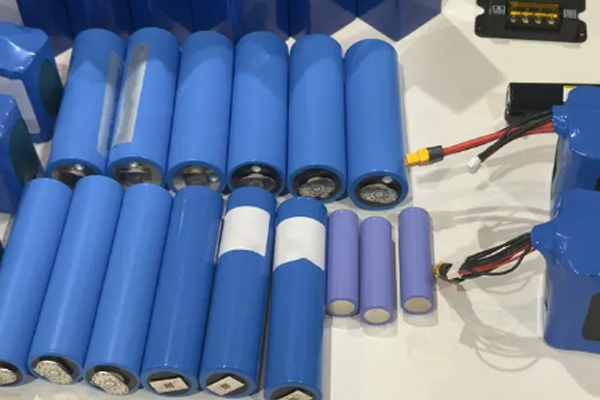
- Long cycle life: LiFePO4 batteries are suitable for repeated charging and discharging, allowing them to support both daily energy storage and emergency backup power while reducing replacement frequency.
- Stable safety performance: LiFePO4 cells have good thermal stability. When combined with a BMS, the system can monitor and protect against overcharging, over-discharging, overcurrent, and abnormal temperature conditions.
- Flexible backup duration: Schools can select different battery capacities according to the power requirements and expected outage duration of critical equipment. Computer rooms and monitoring centers may require larger capacities, while standard lighting areas can use smaller configurations.
- Low maintenance requirements: Compared with conventional batteries that may require regular maintenance procedures, LiFePO4 batteries are easier to manage during daily operation and are suitable for centralized maintenance by school facility teams.
- Modular expansion: If a school adds new buildings, servers, laboratory equipment, or security systems, additional battery modules can be integrated into the existing system when the architecture allows expansion.
- Efficient use of installation space: Properly designed battery cabinets, wall-mounted units, or rack-mounted systems can reduce the space required in equipment rooms and leave more room for other electrical equipment.
These characteristics allow LiFePO4 batteries to function not only as emergency backup power but also as daily energy storage equipment, improving overall system utilization and campus power reliability.
How to Use Backup Batteries for School Power Outages
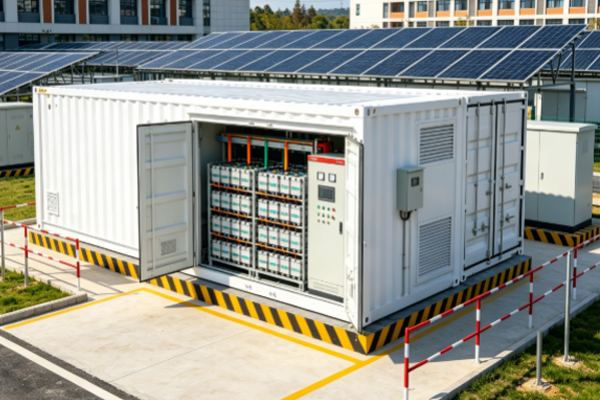
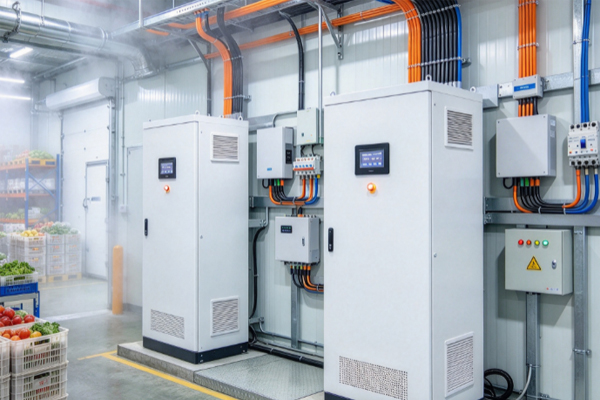
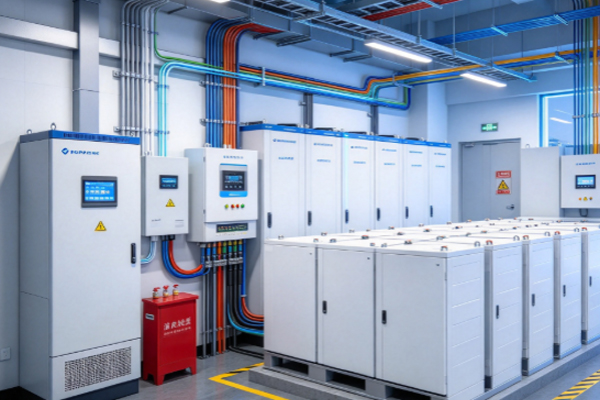
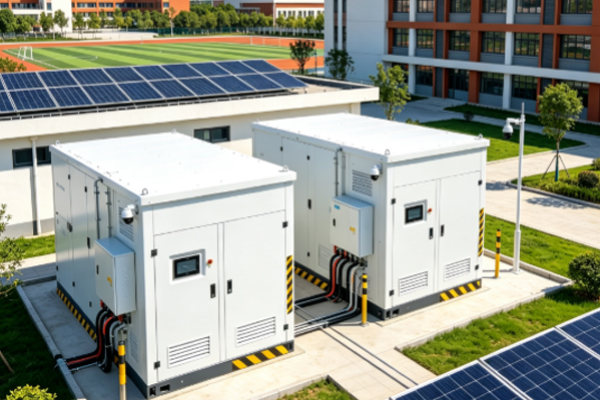
When installing a school backup battery system, battery capacity should be determined according to the power of critical loads, required backup time, and available charging sources. During operation, the LiFePO4 battery can be connected to a UPS or energy storage inverter. The UPS manages the transition between grid electricity and battery power. Under normal grid conditions, the system charges the battery and supplies power to campus equipment. When a power outage occurs, the UPS detects the abnormal input and switches to battery power, allowing servers, network equipment, surveillance systems, emergency lighting, and other critical loads to continue operating. If photovoltaic panels are installed, solar energy generated during the day can also be used to charge the battery, reducing dependence on a single grid source. During installation, suitable cable sizes, circuit breakers, fuses, and connectors should be selected according to system requirements, while charging and discharging parameters should be configured according to the battery manufacturer’s specifications. Large-capacity systems should have a dedicated installation area with suitable conditions for battery cabinets, inverters, and distribution equipment. A centralized monitoring platform can display battery SOC, charging and discharging power, operating status, and fault information, allowing school facility managers to monitor the backup power system more efficiently.
Reference Battery Capacity Configuration for Schools
The electrical loads of different campus areas can vary considerably. Backup battery capacity should not be selected based only on building size. Load power, required backup duration, equipment starting power, and future expansion should all be considered. The following table can be used as a reference during preliminary system planning.
| Campus Area | Typical Backup Loads | Recommended Battery Capacity | Main Purpose |
| Small Offices | Computers, routers, lighting | 5–10 kWh | Short-term emergency power |
| Teaching Buildings | Emergency lighting, network equipment, public address systems | 10–30 kWh | Maintain basic teaching facilities |
| Libraries | Network equipment, access control, lighting, servers | 20–50 kWh | Support critical public equipment |
| Laboratories | Control equipment, testing instruments, ventilation systems | 30–100 kWh | Protect important laboratory loads |
| Campus Computer Rooms | Servers, switches, storage equipment | 50–200 kWh | Provide reliable backup power |
| Large Campuses | Critical loads across multiple buildings | 200 kWh and above | Centralized or distributed backup power |
Actual battery sizing should also consider inverter efficiency, depth of discharge, equipment startup power, and future expansion requirements. Detailed load measurements and operating profiles can be used for more accurate system sizing.
Application Scenarios and Core Functions of School Backup Batteries
Different campus buildings have different electrical requirements, so backup battery systems can be configured according to load priority. Lighting, network communication, access control, surveillance equipment, and servers have different levels of sensitivity to power interruptions. A properly designed system can prioritize critical equipment and then supply lower-priority loads according to the remaining battery capacity. This load management strategy helps extend the operating time of essential equipment when available stored energy is limited.
Backup Power Applications in Teaching Buildings, Laboratories, and Libraries
Teaching buildings can use LiFePO4 backup batteries to maintain emergency lighting, campus broadcasting, network equipment, access control systems, and selected teaching terminals during unexpected outages. Laboratories often have higher requirements for stable electricity because certain testing instruments, control devices, and experimental data systems may be affected by sudden power interruptions. These critical loads can be connected to dedicated backup circuits so that important equipment can continue operating when grid power is unavailable. Libraries can use energy storage systems for servers, network switches, access control systems, supporting fire-safety equipment, and essential lighting. For schools using digital teaching platforms, backup batteries can also protect core network nodes and data equipment through UPS integration, helping online courses, campus management platforms, and digital resource access remain available during short-term power interruptions.
Energy Storage Applications for Dormitories, Cafeterias, and Campus Public Facilities
Student dormitories, cafeterias, and public facilities contain many different types of electrical loads. Backup battery systems should be configured according to safety requirements and equipment priority. A zoned power supply design can be used to connect critical loads to dedicated backup circuits:
- Student dormitories: Backup power can prioritize emergency lighting, evacuation indicators, communication equipment, access control systems, and essential lighting in common areas.
- Campus cafeterias: Backup batteries can support payment terminals, network equipment, refrigeration monitoring systems, and necessary emergency lighting to reduce operational disruption during power outages.
- Security and access control systems: Surveillance cameras, access control devices, alarm systems, and communication terminals can be connected to independent backup circuits to maintain campus security management functions.
- Emergency and fire-related equipment: According to the campus electrical design, dedicated backup power can be provided for auxiliary equipment that requires continuous electricity.
- Campus network infrastructure: Core switches, wireless network controllers, and communication nodes can receive continuous backup power, reducing communication interruptions during grid failures.
Through prioritized load management, the energy storage system can give critical equipment priority and extend the operating time of essential campus systems when battery capacity is limited.
Functions, Performance, and Maintenance Design of LiFePO4 Backup Batteries for Schools
A school backup battery system needs to remain ready for use over an extended period. Battery capacity alone is not enough when designing the system. Continuous discharge capability, peak output power, temperature adaptability, protection mechanisms, equipment compatibility, installation conditions, and maintenance requirements should also be considered. Proper system design allows the energy storage equipment to operate reliably during standby periods, scheduled testing, and unexpected power outages while leaving room for future changes in campus electricity demand.
Core Functions, Performance, and Safety Design of School LiFePO4 Backup Batteries
To meet campus continuous power requirements, LiFePO4 battery systems should include comprehensive monitoring, protection, and energy management functions. Performance requirements should also be matched to the installation environment and actual load characteristics:
- Smart BMS management: The battery management system monitors cell voltage, battery temperature, SOC, and charging and discharging status while providing protection against abnormal operating conditions.
- Fast backup power switching: When integrated with a UPS or energy storage inverter, the system can quickly enter backup mode when grid power fails, reducing the impact of interruptions on critical equipment.
- Overcharge and over-discharge protection: The BMS controls the charging and discharging limits to reduce the risk of prolonged operation under abnormal conditions.
- Continuous discharge capability: Battery specifications should be selected according to the actual power requirements of servers, laboratory equipment, network devices, and other loads to prevent insufficient output capacity.
- Peak power capability: Some equipment may require higher power during startup, so the system should consider startup current and short-term peak output requirements.
- Temperature monitoring and protection: Equipment rooms, underground computer rooms, and outdoor installations may have different environmental conditions. Temperature monitoring and suitable thermal management should be selected according to the installation location.
- Modular capacity expansion: When schools add buildings, equipment, or servers, additional battery modules can be integrated into the existing system if the system architecture supports expansion.
- Remote operation monitoring: A monitoring platform can display battery SOC, charging and discharging power, alarm records, and operating status, making daily management easier for facility personnel.
- Regular maintenance and testing: Capacity checks, connection inspections, BMS status checks, and backup switching tests should be performed according to the manufacturer’s maintenance requirements to ensure that the system is ready when an actual power outage occurs.
With suitable performance configuration, a school LiFePO4 backup battery system can support both emergency power supply and long-term energy storage. Combined with BMS protection, UPS equipment, electrical protection, and centralized monitoring, the system can provide stable and continuous power support for critical campus equipment.