LiFePO4 Cells • Battery Packs • DIY Kits • Energy Storage Systems
info@deligreen.net WhatsApp: +86 15074995718

LiFePO4 Cells • Battery Packs • DIY Kits • Energy Storage Systems
info@deligreen.net WhatsApp: +86 15074995718
Practical guides, technical insights and application knowledge to help you choose the right LiFePO4 battery and energy storage solution.
LATEST KNOWLEDGE & INSIGHTS
Explore practical guides, technical insights and application knowledge to help you choose the right batteries, components and energy storage solutions.
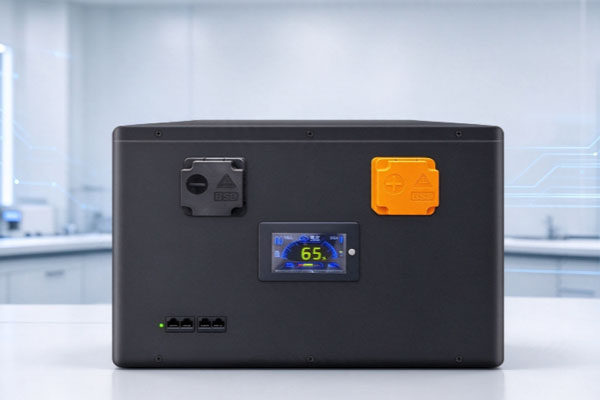
A DIY battery box does more than house battery cells and electrical connections. It must also withstand impacts, vibration, dust, moisture, and temperature fluctuations. For users assembling their own battery packs, a damaged enclosure, inadequate internal
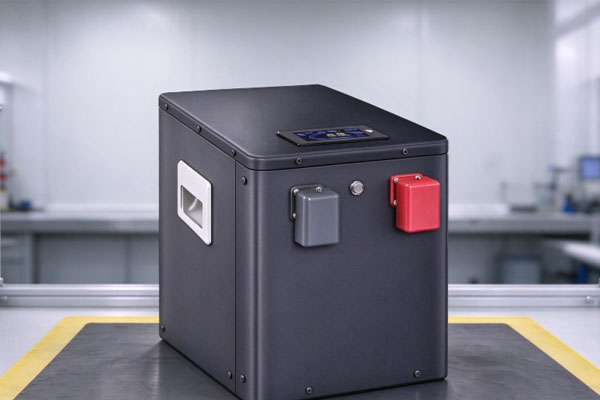
DIY battery boxes are widely used in custom power supplies, power tools, models, and small energy storage projects. Battery packs generate heat during charging and discharging. If the internal space is limited, airflow is restricted, or
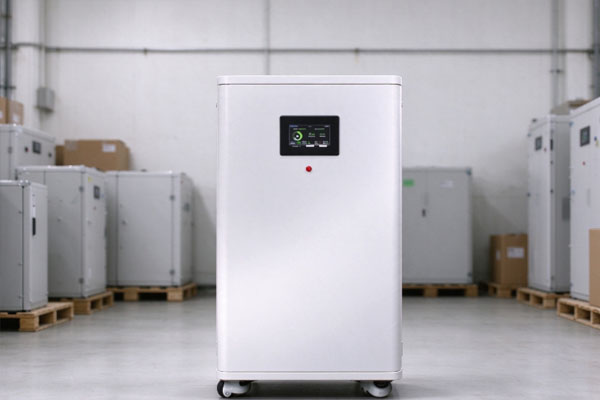
The wiring of a DIY battery box affects power delivery, operating stability, and safety. Before assembly, confirm the battery specifications, device power requirements, and current-carrying capacity of the connecting components to prevent overheating, short circuits, and
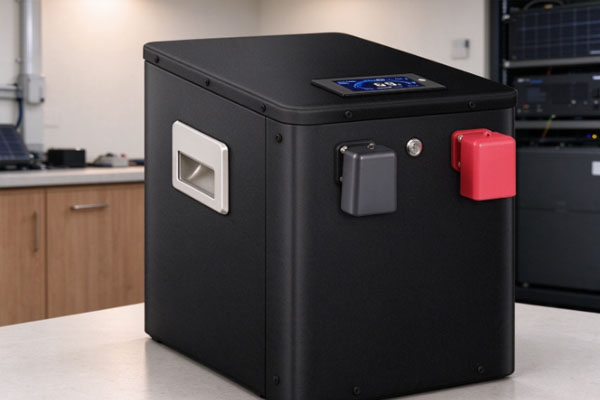
DIY battery boxes and metal battery boxes differ significantly in structural design, manufacturing methods, heat dissipation, and environmental protection. For users who need customized battery packs, the enclosure affects not only cell installation and maintenance but
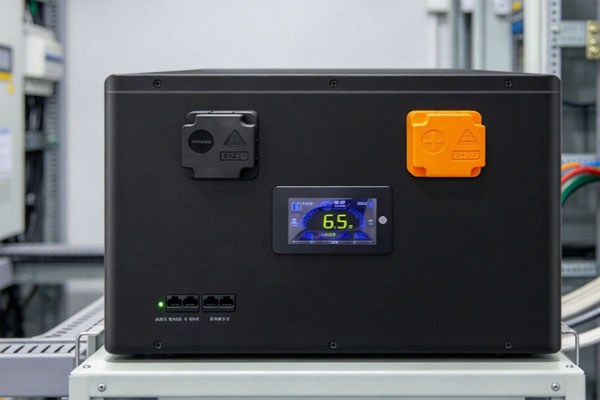
The waterproof performance of a DIY battery box depends on its enclosure structure, interface sealing, and long-term stability. Outdoor rain, humidity, and day-to-night temperature changes can increase the risk of water ingress and internal condensation. During

The tools required for assembling a DIY battery box depend on the enclosure structure, mounting method, and electrical connection requirements. Simple projects generally need measuring and fastening tools, while tasks involving drilling, terminal crimping, or insulation

The way batteries are secured inside a DIY battery box affects internal layout, operating stability, and future maintenance. If a battery moves around inside the enclosure, it may pull on connecting wires, cause poor terminal contact,
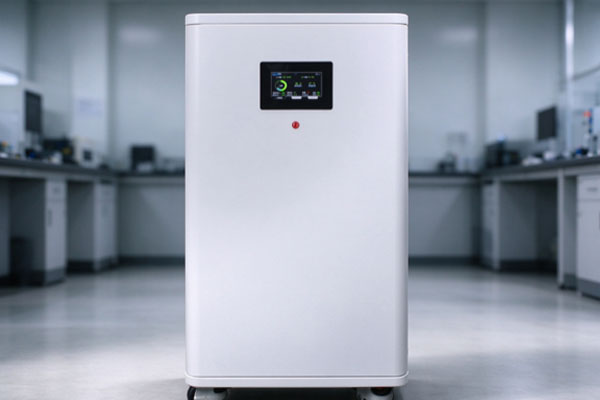
Both DIY battery holders and finished battery packs can supply power to electronic devices, but they differ in cell installation, protection circuits, assembly requirements, and maintenance methods. When selecting a solution, buyers should consider not only
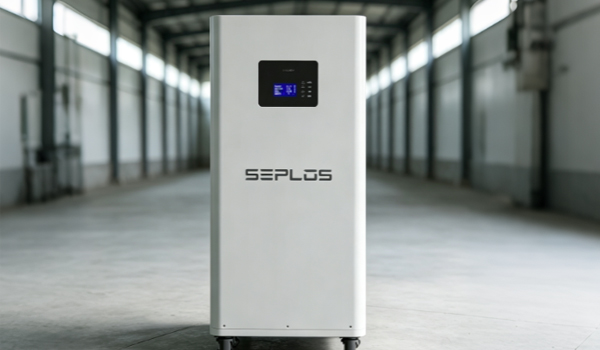
The design of a DIY battery box involves multiple aspects, including cell installation, electrical connections, structural protection, and the operating environment. For maker projects, small electronic devices, and portable energy storage products, enclosure dimensions are only
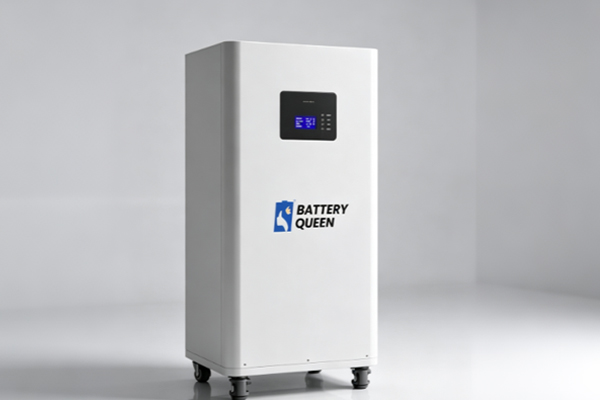
In portable energy storage systems, smart devices, electronic products, and power tools, battery boxes are often constrained by installation dimensions, making efficient use of every internal space important. Increasing the number of cells does not necessarily
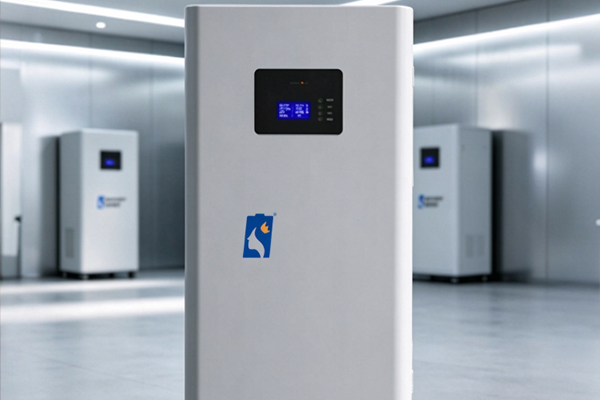
A DIY battery box may appear to be simply a housing for a battery pack, but the actual design and manufacturing process involves multiple details, including dimensional compatibility, material selection, internal layout, and operating environment. A
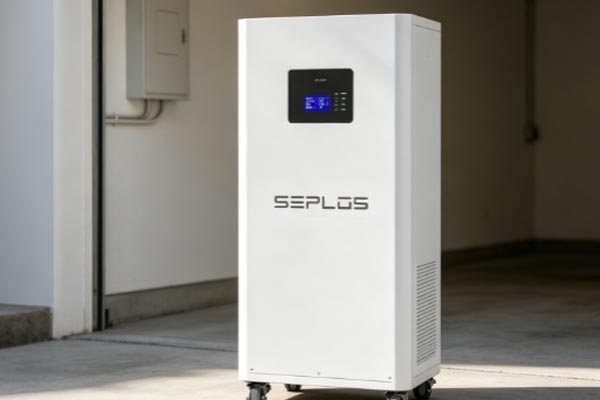
During the assembly of a DIY battery holder, soldering quality directly affects connection stability, electrical conductivity, and operational safety. Poor solder joints, excessive temperature, incorrect wiring, or inadequate insulation may cause the battery holder to overheat,
Use this lightweight CTA to move readers from self-learning to product or project consultation.
QUICK LEARNING TOOLS
Use our practical battery tools and guides to compare options, understand key terms and make more confident purchasing decisions.
A downloadable or article-led checklist for voltage, capacity, load and quantity.
Compare LiFePO4, lead-acid, sodium-ion and LTO at a high level.
Direct readers to understandable definitions of common battery terms.
Link to safe handling, document and packing information.
Start with voltage, capacity, energy, battery type and the intended application. Then move to BMS and charging topics.
No. Educational content supports research; product manuals, datasheets and approved instructions remain the source for model-specific details.
Keep each article educational, then use a relevant product link or a single “Ask a Battery Expert” CTA at the end.
Knowledge explains concepts and buyer questions; Solutions shows application use cases; NEWS shares product, company and industry updates.
Explore our battery products, application-based solutions or custom options to find the right fit for your project.
Cells, battery packs, DIY boxes and energy storage systems.
Find application-based storage guidance.
Get OEM/ODM support for capacity, voltage, BMS and packaging.
NEED A PRODUCT RECOMMENDATION?
Tell us your application, voltage, capacity, quantity and delivery country. We will help direct you to the relevant product or solution path.
Replace the placeholder sales email before publishing.




