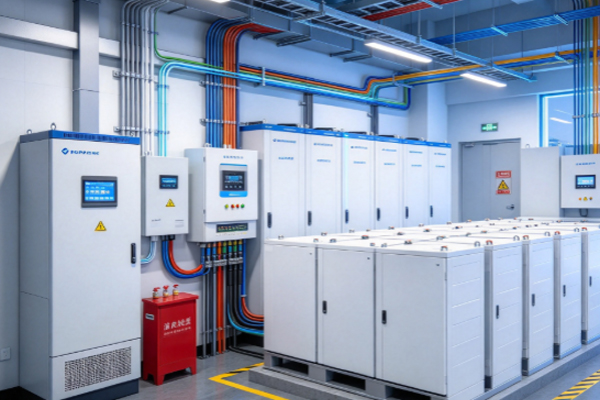
Hotels need to continuously operate guest-room lighting, air conditioning, elevators, kitchen equipment, laundry systems, hot water systems, network facilities, and public-area equipment. Their electricity demand typically changes throughout the day, with noticeable peak periods and a wide range of electrical loads. LiFePO4 batteries offer long cycle life, stable charging and discharging performance, high safety, and mature battery management capabilities, making them suitable for complete hotel energy storage systems. By integrating LiFePO4 batteries with power conversion systems (PCS), battery management systems (BMS), energy management systems (EMS), and photovoltaic equipment, hotels can build a flexible energy storage solution. Proper battery capacity, charging and discharging power, and load management strategies allow the system to match daily electricity demand while leaving room for future capacity expansion and equipment upgrades.
Advantages and Operating Methods of LiFePO4 Batteries for Hotels
A hotel energy storage system is more than simply installing a group of batteries. Battery capacity, PCS power, and operating strategies should be selected according to the hotel’s building size, number of guest rooms, electrical equipment, daily load profile, and local electricity pricing structure. LiFePO4 batteries can serve as the core energy storage unit and work together with PCS, BMS, and EMS equipment. The system can store electricity during periods of lower demand and release energy when hotel electricity consumption increases. This operating method can improve battery utilization while allowing the hotel to adjust its energy storage strategy according to actual operating conditions.
Advantages of LiFePO4 Batteries for Hotel Energy Storage
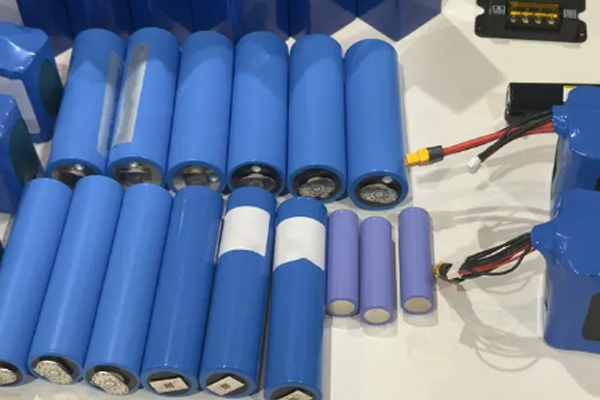
Hotel energy storage systems may experience frequent charging and discharging, continuous operation, and seasonal load changes. LiFePO4 batteries provide stable cycling performance and can be combined with BMS technology to monitor battery conditions, providing a reliable energy storage foundation for hotel applications.
- Strong cycling capability: LiFePO4 batteries are suitable for regular charge and discharge operations. The hotel can establish operating cycles according to changes in electricity demand.
- Stable safety performance: LiFePO4 chemistry offers good thermal stability. Combined with BMS protection, electrical protection, and temperature monitoring, the system can reduce risks caused by abnormal operating conditions.
- High charging and discharging efficiency: When PCS power is properly matched with battery capacity, energy losses during storage can be reduced and more stored electricity can be effectively utilized.
- Flexible capacity configuration: Hotels can select different battery cabinet or battery-cluster capacities according to actual electricity demand and expand the system as operating requirements grow.
- Convenient maintenance: Standardized battery modules combined with intelligent monitoring can provide information such as voltage, temperature, SOC, and operating status, making daily system management easier.
These characteristics make LiFePO4 batteries suitable for long-term hotel operations and provide a stable energy foundation for the complete storage system.
How to Use a Hotel LiFePO4 Battery Energy Storage System
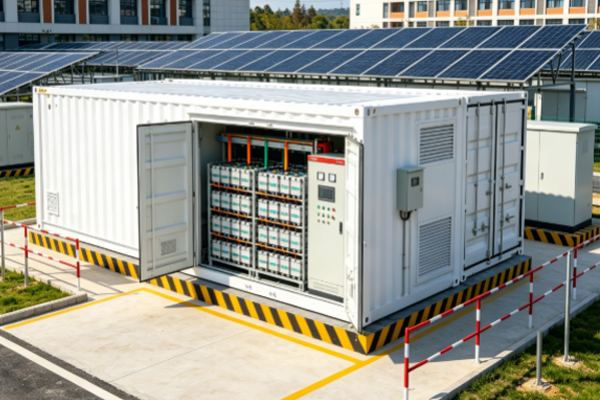
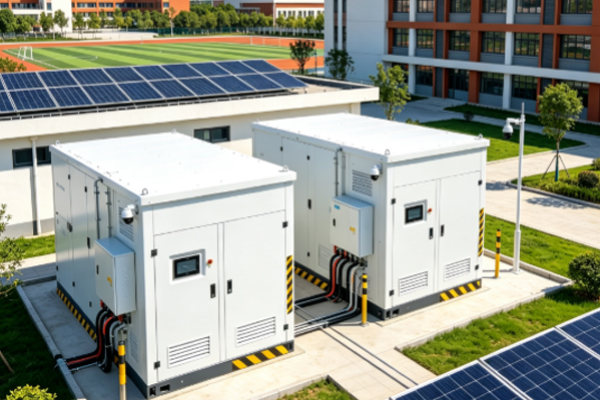
Before commissioning a hotel energy storage system, historical electricity consumption should be reviewed, including daily energy consumption, peak demand, nighttime loads, and seasonal changes. This information can be used to determine the appropriate battery capacity and PCS power. During operation, the system can charge during periods of lower electricity prices or lower hotel demand and discharge when electricity consumption increases. The EMS coordinates the battery, PCS, and hotel loads according to preset strategies, keeping the battery SOC within an appropriate operating range. For hotels equipped with photovoltaic systems, part of the solar electricity generated during the day can also be stored in the LiFePO4 battery and used later when guest rooms, restaurants, and public facilities require more electricity. Operators can monitor battery status through the energy management platform and adjust operating parameters according to seasonal demand, occupancy rates, and equipment usage.
Reference Configuration Table for Hotel LiFePO4 Batteries
| Hotel Application Area | Main Electrical Loads | Recommended Storage Configuration | Main Function |
| Guest Rooms | Lighting, air conditioning, TVs, network equipment | Modular battery system | Adjust guest-room electricity demand |
| Restaurant Areas | Kitchen equipment, refrigeration, lighting | Medium- to high-capacity storage cabinet | Support high-load equipment operation |
| Laundry Areas | Washing machines, dryers, hot water equipment | High-power energy storage system | Handle concentrated electricity demand |
| Public Areas | Lobby lighting, elevators, advertising equipment | Standard storage cabinet | Optimize electricity use in public areas |
| PV Integration | Solar inverter, PCS | Integrated solar-plus-storage configuration | Improve solar energy utilization |
| Comprehensive Energy Management | Overall hotel load | Battery clusters + EMS + BMS | Centralized monitoring and energy dispatch |
With properly selected battery capacity, hotels can schedule energy storage according to the electricity characteristics of different areas and maintain a closer match between available battery resources and actual demand.
Application Scenarios and System Functions of Hotel LiFePO4 Batteries
Hotel energy storage can extend from individual operating areas to the building’s overall energy system. Guest rooms, restaurants, laundry facilities, conference halls, parking areas, and mechanical rooms have different load characteristics. The energy storage system can coordinate these loads through centralized management or provide dedicated energy support for selected areas. It can also work together with photovoltaic generation, EV charging equipment, and other energy technologies to create a more complete hotel energy architecture.
Energy Storage Applications in Guest Rooms and Public Areas
Electricity consumption in hotel guest rooms changes significantly depending on occupancy, seasonal temperatures, and air-conditioning usage. A LiFePO4 battery system can adjust energy distribution according to overall hotel demand and provide flexible energy support for lighting, network equipment, air conditioning, and public facilities. Conference halls and banquet areas may experience temporary increases in power demand during events. Energy storage operation can be scheduled according to event periods to support these temporary high-load conditions. Through a centralized EMS platform, hotel operators can monitor electricity consumption patterns and adjust energy storage parameters according to operating schedules.
Energy Storage Applications for Restaurants, Laundry Areas, and Mechanical Equipment
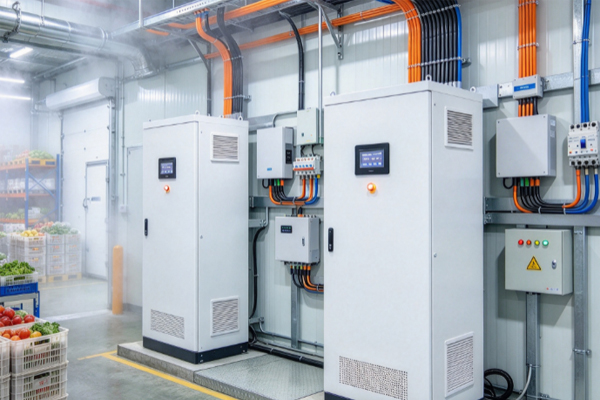
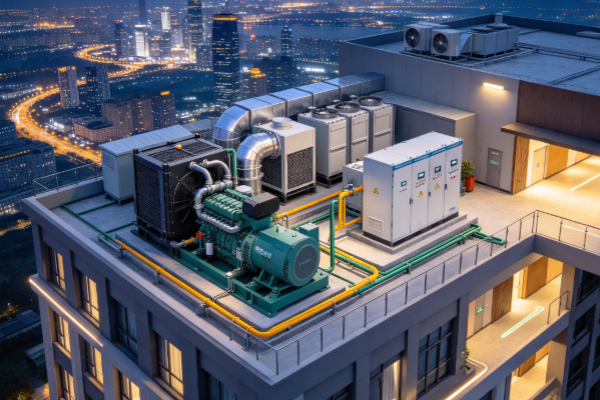
Hotel kitchens, restaurants, laundry rooms, and central mechanical equipment often contain high-power electrical loads, and some equipment operates intensively during specific periods. For example, refrigeration systems, cooking equipment, and ventilation equipment may create significant load changes before and during meal periods, while laundry equipment may operate more intensively when room turnover is high. A LiFePO4 battery energy storage system can coordinate with these operating patterns and adjust charging and discharging schedules through the PCS. This allows the system to respond more effectively to changes in hotel electricity demand. For hotels with photovoltaic systems, excess daytime solar electricity can also be stored and later released when restaurant, guest-room, and public-area demand increases.
Core Functions of a Hotel Energy Storage System
A complete hotel LiFePO4 battery solution should provide energy storage, power regulation, battery monitoring, and intelligent operating control. System components should be matched to the hotel’s actual electrical equipment and energy requirements.
- Energy storage function: Store electricity during suitable periods and release it according to hotel demand to improve the utilization of the storage system.
- Power regulation function: The PCS manages energy conversion between the battery and AC grid while adjusting charging and discharging power according to EMS commands.
- Battery condition monitoring: The BMS continuously monitors cell voltage, temperature, current, SOC, and other parameters to identify abnormal conditions.
- Energy data management: The EMS records system operating data and develops energy management strategies based on hotel load changes.
- Solar-plus-storage coordination: The battery system can work with photovoltaic generation to increase the proportion of solar electricity consumed by the hotel.
- Capacity expansion management: With a modular design, additional battery capacity can be installed when the hotel adds equipment or electricity demand increases.
These functions allow the hotel energy storage system to develop from a simple battery installation into a continuously managed energy resource.
Performance, Safety, and Expansion Capability of Hotel LiFePO4 Batteries
Hotel energy storage systems are generally expected to operate for many years, making cycle life, charging and discharging performance, temperature management, and system safety important considerations. LiFePO4 batteries provide stable performance during long-term cycling applications, while BMS technology can monitor individual cells and battery clusters in real time. The system can also incorporate overcurrent, overvoltage, short-circuit, and overtemperature protection, together with cabinet-level fire protection and thermal management to improve overall safety. Battery capacity and PCS power should be selected according to the hotel’s actual load profile. Insufficient capacity may result in inadequate storage duration, while excessive capacity may reduce equipment utilization. Modular battery cabinets allow the system to expand as hotel operations grow. For example, when a hotel adds guest rooms, restaurant facilities, or EV charging equipment, additional storage capacity can be installed accordingly. For new hotel projects, space for energy storage rooms, electrical interfaces, and communication interfaces can be reserved during the electrical design stage. For existing hotels, the system can be integrated with the current distribution network through an appropriate retrofit plan. With suitable battery capacity, power configuration, BMS protection, and EMS management, LiFePO4 batteries can form a complete energy storage solution designed for stable and long-term hotel operation.