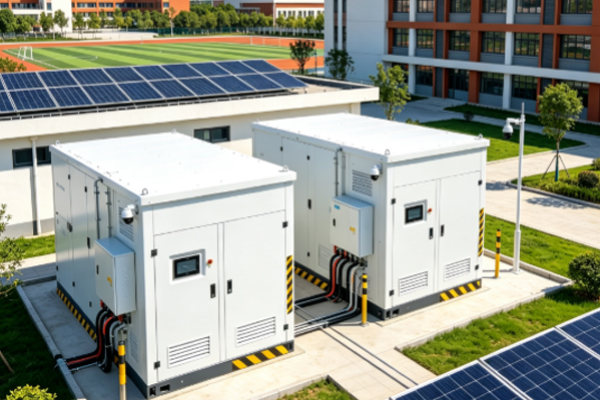
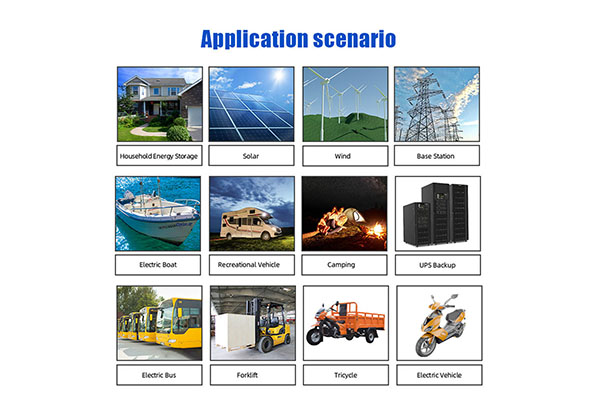
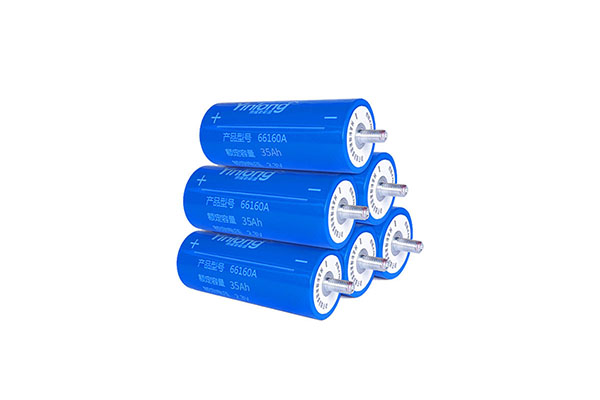
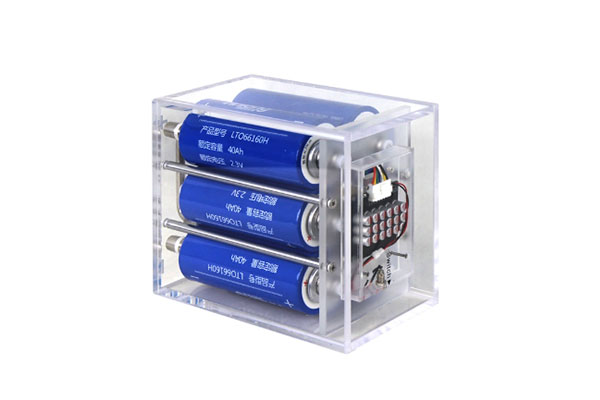
As green campus development continues to advance, schools are placing greater emphasis on clean energy utilization, electricity cost control, and reliable power management. A campus usually includes teaching buildings, laboratories, libraries, sports facilities, dormitories, cafeterias, and administrative areas, with different electricity consumption schedules and load characteristics across each location. LiFePO4 batteries offer long cycle life, stable safety performance, and efficient energy storage capabilities, making them suitable for integration with solar power generation, energy management systems, and campus power distribution facilities. By configuring appropriate battery capacity and charge-discharge strategies, schools can increase the local utilization of renewable energy while optimizing campus electricity consumption and providing continuous energy support for green campus development.
Core Advantages of Green Energy Storage Systems for Campuses
A campus green energy storage system uses LiFePO4 batteries as the core energy storage unit. By storing clean energy and releasing electricity according to changes in campus loads, the system creates a more flexible balance between energy generation and electricity demand. Compared with relying entirely on grid electricity, energy storage equipment provides additional energy regulation capabilities and allows schools to configure systems according to building types, solar capacity, and electricity consumption patterns.
Advantages of LiFePO4 Batteries for Green Campuses
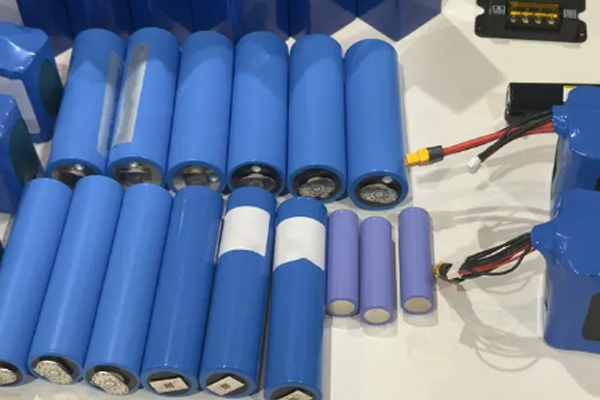
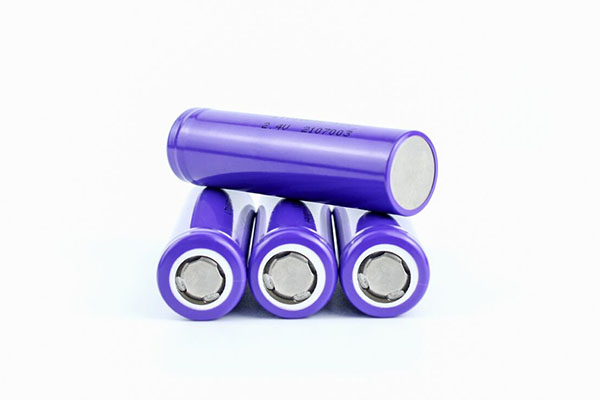
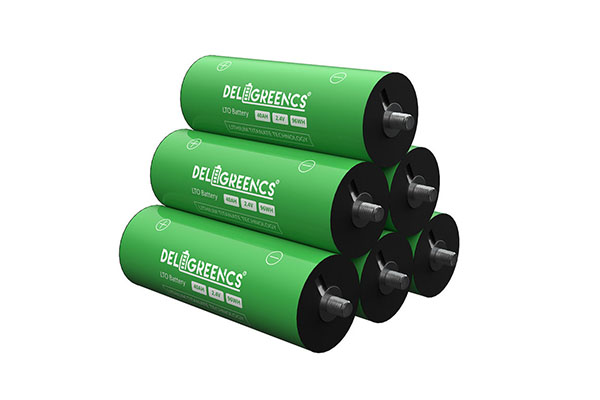
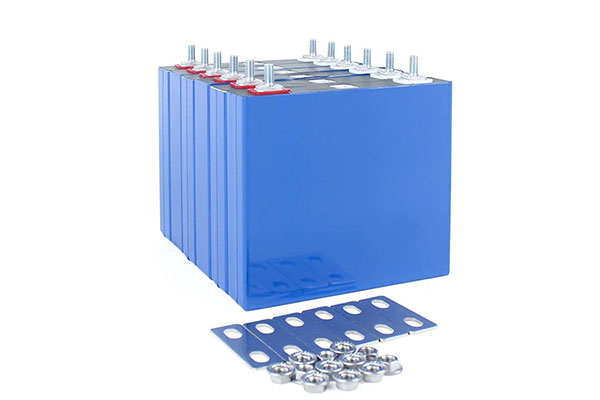
LiFePO4 batteries are well suited to campus energy storage applications. Their material chemistry provides good thermal stability, while an integrated Battery Management System (BMS) can continuously monitor cell status, temperature, voltage, and current. For school energy storage projects that are expected to operate for many years, battery cycle life and maintenance convenience are also important considerations.
- Strong cycling capability: Campus energy storage systems may charge and discharge regularly over long periods, and LiFePO4 batteries provide good cycle performance for daily energy management.
- Stable safety performance: A BMS can provide overvoltage, undervoltage, overcurrent, and overtemperature protection to reduce risks caused by abnormal operating conditions.
- Flexible capacity configuration: Battery modules can be selected according to the load requirements of teaching buildings, laboratories, dormitories, and public facilities.
- Convenient maintenance: Modular construction makes daily inspection, fault identification, and future capacity expansion easier.
These characteristics allow LiFePO4 batteries to work together with campus solar systems, power distribution equipment, and energy management platforms, creating a reliable foundation for continuous green energy utilization.
How to Use Campus Energy Storage Batteries
A campus green energy storage system can operate according to the school’s electricity consumption schedule. When solar generation is high during the daytime, electricity that is not immediately consumed by campus loads can be stored in the batteries. When solar output decreases or campus demand increases, the stored energy can be discharged to support the loads. Schools can also combine battery operation with peak and off-peak electricity pricing to establish suitable charging and discharging schedules. During daily operation, the charging and discharging power should be adjusted according to battery SOC, battery temperature, solar output, load fluctuations, and grid conditions. This helps prevent prolonged high-rate operation and excessive charging or discharging.
Reference Configuration for Campus Green Energy Storage Systems
The configuration of a campus energy storage project should be determined according to building area, daily electricity consumption, solar PV capacity, and load characteristics. Since campus sizes vary significantly, the following table can serve as a reference framework during the initial planning stage:
| Campus Area | Typical Electricity Characteristics | Energy Storage Focus | Supporting Equipment |
| Teaching Buildings | Concentrated daytime loads | Coordinate with solar PV for energy regulation | BMS, PCS, EMS |
| Laboratories | Significant equipment load fluctuations | Stable power management and rapid power response | BMS, PCS, Power Distribution System |
| Libraries | Continuous lighting and HVAC loads | Configure capacity according to daytime demand | EMS, PCS, Smart Meters |
| Student Dormitories | Higher evening and nighttime demand | Schedule charging and discharging according to peak/off-peak periods | BMS, EMS |
| Cafeterias | Concentrated loads during meal periods | Improve energy regulation during high-demand periods | PCS, EMS |
| Sports Facilities | Usage varies by schedule and activities | Adjust energy storage according to operating periods | BMS, PCS, EMS |
A properly configured system can create a better match between stored energy and campus loads while leaving room for future expansion when new buildings or renewable energy facilities are added.
Application Scenarios and System Functions of Campus Green Energy Storage
Campus energy demand varies significantly between different buildings and facilities. Energy storage systems can serve individual buildings or form a zoned energy management network based on the campus power distribution structure. Through coordinated operation between solar PV, batteries, power conversion equipment, and energy management platforms, schools can monitor energy generation, storage, and consumption more clearly while improving the digital management of renewable energy.
Green Energy Applications in Teaching Buildings and Laboratory Areas
Teaching buildings typically have relatively stable daytime loads from lighting, HVAC systems, computers, and teaching equipment, while laboratories may experience concentrated operation of specialized instruments. Energy storage batteries can work with rooftop solar PV systems to store surplus solar electricity and release it when campus demand increases. For laboratory areas, power control can also help reduce the impact of sudden load changes on the campus distribution system and improve the utilization of clean energy. For campuses with several teaching buildings, separate storage units can be configured according to the load characteristics of each building and monitored through a centralized energy management platform.
Energy Storage Applications for Dormitories, Cafeterias, and Public Facilities
Student dormitories, cafeterias, sports facilities, and public service buildings have different electricity consumption schedules. Dormitories generally experience higher demand during the evening and nighttime, while cafeterias have concentrated loads during breakfast, lunch, and dinner. Sports facilities may experience fluctuating demand depending on classes, competitions, and campus activities. Energy storage systems can establish different operating strategies according to these load patterns, allowing batteries to discharge during appropriate periods and reducing dependence on grid electricity during high-demand periods.
- Student dormitories: Energy storage discharge can be scheduled according to evening load changes, while energy platforms can be used to monitor electricity consumption trends.
- Campus cafeterias: Kitchen equipment, refrigeration systems, HVAC equipment, and other concentrated loads can be managed to improve energy utilization.
- Sports facilities and activity areas: Energy storage operation can be adjusted according to competitions, classes, and large campus events.
- Libraries and public spaces: Lighting, HVAC, and information equipment loads can be combined with suitable energy storage schedules for daily operation.
Zoned energy storage allows the system to better match the actual electricity consumption patterns of different campus buildings while reducing energy losses caused by a single operating strategy.
Smart Monitoring and Energy Dispatch Functions
A campus green energy storage system can integrate a BMS, Power Conversion System (PCS), and Energy Management System (EMS) to coordinate battery monitoring and power regulation. The BMS collects battery voltage, temperature, current, and SOC data while executing appropriate protection strategies. The PCS manages the conversion between DC and AC power, while the EMS can develop energy dispatch strategies based on solar generation, campus loads, and electricity pricing periods. Through a digital monitoring platform, facility managers can view battery energy levels, charging and discharging power, equipment status, and historical operating data. When abnormal temperatures, communication faults, or operating parameters outside preset limits occur, the system can issue alerts so that maintenance personnel can respond quickly.
Intelligent control allows campus energy storage equipment to become an active energy management node rather than simply a device for storing electricity. This enables green energy to be distributed more flexibly according to actual campus demand.
Performance, Safety, and Long-Term Operation of Campus Green Energy Storage Systems
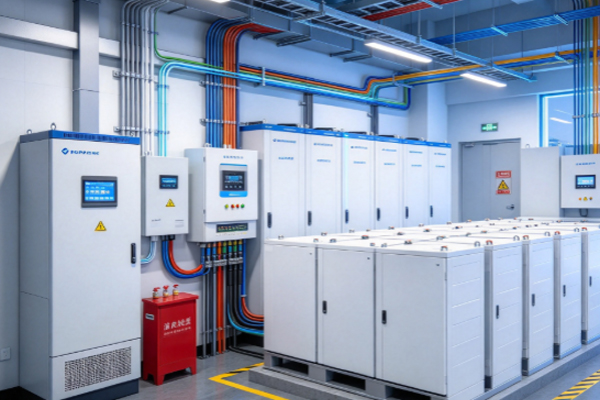
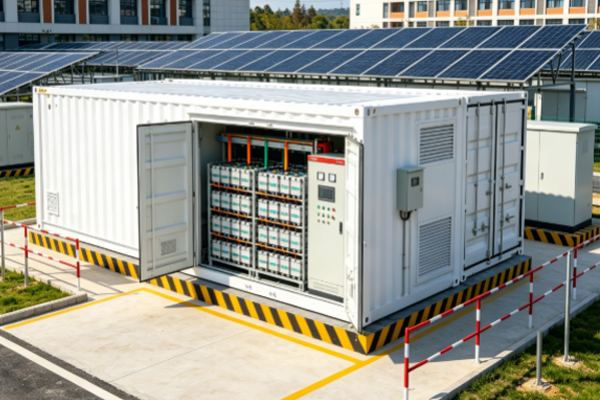
Campus energy storage equipment must operate reliably over long periods while handling frequent charging and discharging cycles and seasonal changes in electricity demand. Battery performance, thermal management, protection mechanisms, and maintenance requirements should all be included in the system design. LiFePO4 batteries can provide stable operation under a broad range of application conditions. When combined with a BMS, fire protection equipment, temperature control systems, and appropriate installation space, they can form a comprehensive safety management system. Energy storage cabinets or battery containers should also be equipped with suitable ventilation, temperature monitoring, and fault isolation measures according to project requirements. During daily operation, schools should regularly check battery SOC, cell voltage differences, temperature changes, and system alarm records while adjusting charging and discharging strategies based on operating data. Larger campus projects can also reserve communication interfaces and battery expansion space, making it easier to increase solar capacity or expand energy storage capacity in the future. With continuous collection of operating data, schools can further optimize energy dispatch strategies and adapt the storage system to changing campus loads, supporting clean energy utilization, green campus development, and stable energy management over the long term.