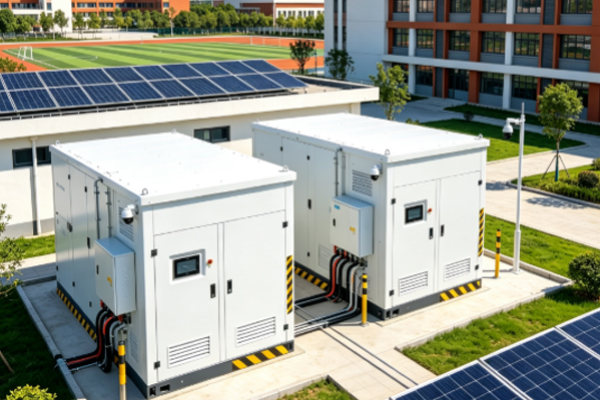
Hotels are continuously operating commercial buildings where guest rooms, reception areas, restaurants, elevators, fire protection systems, access control, surveillance equipment, and network services all require reliable electricity. When grid power suddenly fails or becomes unstable, the lack of a reliable emergency power source can affect hotel operations, guest experience, and critical safety equipment. A hotel emergency power system based on LiFePO4 batteries can combine energy storage batteries, PCS, UPS, BMS, and energy management equipment to establish a stable backup power architecture. Under normal conditions, the batteries remain within an appropriate state of charge and are managed by the system. When the external power supply becomes abnormal, the system can quickly switch to battery power and provide continuous electricity for fire protection, emergency lighting, communications, surveillance, access control, and essential guest room equipment. By classifying emergency loads and configuring battery capacity appropriately, hotels can prioritize critical equipment even when available backup energy is limited.
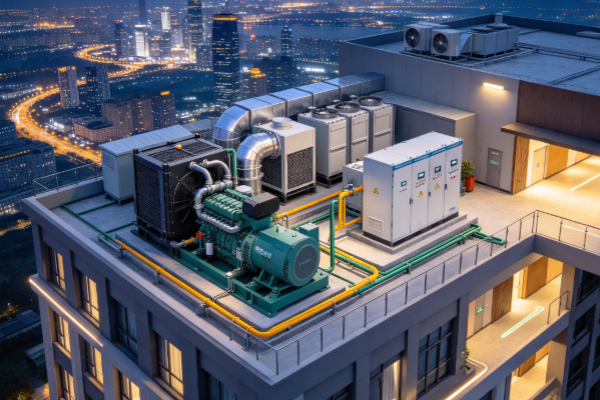
Advantages and Operating Methods of Hotel Emergency Power Systems
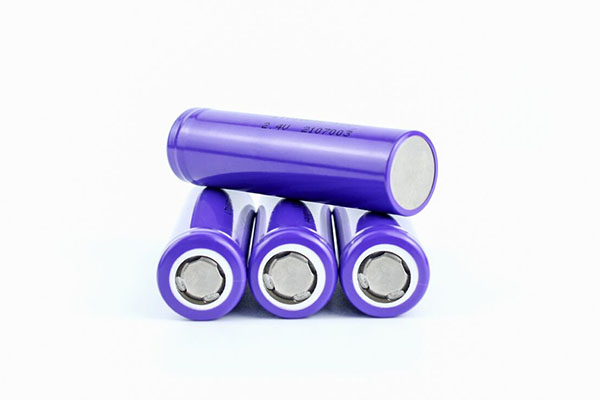
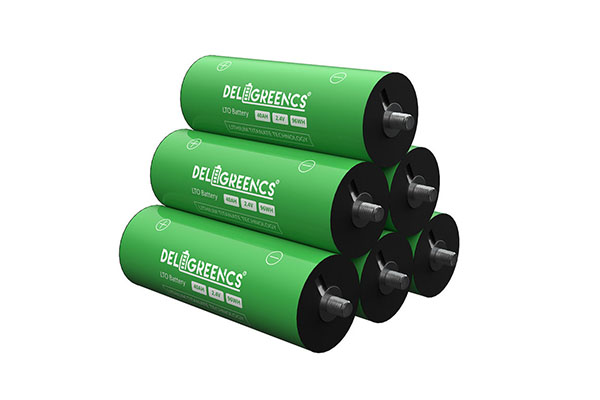
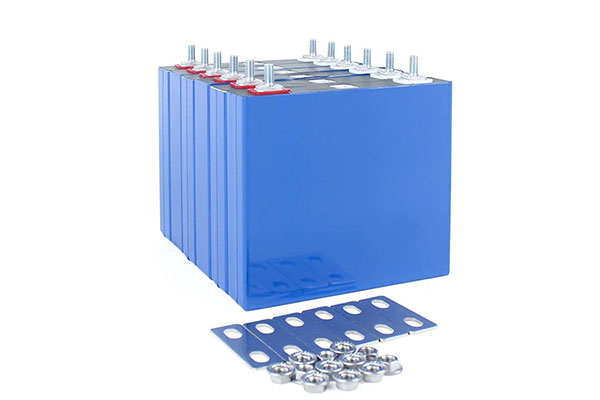
Hotel emergency power systems need to consider response speed, backup duration, safety, and equipment compatibility. LiFePO4 batteries provide good cycle life and thermal stability, making them suitable for long-term standby applications and modular capacity configuration according to hotel load requirements. Compared with a single backup power source, a lithium battery energy storage system can work with UPS, PCS, and intelligent control equipment to provide more flexible emergency power management.
Advantages of LiFePO4 Batteries for Hotel Emergency Power
Hotel emergency power systems need to respond quickly when grid electricity becomes abnormal. The battery system must provide stable energy storage while supporting efficient charging and discharging and intelligent protection. When combined with a BMS, LiFePO4 batteries can continuously monitor operating conditions and provide a reliable energy foundation for emergency power applications.
- Fast transition to backup power: When combined with UPS and power conversion equipment, the system can quickly provide electricity to critical loads when grid power fails.
- Strong long-term standby capability: Hotel emergency batteries may remain in standby mode for extended periods rather than being deeply discharged every day, making LiFePO4 batteries suitable for long-term standby and periodic testing.
- Flexible capacity configuration: Different battery cabinets or modules can be selected according to hotel size and the number of emergency loads.
- Stable operating safety: Together with BMS, temperature monitoring, and protection devices, the system can manage overcharging, over-discharging, overcurrent, and abnormal temperature conditions.
- Convenient maintenance: Modular construction and digital monitoring make it easier for hotel staff to check battery status.
These characteristics make LiFePO4 batteries suitable for continuously operating hotel environments and provide a stable energy foundation for critical emergency loads.
How to Use a Hotel Emergency Power System
During normal hotel operation, the emergency power system can maintain the batteries within an appropriate SOC range and replenish stored energy through the charging system. The hotel should establish an emergency load list and determine the power supply priority for each load. Fire protection controls, emergency lighting, surveillance, access control, and communication systems can be assigned higher priority. When grid power fails, the UPS or PCS switches according to preset control logic, allowing the LiFePO4 battery system to supply electricity to designated loads. Hotel staff can use the EMS to monitor battery SOC, output power, operating temperature, and equipment alarms. Non-critical loads can be managed according to the available backup duration. After grid power is restored, the system can gradually return to normal operation and recharge the batteries so that the emergency power system is ready for the next event.
Reference Configuration Table for Hotel Emergency Power Systems
The capacity of a hotel emergency power system should not be determined only by the total building electricity consumption. Emergency load power, required backup duration, equipment starting current, and power supply priorities should also be considered. The following table can serve as a reference during preliminary planning:
| Hotel Area | Emergency Equipment | Main Requirement | Recommended Configuration |
| Fire Control Room | Fire control panels and alarm equipment | Continuous stable power | UPS, LiFePO4 Battery, BMS |
| Reception and Lobby | Reception systems, access control, network equipment | Maintain basic operations | UPS, Lithium Battery Pack |
| Guest Rooms | Emergency lighting and communication equipment | Maintain essential services | LiFePO4 Battery, UPS |
| Surveillance Center | Cameras, storage equipment, displays | Continuous monitoring | UPS, BMS, Monitoring Platform |
| Elevator System | Control equipment and emergency lighting | Support safe evacuation | UPS or Dedicated Emergency Power |
| Network Room | Servers, switches, firewalls | Prevent communication interruption | UPS, PCS, LiFePO4 Battery |
By classifying emergency loads according to priority, hotels can allocate limited battery capacity to critical equipment first and improve the utilization of available backup energy.
Application Scenarios and System Functions of Hotel Emergency Power
Hotel emergency power systems are not only designed for complete blackouts. Voltage abnormalities, localized distribution failures, severe weather, and unexpected equipment faults can also affect hotel operations. The system should therefore be configured according to the importance of equipment in different areas, while intelligent control equipment can manage load switching and operating status monitoring. For larger hotels, emergency power units can be arranged by floor, functional zone, or distribution circuit, providing more targeted power protection for critical facilities.
Emergency Power for Guest Rooms, Lobbies, and Hotel Service Areas
Guest rooms and lobbies are key areas where hotels interact directly with guests. During a power outage, emergency lighting, door lock systems, front desk computers, communication equipment, and selected network facilities still need to remain operational. A lithium battery emergency power system can provide continuous electricity for these devices, allowing reception staff to continue basic guest registration, room management, and customer service operations. In guest room areas, emergency power can prioritize lighting, communication, and door lock systems to prevent the complete loss of essential services. Large hotels can also divide emergency loads by floor and use separate power supply units to reduce the impact of a localized failure on other areas.
Emergency Applications for Fire Protection, Surveillance, and Security Equipment
Hotel safety systems require reliable emergency power because fire alarms, surveillance, access control, and emergency broadcasting equipment need to retain their basic functions during abnormal power conditions. LiFePO4 batteries can work with UPS and control systems to provide backup energy for these critical devices. Independent power circuits can be configured according to the power requirements of fire protection equipment, surveillance servers, and communication systems, while the BMS and monitoring platform provide real-time battery status information. During severe weather such as typhoons and heavy rain, hotels can also increase the available battery SOC in advance to reserve additional backup energy for unexpected grid interruptions.
Intelligent Control Functions of Hotel Emergency Power Systems
A hotel emergency power system can integrate BMS, UPS, PCS, and EMS into a unified monitoring architecture for centralized management of battery status, load power, and power supply modes.
- Automatic power switching: When grid abnormalities are detected, the system can automatically switch to backup power according to preset operating logic.
- Load priority management: Backup electricity can be allocated according to the importance of fire protection, security, communications, guest services, and other equipment.
- Battery status monitoring: SOC, voltage, current, and temperature can be monitored in real time to identify abnormal conditions promptly.
- Alarm and event recording: Power failures, switching events, overtemperature conditions, and equipment faults can be recorded for maintenance and troubleshooting.
- Remote management: Large hotels can use monitoring platforms to view the operating status of emergency power systems in different areas.
Intelligent control allows hotel staff to understand emergency power conditions more quickly and adjust backup strategies according to actual operating requirements.
Performance, Safety, and Long-Term Operation of Hotel Emergency Power Systems
Hotel emergency power systems need to remain available for long periods, so battery performance should be evaluated beyond rated capacity. Cycle life, standby performance, discharge efficiency, temperature adaptability, and protection mechanisms should also be considered. LiFePO4 batteries are suitable for long-term operation under appropriate temperature and charging and discharging conditions. The BMS can continuously monitor individual cell voltage, temperature, current, and SOC and activate protection strategies when operating parameters become abnormal. During installation, sufficient space should be reserved for heat dissipation and maintenance, while fire protection, temperature control, and ventilation equipment should be configured according to the hotel building conditions. Large hotels can use modular battery cabinets to provide independent management for emergency power systems in different areas. Routine maintenance can include periodic battery capacity testing, connection inspections, alarm record reviews, and UPS function testing to ensure that the system remains ready for use after extended standby periods. Hotels can also adjust battery capacity according to historical power outage records, seasonal weather conditions, and changes in critical equipment. Through continuous monitoring and regular maintenance, the emergency power system can maintain high availability and provide long-term, stable electricity support for hotel safety operations, essential services, and critical equipment.