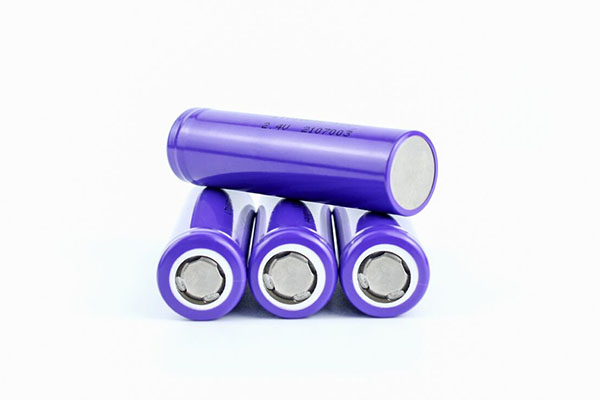
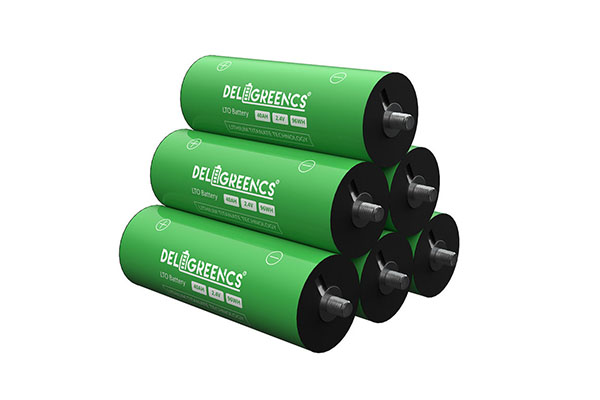
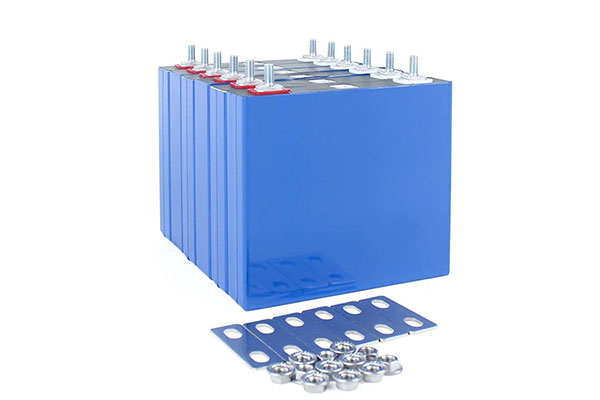
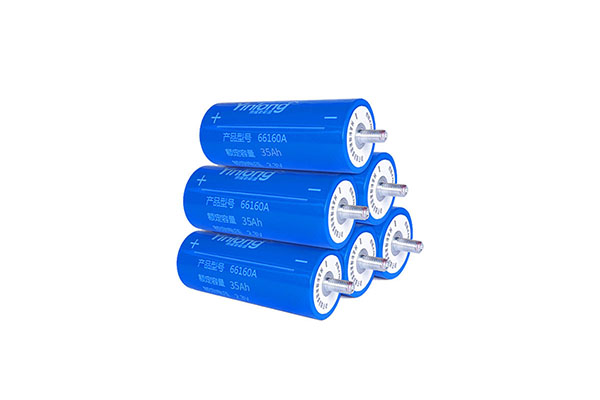
LTO batteries are lithium-ion batteries that use lithium titanate as the anode material. With fast-charging capabilities, long cycle life, good low-temperature performance, and high charge and discharge rates, LTO batteries have potential applications in industrial equipment, energy storage systems, electric transportation, and backup power supplies. Compared with conventional lithium-ion batteries, LTO batteries are particularly suitable for certain applications that require frequent charging and discharging and long-term operational stability. So, what are the main applications of LTO batteries, and how can businesses select the right battery solution for their needs?
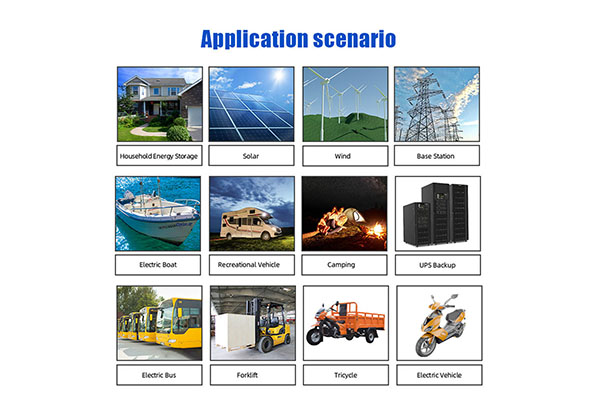
Applications of LTO Batteries in Industrial Equipment
Industrial Vehicles and Automation Equipment
LTO batteries can be used in certain automated guided vehicles (AGVs), autonomous mobile robots (AMRs), industrial material-handling equipment, and other electric devices that require frequent charging and discharging. These devices often operate continuously and need to recharge during work breaks.
The fast-charging capability of LTO batteries can help reduce downtime, while their long cycle life may reduce battery replacement frequency. These benefits can be valuable for factories operating multiple shifts. However, actual suitability depends on battery capacity, equipment load, charging power, and installation space.
Industrial Machinery and High-Power Equipment
Some industrial machines require high power output for short periods during startup, acceleration, or changes in operating loads. LTO batteries offer good high-rate charging and discharging performance, making them a potential option for equipment with specific power requirements.
When selecting an LTO battery, businesses should verify continuous discharge capability, peak current, operating temperature, and protection mechanisms to ensure compatibility with the equipment’s control system.
Applications of LTO Batteries in Energy Storage Systems
Commercial and Industrial Energy Storage
In commercial and industrial energy storage projects, batteries charge and discharge according to electricity demand to support load management and energy scheduling. LTO batteries can be considered for projects with frequent cycling requirements and a strong emphasis on cycle durability.
Their long cycle life may help reduce maintenance expenses associated with frequent battery replacement. However, because LTO batteries generally have lower energy density and higher initial purchase costs, businesses should also evaluate storage capacity, available space, system efficiency, and total life cycle costs.
Renewable Energy Storage
Solar and wind power are intermittent energy sources, making energy storage important for balancing electricity supply and demand. LTO batteries can be used in certain renewable energy storage projects that require rapid response or frequent charging and discharging.
When designing these systems, businesses should consider energy generation profiles, required storage duration, charge and discharge rates, and grid connection requirements rather than evaluating suitability based on cycle life alone.
Applications of LTO Batteries in Electric Transportation
Electric Buses and Urban Transportation
Certain electric buses, urban transportation vehicles, and other electric vehicles that require short charging intervals may benefit from the fast-charging capabilities of LTO batteries. For example, vehicles with access to charging facilities at designated stops can recharge according to their operating schedules.
However, actual driving range depends on battery capacity, vehicle weight, ambient temperature, and driving conditions. Whether an LTO battery meets a project’s requirements should be verified through vehicle design assessments and operational data.
Rail Transit and Auxiliary Power Systems
LTO batteries can also be used in certain rail transit auxiliary power systems, onboard energy storage systems, and power supply applications that require high output power. Their performance characteristics can help meet rapid charging and discharging requirements in specific operating environments.
The battery solution should be designed according to vibration conditions, electrical safety requirements, backup duration, and applicable industry standards.
Applications of LTO Batteries in Backup Power and Specialized Environments
UPS and Backup Power Systems
Uninterruptible power supply (UPS) systems and other backup power solutions must provide electricity promptly when the main power supply fails. LTO batteries are worth evaluating for projects that prioritize response speed, cycle life, and long-term operational reliability.
Businesses should focus on backup duration, load power, standby losses, charging strategies, and system compatibility. Battery capacity should be determined according to the actual risk and duration of power outages.
Power Equipment in Low-Temperature Environments
In colder regions and low-temperature industrial environments, battery charging and discharging performance can affect equipment operation. LTO batteries generally offer good low-temperature performance, making them suitable for certain industrial equipment and power systems operating in cold conditions.
However, the operating temperature range varies by model. Before purchasing, businesses should verify the manufacturer’s temperature specifications, low-temperature charging restrictions, and any necessary thermal management measures.
How Can Businesses Choose the Right LTO Battery Supplier?
Determine Technical Specifications Based on Application Requirements
When purchasing LTO batteries, businesses should define key parameters, including rated voltage, capacity, continuous and peak charging and discharging rates, cycle life, operating temperature, dimensions, and weight.
Compatibility between the battery management system (BMS), charging equipment, and the main equipment control system should also be verified.
Evaluate Total Life Cycle Costs
The initial cost of LTO batteries may be higher than that of some alternative battery technologies. Businesses should therefore compare purchase prices, charging and discharging efficiency, maintenance expenses, replacement intervals, and potential downtime losses.
For equipment that requires frequent charging and discharging, long-term operating costs may be more meaningful than the initial purchase price alone.
Choose a Supplier with Technical Support Capabilities
A reliable battery supplier should provide clear product specifications, technical documentation, and application selection support. Businesses can contact DeliGreen to learn about relevant battery solutions, product specifications, and customization support.
Before purchasing, buyers should confirm that the selected model meets the technical requirements and operating conditions of their projects.
Conclusion
LTO batteries have applications in industrial automation equipment, commercial and industrial energy storage, renewable energy storage, electric transportation, UPS backup power systems, and certain low-temperature environments.
Their main advantages include fast charging, long cycle life, and good high-rate performance. However, their relatively low energy density and higher initial purchase costs must also be considered.
For projects requiring frequent charging and discharging, long-term operation, and rapid power response, LTO batteries offer several potential advantages. Businesses should compare equipment requirements, installation space, operating conditions, and total life cycle costs to select a battery solution that best suits their specific applications.