In energy storage systems, industrial equipment, electric transportation, and backup power applications, batteries must do more than provide a stable power supply. They also need to handle frequent charging and discharging, rapid energy replenishment, and continuous operation. Conventional lithium-ion batteries may experience capacity degradation, longer charging times, and increased thermal management demands in certain high-cycle applications. LTO batteries have become an important option for these scenarios thanks to their fast-charging capabilities, long cycle life, and favorable safety characteristics.
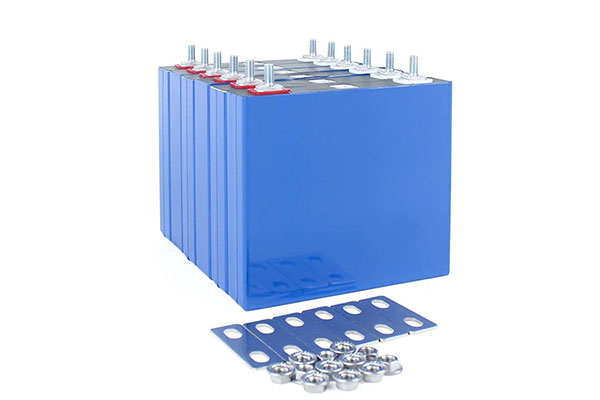
Why Are LTO Batteries Suitable for High-Frequency Charging and Discharging?
Fast Charging Reduces Equipment Downtime
Equipment that undergoes frequent charging and discharging often needs to replenish its energy supply within a short period. For example, industrial material-handling equipment may need to recharge between work cycles, while automated production equipment requires high operational availability.
LTO batteries use lithium titanate as the anode material. Their favorable lithium-ion transport and insertion kinetics allow them to support high-rate charging when the cells are properly designed and operated within specified conditions. Compared with battery solutions that require longer charging periods, LTO batteries can make better use of short charging windows and reduce equipment downtime.
Long Cycle Life Supports Frequent Charging and Discharging
For equipment that undergoes multiple charging and discharging cycles every day, battery cycle life directly affects long-term operating costs. Frequent cycling increases the cumulative number of charge-discharge cycles. If the battery materials and structure cannot withstand prolonged use, capacity degradation may accelerate.
The lithium titanate anode experiences relatively small volume changes during charging and discharging. This helps reduce mechanical stress on the electrode structure and can limit certain interfacial side reactions associated with conventional graphite-anode systems. Under appropriate temperature, voltage, and charging-rate conditions, LTO batteries can achieve a long cycle life, making them suitable for equipment that requires reliable, long-term operation.
Key Advantages of LTO Batteries in High-Frequency Applications
High-Rate Discharge Meets Instantaneous Power Demands
Some industrial machinery, automated guided vehicles (AGVs), and power-assistance equipment require substantial instantaneous power during startup, acceleration, or load changes. Depending on their design, LTO batteries can support high-rate charging and discharging, providing flexible power output for these applications.
However, actual charging and discharging capabilities depend on cell specifications, cooling conditions, battery management system (BMS) settings, and pack configuration. Buyers should always verify performance against the manufacturer’s technical specifications.
Better Low-Temperature Performance Expands Application Possibilities
In cold environments, electrochemical reactions and ion transport inside batteries may become slower, reducing charging efficiency and available capacity. LTO batteries generally offer favorable low-temperature performance and may perform better than conventional graphite-anode lithium-ion batteries under certain low-temperature operating conditions.
For outdoor equipment, cold-chain auxiliary systems, and backup power installations in cold regions, LTO batteries can provide greater flexibility in system design. However, charging must still remain within the temperature limits specified for the cells. Good low-temperature performance does not mean that rapid charging is safe at every subzero temperature.
Favorable Thermal Stability Supports Safer System Design
Frequent, high-rate charging and discharging can increase heat generation. The relatively high lithium insertion potential of the LTO anode helps reduce the risk of lithium plating under certain fast-charging conditions compared with conventional graphite-anode systems. Its material characteristics also offer advantages when designing battery safety systems.
Nevertheless, LTO batteries still require appropriate overcurrent, overvoltage, temperature-monitoring, and short-circuit protection. Cooling solutions should also be designed according to the actual load and operating conditions.
Which Applications Are Suitable for LTO Batteries?
Industrial Automation and Material-Handling Equipment
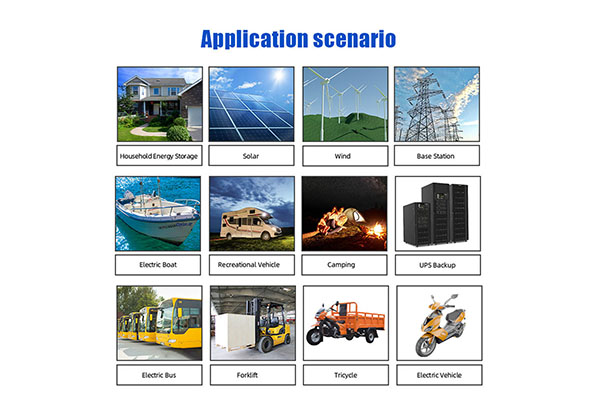
AGVs, automated forklifts, and other industrial material-handling equipment frequently require short charging periods and repeated start-stop operation. LTO batteries can support frequent cycling and rapid charging, making them suitable for factories where high equipment utilization is essential.
High-Cycle Energy Storage Systems
In energy storage projects that frequently absorb and release electricity, such as certain frequency regulation, power-smoothing, and short-duration backup power applications, LTO batteries can offer advantages in cycle life and power response.
However, each project should also be evaluated according to its energy capacity, required discharge duration, and overall system cost.
Transportation and Backup Power
LTO batteries may also be considered for selected electric bus auxiliary systems, rail transit equipment, and specialized vehicles requiring rapid energy replenishment. Their performance characteristics can also be valuable in backup power applications that require long standby periods, frequent startup, or rapid power restoration.
What Parameters Should You Consider When Selecting LTO Batteries?
When purchasing LTO batteries, buyers should look beyond nominal capacity and unit price. Important evaluation criteria include maximum continuous charge and discharge rates, cycle life and test conditions, operating temperature range, charging time, energy density, and BMS protection functions.
For high-frequency charging and discharging projects, it is advisable to calculate actual requirements based on daily cycle counts, operating duration per cycle, and load profiles before comparing the total lifecycle costs of different battery solutions.
LTO batteries generally have a lower energy density than some conventional lithium-ion batteries, and their initial purchase costs may also be higher. Therefore, they are not necessarily the best choice for every application.
How Can You Evaluate the Long-Term Value of LTO Batteries?
To determine whether LTO batteries are suitable for a project, consider the initial investment, charging efficiency, maintenance requirements, expected service life, and replacement costs together. For equipment with frequent charging and discharging cycles, high downtime costs, and stringent safety requirements, the long cycle life and rapid charging capabilities of LTO batteries may offset part of their higher initial cost.
DeliGreen can be considered as one supplier when evaluating LTO battery solutions. During the selection process, confirm cell specifications, charging and discharging performance, protection features, and system integration requirements based on actual operating conditions. This approach helps ensure that the final battery solution meets the equipment’s operational needs.