LiFePO4 Cells • Battery Packs • DIY Kits • Energy Storage Systems
info@deligreen.net WhatsApp: +86 15074995718

LiFePO4 Cells • Battery Packs • DIY Kits • Energy Storage Systems
info@deligreen.net WhatsApp: +86 15074995718
Practical guides, technical insights and application knowledge to help you choose the right LiFePO4 battery and energy storage solution.
LATEST KNOWLEDGE & INSIGHTS
Explore practical guides, technical insights and application knowledge to help you choose the right batteries, components and energy storage solutions.

Cylindrical batteries are widely used in power tools, energy storage equipment, portable electronic products, and industrial devices. Different applications have different requirements for battery capacity, voltage, output power, and service life. An unsuitable battery selection may
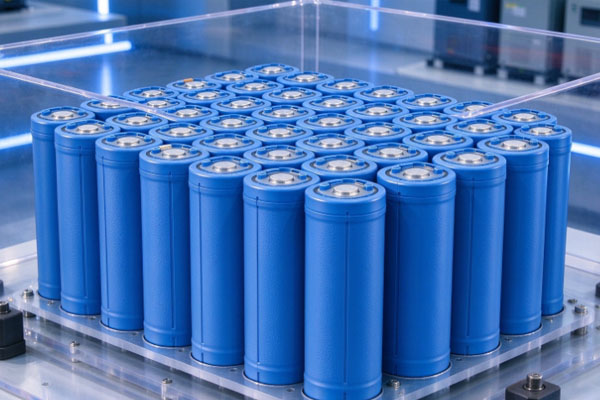
Cylindrical lithium-ion batteries are widely used in power tools, energy storage systems, electric vehicles, and portable devices. Their safety performance directly affects equipment operation and service life. When the heat generated inside a battery cannot be
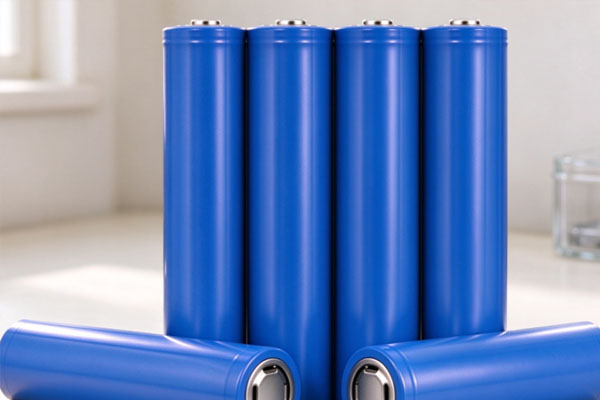
Customizing cylindrical batteries involves cell selection, structural design, electrical connections, safety protection, and production inspection. Different devices have different requirements for battery dimensions, output power, runtime, and operating environments. Selecting a solution based solely on external
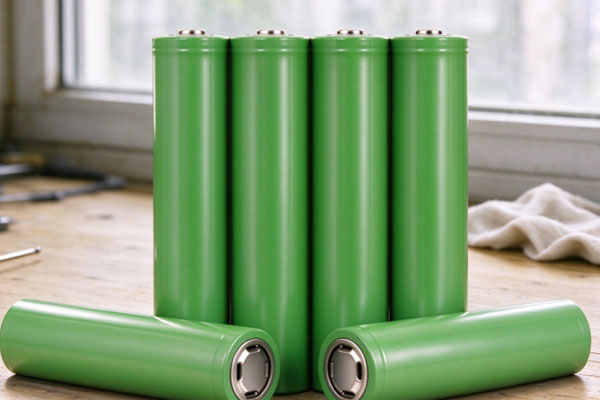
Cylindrical batteries are widely used in power tools, energy storage systems, and portable electronic devices. Temperature changes can affect their charging and discharging performance, service life, and operational safety. Battery cells generate heat during operation, and
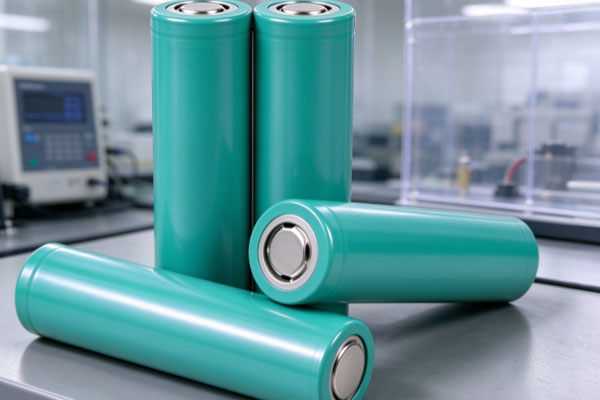
Cylindrical batteries may experience declining charge levels and performance during long periods of inactivity due to self-discharge, temperature changes, and battery aging. For equipment manufacturers, battery buyers, and everyday users, maintenance involves more than checking the
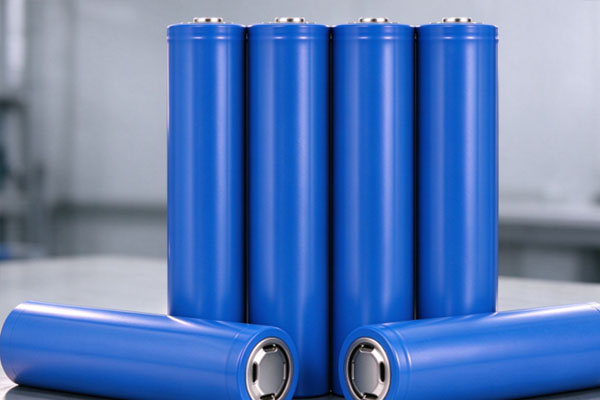
When a cylindrical battery is charged beyond its specified voltage limit, it may experience overheating, performance degradation, and increased internal pressure. In severe cases, overcharging can lead to leakage, gas release, or even fire. For equipment
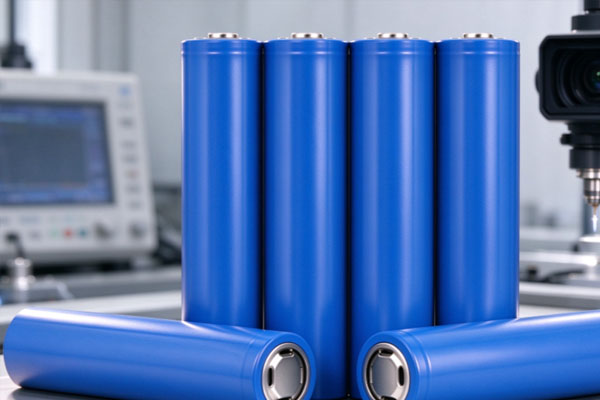
Cylindrical batteries and pouch batteries differ in casing structure, space utilization, and installation requirements, making them suitable for different device designs. For equipment manufacturers and battery buyers, selection involves more than comparing capacity and price. Power
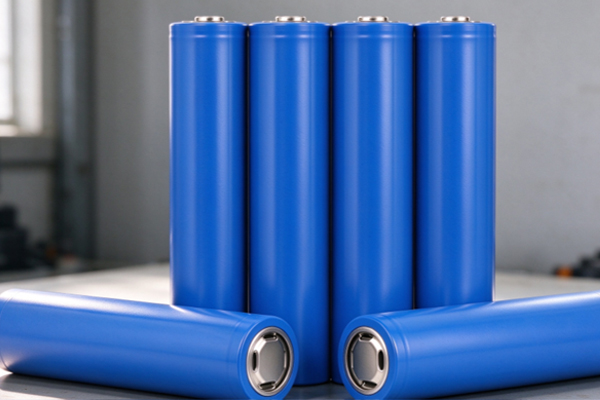
When purchasing cylindrical batteries in different specifications such as 18650 and 21700, capacity and individual cell price should not be the only considerations. What truly affects performance is whether the cell voltage, capacity, discharge capability, internal
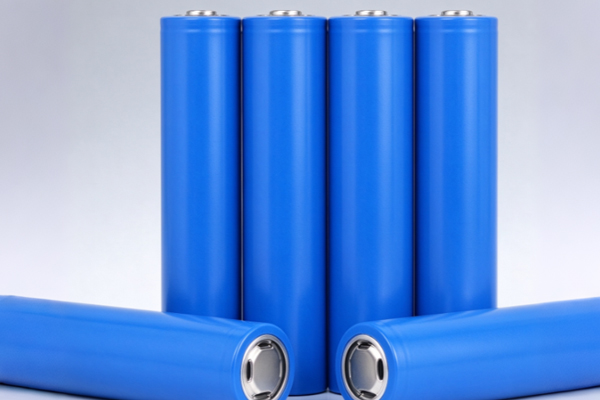
Cylindrical batteries are widely used in power equipment, energy storage systems, power tools, and smart devices. As the number of cells in a battery pack increases, issues such as voltage differences, connection heating, uneven temperatures, abnormal
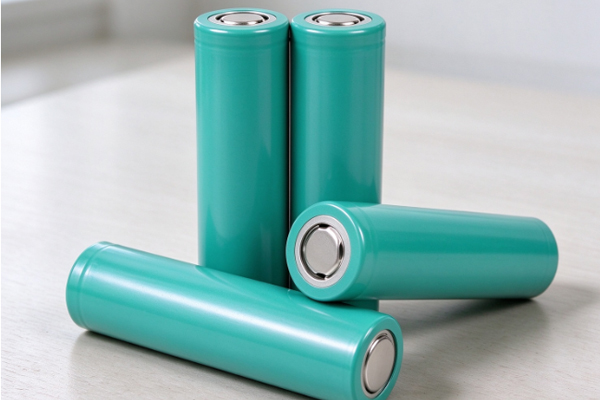
In power equipment, energy storage systems, power tools, and smart devices, multiple cylindrical cells are typically connected in series and parallel to form a complete battery pack. As the number of cells increases, differences in voltage,
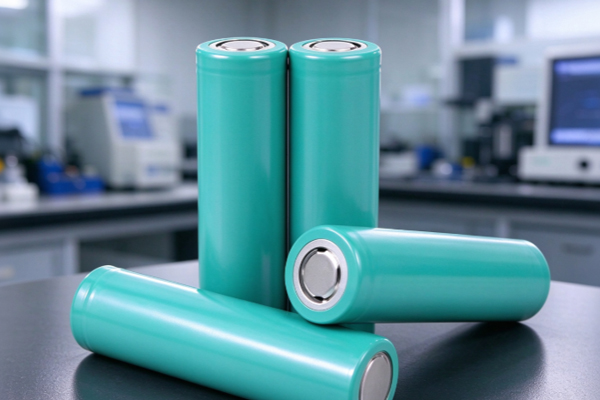
The mass production of cylindrical batteries involves multiple stages, including material processing, electrode manufacturing, winding and assembly, electrolyte filling and formation, and finished-cell screening. During production, issues such as coating deviations, welding contamination, abnormal casing assembly,
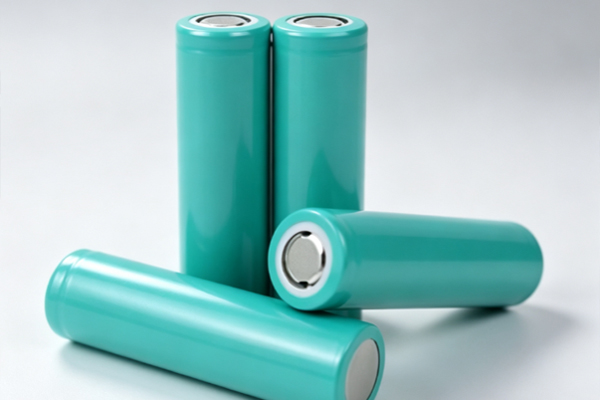
When selecting cylindrical batteries, models such as 18650, 21700, and 26650 are closely related to cell dimensions, capacity ranges, and application directions. Different specifications vary in size, weight, discharge capability, and space utilization, while cells of
Use this lightweight CTA to move readers from self-learning to product or project consultation.
QUICK LEARNING TOOLS
Use our practical battery tools and guides to compare options, understand key terms and make more confident purchasing decisions.
A downloadable or article-led checklist for voltage, capacity, load and quantity.
Compare LiFePO4, lead-acid, sodium-ion and LTO at a high level.
Direct readers to understandable definitions of common battery terms.
Link to safe handling, document and packing information.
Start with voltage, capacity, energy, battery type and the intended application. Then move to BMS and charging topics.
No. Educational content supports research; product manuals, datasheets and approved instructions remain the source for model-specific details.
Keep each article educational, then use a relevant product link or a single “Ask a Battery Expert” CTA at the end.
Knowledge explains concepts and buyer questions; Solutions shows application use cases; NEWS shares product, company and industry updates.
Explore our battery products, application-based solutions or custom options to find the right fit for your project.
Cells, battery packs, DIY boxes and energy storage systems.
Find application-based storage guidance.
Get OEM/ODM support for capacity, voltage, BMS and packaging.
NEED A PRODUCT RECOMMENDATION?
Tell us your application, voltage, capacity, quantity and delivery country. We will help direct you to the relevant product or solution path.
Replace the placeholder sales email before publishing.