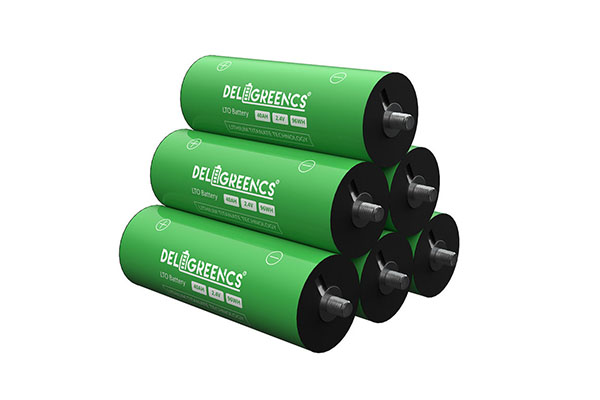
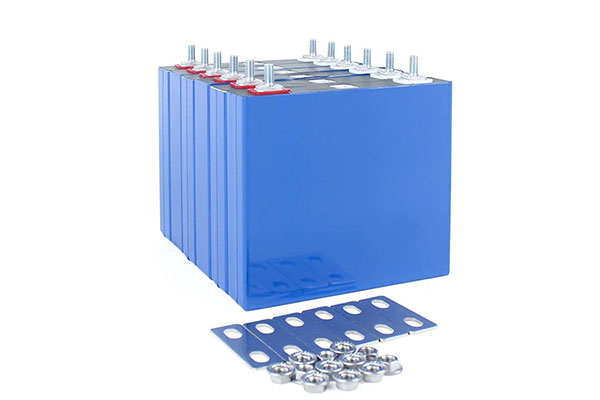
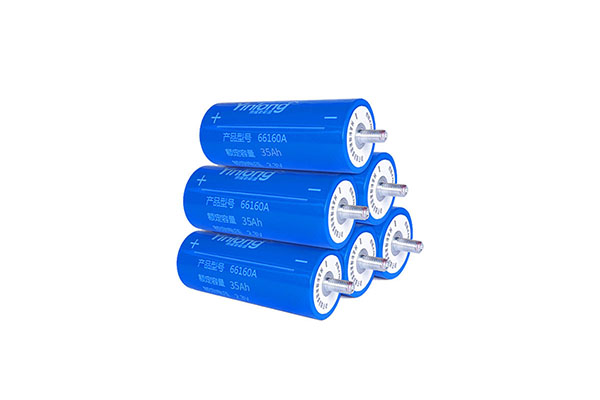
With the development of industrial automation, new energy transportation, energy storage systems, and specialized equipment, different applications have varying requirements for battery voltage, capacity, charging and discharging performance, service life, and environmental adaptability. Standard battery products can meet many conventional needs, but applications involving frequent charge-discharge cycles, fast charging, or low-temperature operation may benefit from customized battery solutions. For buyers, choosing an LTO battery manufacturer with strong technical support, product development capabilities, and quality control processes is an important step toward successful project implementation.
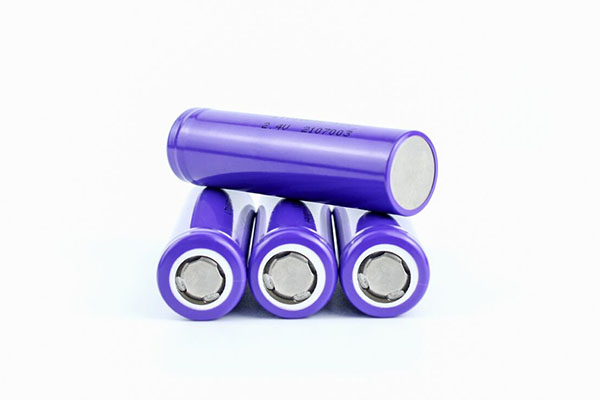
Determine the LTO Battery Solution Based on Application Requirements
Define Voltage and Capacity Requirements
A customized LTO battery solution should begin with the actual load and operating conditions. Manufacturers need to understand the equipment’s rated voltage, continuous power requirements, peak current, operating time per charge, and daily charge-discharge frequency. Based on these parameters, they can determine the number of cells, series and parallel configurations, and overall battery capacity.
For example, automated guided vehicles (AGVs), industrial mobile equipment, and backup power systems have significantly different operating requirements. AGVs may require frequent charging opportunities, while backup power systems prioritize reliable power delivery to critical loads. Configuring the battery according to actual operating conditions helps prevent insufficient capacity and unnecessary costs caused by overdesign.
Maximize the Advantages of LTO Battery Technology
Lithium Titanate Oxide (LTO) batteries offer fast-charging capabilities, long cycle life, and good low-temperature adaptability. These characteristics make them suitable for frequent charge-discharge applications and certain demanding operating environments. However, actual performance depends on the cell model, system design, temperature, and operating conditions. Manufacturers should evaluate each project based on its specific requirements rather than assuming that every LTO battery will deliver the same performance.
Key Configurations for Customized Battery Packs
Cell Selection and Battery Pack Design
LTO battery manufacturers should select suitable cell specifications and design an appropriate series-parallel configuration according to the customer’s target voltage, capacity, installation space, and weight limitations. For compact equipment, battery dimensions, mounting methods, terminal positions, and maintenance accessibility are important considerations. For high-power equipment, manufacturers should also evaluate current-carrying capacity, electrical connections, and heat dissipation.
Battery Management System Configuration
A battery management system (BMS) is an essential component of a customized battery pack. A properly configured BMS can monitor voltage, current, and temperature while providing overvoltage, undervoltage, overcurrent, and overtemperature protection according to the system design.
For projects that require integration with the host equipment’s control system, manufacturers should confirm communication interfaces such as CAN or RS485, data protocols, and control logic in advance. This helps reduce compatibility risks between the battery and the end equipment.
Enclosure, Connectors, and Safety Design
Battery enclosures, terminals, wiring harnesses, and connectors must suit the equipment’s installation environment. For battery packs used outdoors, in vibrating environments, or in industrial facilities, manufacturers should also evaluate ingress protection, mechanical mounting, electrical insulation, and heat dissipation.
Customized designs should comply with applicable safety standards and be supported by appropriate test results. Adding protective features alone cannot replace comprehensive system-level safety verification.
How Do LTO Battery Manufacturers Complete the Customization Process?
Requirement Communication and Technical Evaluation
Customers should provide the manufacturer with information about the application, target voltage, capacity, charging and discharging current, operating temperature, installation dimensions, estimated order quantity, and target market. More complete information enables the manufacturer to develop a feasible technical proposal and provide a more accurate quotation.
Sample Production and Performance Testing
After the solution is defined, sample battery packs can be produced to verify charging and discharging performance, temperature rise, protection functions, communication compatibility, and mechanical fit. For high-frequency operation or low-temperature applications, testing conditions should reflect the actual operating environment to confirm whether the battery can meet the equipment’s continuous operating requirements.
Mass Production and Quality Control
Once the sample passes verification, the manufacturer should establish appropriate production and inspection procedures. These may include checks on cell consistency, assembly quality, electrical connections, BMS functions, and finished battery performance.
Manufacturers should also confirm applicable testing, certification, and transportation documentation based on the target market and shipping method, helping ensure that the product meets project delivery requirements.
What Should Buyers Consider When Choosing a Custom LTO Battery Manufacturer?
When evaluating suppliers, buyers should consider more than the unit price of battery cells. Important factors include technical communication efficiency, customization experience, sample validation capabilities, quality traceability, and after-sales support.
For OEM/ODM projects, buyers should also confirm whether the manufacturer can accommodate changes to battery pack structure, connectors, enclosures, communication systems, and product labeling.
Deligreen provides battery product options and customization support for different applications. Customers can discuss their project requirements to explore suitable LTO cell or battery pack configurations and confirm technical specifications, sample testing procedures, and delivery conditions. Through effective communication and staged validation, businesses can better manage development risks and improve compatibility between battery systems and end equipment.
Conclusion
LTO battery customization involves much more than adjusting voltage or capacity. It is a systematic process covering cell selection, battery pack design, BMS configuration, safety engineering, sample testing, and quality control during mass production.
Choosing an LTO battery manufacturer that understands application requirements and provides technical collaboration can help businesses develop power solutions tailored to actual operating conditions, supporting reliable equipment performance and long-term operation.