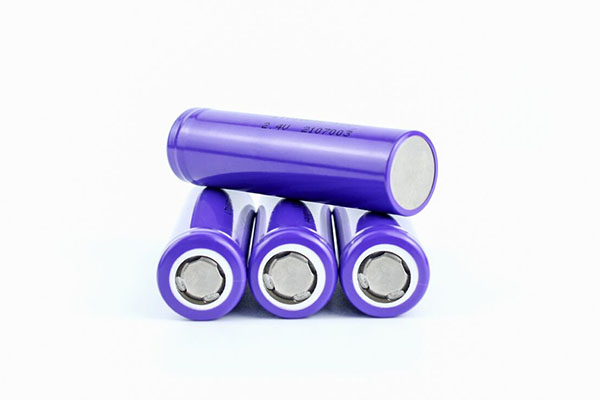
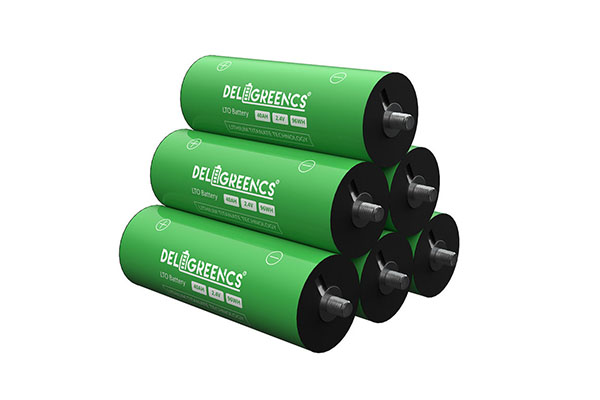
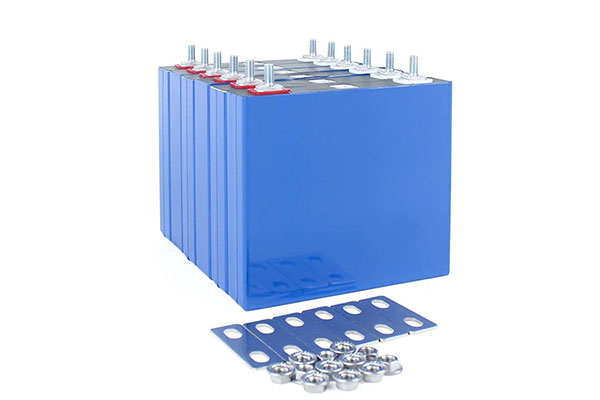
2.3V LTO cells are lithium-ion battery cells that use lithium titanate oxide (LTO) as the anode material. Compared with conventional lithium iron phosphate (LFP) and lithium nickel manganese cobalt oxide (NMC) cells, LTO cells typically have a nominal voltage of 2.3V. They are known for their fast-charging capability, long cycle life, good low-temperature performance, and relatively high safety and stability.
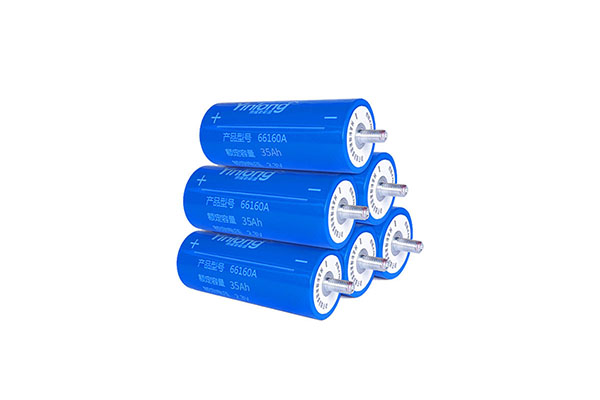
What Does the 2.3V Nominal Voltage Mean?
The 2.3V rating represents the typical nominal voltage of an LTO cell. It does not mean that the cell maintains this voltage throughout charging and discharging. The actual operating voltage range depends on the specific cell model, manufacturer specifications, and battery management system (BMS) settings.
When designing a battery pack, engineers typically connect multiple cells in series to meet the voltage requirements of the target equipment. For example, six LTO cells connected in series provide a nominal pack voltage of approximately 13.8V, making the configuration potentially suitable for certain low-voltage industrial equipment, backup power systems, and vehicle auxiliary power applications.
What Are the Main Characteristics of 2.3V LTO Cells?
Long Cycle Life and Lower Long-Term Operating Costs
LTO cells offer good structural stability and can achieve a long cycle life when operated under appropriate charging and discharging conditions. For energy storage systems, industrial equipment, and transportation applications that require frequent cycling, this characteristic can reduce cell replacement frequency and long-term maintenance costs.
Actual cycle life depends on the charge and discharge rate, operating temperature, depth of discharge, and battery management strategy. When purchasing LTO cells, buyers should carefully review the manufacturer’s cycle-life data and the testing conditions under which those figures were obtained.
Fast-Charging Capability for Improved Operational Efficiency
Fast charging is one of the key advantages of LTO cells. Some models support high charging and discharging rates, making them suitable for equipment that has limited charging time and operates frequently.
For example, industrial vehicles may use short periods of downtime to recharge, while certain public transportation systems can improve equipment utilization through opportunity-charging solutions. However, actual charging speed depends on the cell specifications, temperature, charging equipment, and BMS. It should not be determined solely by the battery chemistry.
Good Low-Temperature Performance
Compared with some other lithium-ion battery chemistries, LTO cells generally offer good adaptability to low-temperature environments. They may be suitable for certain outdoor devices, backup power systems in cold regions, and industrial applications that require a relatively wide operating temperature range.
However, low-temperature charging capability varies by model. Project designers should verify the manufacturer’s specified charging and discharging temperature ranges and determine whether additional temperature control measures are required.
Relatively High Safety and Stability
The lithium titanate anode has a relatively high lithium insertion potential, which can reduce the risk of lithium plating on the anode during normal charging. When combined with appropriate cell design and a battery management system, LTO batteries can provide a reliable safety foundation for applications involving frequent cycling and high power availability requirements.
However, this does not mean that LTO cells are completely immune to thermal runaway or other failures. Overcharging, short circuits, mechanical damage, and improper use can still create safety risks. Protective circuits, temperature monitoring, and system-level safety measures remain essential.
Which Applications Are Suitable for 2.3V LTO Cells?
Industrial Energy Storage and Backup Power
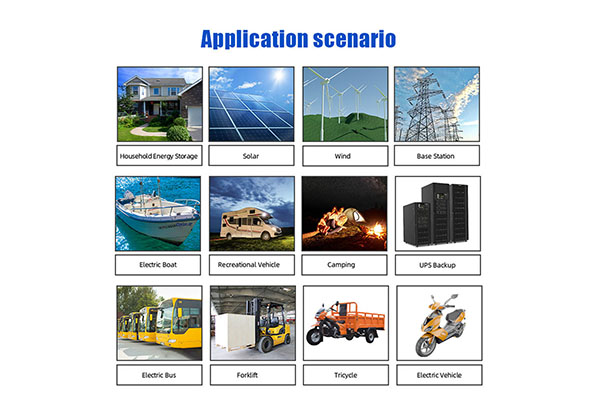
LTO cells can be used in certain industrial energy storage projects that require frequent cycling or a long service life. Potential applications include equipment backup power, selected uninterruptible power supply (UPS) systems, and critical-load power supplies.
For applications where grid fluctuations are common or equipment downtime must be minimized, project designers should evaluate power requirements, backup duration, and total life-cycle costs.
Electric Industrial Vehicles and Transportation Equipment
Automated guided vehicles (AGVs), certain electric forklifts, airport ground support equipment, and other industrial vehicles may require fast recharging and frequent cycling. LTO battery solutions can help reduce charging downtime and improve operational availability when the cell specifications match the application’s requirements.
Microgrids and Renewable Energy Systems
In microgrids that combine solar power, wind power, and energy storage, LTO cells can support short-duration power regulation, frequent charging and discharging, and selected backup power applications.
Their suitability should be evaluated based on system capacity, charge and discharge rates, installation space, and project budget.
Power Systems for Specialized Environments
LTO cells may also be suitable for certain low-temperature outdoor devices, auxiliary power systems for telecommunications equipment, and industrial control equipment that operates frequently.
When selecting cells for these applications, engineers should consider actual power consumption, required operating time, and ambient temperature. The nominal voltage alone is not sufficient to determine the appropriate battery configuration.
What Should Buyers Consider When Purchasing 2.3V LTO Cells?
Verify the Key Electrical Specifications
Before purchasing, buyers should review nominal capacity, rated voltage, charging and discharging cutoff voltages, maximum continuous charge and discharge current, internal resistance, and operating temperature range.
Cell dimensions, weight, terminal design, and connection methods should also be checked to ensure compatibility with the target equipment.
Evaluate Battery Pack Design and BMS Compatibility
The number of cells connected in series should be determined according to the target system voltage, while parallel connections should be designed to meet capacity and power requirements.
The battery management system should provide appropriate voltage, temperature, and current monitoring and protection functions to keep the cells operating within the limits specified by the manufacturer.
Compare Total Life-Cycle Costs
For industrial energy storage and high-cycle applications, the initial purchase price represents only part of the total investment. Buyers should also consider charging equipment, thermal management, system integration, maintenance expenses, and expected replacement intervals.
Comparing the total cost of ownership across different battery solutions can help businesses identify the most economical option for their specific operating conditions.
Conclusion
With their long cycle life, fast-charging potential, good low-temperature adaptability, and relatively high safety and stability, 2.3V LTO cells are suitable for selected industrial energy storage systems, backup power applications, electric industrial vehicles, and power systems operating in specialized environments.
When selecting LTO cells, buyers should evaluate the actual load, operating environment, charging conditions, and budget. Consulting the technical datasheet for the specific cell model is essential to designing a battery system that balances reliability, performance, and cost-effectiveness.