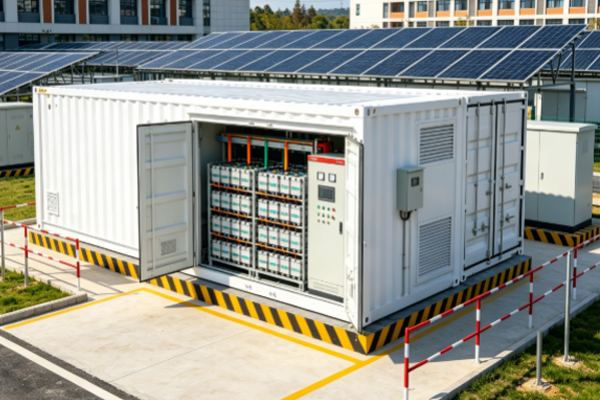
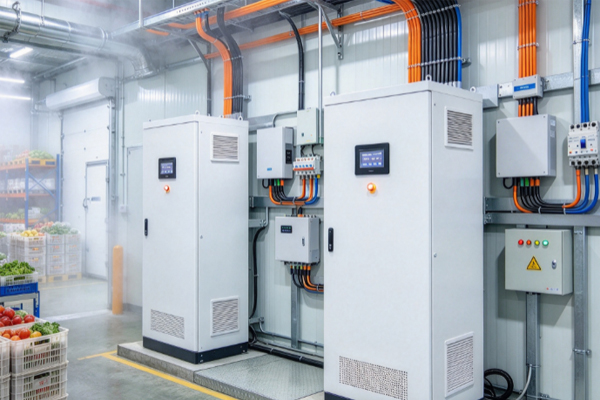
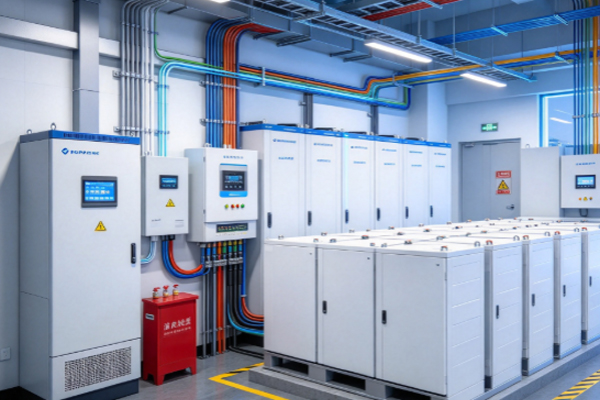
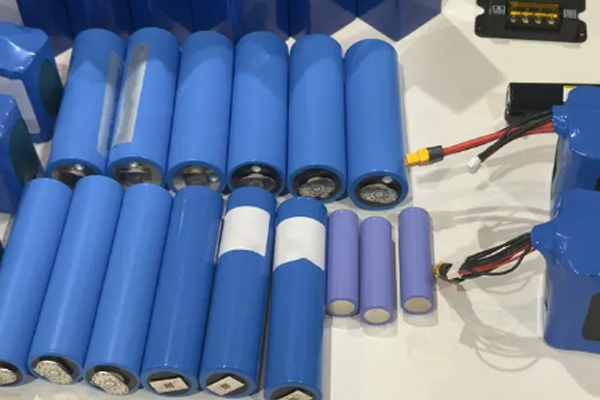
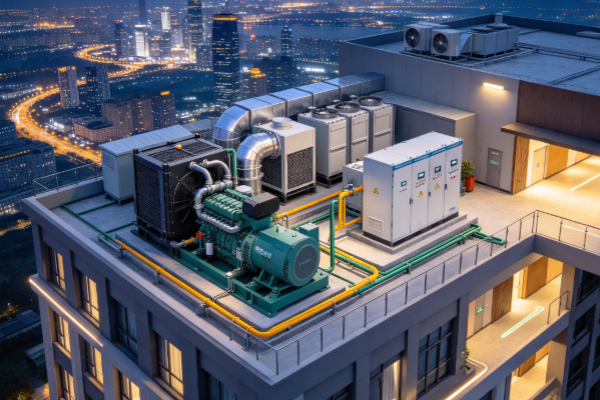
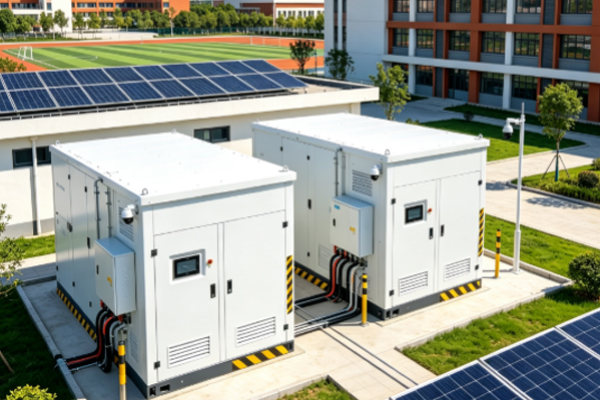
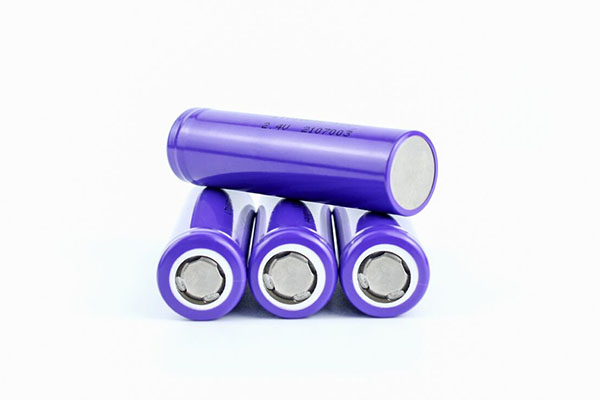
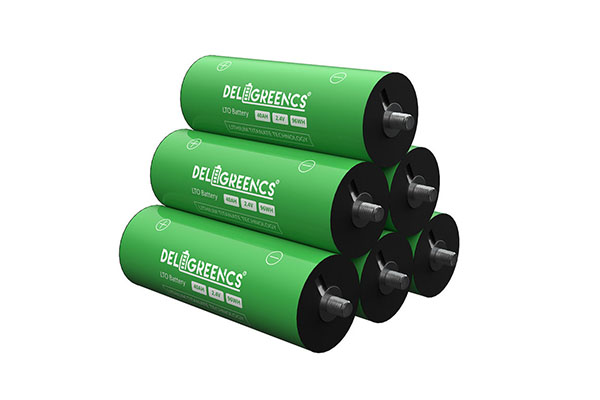
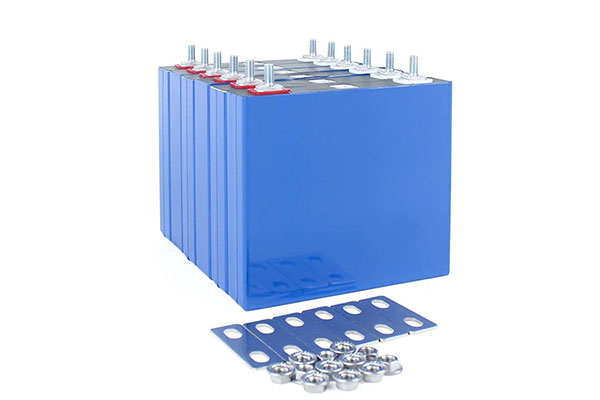
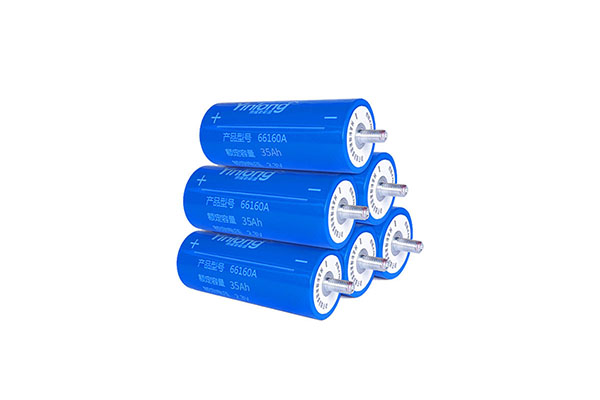
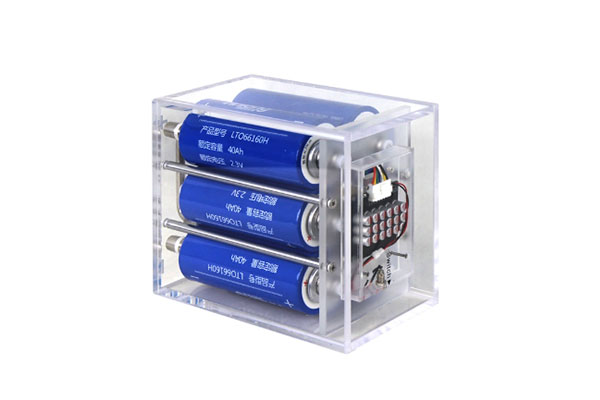
Campus electricity consumption is characterized by multiple buildings, diverse loads, and concentrated usage periods. Teaching buildings, laboratories, dormitories, cafeterias, libraries, sports facilities, and data centers often operate at the same time. Under a traditional power supply model, campuses mainly depend on the public grid. When teaching activities, air conditioning, and lighting equipment operate simultaneously during the daytime, the overall campus load can fluctuate significantly. A campus energy storage battery system can store electricity during low-load periods or electricity generated by photovoltaic systems and release it during high-load periods, providing a more flexible way to manage campus energy consumption. A comprehensive solution is not simply the installation of a group of batteries. It integrates LiFePO4 batteries with PCS power conversion systems, BMS battery management systems, EMS energy management systems, power distribution equipment, and photovoltaic equipment. This allows the energy storage system to support daily electricity management, load regulation, backup power, and renewable energy utilization. By designing the system according to campus size, load profiles, installation conditions, and future expansion requirements, schools can establish centralized or distributed energy storage architectures.
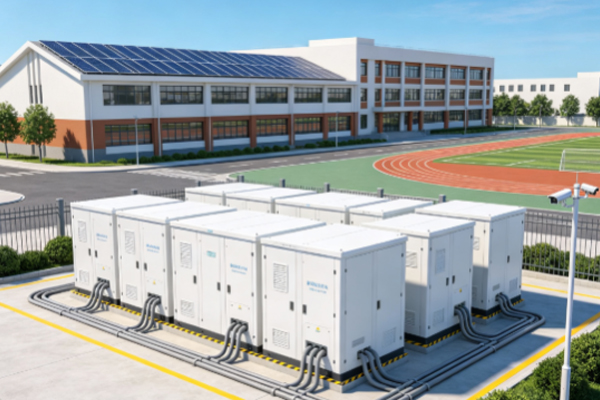
Advantages and Usage Methods of Campus Energy Storage Batteries
A campus energy storage system needs to operate continuously over many years while meeting daily charging and discharging requirements and adapting to different electricity consumption patterns during teaching days, weekends, and school vacations. LiFePO4 batteries offer stable cycling performance and can adjust charging and discharging according to changes in campus loads. When integrated with an EMS energy management system, the storage equipment can automatically perform charging, discharging, and standby tasks according to preset strategies, helping match battery capacity with campus electricity demand.
Main Advantages of LiFePO4 Batteries for Campus Energy Storage
Campus energy storage projects are generally designed for long-term operation, so battery cycle performance, safety, system compatibility, and future expansion should all be considered during project planning. LiFePO4 batteries are suitable for building long-term campus energy storage systems. Key advantages include:
- Stable cycle performance: Campus energy storage systems may experience regular charging and discharging cycles. LiFePO4 batteries are suitable for continuous cycling applications such as peak shaving, load shifting, and photovoltaic energy storage.
- Good safety performance: When combined with a BMS, the battery system can continuously monitor cell voltage, temperature, current, and SOC while providing protection against abnormal operating conditions.
- Improved energy utilization: Electricity can be stored during low-load periods and released during high-load periods, helping smooth the campus load profile.
- Compatibility with photovoltaic systems: When photovoltaic generation is high during the daytime, excess electricity can be stored in the battery and released when campus demand is high or solar generation decreases.
- Flexible modular design: Schools of different sizes can select battery cabinets or energy storage units with appropriate capacities while reserving interfaces for future expansion.
- Convenient maintenance and management: BMS and EMS systems can monitor battery operating conditions centrally, reducing manual inspection requirements and improving energy equipment management efficiency.
These characteristics allow LiFePO4 batteries to serve as more than simple energy storage devices. They can function as flexible energy regulation units within the campus power system and support daily electricity management and renewable energy utilization.
How to Use Campus Energy Storage Batteries
After the campus energy storage system is commissioned, charging and discharging strategies can be developed according to local electricity pricing structures, campus load profiles, and photovoltaic generation. For example, the battery can be charged during low-load or low-electricity-price periods and discharged during periods when teaching activities, air conditioning, and lighting create higher electricity demand. When photovoltaic equipment is installed, the EMS can determine energy flows according to real-time solar generation and campus loads. When photovoltaic output exceeds immediate demand, surplus electricity can be stored in the battery. When photovoltaic output decreases while campus demand remains high, the energy storage system can provide supplemental power. Schools can also establish different operating modes for weekdays, weekends, and summer or winter vacations to prevent unnecessary charging and discharging during low-demand periods. During operation, BMS data, PCS status, battery SOC, temperature, and alarm information should be checked regularly. Energy management strategies can then be adjusted according to actual load changes, helping the storage equipment maintain an efficient operating state.
Reference Configuration Table for Campus Energy Storage Batteries
Campus buildings, equipment, and operating schedules can differ significantly, so storage capacity should be designed according to actual load profiles. The following values can be used as references during preliminary project planning.
| Campus Size and Type | Typical Loads | Recommended Storage Capacity | Suitable Applications |
| Small Campus | Teaching buildings, offices, lighting | 50–100 kWh | Basic load regulation |
| Small to Medium Campus | Teaching buildings, libraries, cafeterias | 100–300 kWh | Peak-valley management, PV storage |
| Medium Campus | Teaching buildings, laboratories, dormitories | 300–800 kWh | Comprehensive energy management |
| Large Campus | Multiple buildings, data centers, laboratories | 800 kWh–2 MWh | Centralized storage and load management |
| Comprehensive Campus | Multiple zones and high-power loads | 2 MWh and above | Large-scale energy management and expansion |
Actual system configuration should also account for storage power, usable battery capacity, daily cycle frequency, photovoltaic capacity, transformer capacity, and future growth in campus electricity demand. This helps prevent underutilization caused by excessive capacity or insufficient regulation capability caused by undersized storage.
Application Scenarios and Core Functions of Campus Energy Storage Batteries
Campus energy storage batteries are not limited to providing backup electricity during outages. They can also participate in daily campus energy management. Air conditioning loads in teaching buildings, laboratory equipment, residential electricity consumption, and cafeteria equipment can have significantly different operating schedules. An energy storage system can adjust power according to load priority and electricity prices. For schools with rooftop photovoltaic systems, energy storage can also increase the local utilization of renewable electricity and reduce situations where photovoltaic generation cannot be fully utilized because immediate campus demand is insufficient.
Energy Storage Applications in Teaching Buildings, Laboratories, and Campus Data Centers
Teaching buildings typically have distinct weekday load characteristics, with electricity demand potentially increasing during class periods, morning and evening operating periods, and times when air conditioning systems are heavily used. Energy storage batteries can respond to these load changes and help smooth electricity consumption. Laboratories often contain precision instruments, testing equipment, ventilation systems, and control equipment that require stable electricity. The energy storage system can work with power quality equipment and UPS systems to provide a more stable electrical environment for critical equipment. Campus data centers operate servers, network switches, storage systems, and communication equipment for extended periods. An energy storage system can be integrated with UPS equipment to establish a multi-level power architecture. Under normal conditions, the energy storage system participates in energy management. During grid abnormalities, it can provide backup support for critical loads according to predefined priorities. This allows the energy storage system to serve both daily energy management and the continuity requirements of critical campus infrastructure.
Energy Storage Applications for Dormitories, Cafeterias, and Public Facilities
Student dormitories, cafeterias, sports facilities, and campus public areas have electricity consumption patterns that differ from those of teaching buildings. Properly configured energy storage can provide more flexible control over these loads. The system can establish independent or zoned operating strategies according to building functions:
- Student dormitories: Energy storage strategies can be developed for domestic hot water systems, common-area lighting, elevators, network equipment, and shared air conditioning systems, with stored power supplied during high-demand periods.
- Campus cafeterias: The system can coordinate kitchen equipment, refrigeration and freezing equipment, lighting, and ventilation according to their operating schedules while maintaining normal cafeteria operations.
- Sports facilities: Gymnasiums, sports fields, and activity centers may experience short periods of high electricity demand during major events. Energy storage can help reduce temporary power pressure during these periods.
- Libraries and public buildings: Energy storage operation can be adjusted according to opening hours and visitor patterns, with stored electricity released during high-demand periods.
- Campus charging facilities: Electric vehicle chargers and other charging equipment can create concentrated electricity demand. Energy storage can coordinate charging schedules and power levels.
- Campus public lighting: Road, landscape, and public-area lighting generally follows predictable schedules and can be incorporated into centralized EMS management.
Dividing loads according to building functions allows stored energy to be used more efficiently while reducing the impact of a single operating strategy on the entire campus energy system.
Core Functions of Campus Energy Storage Battery Systems
A complete campus energy storage system needs to provide battery management, energy scheduling, operational monitoring, and safety protection while developing automated operating strategies based on campus electricity consumption patterns. Core functions include:
- Peak shaving and load shifting: The EMS controls battery charging and discharging according to campus loads and electricity prices, reducing grid dependence during high-demand periods.
- Photovoltaic energy utilization: Surplus solar electricity can be stored and released when photovoltaic output is insufficient, increasing local renewable energy utilization.
- Load regulation: Battery output can be adjusted according to changes in building loads to help smooth the overall campus load profile.
- Smart energy management: The EMS can combine electricity prices, load demand, photovoltaic generation, and battery SOC to develop automated operating strategies.
- Battery condition monitoring: The BMS continuously monitors voltage, current, temperature, SOC, and other key parameters while recording abnormal conditions.
- Operational data management: Charging and discharging energy, operating time, alarms, and other information can be recorded for campus energy management.
- Zoned energy management: Large campuses can establish different energy strategies for teaching areas, residential areas, laboratory zones, and public facilities.
- Backup power support: During grid abnormalities, the system can provide backup electricity for designated critical loads according to the system design.
These functions allow campus energy storage batteries to work together with existing distribution systems, photovoltaic equipment, and campus energy management platforms, transforming the battery system from a single energy storage device into an important component of an integrated campus energy system.
Performance, Safety, and Long-Term Operation Design of Campus Energy Storage Batteries
Campus energy storage systems are normally expected to operate for many years. Performance design should consider more than rated capacity. Charging and discharging power, cycle life, temperature control, system response, parallel operation, and installation conditions should also be considered. Large schools can use multiple battery cabinets or energy storage containers to form a modular system. PCS equipment can convert between DC and AC power, while the EMS coordinates energy flows according to actual campus loads. Installation locations should meet requirements for protection, ventilation, inspection, and fire safety. Space should also be reserved for adding battery modules and power conversion equipment in the future.
Performance, Safety, and Maintenance Design of Campus Energy Storage Batteries
A reliable campus energy storage system requires a coordinated configuration covering battery performance, system safety, and long-term management:
- Capacity and power matching: Battery capacity and PCS power should be selected according to the actual campus load profile to prevent significant mismatches between storage capacity and output capability.
- Cycle life design: LiFePO4 batteries suitable for long-term cycling should be selected according to the expected daily charging and discharging frequency, while the operating SOC range should be properly managed.
- BMS protection: Cell voltage, temperature, current, and SOC should be continuously monitored, with alarms and protective actions triggered when abnormal conditions occur.
- Thermal management: Appropriate cooling or temperature control should be configured according to battery cabinet capacity and the installation environment.
- Electrical safety protection: Circuit breakers, fuses, isolation devices, grounding systems, and necessary surge or lightning protection should be included to improve system safety.
- EMS energy scheduling: Load demand, electricity prices, photovoltaic generation, and battery status can be used to establish operating strategies and optimize system performance based on actual data.
- Modular expansion: As campus buildings and equipment increase, additional battery modules and PCS units can be added according to the expansion capacity of the original system.
- Remote monitoring: Facility managers can use a monitoring platform to view battery SOC, power, temperature, alarms, and historical operating data.
- Regular maintenance: Battery connections, electrical distribution equipment, thermal management systems, communication lines, and software operation should be inspected according to the manufacturer’s requirements, with regular system performance tests.
Proper performance design can support stable long-term operation, while comprehensive safety protection and maintenance mechanisms help maintain system availability. Through coordinated integration of LiFePO4 batteries, BMS, PCS, EMS, and power distribution equipment, schools can establish an integrated energy storage system that supports daily energy management, photovoltaic utilization, load regulation, and backup power, while providing an expandable foundation for future campus energy requirements.