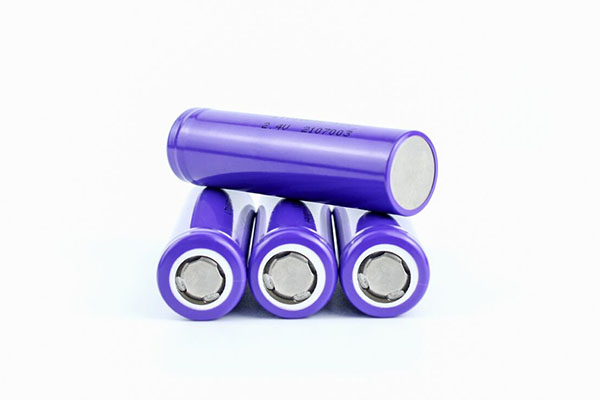
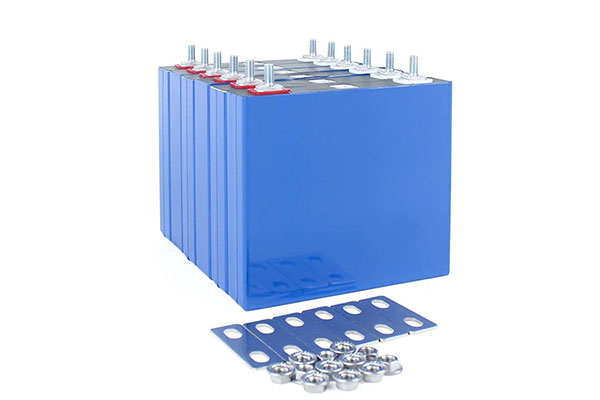
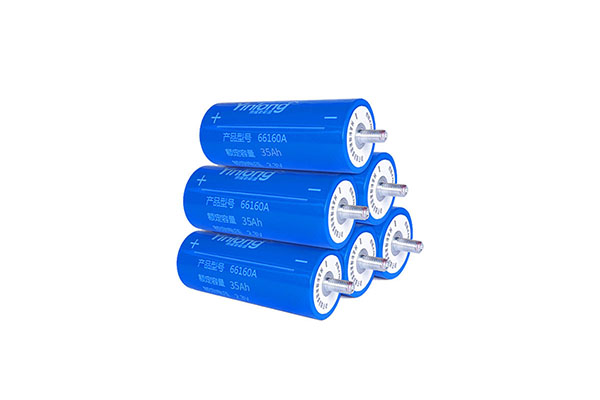
LTO batteries are widely used in industrial equipment, energy storage systems, automated transport equipment, and backup power applications because of their long cycle life, fast-charging capabilities, and favorable low-temperature performance. However, a long design life does not mean that batteries can operate indefinitely without maintenance. Charging methods, operating temperature, depth of discharge, and battery management system (BMS) performance all affect long-term battery reliability. Proper maintenance helps preserve battery performance and reduce overall operating costs.
Manage Charging and Discharging to Minimize Battery Degradation
Use a Compatible Battery Charger
LTO batteries have different nominal voltage characteristics and charging requirements from other lithium-ion battery chemistries. Standard lithium-ion charging settings should not be applied without verifying compatibility. Always select a charger that matches the specifications provided by the cell or battery pack manufacturer, including charging voltage, current, and termination conditions.
Even when an LTO battery supports fast charging, it does not need to operate at its maximum charging rate every time. If the equipment’s operating schedule allows, using a lower charging rate can help control heat generation and reduce thermal management demands.
Avoid Discharging Below the Specified Limits
Although LTO batteries generally offer good cycle performance, excessive discharge can still affect cell condition and, in severe cases, cause battery imbalance or damage. Equipment should use an undervoltage protection setting based on the minimum operating voltage specified by the manufacturer to prevent continued operation below the permitted threshold.
For equipment that undergoes frequent charging and discharging, an appropriate energy management strategy can help avoid repeatedly discharging the battery to its minimum permitted level when this is unnecessary.
Manage Temperature for Stable Battery Operation
Avoid Prolonged Exposure to High Temperatures
Temperature is an important factor affecting battery aging. Despite the favorable thermal stability of LTO batteries, prolonged operation at high temperatures can accelerate the aging of electrolytes and other battery materials. It may also affect the reliability of seals and battery management components.
Keep batteries away from continuous heat sources and provide suitable ventilation or cooling according to system power, installation space, and ambient temperature. For energy storage cabinets and industrial battery packs, regularly inspect cooling channels for obstructions and ensure that temperature monitoring devices function correctly.
Adjust Charging and Discharging for Low-Temperature Conditions
LTO batteries generally offer favorable low-temperature performance, but individual cell models still differ in their low-temperature charging capabilities, discharge performance, and available capacity. In cold environments, follow the specified operating temperature range and use a preheating system or adjust the charging current when necessary.
The low-temperature characteristics of LTO batteries should not be interpreted as permission to fast-charge every model at extremely low temperatures.
Regularly Inspect Battery Condition and BMS Performance
Monitor Voltage, Temperature, and Current
A BMS monitors battery operating parameters and can activate protective measures when overvoltage, undervoltage, overcurrent, or temperature abnormalities occur. During routine maintenance, pay attention to cell voltage differences, charging and discharging currents, temperature changes, and alarm records.
If the battery pack frequently triggers protection mechanisms, experiences abnormal temperature increases, or shows a significant decline in capacity, investigate the cause promptly.
Inspect Connections and Physical Condition
For industrial energy storage equipment and battery packs operating over extended periods, regularly inspect connectors, cables, and mounting structures for looseness, corrosion, damage, or abnormal heating.
If the battery casing shows swelling, leakage, cracks, or other abnormalities, stop using the battery and contact qualified professionals. Do not attempt to disassemble the battery yourself.
Optimize Usage Habits to Reduce Long-Term Operating Costs
Develop a Maintenance Plan Based on Actual Loads
Battery usage varies significantly between applications. AGVs and industrial material-handling equipment may undergo multiple charge-discharge cycles every day, while backup power systems may remain on standby for extended periods.
Maintenance schedules should reflect cycle frequency, operating hours, environmental conditions, and equipment loads rather than relying on a universal inspection interval.
Track Capacity Changes and Cycle Data
Maintaining battery operating records helps users monitor capacity, cycle counts, temperature, and fault history. Comparing data over time makes it easier to identify performance changes early and supports decisions about maintenance, capacity expansion, or battery replacement.
Choose the Right LTO Battery Solution to Extend Service Life
Actual battery service life depends not only on routine maintenance but also on cell quality, battery pack design, BMS configuration, and operating conditions. When purchasing LTO batteries, focus on cycle life test conditions, permitted charging and discharging rates, operating temperature range, warranty terms, and system integration capabilities. Avoid evaluating battery quality solely on advertised cycle counts.
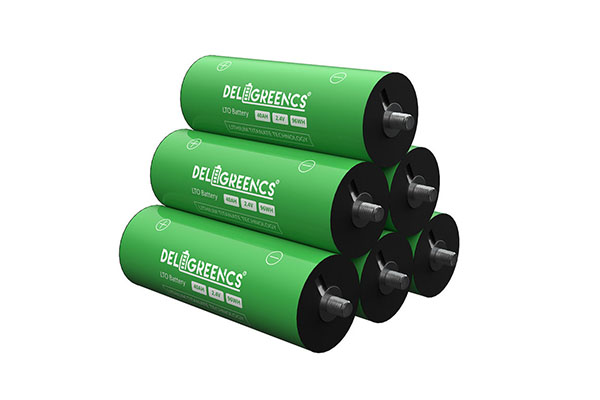
DeliGreen can be considered as one supplier of LTO battery solutions. For high-frequency charging and discharging, industrial energy storage, or backup power projects, select battery specifications according to actual loads and operating environments, and establish a standardized operation and maintenance plan.
Through proper charging and discharging practices, temperature management, regular inspections, and performance data tracking, users can make better use of the long-life advantages of LTO batteries.