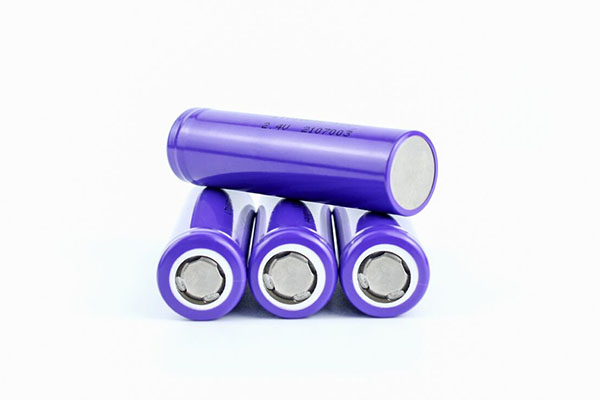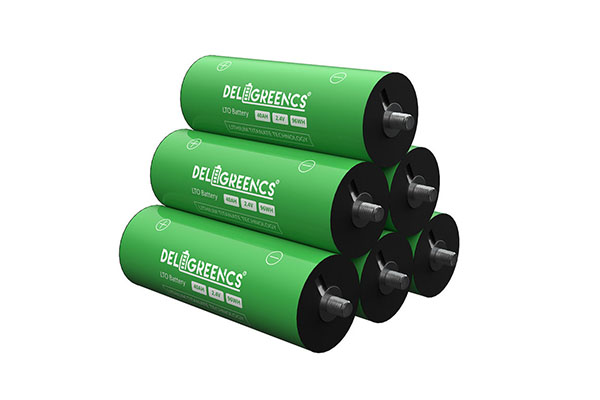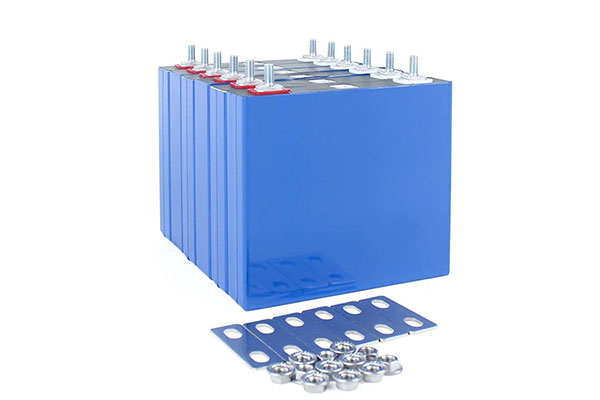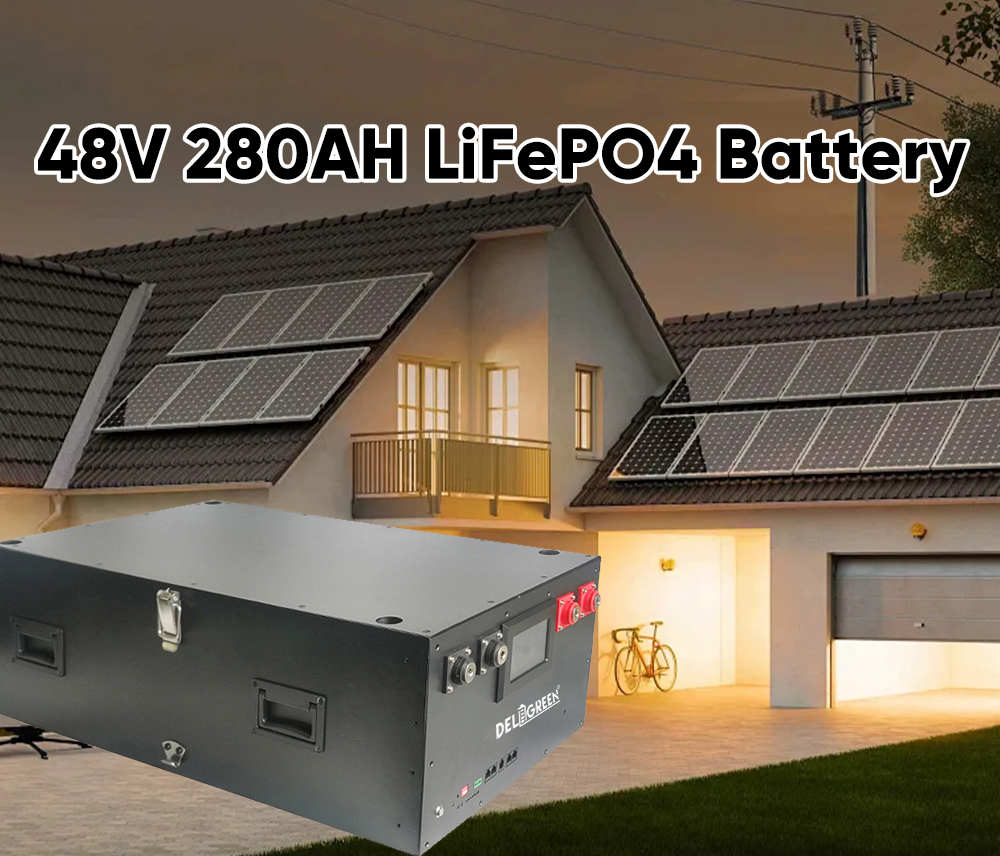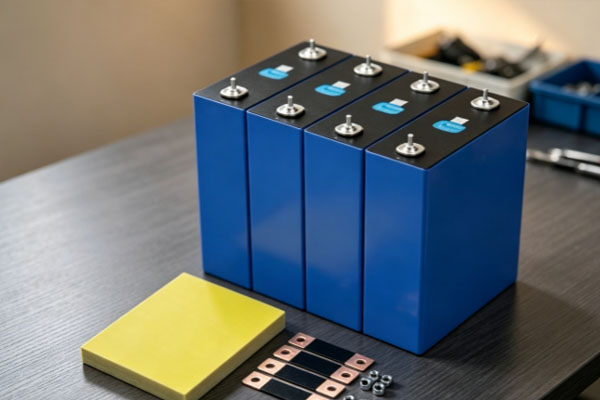
Used deep-cycle lithium batteries should not be discarded directly as ordinary household waste. Deep-cycle lithium batteries usually have a relatively large energy storage capacity. Even when they can no longer provide stable power for equipment, residual electrical energy may still remain inside the battery. After being compressed, punctured, short-circuited, exposed to high temperatures, or improperly dismantled, they may present safety risks such as abnormal heating, smoke, or even fire. Deep-cycle lithium batteries are commonly used in energy storage power systems, RVs, golf carts, boats, low-speed electric vehicles, backup power supplies, and some industrial equipment. After long-term charging and discharging, battery capacity gradually decreases, internal resistance may increase, and the BMS, cells, or connection components may also develop faults.
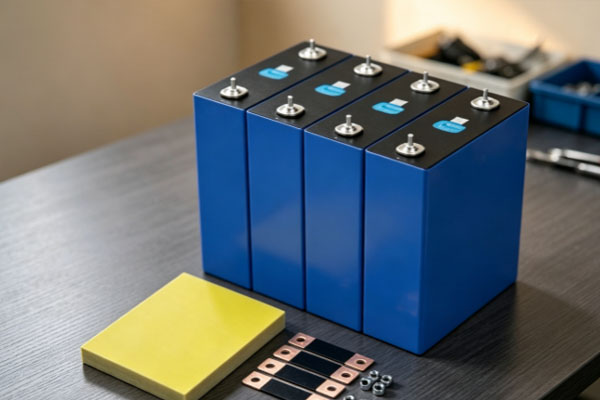
When a battery can no longer meet the operating requirements of the original equipment, it enters the retired or end-of-life processing stage. Even if the equipment can no longer start, this does not mean that the battery contains absolutely no remaining charge. If a battery is mixed with ordinary waste for a long period, collisions during transportation, compression, or transfer may create a short-circuit risk. Batteries also contain copper, aluminum, and other materials with recycling value. After professional inspection and processing, some batteries may still qualify for second-life applications. Therefore, used deep-cycle lithium batteries are better handled through professional recycling channels, where qualified companies can carry out sorting, inspection, and subsequent processing.
Why Can Used Deep-Cycle Lithium Batteries Not Be Discarded Directly?
Residual Charge May Still Create a Short-Circuit Risk
After multiple discharge cycles, a deep-cycle lithium battery may no longer allow the equipment to operate normally, but the cells are not necessarily completely discharged. In particular, high-capacity battery packs may consist of multiple cells connected in series or parallel, meaning that the battery pack can still retain a certain voltage. If a used battery is placed directly into an ordinary waste bin, it may later be subjected to handling, compression, loading, unloading, and waste processing. Contact between external metal objects and the positive and negative terminals may create a short circuit. If the battery casing has already been damaged, the risk may increase further.
Damaged Batteries Should Not Be Handled Independently
Common abnormal conditions in used deep-cycle lithium batteries include:
- The battery casing has obvious swelling, cracks, or deformation;
- Charging takes unusually long, while operating time is significantly reduced;
- The battery temperature rises significantly during operation;
- The battery shows leakage, unusual odors, smoke, or other abnormal conditions;
- The battery terminals, connecting wires, or BMS are damaged;
- The battery cannot charge or discharge normally after being stored for a long period.
When these conditions occur, continued charging, repeated testing, or self-dismantling is not recommended. In particular, batteries that are swollen, severely deformed, or generating abnormal heat should not be recharged simply to determine whether they can still be used.
Used Batteries Still Have Resource Recycling Value
Battery retirement does not mean that all materials inside the battery have lost their value. Professional recycling companies generally inspect and classify batteries according to their type, specifications, material composition, overall condition, and quantity before determining the appropriate processing method. Some batteries in relatively good condition may be further evaluated to determine whether they are suitable for second-life applications. Batteries that can no longer be used can enter a resource recovery process. Professional recycling helps reduce the waste of recyclable materials caused by improper disposal.
How Should Used Deep-Cycle Lithium Batteries Be Handled?
Check Whether the Battery Is Intact and Whether Abnormal Conditions Exist
Before handing used batteries to a recycling organization, the appearance can be inspected and basic information can be recorded. This may include the battery brand, model, rated voltage, capacity, quantity, service period, and current fault condition. If the battery only has reduced capacity or shorter operating time while the casing remains intact without swelling, leakage, or obvious heating, this information can be provided to the recycling company for further professional inspection. If the battery has obvious damage, this condition should be reported to the recycling organization in advance. Different battery conditions may require different safety measures during temporary storage, handling, and transportation.
Classify Intact Batteries and Abnormal Batteries Separately
Used deep-cycle lithium batteries should not simply be stored together without classification. Normal retired batteries, faulty batteries, and severely damaged batteries have different conditions and may require different subsequent handling procedures. When a company generates dozens or even hundreds of used lithium batteries at one time, proper classification becomes even more important. Records can be established according to battery type, specifications, condition, and quantity to prevent different models and conditions from being mixed together for long periods. Batteries with swelling, leakage, damage, or abnormal heating should be separately identified and should not be recharged or dismantled independently. If a battery shows smoke, significant temperature increases, or other emergency abnormalities, safety measures should be prioritized and professional personnel should be contacted for handling.
Do Not Dismantle Cells or Battery Packs Yourself
When handling used batteries, some users may attempt to open the casing with tools and remove cells, copper sheets, or other materials. This method is not suitable for ordinary users. Deep-cycle lithium batteries may contain multiple cells connected in series, a BMS, electrical connectors, and insulation materials. If a tool accidentally contacts the positive and negative terminals during dismantling, a short circuit may occur. Cells may also present safety risks if they are punctured or compressed. When a battery has reached the end of its service life, it is more appropriate to send it to a professional recycling company for further dismantling and resource recovery instead of breaking it open independently.
What Should Companies Consider When Recycling Used Deep-Cycle Lithium Batteries?
Companies With Large Quantities of Used Batteries Should Maintain Recycling Records
Companies using energy storage batteries, industrial power supplies, vehicle batteries, or backup power systems may continuously generate used deep-cycle lithium batteries. Compared with handling batteries individually, batch recycling is more suitable for establishing a standardized registration process. Records can include battery model, rated voltage, rated capacity, quantity, service life, reason for retirement, and current condition. Batteries with swelling, damage, leakage, or other abnormalities should also be recorded separately. This information can help recycling companies determine the battery type and processing requirements in advance while supporting the company’s internal management of used materials.
Recycling Prices Depend on the Actual Battery Condition
There is no fixed recycling price for used deep-cycle lithium batteries. Actual prices are generally affected by factors such as battery type, material composition, specifications, weight, quantity, overall condition, and market conditions. For example, even when both are 48V deep-cycle lithium batteries, an intact battery pack and separately dismantled cells may require different processing methods. Normal retired batteries and severely damaged batteries may also differ during the recycling process. When requesting a recycling quotation, it is better to provide the exact battery model, quantity, photos, specifications, and current condition. More complete information makes it easier for the recycling company to conduct a preliminary assessment.
Transportation Requirements for Used Batteries
Used lithium batteries may be affected by vibration, impact, and temperature changes during transportation, so they should not simply be transported in the same way as ordinary waste paper or scrap metal. For larger quantities of used batteries, packaging, loading, unloading, transportation, and receiving requirements should be confirmed in advance. Batteries with obvious damage should also be reported to the recycling company beforehand to reduce potential safety risks during transportation. Companies that regularly generate used deep-cycle lithium batteries can establish stable recycling channels with professional recycling companies, classify batteries according to type and condition, and then arrange inspection, valuation, and subsequent processing.
Frequently Asked Questions
Q: If a deep-cycle lithium battery is completely discharged, can it be put directly into a garbage bin?
A: It is not recommended. The fact that the equipment cannot start does not prove that the battery contains absolutely no residual charge. In particular, high-capacity deep-cycle lithium batteries should be handled according to used lithium battery recycling requirements rather than mixed directly with ordinary household waste.
Q: Can used deep-cycle lithium batteries be discarded directly after being stored for several months?
A: Long-term storage should not be used as a basis for determining that a battery is safe to discard. Lithium batteries may experience over-discharge, capacity degradation, or internal faults after prolonged storage. If the battery casing remains intact, a professional recycling channel can be contacted for evaluation. If swelling, leakage, or deformation has occurred, the battery should not be handled independently.
Q: Can swollen deep-cycle lithium batteries still be recycled?
A: They can generally still enter a professional processing procedure, but the recycling company should be informed in advance that the battery is swollen. Swollen batteries should not be recharged, squeezed, punctured, or opened independently. A recycling company can arrange subsequent processing according to the battery’s condition.
Q: Do used deep-cycle lithium batteries have recycling value?
A: They generally have some recycling value. Copper, aluminum, and other materials inside the battery can enter professional resource recovery processes. Some batteries that still meet relevant performance requirements may also enter second-life applications after inspection. The specific recycling value depends on the model, weight, quantity, battery condition, and market conditions.
Q: Can multiple used lithium batteries with different models be stored together?
A: Long-term mixed storage is not recommended. Batteries with different voltages, capacities, structures, and conditions should be managed separately. Batteries with damage, swelling, leakage, or abnormal heating require additional identification and separate handling.
Q: Can I dismantle used deep-cycle lithium batteries myself and sell the materials?
A: Self-dismantling is not recommended. Lithium batteries contain cells and electrical connection structures, and short circuits, punctures, and other safety issues may occur during dismantling. When battery materials need to be recycled, it is more appropriate to contact a professional used lithium battery recycling company and allow qualified personnel to handle the subsequent processing.
Used deep-cycle lithium batteries should not be treated as ordinary waste simply because they can no longer be used normally. Reduced capacity, shorter operating time, or an inability to start equipment only indicate that the battery is no longer suitable for its original application. They do not prove that the battery contains no residual electrical energy or that the internal cells are free from abnormalities. When handling used deep-cycle lithium batteries, the battery model, specifications, quantity, and current condition can first be confirmed. The batteries can then be classified according to whether they are intact, swollen, leaking, or showing abnormal heating. Normal retired batteries can be sent to professional organizations for inspection to determine whether they remain suitable for further use. Batteries that are damaged or have reached the end of their service life can enter professional recycling and resource recovery processes.
For companies that use energy storage batteries, vehicle batteries, and industrial power supplies over the long term, establishing a dedicated used battery recycling process is recommended. Recording battery classifications, quantities, specifications, and conditions before contacting a professional recycling company for inspection and quotation can reduce risks associated with improper storage and self-dismantling while improving the recovery efficiency of recyclable materials. If your company currently has used deep-cycle lithium batteries, retired energy storage batteries, used LiFePO4 batteries, or large quantities of lithium batteries requiring processing, you can provide the battery model, quantity, weight, specifications, and current condition. Professional recycling personnel can evaluate the actual situation and further determine the appropriate recycling method and processing solution.