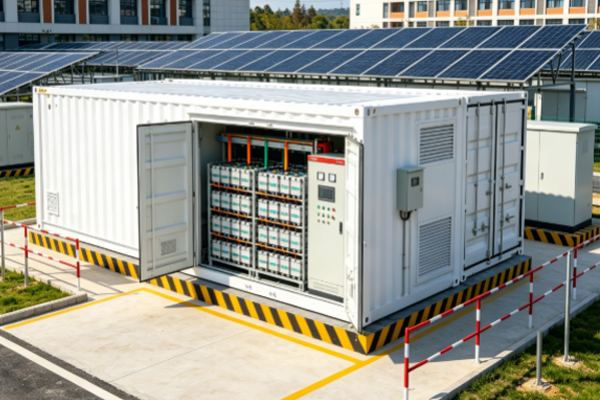
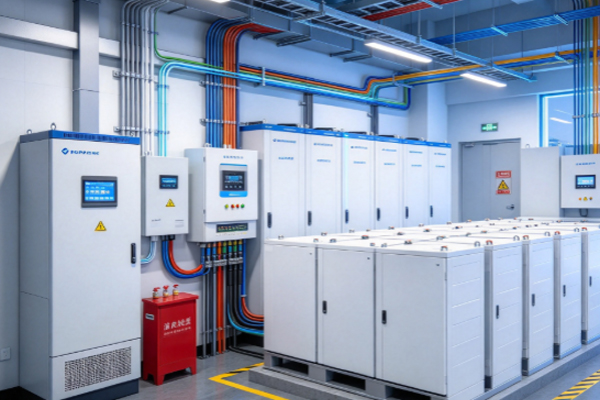
Putting crops into cold storage does not mean the job is done. The real concern starts when the power suddenly goes out. During hot weather, a refrigeration system can lose cooling capacity quickly after a shutdown, putting fruits, vegetables, meat, and other stored products at risk. For farms with refrigerated or frozen storage, farm battery storage can take over critical cooling loads during a grid outage and store excess solar power for later use. The right battery size depends on how much electricity the cold storage system needs and how long it needs to keep running.
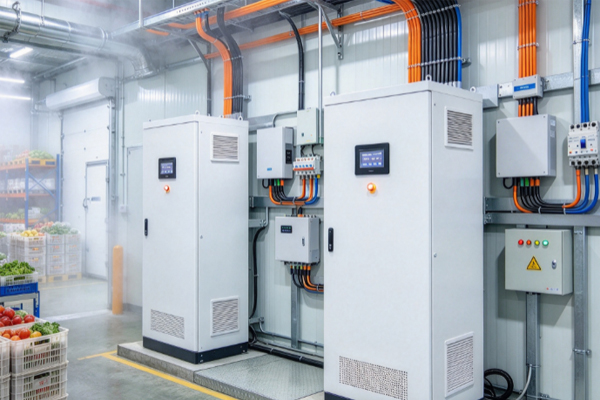
Why Does a Cold Storage Facility Need a Backup Battery?
The main job of a cold storage facility is to maintain a stable temperature, while the refrigeration system needs a continuous supply of electricity. When the grid is working normally, this is easy to manage. But during a sudden outage, compressors, fans, and control equipment can stop at the same time, leaving the cold storage system without active cooling. A backup battery provides power to the critical refrigeration equipment during this period.
Which Cold Storage Equipment Needs to Keep Running During a Power Outage?
Not every device inside a cold storage facility needs to be connected to the backup power system. The battery should prioritize equipment that directly affects temperature control. This reduces the load on the energy storage system and keeps the available power focused on essential equipment.
- Refrigeration compressor: The compressor produces the main cooling effect and is one of the most important loads in a cold storage backup power system.
- Evaporator and condenser fans: These fans support air circulation inside the cold room and heat dissipation in the refrigeration system, with their operation adjusted to the actual cooling conditions.
- Temperature control and alarm equipment: Temperature sensors, controllers, and alarm devices use relatively little power but need to remain operational so that changes in storage temperature can be detected quickly.
Once these critical devices are placed on a dedicated backup circuit, the battery does not need to be sized for every electrical load in the facility. Non-essential loads such as lighting and office equipment can be switched off during an outage.
What Can a Battery Do for a Cold Storage Facility During a Power Outage?
A backup battery is not necessarily intended to keep the entire cold storage facility operating exactly as it would under normal grid conditions. Its main job is to keep critical refrigeration equipment running and slow down temperature changes while waiting for the grid to recover or another backup power source to start.
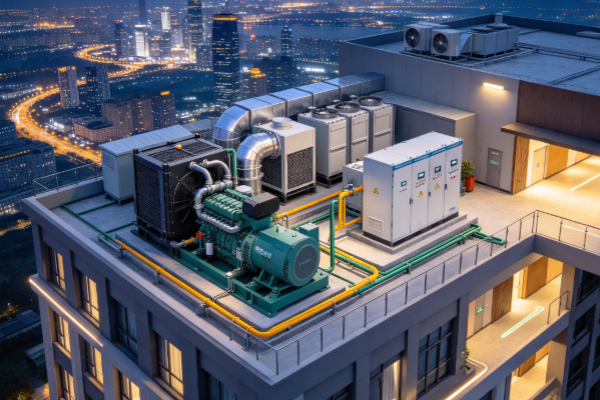
If power outages in the farm’s area normally last only a few hours, the battery can be sized around that period of refrigeration demand. If longer outages are common, the system may need additional storage capacity or a combination of battery storage with a diesel generator or solar power system.
How Do You Calculate Battery Capacity for Cold Storage Refrigeration?
Choosing the right LiFePO4 battery for a cold storage facility is not simply a matter of looking at the size of the building or choosing a certain number of amp-hours. Compressor power, actual operating time, backup duration, and system efficiency all affect the required battery capacity.
How Many kWh of Farm Battery Storage Does a Cold Storage Facility Need?
A simple formula can be used for an initial estimate:
Required battery capacity ≈ Average power of critical loads × Backup time ÷ System efficiency
Suppose the critical equipment in a cold storage facility has an average operating load of 2kW and needs to run for 5 hours during a power outage. The theoretical energy requirement would be around 10kWh, while the actual battery capacity should include an appropriate reserve.
- Check the average power: The compressor may stop for periods after reaching the set temperature, so the average load is not necessarily equal to its rated power throughout the entire period.
- Check the backup time: Whether the battery needs to support the system for 2 hours, 6 hours, or longer will have a direct impact on the required storage capacity.
- Check system efficiency: The inverter and wiring cause some energy losses, so the battery’s rated capacity should not be treated as the exact amount of electricity available to the cold storage system.
After making an initial estimate, the capacity can be adjusted using actual operating data from the cold storage facility. For an existing facility, recording real electricity consumption over a period of time can provide more useful information than relying only on equipment nameplates.
Why Does Cold Storage Battery Storage Need to Consider Discharge Power?
Battery capacity determines how much energy can be stored, while discharge power determines whether the equipment can actually start and operate properly. Cold storage compressors are motor-driven loads and may require significantly higher current during startup. If the battery or inverter cannot provide enough output power, the compressor may fail to start even when plenty of energy remains in the battery.
| Cold Storage Load | Power Characteristics | Battery Parameters to Check |
| Compressor | High startup power | Peak discharge, inverter power |
| Condenser fan | Continuous or intermittent operation | Continuous discharge capability |
| Evaporator fan | Operates with the refrigeration system | Output stability |
| Temperature control system | Long-term low-power operation | Capacity, stability |
| Monitoring and alarms | 24/7 operation | Low-power runtime |
When selecting a battery storage system for cold storage, it is not enough to ask how many kWh the battery provides. The compressor’s startup requirements also need to be included. For higher-power refrigeration systems, the battery and inverter should be matched as a complete system.
How Should Solar Power and Cold Storage Batteries Work Together?
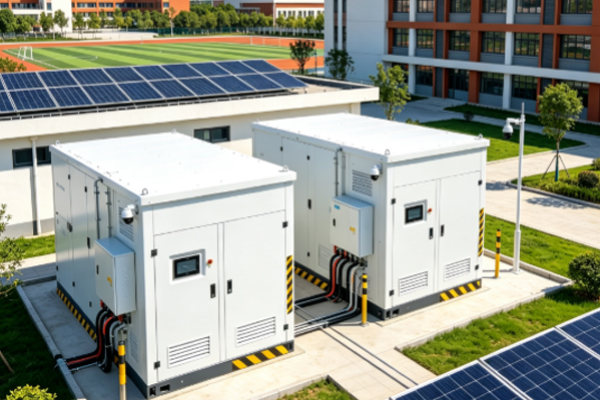
If a farm already has a solar power system, the cold storage battery does more than provide backup power during an outage. Solar energy can supply the refrigeration equipment directly during the day, while unused energy can be stored in the battery and released later at night. This gives the battery a useful role in everyday farm energy management.
How Can Solar Power Supply a Cold Storage Refrigeration System?
Cold storage facilities usually have noticeable cooling loads during the day, while solar panels also produce most of their electricity during daylight hours. This makes it possible to use solar power directly for compressors, fans, and other operating equipment.
- Use solar power directly: Solar generation can first meet the cold storage facility’s current refrigeration demand.
- Charge the battery with excess power: When solar generation exceeds the real-time load, the surplus electricity can be stored in the battery.
- Use stored energy at night: After solar generation stops, the battery can supply part of the refrigeration load and reduce electricity consumption from the grid.
This setup can be particularly useful for agricultural cold storage facilities that require cooling every day. The battery is not only reserved for occasional power outages but can also be used as part of the farm’s daily energy system.
Why Is LiFePO4 Battery Technology Suitable for Farm Cold Storage?
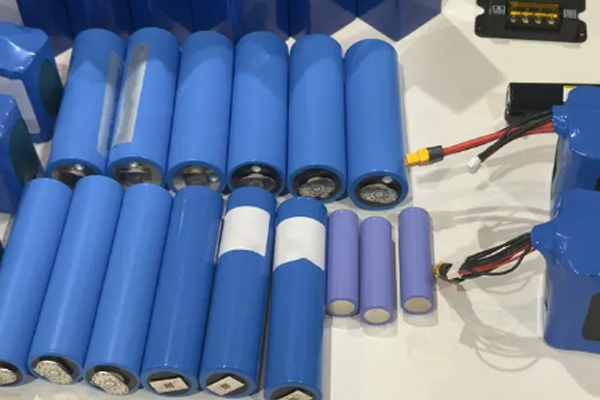
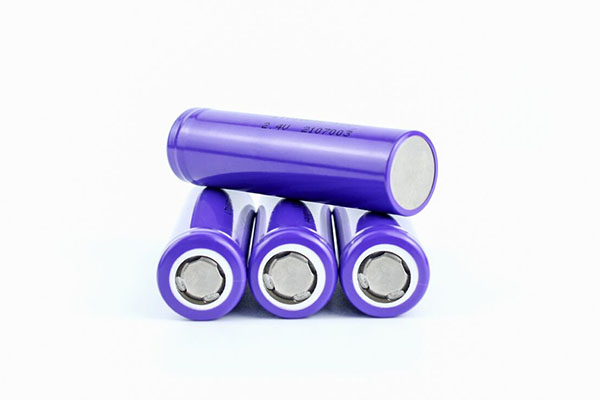
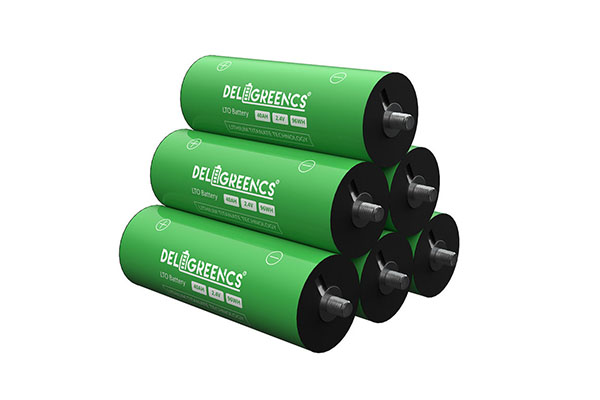
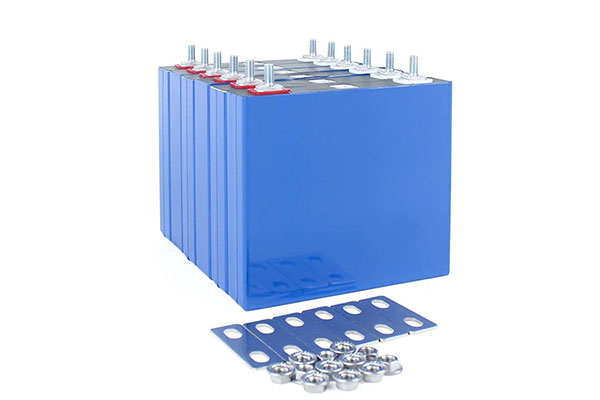
Cold storage energy systems may require frequent charging and discharging. For long-term operation, cycle performance, BMS protection, and system stability are important considerations. LiFePO4 batteries are widely used in energy storage applications and can be configured into battery packs with different capacities to suit the actual electricity demand of a cold storage facility.
A small refrigerated storage room may use a smaller 48V battery system, while a larger facility can increase total storage capacity by adding battery modules. For modular systems, it is also important to confirm that the batteries support parallel connection and that BMS communication is compatible with the inverter.
How Can a Crop Storage Cooling Battery Be Customized?
Different agricultural products require different storage temperatures, and refrigerated storage has different cooling requirements from frozen storage. Compressor models, installation space, and expected outage duration can also vary from one farm to another. Using a standard battery specification without checking these conditions may result in poor capacity, installation, or system compatibility. Providing the actual cold storage parameters to the battery manufacturer makes it easier to develop a suitable solution.
What Information Is Needed to Customize a Cold Storage Battery?
There is no need to prepare an overly complicated set of documents. A few key pieces of information are usually enough for a battery manufacturer to evaluate the required configuration.
- Refrigeration equipment power and model: Provide the nameplate information for compressors, fans, and other major equipment to help determine operating and startup requirements.
- Daily operating time: Indicate how long the refrigeration system normally operates each day and whether operating time increases during hot weather.
- Required backup duration: Specify how many hours the cold storage system should continue operating during a power outage to establish a clear capacity target.
- Solar and inverter specifications: If the farm already has solar power, provide the main system specifications to determine how the battery should be integrated.
- Battery installation dimensions: Provide the available dimensions of the equipment room, battery cabinet, or other installation area so the battery structure can be designed accordingly.
Once these details are confirmed, the battery manufacturer can further configure the voltage, capacity, BMS, discharge current, and communication system. If the farm plans to add more cold storage facilities in the future, expansion capability can also be reserved in advance to avoid replacing the entire system later.
What Should Be Tested When Purchasing Farm Battery Storage?
Cold storage battery systems should not be evaluated only by looking at a specification sheet. For projects with high-power compressors, sample testing can help identify potential issues with startup performance, communication, and runtime before full-scale deployment.
- Startup test: Confirm that the battery and inverter can handle the temporary load required when the compressor starts.
- Operation test: Run the cold storage system under actual operating conditions and check whether battery output remains stable.
- Runtime test: Measure how long the battery can continuously supply power under the actual refrigeration load.
- Communication test: Verify that the BMS can communicate properly with the inverter and other energy management equipment.
A crop storage cooling battery solution should address the actual electricity requirements of cold storage during both normal operation and unexpected power outages. Farm battery storage can work together with solar power or operate independently as a backup power source. DELIGREEN provides LiFePO4 batteries, battery packs, DIY battery boxes, BMS accessories, and scalable energy storage products, with customization available for cold storage voltage, capacity, refrigeration load, installation space, and communication requirements. This makes it easier to build a battery system that fits the real operating conditions of agricultural cold storage.