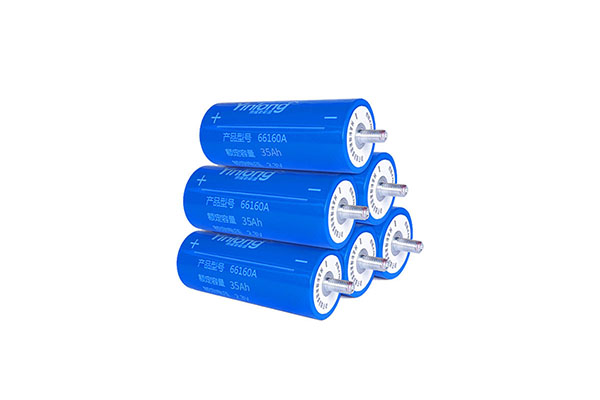
LTO batteries are gaining attention in industrial equipment, energy storage systems, backup power supplies, and electric transportation due to their fast-charging capabilities, long cycle life, and good low-temperature performance. However, LTO batteries are not suitable for every application. Their relatively low energy density, higher initial purchase cost, and specific system design requirements can affect purchasing decisions. Understanding the advantages and disadvantages of LTO batteries helps businesses select the right battery technology for their operational needs.
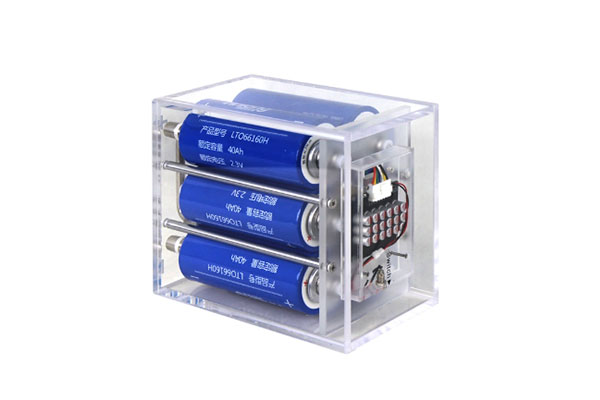
What Are the Main Disadvantages of LTO Batteries?
Relatively Low Energy Density
One of the most notable limitations of LTO batteries is their relatively low energy density compared with many lithium-ion batteries that use graphite anodes, including common lithium iron phosphate (LFP) and nickel manganese cobalt (NMC) batteries. At the same weight or volume, LTO batteries generally store less energy.
For applications where space and weight are critical, such as portable electronic devices and long-range electric vehicles, this limitation can increase design complexity. If a project requires extended operating time or high energy storage capacity per unit of volume, the suitability of LTO batteries should be carefully evaluated.
Higher Initial Purchase Cost
LTO batteries generally have a higher initial purchase cost. Factors such as the material system, manufacturing processes, cell design, and production scale can all influence the final price. For projects with limited budgets or relatively short service requirements, the higher upfront investment may reduce their appeal.
However, the initial purchase price does not represent the total cost over the battery’s service life. In applications involving frequent charging and discharging, expensive battery replacements, or significant downtime costs, the long cycle life of LTO batteries may help reduce long-term operating expenses.
Larger Battery Systems May Be Required
Because of their relatively low energy density, LTO batteries may require more cells, additional installation space, and greater battery weight to achieve a specific runtime or energy storage capacity. This can affect equipment design and increase the costs of mounting structures, wiring, connectors, and thermal management systems.
For stationary industrial energy storage equipment, these limitations may be addressed through careful space planning. However, applications with strict weight and size restrictions require more detailed engineering assessments.
Product Availability and System Compatibility Require Evaluation
Compared with some more widely adopted lithium battery chemistries, LTO batteries may offer a narrower selection of models, suppliers, and compatible supporting systems in certain markets. Availability varies by region and application.
When purchasing LTO batteries, businesses should evaluate cell specifications, continuous and peak charging and discharging capabilities, battery management system (BMS) compatibility, certification requirements, and after-sales support.
Different battery chemistries have different charging voltage requirements. Charging parameters designed for other lithium battery types should not be used without verification. The battery pack must also incorporate appropriate protection, monitoring, and control strategies based on the characteristics of the selected cells.
What Are the Key Advantages of LTO Batteries?
Long Cycle Life
LTO batteries use lithium titanate as the anode material and can achieve a long cycle life under appropriate operating conditions and with suitable battery design.
This characteristic is particularly valuable for industrial equipment, frequently cycled energy storage systems, and certain electric transportation applications. A longer cycle life can reduce battery replacement frequency and associated maintenance requirements.
Actual cycle life depends on factors such as charging and discharging rates, operating temperature, depth of discharge, and cell quality. Buyers should evaluate product-specific test data rather than relying solely on general performance claims.
Fast Charging and High-Rate Performance
LTO batteries typically offer good high-rate charging and discharging capabilities. They are suitable for applications that require rapid energy replenishment or high power output.
Examples include certain industrial vehicles, auxiliary power systems for rail transportation, and high-power backup systems. Their fast-charging characteristics may help improve operational efficiency in these applications.
Actual charging time and output power depend on cell specifications, system design, charging equipment, and temperature conditions.
Low-Temperature Performance and Safety Benefits
Compared with certain other lithium-ion battery chemistries, LTO batteries generally demonstrate good low-temperature charging and discharging performance. Their lithium titanate anodes can also help reduce the risk of lithium plating under specific operating conditions.
However, this does not mean that every LTO battery can operate without restrictions at extremely low temperatures. Nor does it mean that these batteries are completely immune to thermal runaway or other failures.
Businesses should review the manufacturer’s specified operating temperature range, protection mechanisms, and safety test reports before establishing a battery management strategy suited to the intended application.
Which Applications Are Suitable for LTO Batteries?
Industrial Equipment and High-Frequency Cycling Systems
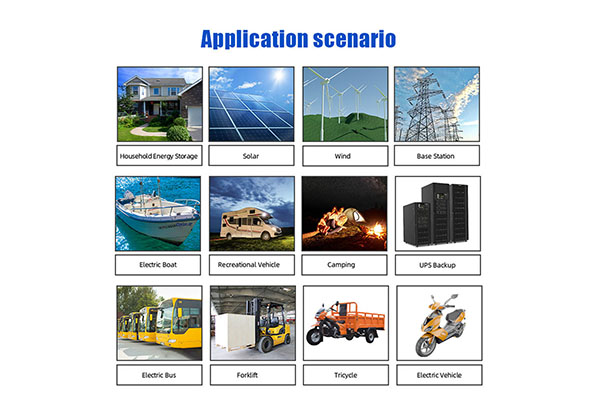
LTO batteries are worth considering for equipment that operates for extended periods and requires frequent charging and discharging, particularly when sufficient installation space is available.
Their long service life may reduce battery replacement frequency and related maintenance work, helping businesses maintain operational continuity.
Energy Storage and Backup Power Systems
LTO batteries can be an alternative for energy storage and backup power projects that prioritize rapid response, power output, and cycle durability.
System designers should evaluate load profiles, required backup duration, charging conditions, and total system costs before selecting the appropriate battery technology.
Electric Transportation and Specialized Equipment
Certain vehicles and specialized equipment that require rapid charging, frequent starts and stops, or operation in relatively cold environments may benefit from LTO batteries.
However, for applications that prioritize maximum driving range and minimum battery weight, other battery chemistries should also be evaluated.
How Can Businesses Evaluate Whether LTO Batteries Are Worth Purchasing?
Compare Total Life Cycle Costs
Businesses should not compare batteries solely on their initial price per kilowatt-hour. The evaluation should also consider expected cycle life, energy efficiency, maintenance expenses, replacement costs, and potential downtime losses.
Only by assessing these factors under actual operating conditions can businesses determine whether LTO batteries offer a cost-effective solution.
Verify Key Technical Specifications
Before purchasing, buyers should confirm the rated voltage, capacity, continuous and peak charging and discharging rates, operating temperature range, cycle life test conditions, dimensions, weight, certifications, and warranty terms.
Compatibility with the battery management system and charging equipment should also be verified to ensure reliable operation.
Choose a Supplier with Technical Support Capabilities
A reliable battery supplier should provide more than cells or battery packs that meet basic specifications. The supplier should also be able to support specification confirmation, system compatibility assessment, and application evaluation.
Businesses can contact DeliGreen to discuss suitable battery solutions, product specifications, and customization support. Before placing an order, buyers should confirm that the selected model meets the technical requirements and operating conditions of their projects.
Conclusion: Do the Disadvantages of LTO Batteries Limit Their Applications?
The main disadvantages of LTO batteries include relatively low energy density, higher initial purchase costs, and the need to carefully evaluate installation space, system compatibility, and product availability.
Despite these limitations, LTO batteries offer distinct advantages in applications requiring frequent charging and discharging, rapid energy replenishment, long cycle life, and reliable performance under certain low-temperature conditions.
Businesses should select battery technology according to equipment space, power requirements, operating environments, and total life cycle costs rather than relying solely on the initial purchase price or a single performance indicator.
For projects that prioritize long-term operational reliability and frequent charging and discharging, LTO batteries are worth considering through further technical and economic evaluation.