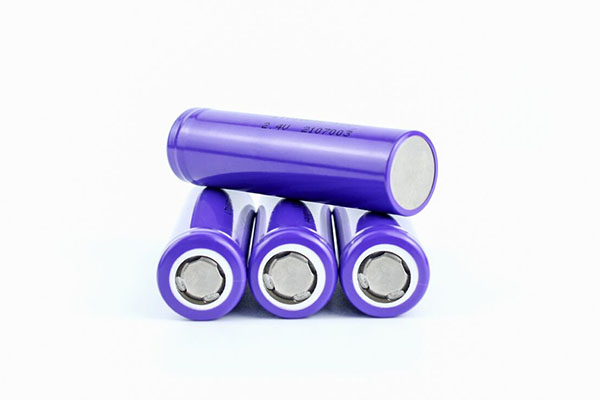
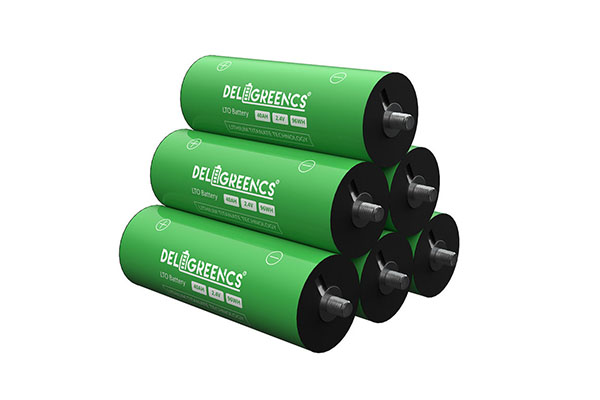
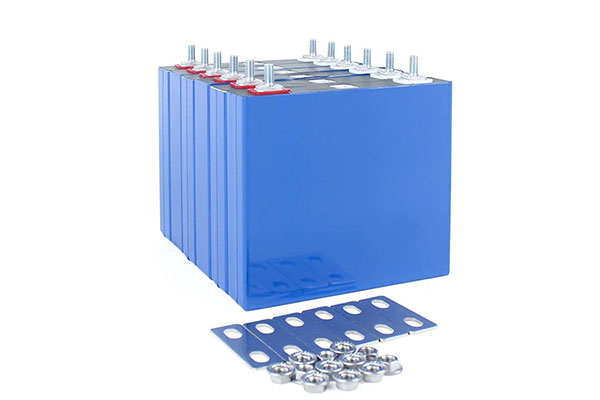
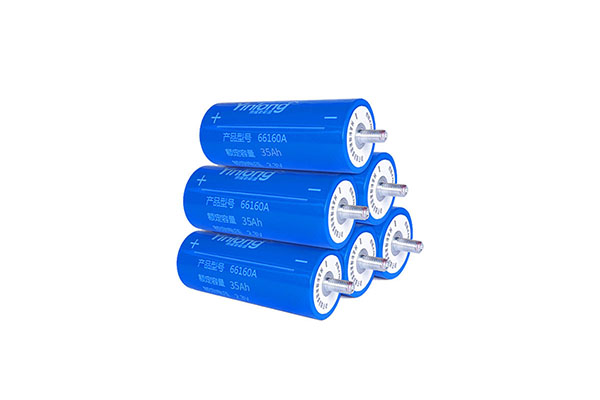
An LTO battery pack, also known as a lithium titanate battery pack, uses lithium titanate as the anode material. Compared with conventional lithium batteries, LTO cells offer excellent cycle life, fast charging and discharging capabilities, and good low-temperature performance. These characteristics make LTO batteries suitable for electric tricycles, low-speed electric vehicles, energy storage systems, AGVs, industrial equipment, and portable power applications.
However, LTO battery pack design involves much more than simply connecting multiple cells in series or parallel. A complete battery pack needs to integrate electrical performance, BMS protection, cell configuration, wiring, mechanical structure, thermal management, and application requirements. Professional battery manufacturers normally start with the actual application requirements and then customize the cell configuration and complete battery system accordingly.
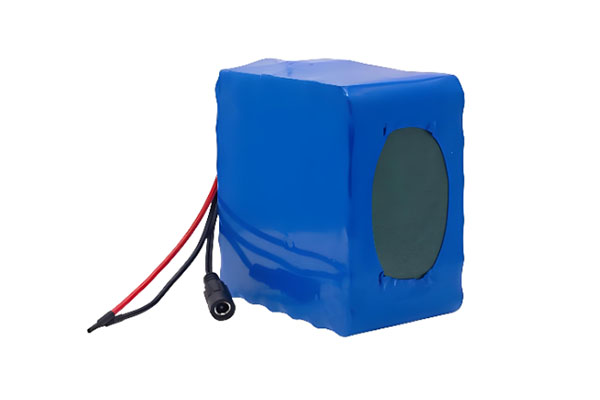
What Parameters Need to Be Determined for LTO Battery Pack Design?
Determine the Operating Voltage
The operating voltage of an LTO cell is generally lower than that of common lithium-ion and LiFePO4 cells. Therefore, the number of cells connected in series must be determined according to the required system voltage and the specific electrical characteristics of the selected LTO cells.
When a higher system voltage is required, multiple LTO cells can be connected in series to achieve the target voltage. As the number of cells increases, the BMS must provide sufficient cell voltage monitoring and protection channels.
Determine Capacity and Output Power
Battery capacity is mainly related to operating time, while output power determines whether the battery can meet the instantaneous power requirements of a motor, controller, or other load.
LTO battery pack design should consider:
- Rated capacity
- Maximum continuous discharge current
- Peak discharge current
- Charging current
- Required operating time
- Duty cycle
Therefore, battery capacity should not be evaluated only by Ah. The actual load profile and power requirements should also be considered when selecting LTO cells.
How Are LTO Cells Connected in Series and Parallel?
Series Connection
Series connection is mainly used to increase the voltage of the battery pack. Multiple LTO cells with the same specifications can be connected in series to achieve a higher operating voltage.
During series configuration, cells should have highly consistent specifications, capacity, internal resistance, and performance. Cell consistency directly affects the balancing requirements and overall service life of the battery pack.
Parallel Connection
Parallel connection is mainly used to increase battery capacity and current output capability. Connecting multiple cells in parallel increases the total Ah capacity and reduces the current load carried by each individual cell.
Therefore, most practical LTO battery packs use a combination of series and parallel connections. The required S/P configuration is determined according to the target voltage, capacity, power output, and application requirements.
Consider Available Installation Space
In addition to electrical specifications, cell dimensions are an important part of LTO battery pack design. Cylindrical, prismatic, and pouch cells have different space utilization characteristics and structural requirements.
For electric tricycles, low-speed electric vehicles, and other applications with limited battery compartments, the battery pack can be customized according to the available installation space. This helps achieve a practical balance between capacity, weight, and overall dimensions.
Why Is the BMS Important in an LTO Battery Pack?
Voltage Protection
The Battery Management System (BMS) continuously monitors the voltage of individual cells and provides overvoltage and undervoltage protection.
Because LTO cells have different voltage characteristics from other lithium battery chemistries, both the charger and BMS should be specifically matched to the selected LTO cells rather than simply using settings designed for another battery chemistry.
Current and Temperature Monitoring
The BMS also monitors charging and discharging current as well as cell temperature. If abnormal conditions such as overcurrent or excessive temperature occur, the system can limit current or disconnect the circuit to protect the battery.
A complete BMS may also provide functions such as State of Charge (SOC) estimation, State of Health (SOH) monitoring, cell balancing, and communication with external controllers.
Cell Balancing
Voltage and capacity differences can develop between series-connected cells during long-term operation. The BMS can reduce these differences through cell balancing, helping maintain consistent battery performance.
For LTO battery packs, an appropriate balancing strategy is particularly important because the voltage curve of LTO chemistry can be relatively flat. Therefore, battery management should combine multiple parameters rather than relying solely on terminal voltage to estimate remaining capacity.
How Is an LTO Battery Pack Integrated into a Complete System?
Electrical System Integration
After determining the cell configuration, the battery pack also needs appropriate busbars, cables, fuses, connectors, switches, and BMS components.
For high-current applications, particular attention should be paid to conductor capacity, electrical resistance, heat generation, insulation, and connection reliability.
For power-oriented LTO battery packs, the charging and discharging interfaces should also be designed according to the requirements of the motor, controller, charger, or other equipment.
Structural and Thermal Design
Cells must be securely fixed inside the battery enclosure to prevent excessive movement caused by vibration or mechanical impact during operation. The enclosure should also provide sufficient space for the BMS, electrical components, and wiring harnesses.
For applications involving high-rate charging or discharging, thermal management should also be considered. Proper thermal design helps maintain the cells within an appropriate operating temperature range.
A professional battery pack design should therefore consider mechanical structure, electrical architecture, and thermal management as an integrated system rather than treating thermal management as an afterthought.
Protection and Reliability
For electric vehicles, outdoor equipment, and industrial applications, LTO battery packs may need additional protection against dust, water, vibration, and corrosion.
The enclosure material, sealing structure, connector protection level, and internal layout should all be selected according to the actual operating environment.
What Tests Are Required for an LTO Battery Pack?
A completed prototype should not immediately enter mass production. Comprehensive validation is required to confirm whether the battery pack meets the design requirements.
Electrical Performance Testing
Electrical tests may include capacity testing, charge and discharge testing, rate capability testing, internal resistance testing, and BMS protection testing.
These tests help verify whether the LTO battery pack can deliver the required voltage, capacity, current, and protection performance.
Environmental and Reliability Testing
Depending on the application, the battery pack may undergo high- and low-temperature testing, cycle-life testing, vibration testing, water-resistance testing, and long-term operating tests.
These tests help identify potential reliability issues before the product enters large-scale production.
System Integration Testing
The final step is to integrate the LTO battery pack with the charger, controller, motor, energy storage system, or other equipment.
The complete system should be tested to verify charging and discharging performance, communication functions, protection logic, and compatibility between different components.
How to Choose the Right LTO Battery Pack Design?
A reliable LTO battery pack should be designed through a complete process:
Application Requirements → Cell Selection → Series/Parallel Configuration → BMS Configuration → Structural Design → Thermal Management → System Integration → Testing and Validation
For electric tricycles, low-speed electric vehicles, industrial equipment, energy storage systems, and other applications, the battery pack should be customized according to the required voltage, capacity, discharge rate, dimensions, and operating environment.
Instead of selecting a generic battery pack, OEM and ODM solutions can provide better compatibility between the LTO cells, BMS, enclosure, wiring, and application system. An integrated approach to LTO battery pack design can help achieve a practical balance between safety, cycle life, performance, and system compatibility.