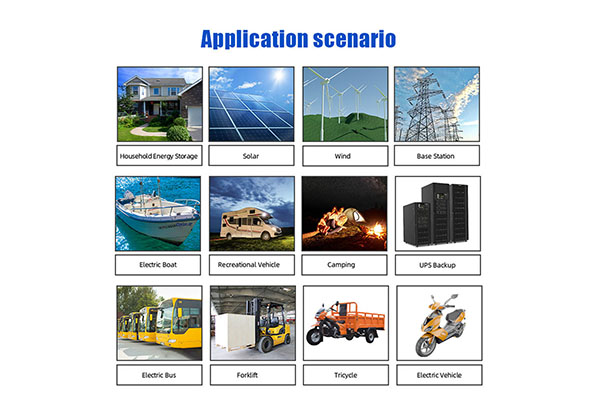
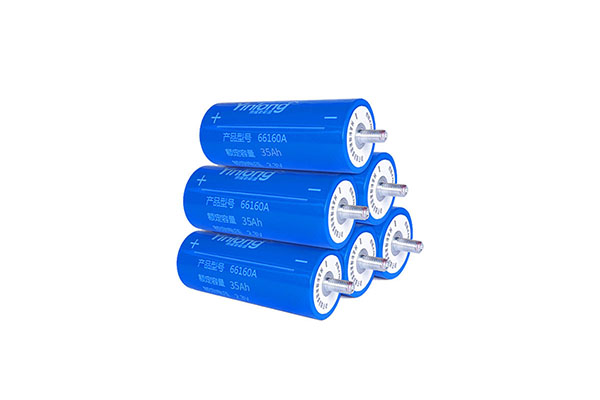
As sodium-ion batteries are gaining attention in energy storage, electric vehicles, low-speed vehicles, backup power systems, and other applications, buyers need to evaluate battery performance based on actual application requirements. Instead of focusing only on price or capacity, factors such as voltage, energy density, cycle life, charge and discharge rate, operating temperature, and BMS functions can directly affect the battery’s performance and service life.
Rated Voltage
Rated voltage is one of the basic parameters to check when selecting a sodium-ion battery. Different applications have different voltage requirements, including energy storage systems, low-speed electric vehicles, and backup power equipment.
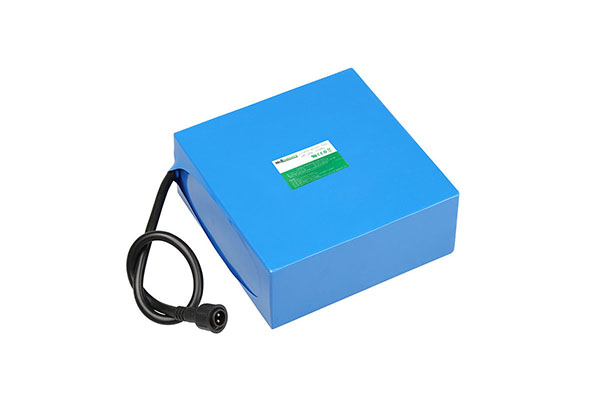
Buyers should check not only the nominal voltage of individual cells but also the system voltage of the complete battery pack, such as 12V, 24V, 48V, or higher. The battery voltage must be compatible with the inverter, motor, charger, and other electrical equipment.
What Should You Check?
Confirm the rated voltage, charging cut-off voltage, and discharge cut-off voltage rather than selecting a battery based only on its nominal voltage.
Battery Capacity
Battery capacity is generally measured in Ah (ampere-hours) and indicates how much electrical charge the battery can store. At the same voltage, a battery with a higher Ah rating can theoretically store more energy.
Battery energy can be roughly estimated by multiplying voltage by capacity. Therefore, buyers should calculate capacity requirements according to the load power and expected operating time instead of simply choosing the battery with the highest Ah rating.
How Should Capacity Be Selected?
Consider the equipment’s power consumption, daily operating hours, and required backup time. A reasonable reserve should also be included to accommodate actual operating conditions.
Energy Density
Energy density is commonly measured in Wh/kg and indicates how much energy a battery can store per unit of weight. It is particularly important for electric vehicles, portable power systems, and other applications where weight and space are limited.
Compared with some mature lithium battery technologies, sodium-ion batteries currently have differences in energy density. Therefore, buyers should consider weight, volume, and actual energy requirements together rather than evaluating energy density alone.
Do Not Compare a Single Number
Different cell chemistries, structural designs, and testing conditions can result in different energy density values. When comparing products, make sure the testing standards and conditions are consistent.
Cycle Life
Cycle life refers to the number of charge and discharge cycles a battery can complete while maintaining a specified level of performance.
When a supplier provides a cycle life figure, buyers should also check the capacity retention rate, charge and discharge rate, operating temperature, and depth of discharge (DoD) used during testing.
What Should Buyers Confirm?
Ask the supplier to provide detailed cycle test conditions, such as ambient temperature, charge and discharge rate, DoD, and the required capacity retention percentage.
Charge and Discharge Rate
The C-rate indicates how quickly a battery can be charged or discharged. A 1C rate generally corresponds to charging or discharging the battery at a current equal to its rated capacity, while a higher C-rate represents a higher charge or discharge current.
Why Is It Important?
Energy storage systems, electric vehicles, and backup power systems have different load characteristics. If an application requires fast charging or high-power output within a short period, buyers should pay particular attention to the maximum charging rate and maximum continuous discharge rate.
Operating Temperature Range
Operating temperature can significantly affect battery capacity, power output, service life, and safety. When purchasing sodium-ion batteries, buyers should check the specified temperature ranges for both charging and discharging.
Pay Special Attention to Low-Temperature Applications
For outdoor equipment, cold-weather applications, or vehicles used in winter, it is important to verify actual battery capacity and charging performance at low temperatures instead of relying only on room-temperature test data.
Internal Resistance
Internal resistance affects voltage drop and heat generation during battery operation. Changes in internal resistance can also provide useful information about battery aging.
When purchasing sodium-ion batteries, buyers can request the supplier’s internal resistance range and consistency data. The testing temperature and measurement method should also be clearly specified.
Maximum Continuous Power and Peak Power
For applications involving motors, inverters, and other high-power equipment, battery capacity alone is not enough. Buyers also need to understand the maximum continuous output power and short-term peak power.
What Is the Difference Between Continuous and Peak Power?
Continuous power represents the output level that a battery can maintain for an extended period, while peak power refers to short-term high-power output during conditions such as motor startup, acceleration, or sudden load increases.
Both specifications should be evaluated according to the actual requirements of the application.
BMS Functions and Communication Protocols
BMS stands for Battery Management System. It monitors parameters such as voltage, current, and temperature and provides protection against conditions such as overvoltage, undervoltage, overcurrent, and abnormal temperatures.
What Should Be Confirmed Before Purchasing?
Check whether the BMS supports cell balancing, overcharge protection, over-discharge protection, over-temperature protection, and other essential functions. Buyers should also confirm whether communication interfaces such as CAN, RS485, or Bluetooth are compatible with the existing control system.
For customized battery packs, communication parameters and interface configurations should be confirmed in advance.
Safety Standards and Certifications
In addition to performance specifications, battery safety design and relevant testing documentation are also important purchasing considerations.
Before purchasing, buyers should understand the cell chemistry, protection structure, thermal management design, and safety testing requirements applicable to the target market.
For large-volume purchases, it is also recommended to request product datasheets, test reports, BMS specifications, and other technical documentation for supplier evaluation.
Purchasing a sodium-ion battery should not be based solely on price or capacity. Rated voltage, capacity, energy density, cycle life, charge and discharge rate, operating temperature, internal resistance, output power, BMS functions, and safety certifications should all be evaluated according to the intended application.For energy storage, electric vehicles, backup power, and other applications, different technical parameters may have different levels of importance.For customized sodium-ion battery projects, buyers should also confirm battery dimensions, series and parallel configuration, BMS communication, connectors, enclosure protection rating, and volume production requirements.DeliGreen provides sodium-ion battery products and customized battery solutions. Buyers can further confirm voltage, capacity, BMS configuration, and other technical specifications according to their specific application requirements.