Farm power demand has one simple rule: when equipment needs electricity, it cannot afford to wait. If ventilation fans, water pumps, irrigation systems, or refrigeration equipment suddenly stop, the impact can go far beyond the day’s electricity bill. Farms with solar panels face another common problem: solar power production may exceed daytime demand, while electricity still needs to be purchased from the grid at night. A farm energy storage cabinet can store excess solar energy during the day and release it at night, during cloudy weather, or during unexpected power outages. For buyers planning farm battery storage, capacity, power output, installation conditions, and future expansion are all worth considering instead of looking only at battery size.
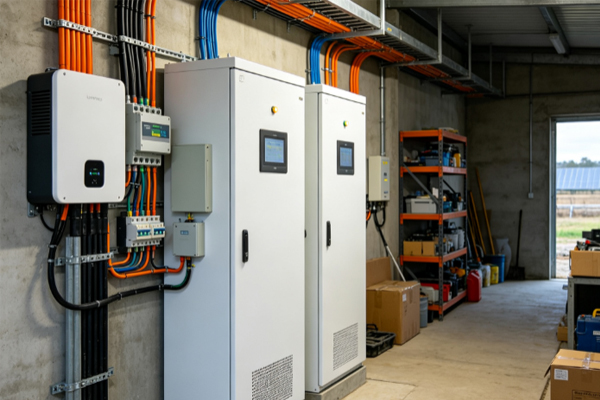
How Much Capacity Does a Farm Energy Storage Cabinet Need?
A farm energy storage cabinet is not simply a case of bigger being better. Too little capacity means there may not be enough electricity at night, while excessive capacity increases the initial investment. A practical approach is to list the farm’s daily electricity consumption, then identify which loads need continuous battery power and which can use solar or grid electricity directly.
Which Farm Equipment Is Suitable for Energy Storage?
Different farms have very different power requirements. Crop farms, livestock farms, greenhouses, and agricultural processing facilities can all have different operating schedules. The table below provides a useful starting point for planning farm battery storage.
| Farm Equipment | Common Power Usage | Farm Battery Storage Demand | Key Storage Cabinet Requirements |
| Irrigation water pumps | Scheduled operation, high starting current | Medium to high | Discharge power, peak current |
| Ventilation fans | Long operating hours in summer | High | Continuous output, battery capacity |
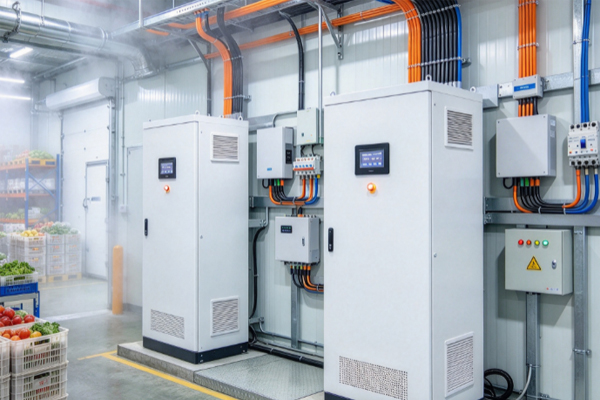
| Refrigeration equipment | Runs throughout the day or at night | High | Continuous backup runtime |
| Automatic feeding equipment | Runs by schedule or task | Medium | Cycle operation, BMS |
| Greenhouse grow lights | Concentrated nighttime use | Medium to high | Battery capacity, runtime |
| Monitoring and sensors | Low-power operation 24/7 | High | Long backup runtime |
| Heating equipment | Higher electricity demand in winter | High | System power, capacity reserve |
When several high-power devices start at the same time, simply adding up their nameplate power is not enough. Pumps, fans, and other motor-driven equipment can require significantly higher current during startup. The energy storage cabinet and inverter need enough power headroom, otherwise a battery with sufficient capacity may still fail to start the equipment properly.
How Do You Calculate Farm Battery Storage Capacity?
A simple preliminary calculation is:
Required Battery Capacity ≈ Critical Load Power × Operating Time ÷ Overall System Efficiency
If the farm has around 3kW of critical nighttime loads that need to operate continuously for six hours, the theoretical energy requirement is about 18kWh. The final battery specification should also account for depth of discharge, conversion losses, weather conditions, and reserve capacity, so 18kWh should not automatically be treated as the final purchase size.
One detail that is easy to overlook is how much energy the farm battery storage system can actually charge and discharge each day. A very large battery does not help much if the solar array cannot provide enough energy to recharge it regularly. Long-term system planning may require adjustments to solar capacity, battery capacity, and equipment operating schedules.
How Should a Farm Energy Storage Cabinet Work With Solar Power?
After installing solar panels, many farms run into a practical timing problem. Solar generation can be high around noon when farm electricity demand is relatively low, while solar output drops in the evening even though fans, lighting, refrigeration, and water pumps may still be running. Farm battery storage can bridge this gap by saving excess daytime solar energy for later use instead of letting that generation go unused.
How Does Solar + Farm Energy Storage Work?
A common operating strategy is to use solar power for real-time farm loads first, send excess electricity to the energy storage cabinet, and then use stored energy to support selected loads at night. The actual system design should take local solar conditions, the farm’s load profile, and grid connection requirements into account.
- Use solar power for daytime loads first: Water pumps, ventilation fans, and other operating equipment can consume solar electricity directly, reducing grid electricity purchases.
- Charge the battery with excess solar power: When solar generation is higher than the farm’s current demand, the surplus electricity can be stored in the energy storage cabinet for nighttime use.
- Use stored energy at night: When solar output is no longer sufficient, the battery can supply designated critical loads and reduce dependence on grid electricity.
- Switch to another power source when battery energy is low: The energy storage system can work together with the grid or a backup generator to prevent critical equipment from suddenly shutting down after the battery is depleted.
This approach is generally more practical than simply purchasing one oversized battery because the energy storage cabinet needs to work together with the solar system, inverter, distribution system, and farm loads. For larger farms, it is useful to map daytime and nighttime electricity consumption before deciding on battery capacity.
Can a Farm Energy Storage Cabinet Provide Backup Power During an Outage?
Yes, but the system should be designed for both energy storage and backup power from the beginning. The battery may cycle every day under normal conditions, while an outage requires the system to take over selected loads quickly. If the farm needs water pumps, ventilation fans, monitoring systems, or refrigeration equipment to keep running during an outage, the inverter should support backup output and the system should be able to handle equipment startup current.
| Operating Scenario | Main Role of Energy Storage Cabinet | Key Considerations |
| Daytime solar generation | Store excess solar energy | Charging power, solar capacity |
| Nighttime electricity use | Support farm loads | Battery capacity, runtime |
| Cloudy or rainy weather | Extend available energy | Backup duration |
| Unexpected power outage | Keep critical equipment running | Transfer speed, inverter power |
| Peak electricity demand | Reduce grid power demand | Peak power, discharge capability |
If backup power is one of the main reasons for purchasing a farm energy storage cabinet, critical loads can be connected to a dedicated backup circuit. The battery then does not need to supply every piece of equipment on the farm, allowing limited stored energy to last longer.
Where Should a Farm Energy Storage Cabinet Be Installed?
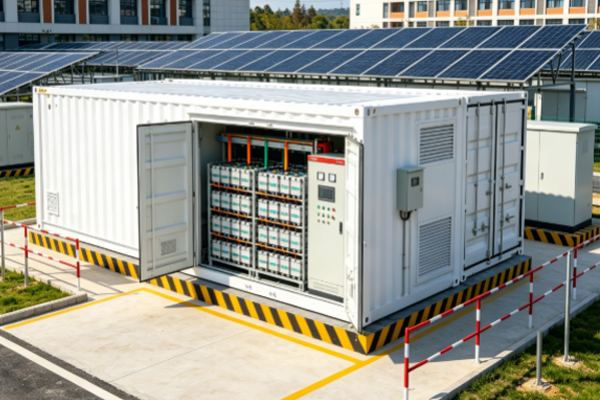
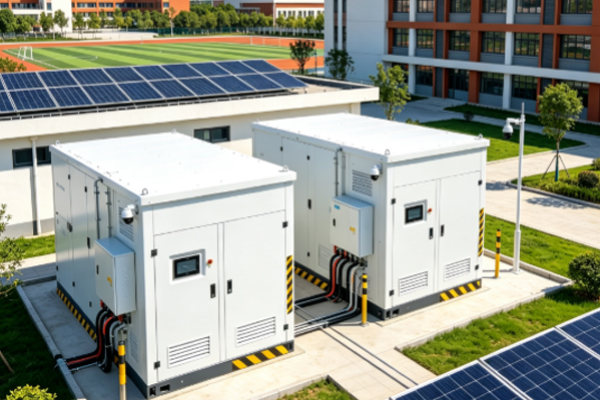
Farm environments are different from standard industrial facilities. An outdoor energy storage cabinet may have to deal with rain, dust, soil, strong sunlight, and large temperature changes between day and night. Finding an empty space for the cabinet does not mean the installation is suitable. Long-term operation also depends on cabinet protection, ventilation, heat dissipation, cable protection, and maintenance access.
What Should You Consider When Installing an Outdoor Farm Energy Storage Cabinet?
If the energy storage cabinet will be installed outdoors, its location should be planned before installation. Extra care is needed when the cabinet is close to pump rooms, irrigation areas, or livestock activity zones, where water accumulation and physical impact may become concerns.
- Keep the cabinet away from areas prone to flooding: The bottom of the storage cabinet should not sit directly on ground that frequently collects water, especially during the rainy season.
- Avoid prolonged direct sunlight: High temperatures can increase thermal management requirements, so the cabinet should ideally be installed in a shaded and well-ventilated location.
- Leave enough maintenance space: Cabinet doors, wiring areas, and battery modules require future inspection and maintenance, so the cabinet should not be installed tightly against walls or other equipment.
- Protect cables and connectors: Farms often have more dust, soil, and moisture than indoor facilities, so cables should be properly secured and protected against loosening or physical wear.
- Maintain appropriate fire safety clearance: Hay, wood, fuel, and other combustible materials should not be stored around the energy storage cabinet, and installation should follow local electrical and fire safety requirements.
Outdoor storage cabinets also need suitable enclosure protection, operating temperature ratings, and internal cooling design. For farms in hot climates, looking only at the battery’s rated capacity is not enough. Once the system is running continuously, temperature management can have a major impact on long-term operation.
Why Are LiFePO4 Batteries Suitable for Farm Energy Storage Cabinets?
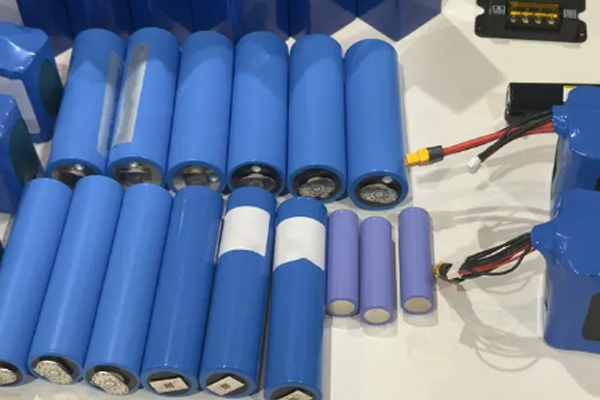
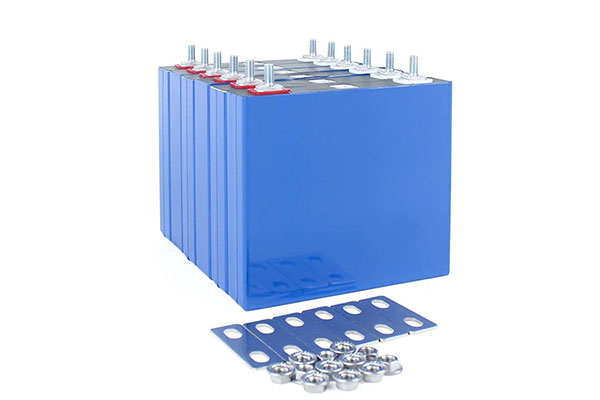
Farm energy storage systems often require repeated charging and discharging, meaning the battery may operate every day. LiFePO4 batteries are widely used in energy storage applications, and buyers should pay attention to cell quality, BMS protection, continuous discharge capability, and cycling requirements instead of focusing only on the capacity shown on a specification sheet.
If the storage cabinet will be connected to a solar system, communication compatibility between the BMS and inverter should also be confirmed. CAN, RS485, and similar communication interfaces can allow the energy storage system to read battery information and monitor SOC, voltage, temperature, and other operating data. For larger farms, reliable communication can make system monitoring and maintenance much easier.
How Should You Purchase a Farm Energy Storage Cabinet?
Once a farm energy storage project reaches a certain scale, procurement becomes more complicated than simply buying a few batteries. Farm equipment power, installation conditions, solar capacity, and backup requirements can vary significantly, so a standard battery cabinet may not fit every project. Overseas projects also involve shipping, certification documents, installation, commissioning, and after-sales support. Clarifying these details early can prevent plenty of problems later.
What Information Should You Provide to a Farm Energy Storage Cabinet Manufacturer?
The clearer the project information provided to the manufacturer, the faster the system proposal can usually be developed. Preparing the following data in advance can also reduce repeated revisions during communication.
- Daily farm electricity consumption: Provide average daily energy consumption and approximate daytime and nighttime load profiles.
- Power of major equipment: List the power ratings of water pumps, ventilation fans, refrigeration equipment, lighting, and other critical loads.
- Required backup duration: State whether the system needs to operate for several hours during an outage or support a longer period of off-grid operation.
- Solar installation capacity: If a solar system is already installed, provide the existing PV capacity and inverter specifications.
- Installation location: Specify whether the cabinet will be installed indoors, in an equipment room, or outdoors, and provide the available installation space.
- Future expansion plans: If additional greenhouses, irrigation equipment, or other electrical loads may be added later, reserve sufficient energy storage expansion capacity from the beginning.
Can Farm Energy Storage Cabinets Be Expanded Later?
Yes, but the original system should be designed with expansion in mind. Farms often add equipment over time. A project may start with several water pumps and later add cold storage, greenhouses, automated equipment, or other electrical loads. If the original energy storage system has no room for expansion, later modifications can become much more expensive.
When purchasing, it is worth confirming the following:
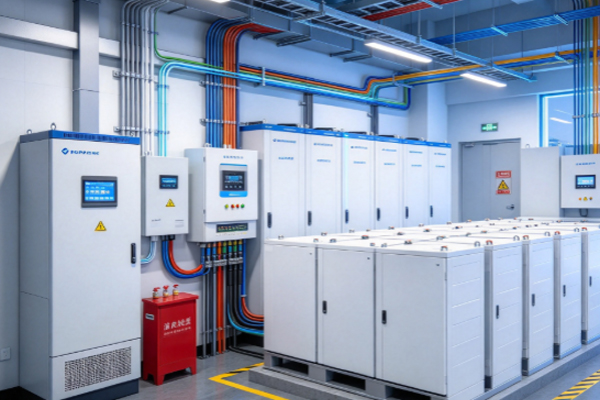
- Whether battery modules support parallel expansion: Additional battery capacity can be added later without replacing the entire energy storage system.
- Whether BMS communication is compatible: New battery modules should communicate properly with the existing system for easier operation and monitoring.
- Whether space is reserved inside the storage cabinet: Leaving room for additional battery modules and electrical components can make future expansion much easier.
- Whether inverter capacity is sufficient: If future loads are expected to increase significantly, the inverter and power distribution system should also have enough upgrade capacity.
For bulk projects, buyers can also request samples or conduct small-batch testing before placing a large order. Installing one unit and running it for a period of time allows the buyer to check battery capacity, communication, temperature rise, charging and discharging performance, and system compatibility. This can reveal practical issues that may not appear on a specification sheet.
For farms building solar power systems, looking for nighttime energy supply, or preparing for unexpected outages, the value of a farm energy storage cabinet is not simply storing electricity. It connects solar generation, daily loads, and backup power into one practical energy system. DELIGREEN provides LiFePO4 batteries, battery packs, DIY battery boxes, BMS accessories, and scalable energy storage solutions that can be configured around farm loads, storage capacity, installation space, BMS communication, and future expansion requirements, helping global buyers build farm battery storage systems suited to real agricultural applications.