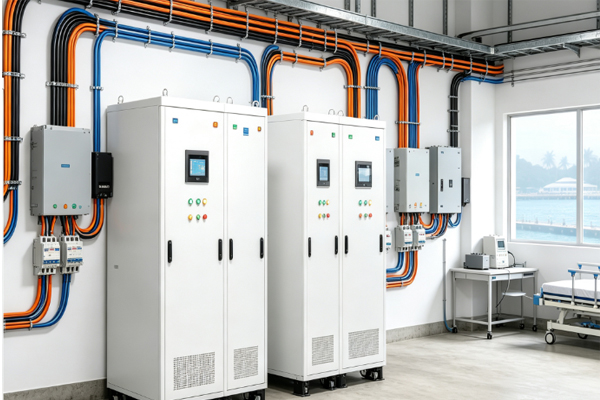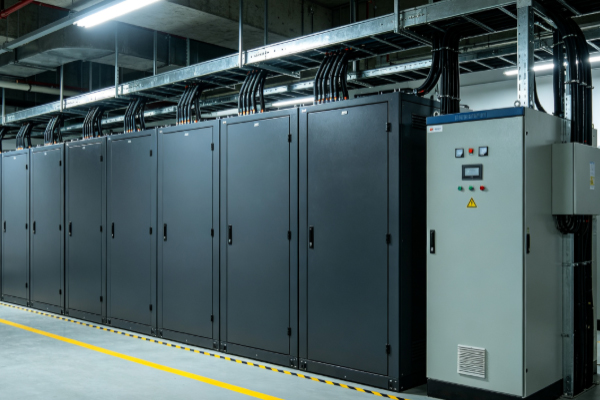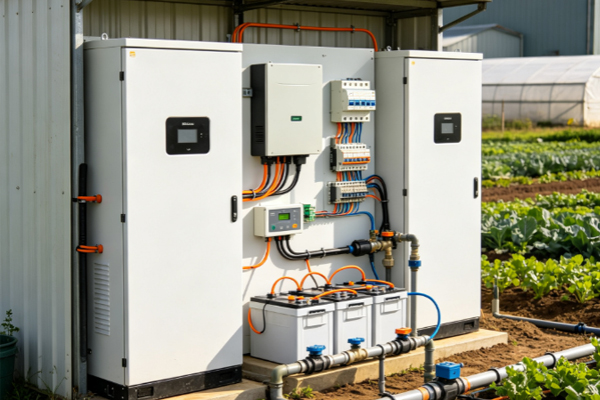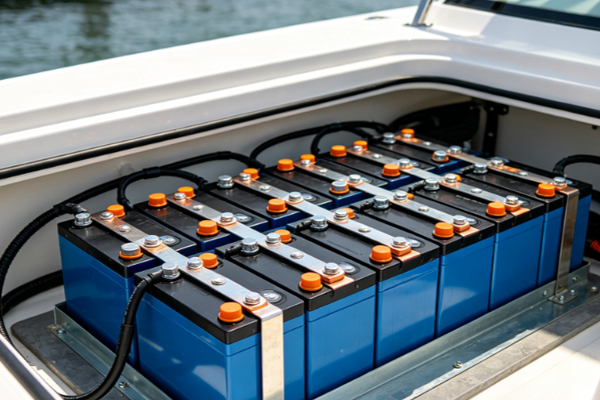
Hospitals operate a large number of critical devices every day, including intensive care monitors, respiratory equipment, imaging systems, and medical servers. All of these systems rely on a stable electricity supply. Power interruptions or grid fluctuations can affect normal medical operations and may create safety risks. Although traditional backup power systems can provide basic protection, they may have limitations in backup duration and energy management efficiency. With the increasing development of smart healthcare, more hospitals are adopting lithium battery energy storage systems to achieve faster response, stable power supply, and intelligent energy management. For modern medical facilities, hospital battery storage has become an important solution for improving energy security.
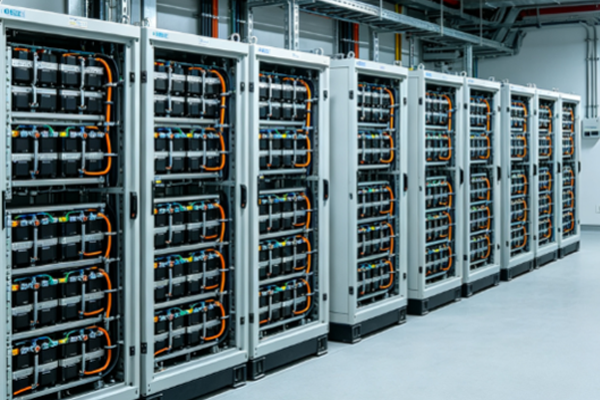
Why Do Hospitals Need Lithium Battery Energy Storage Systems?
Unlike ordinary commercial buildings, hospitals have much higher requirements for power reliability. Many medical devices need to operate continuously, and even short-term power failures may affect treatment procedures. Building a reliable energy storage system has become an important part of modern hospital energy management.
Ensuring Continuous Power Supply for Critical Medical Equipment
Hospitals rely on many high-value and sensitive devices, such as surgical equipment, life monitoring systems, and emergency medical equipment. These devices require highly stable electricity support.
- Support critical medical equipment operation: Provide backup power for essential equipment during grid failures or unexpected outages.
- Reduce the risk of medical service interruptions: Prevent treatment procedures from being affected by power problems.
- Improve overall hospital power reliability: Ensure medical areas continue operating under emergency conditions.
For hospitals, electricity is not only a basic operational requirement but also directly related to the continuity of healthcare services. Lithium battery energy storage systems help hospitals establish a more complete backup energy protection system.
Improving Backup Power Response Speed
Compared with traditional backup power solutions, lithium battery storage systems offer faster response times and more flexible control. When grid problems occur, the system can quickly switch to provide electricity support for hospitals.
- Respond quickly to power demands: Reduce the waiting time before backup power becomes available.
- Support short-term high-load operation: Meet the temporary power needs of some medical devices.
- Improve energy scheduling flexibility: Distribute power according to different hospital requirements.
Fast and efficient energy response is one of the key reasons why hospitals choose lithium battery storage solutions.
What Are the Advantages of Lithium Battery Storage for Hospitals?
Lithium batteries are becoming a popular choice for hospital energy storage due to their long cycle life, high safety performance, and efficient energy utilization. Compared with traditional battery solutions, lithium batteries are more suitable for long-term and high-frequency operation environments.
Lithium Batteries Meet Long-Term Hospital Storage Requirements
Hospital energy storage systems usually need to operate reliably for many years, making battery lifespan and stability extremely important. Lithium batteries can support both emergency backup power and daily energy management applications.
- Longer cycle life: Support more charge and discharge cycles, reducing replacement frequency.
- Higher energy efficiency: Improve the actual utilization rate of stored electricity.
- Lower maintenance requirements: Reduce long-term management pressure for hospitals.
Over time, a stable lithium battery solution can help hospitals reduce energy management costs and improve overall system value.
Comparison of Common Hospital Energy Storage Battery Solutions
Different hospitals have different sizes, equipment quantities, and energy requirements. Therefore, battery selection needs to consider safety, lifespan, and application conditions. The following comparison shows the characteristics of common energy storage options:
| Battery Solution | Performance Features | Hospital Applications | Advantages |
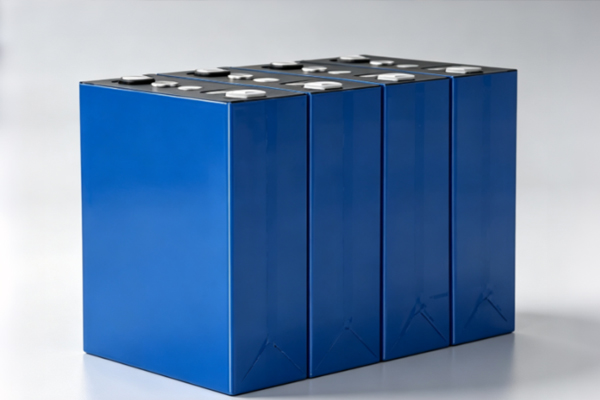
| Lithium Iron Phosphate Battery | High safety and long cycle life | Large hospital backup energy storage systems | Suitable for long-term stable operation |
| Ternary Lithium Battery | High energy density and compact size | Space-limited storage projects | Saves installation space |
| Lead-Acid Battery | Mature technology and lower cost | Small backup power requirements | Lower initial investment |
For long-term hospital applications, safety, reliability, and maintenance costs are usually more important than simply reducing purchase prices. Selecting the right battery type helps hospitals achieve better energy performance.
What Factors Should Be Considered When Choosing Hospital Battery Storage Solutions?
Hospital energy storage projects are closely related to medical safety. When selecting a solution, hospitals need to consider actual power requirements. Battery capacity, management systems, safety design, and after-sales service all affect the final performance.
Plan Storage Capacity According to Hospital Power Demand
Different hospitals have different backup power requirements. Large comprehensive hospitals need to support more medical equipment, while smaller medical facilities may focus on essential backup electricity.
- Analyze equipment power requirements: Identify which medical devices require priority protection.
- Calculate backup operation time: Ensure sufficient energy supply during outages.
- Reserve future expansion capacity: Allow additional medical equipment and system upgrades.
Proper capacity planning prevents insufficient power supply while avoiding unnecessary investment.
Focus on Battery Safety Management Systems
Hospitals have strict safety requirements, so lithium battery energy storage systems need advanced Battery Management Systems (BMS) to monitor operating conditions in real time.
- Monitor voltage, current, and temperature changes: Detect abnormal conditions quickly.
- Control charging and discharging processes: Reduce battery wear and improve service life.
- Provide operational data analysis: Help hospitals optimize energy management.
- Enhance system safety protection: Reduce risks during long-term operation.
A stable and reliable management system further improves the safety of hospital battery storage solutions.
How to Improve the Efficiency of Hospital Lithium Battery Storage Systems?
Building a hospital energy storage system is not only about selecting high-quality batteries. Combining intelligent management and proper maintenance allows the system to deliver greater value.
Optimize Energy Usage Through Smart Management
Modern hospitals are gradually adopting intelligent energy management platforms to monitor and optimize storage systems.
- Monitor energy usage conditions: Help hospitals understand real-time electricity data.
- Optimize power distribution: Supply electricity according to different area requirements.
- Improve energy efficiency: Reduce unnecessary power consumption.
Smart management allows energy storage systems to become more than emergency backup power—they can become an important part of hospital energy optimization.
Choose a Professional Energy Storage Battery Supplier
Hospital energy storage projects usually require years of stable operation, making supplier technology and service capabilities very important. Professional manufacturers can provide suitable solutions based on hospital size, equipment requirements, and installation conditions.
- Provide customized storage designs: Meet different hospital application needs.
- Ensure stable battery quality: Reduce operational failure risks.
- Offer complete after-sales service: Support long-term maintenance and upgrades.
Choosing a reliable partner helps hospitals build a safer and more efficient energy protection system.
Hospital lithium battery energy storage is becoming an important direction for upgrading healthcare energy systems. By adopting high-safety and long-life lithium battery solutions, hospitals can improve backup power capabilities, ensure continuous operation of critical medical equipment, and optimize energy management. For modern healthcare facilities, building a reliable hospital battery storage system is not only an effective way to handle power outage risks but also a key step toward smarter hospital energy management. As medical infrastructure continues to advance, stable and efficient energy storage solutions will play an increasingly important role in future healthcare operations.