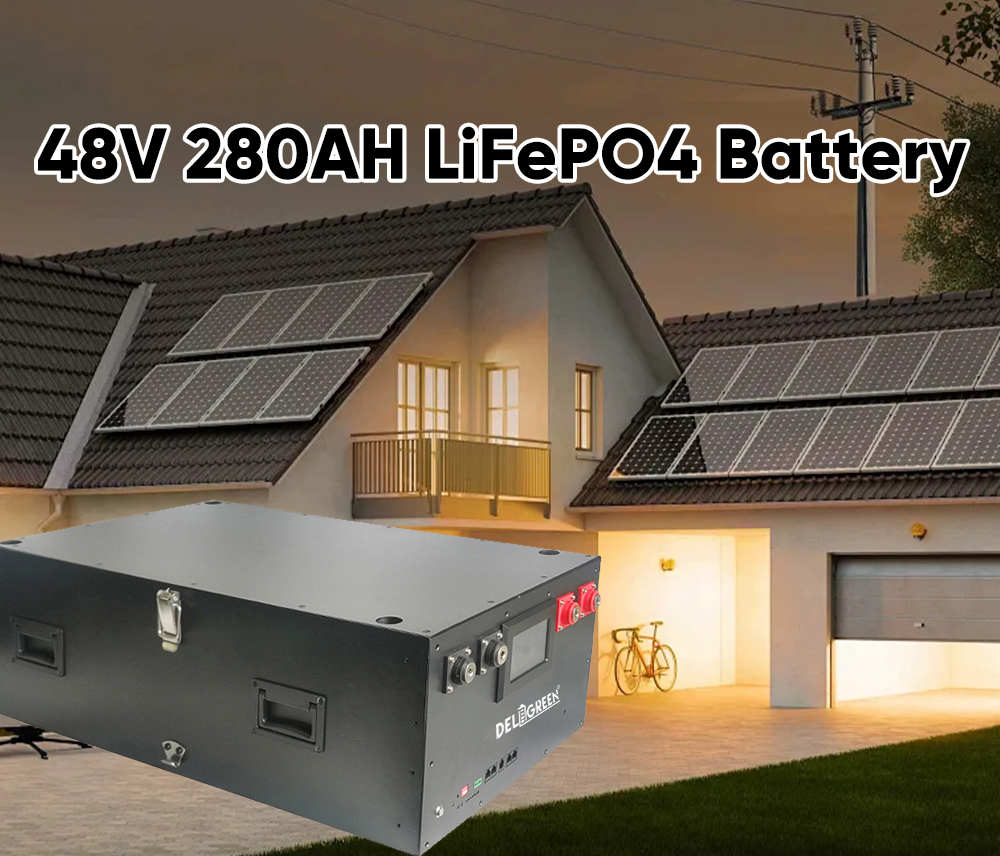
Off-grid energy storage systems operate without relying on the public power grid. They usually generate electricity through solar panels, wind turbines, or other independent power sources, then store the electricity in batteries for homes, farms, outdoor facilities, and remote locations. The battery is a core component of an off-grid system. Its capacity, discharge performance, cycle life, and safety features directly affect power supply reliability.
LiFePO4 batteries are widely used in off-grid energy storage because of their long cycle life, good thermal stability, and high usable capacity. When purchasing an off-grid storage battery, buyers should consider actual electricity consumption, power generation conditions, and installation environments to select a suitable product and maintain stable system operation.
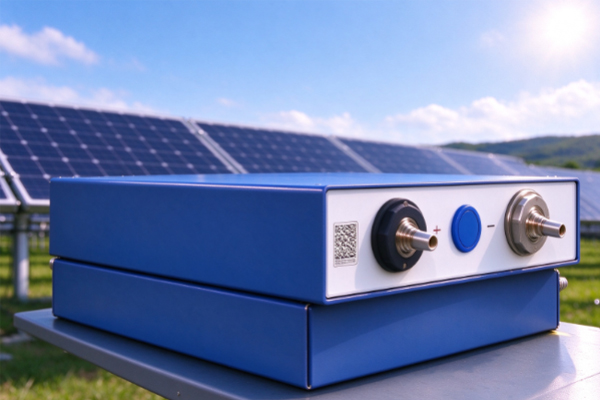
Understand the Battery Requirements of an Off-Grid System
Before purchasing an off-grid energy storage battery, it is important to identify the system’s actual electricity requirements. Unlike grid-connected storage systems, off-grid systems cannot obtain backup electricity directly from the public grid. When solar power generation is insufficient or cloudy weather continues for several days, the battery must provide the electricity needed to keep essential equipment running.
Residential off-grid systems usually need to support lighting, refrigerators, televisions, Wi-Fi routers, and water pumps. Farms, communication stations, and remote workplaces may require electricity for monitoring equipment, production tools, and other high-power devices. Different applications have different requirements for battery capacity, continuous discharge power, and backup time.
Before purchasing, buyers should calculate the power consumption of major appliances, their daily operating hours, and the number of devices that may operate simultaneously. They should also consider the startup power requirements of equipment such as water pumps, motors, and compressors, which may draw higher current when starting.
Understanding these requirements helps buyers select suitable battery specifications, avoid insufficient storage capacity, and control purchasing costs.
How to Choose the Right Battery Capacity for Off-Grid Storage?
Battery capacity determines how much electricity an off-grid system can store. It also affects how long the system can provide power at night or during cloudy weather. Buyers should not choose capacity based only on house size or the number of appliances. Actual electricity consumption, required backup time, and solar power generation should all be considered.
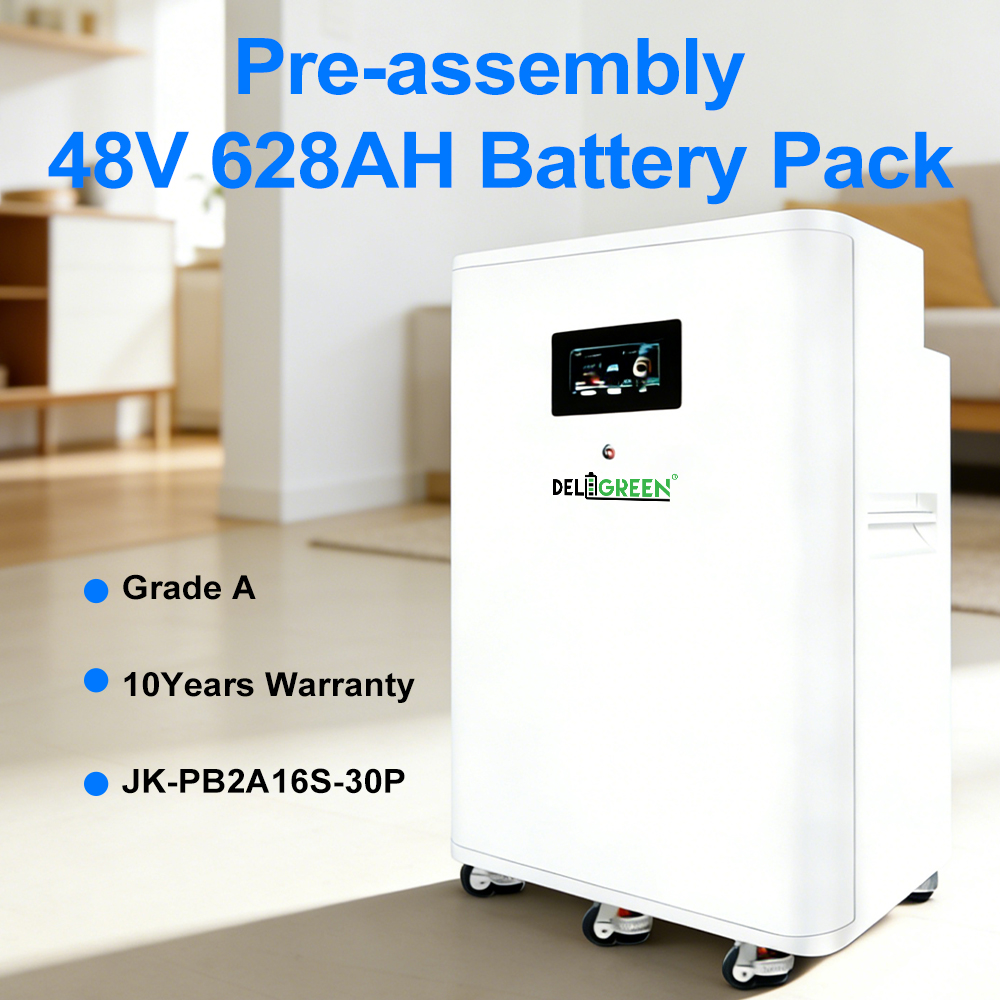
Common LiFePO4 energy storage battery capacities include 5kWh, 10kWh, 15kWh, and 20kWh or more. Different capacities are suitable for different electricity requirements.
- 5kWh battery: Suitable for small off-grid systems that support basic lighting, communication equipment, and selected low-power appliances.
- 10kWh battery: Suitable for ordinary homes or small independent power systems, supporting refrigerators, lighting, televisions, and computers.
- 15kWh battery: Suitable for households with higher electricity consumption, farms, and small workplaces that require more stored energy.
- 20kWh or larger battery: Suitable for large homes, remote facilities, and off-grid projects that require longer backup times.
When choosing capacity, buyers should also check usable capacity and discharge limits. Rated capacity, depth of discharge, and actual output capabilities may differ between products. If solar power generation is unstable or equipment needs to operate continuously for extended periods, additional storage capacity may be necessary.
Selecting the right battery capacity improves power supply reliability and helps control the overall project budget.
LiFePO4 Battery Performance and Safety Features
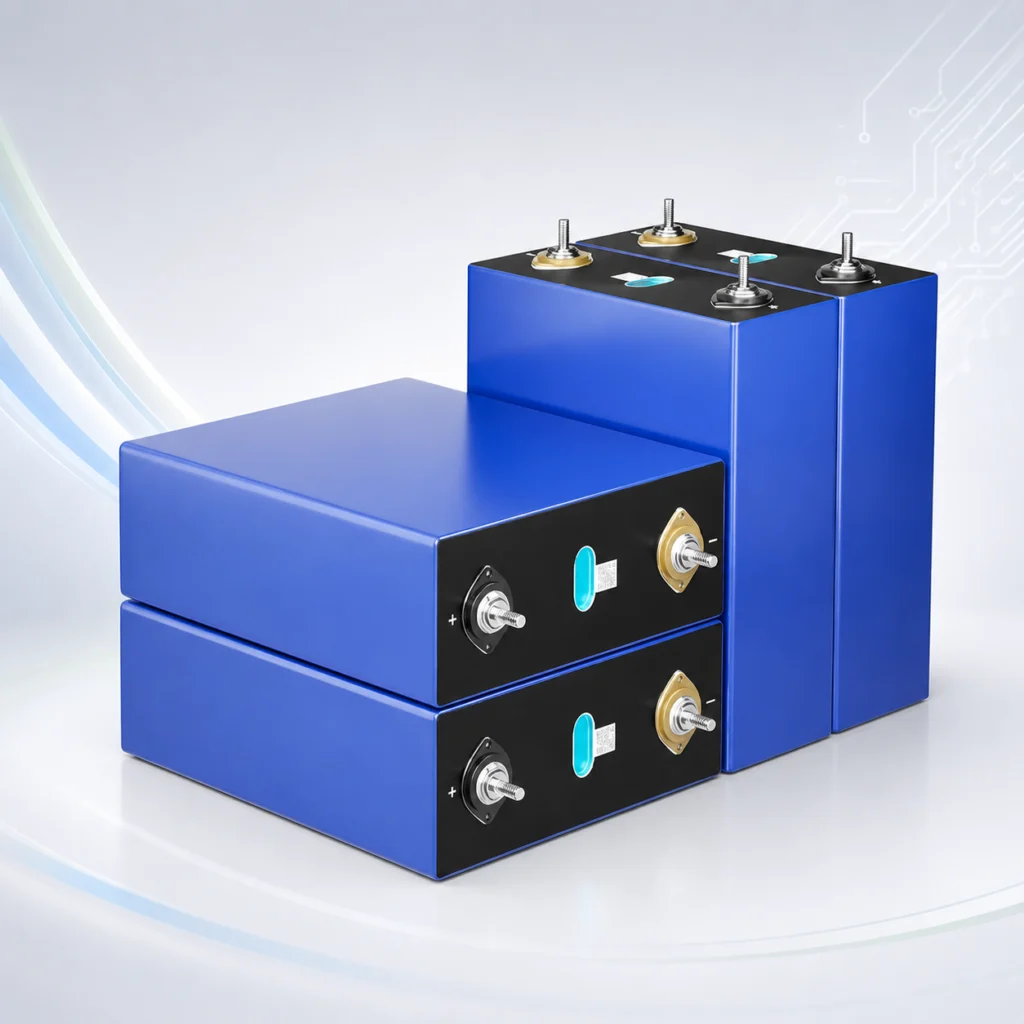
LiFePO4 batteries are commonly used in off-grid energy storage systems because of their long cycle life, good thermal stability, and relatively low maintenance requirements. Off-grid systems often require frequent charging and discharging, so battery performance has a direct impact on long-term power supply.
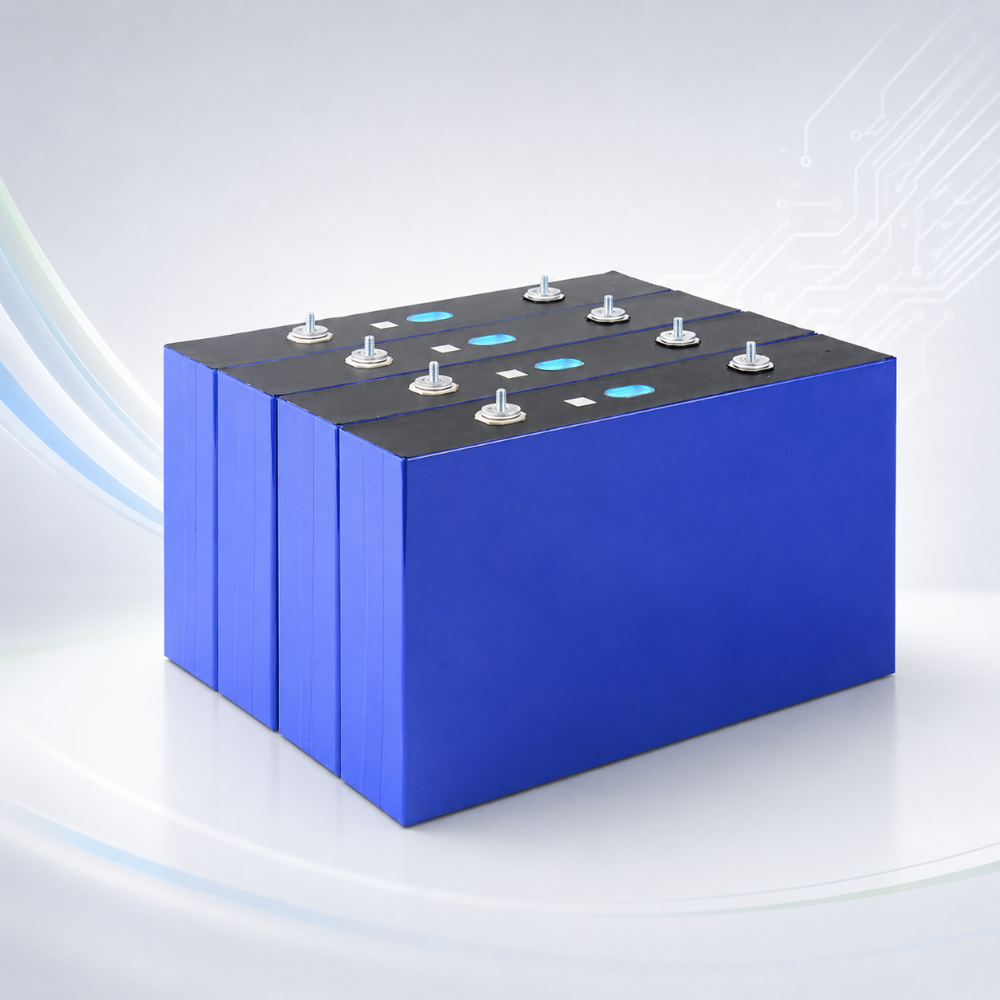
When purchasing, buyers should check cell quality, cycle life, capacity retention, rated voltage, and continuous discharge current. High-quality cells with consistent performance help maintain stable battery operation and reduce performance differences during long-term use.
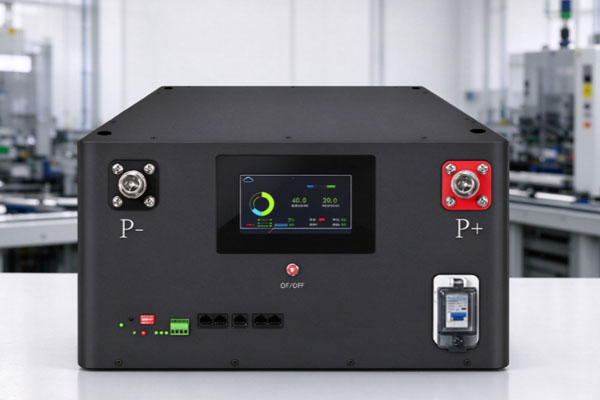
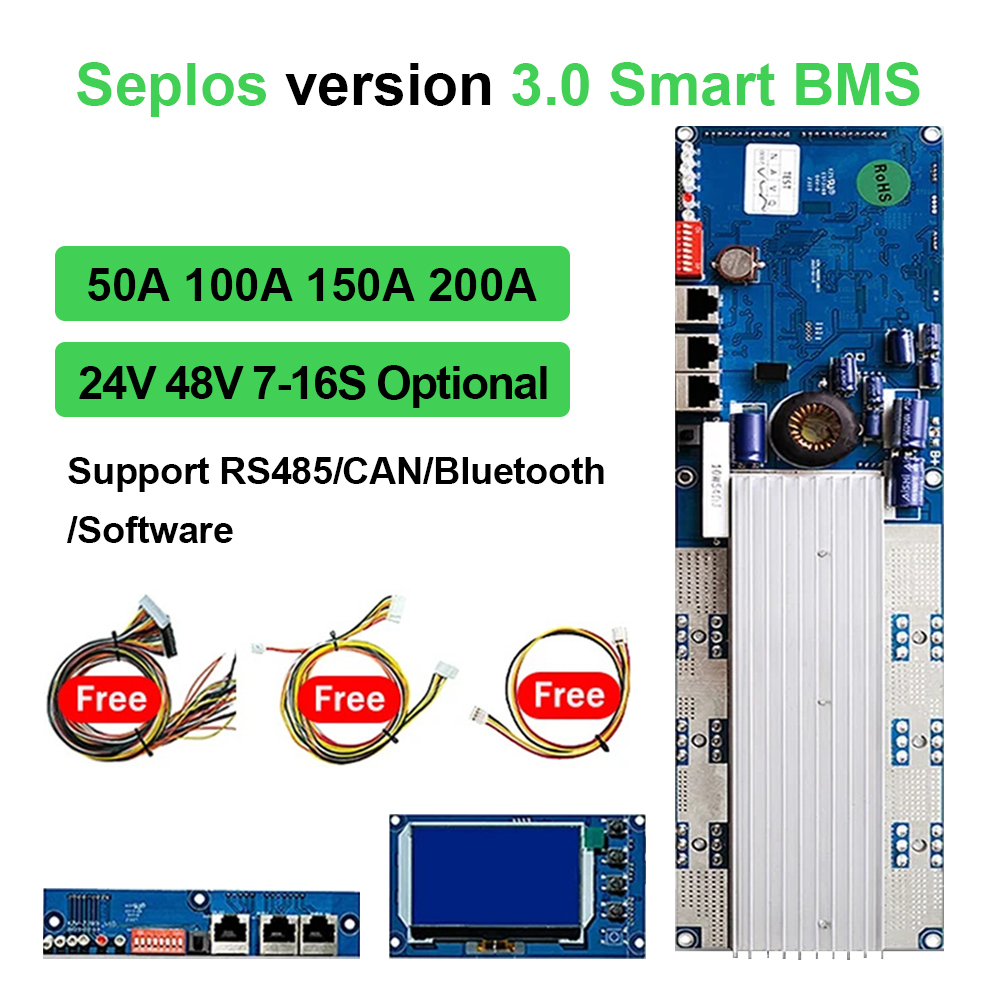
The battery management system (BMS) is equally important. It monitors voltage, current, and temperature while providing protection against overcharging, over-discharging, overcurrent, and abnormal temperatures. For batteries installed in remote locations, reliable protection features can help reduce risks caused by abnormal operating conditions.
Buyers should also check the battery’s operating temperature range and confirm that it is suitable for the local climate. If the installation location experiences low temperatures, pay particular attention to low-temperature charging limits and whether the battery includes low-temperature protection or a heating function.
A durable battery enclosure, reliable connection terminals, and proper installation requirements should not be overlooked. Choosing batteries with clear technical specifications and complete testing documents helps improve the long-term reliability of an off-grid energy storage system.
Check Inverter Compatibility and System Configuration
Off-grid energy storage batteries must work with inverters, solar charge controllers, and power generation equipment. Even if the battery capacity is suitable, differences in voltage, charging and discharging current, or communication protocols may affect system operation.
Before purchasing, confirm that the battery’s rated voltage matches the inverter requirements. Check the maximum charging current, continuous discharge current, and peak output capability. For systems that require communication control, confirm that the battery and inverter support compatible CAN or RS485 communication protocols.
Some storage batteries support parallel connections or system expansion. However, different models may have specific requirements for the number of connected batteries, wiring methods, and battery consistency. Batteries with different specifications should not be mixed without confirming compatibility.
Buyers can provide the inverter model and system configuration to the supplier before ordering. This allows the supplier to check compatibility in advance.
Solar panels and charge controllers also need to be configured properly. Solar generation capacity should match daily electricity consumption and battery capacity. This helps prevent long periods of insufficient charging or excessive generation capacity. In areas with unstable solar conditions, a backup generator may be considered as an additional power source.
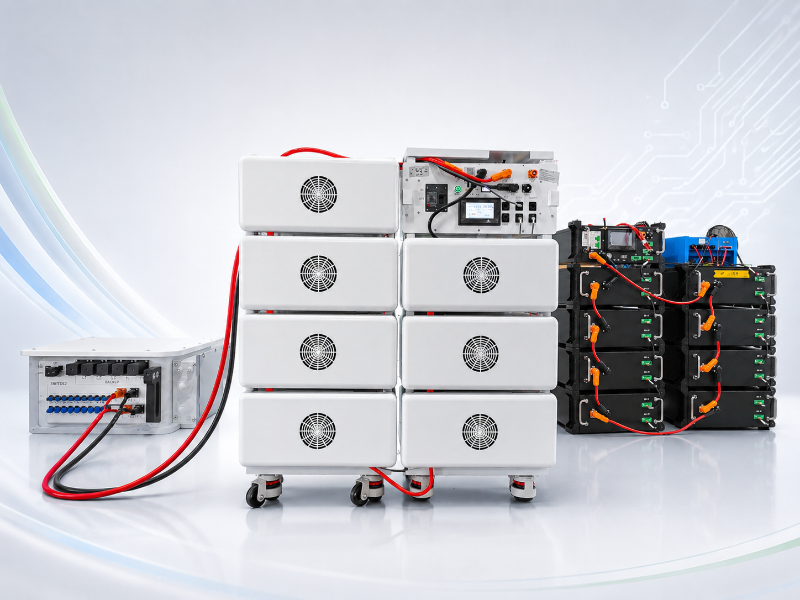
A complete off-grid system should coordinate the battery, inverter, solar panels, and electrical loads to ensure that all components operate together correctly.
Off-Grid Battery Suppliers and Purchasing Considerations
Choosing a reliable battery supplier helps reduce uncertainty during purchasing and long-term operation. Different manufacturers may use different cell sources, production processes, quality inspection standards, and after-sales service policies. Buyers should check manufacturing capabilities, product certifications, warranty conditions, and technical support before placing an order.
For residential projects, installation convenience, system compatibility, and maintenance requirements are important. For farms, communication stations, and commercial off-grid projects, buyers should also confirm bulk supply capacity, long-term technical support, and system expansion services.
Before purchasing, check the following details:
- Technical specifications: Confirm battery capacity, voltage, charging and discharging current, and cycle life.
- Safety protection: Check BMS protection functions, temperature monitoring, and fault alerts.
- Compatibility: Confirm that the battery works with the inverter, solar charge controller, and other equipment.
- Product certifications: Check the safety certifications and transportation documents required in the target market.
- Warranty service: Confirm the warranty period, after-sales response, and troubleshooting support.
- Customization: Check whether capacity, voltage, dimensions, and communication functions can be customized.
The quotation should clearly list the costs of the battery, accessories, packaging, transportation, and installation services. This helps prevent unexpected expenses during project implementation.
For off-grid systems designed for long-term operation, buyers should not choose a product based only on the lowest initial price. Battery quality, service life, and the supplier’s ongoing support are also important. Selecting the right LiFePO4 battery based on load requirements, power generation conditions, installation environment, and future expansion plans helps maintain a stable electricity supply and supports long-term independent power use.