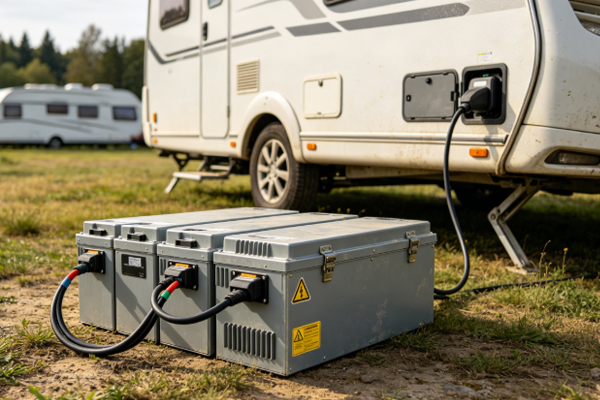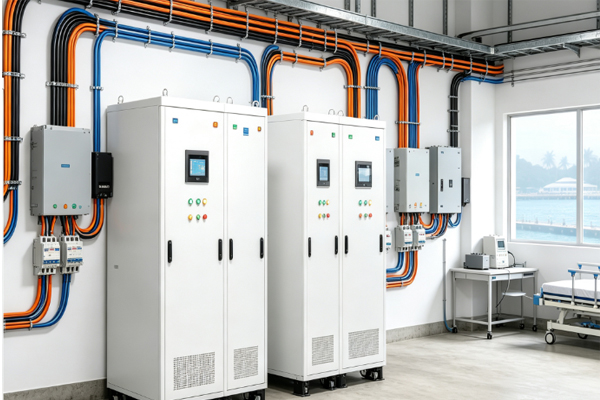
LiFePO₄ battery packs are widely used in household energy storage, electric vehicles, solar systems, RV power supplies, communication backup power supplies, and industrial energy storage equipment due to their high safety, long cycle life, and good stability. As the usage time increases, internal battery materials gradually change, affecting battery capacity, charging and discharging efficiency, and cell consistency. Therefore, regularly testing the health status of LiFePO₄ battery packs is an important task to ensure stable equipment operation. Battery health status usually refers to the ratio between the current battery performance and the condition of a new battery, including remaining capacity, cell consistency, internal resistance changes, charging and discharging capability, and BMS management system operation.
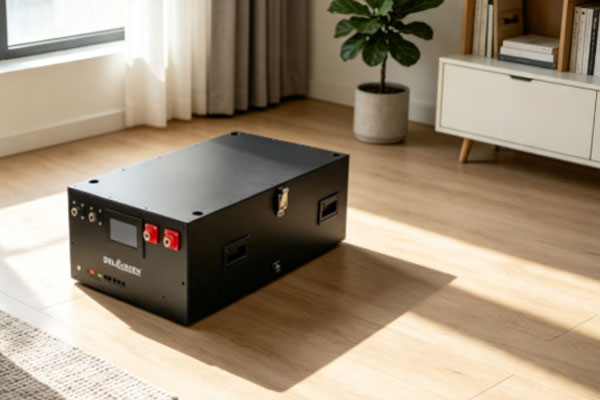
During use, many users only pay attention to whether the battery can still operate, while ignoring whether battery performance has already declined. When problems such as shorter runtime, abnormal charging, or reduced discharge duration appear, battery degradation may have already occurred. Through scientific testing, users can understand the actual battery condition in advance and determine whether maintenance, replacement, or adjustments to usage methods are required. For large-capacity LiFePO₄ battery packs used by enterprises, regular testing can also reduce equipment downtime risks and improve overall operational stability.
Check Battery Appearance and Basic Operating Status
Observe Whether the Battery Pack Housing Has Abnormalities
When testing the health status of LiFePO₄ battery packs, appearance inspection is one of the simplest steps. Although appearance cannot completely determine the internal condition of the battery, it can help identify obvious problems, such as damaged housings, oxidized terminals, swelling, or abnormal wiring. Under normal conditions, the housing of a LiFePO₄ battery pack should remain intact without obvious deformation or damage. If cracks, abnormal expansion, or liquid marks are found on the battery housing, use should be stopped and professional inspection should be carried out.
- Check whether the battery housing is deformed.
- Check whether the positive and negative terminals are loose or oxidized.
- Confirm whether the connecting wires are damaged.
Check Whether the Battery Operating Temperature Is Normal
Temperature changes can reflect the operating condition of LiFePO₄ battery packs. During normal operation, batteries generate a certain amount of heat. However, if the temperature rises significantly during charging or discharging, it may indicate abnormal conditions inside the cells or problems with BMS management. Long-term operation at high temperatures accelerates battery aging, so temperature monitoring is also an important step in evaluating battery health.
- Observe battery temperature changes during charging.
- Avoid keeping the battery in high-temperature environments for long periods.
- Check whether temperature sensors are functioning properly.
Test Battery Capacity and Charging/Discharging Performance
Determine Actual Energy Storage Capacity Through Capacity Testing
Battery capacity is one of the most important indicators for evaluating the health level of LiFePO₄ battery packs. As the number of usage cycles increases, active materials inside the battery gradually decrease, and the actual stored energy may become lower than the rated capacity. Capacity testing usually requires fully charging the battery and then performing a complete discharge process. By recording the discharged energy, the difference between current capacity and original capacity can be determined.
- Charge the battery to the specified voltage.
- Connect a load for stable discharge testing.
- Record the actual output capacity and analyze the results.
Check Whether Charging and Discharging Efficiency Is Stable
In addition to capacity, charging and discharging efficiency is also an important basis for evaluating battery condition. If the charging speed decreases significantly or the battery level drops rapidly during discharge, it may indicate that the cell performance has changed. A healthy LiFePO₄ battery pack should maintain stable charging and discharging performance under normal operating conditions.
- Observe whether charging time increases abnormally.
- Check voltage changes during discharge.
- Determine whether sudden power drops occur.
Test Cell Consistency and BMS Management System
Check Voltage Differences Between Individual Cells
LiFePO₄ battery packs are usually composed of multiple cells connected in series or parallel. The condition of individual cells affects the performance of the entire battery pack. If some cells experience reduced capacity or increased internal resistance, the overall battery performance will decrease. During testing, the voltage status of each individual cell needs to be checked. In a healthy battery pack, individual cell voltages usually maintain small differences. Excessive voltage differences indicate possible problems with cell consistency.
- Check the real-time voltage of each cell.
- Compare data between different cells.
- Perform balancing treatment promptly when abnormal voltage is detected.
Check BMS System Protection Functions
The BMS is an important management system for LiFePO₄ battery packs. It can monitor voltage, current, and temperature while providing protection against overcharging, over-discharging, and overcurrent. If BMS data is abnormal, it may affect the user’s judgment of the actual battery condition. Therefore, when testing battery health, it is necessary to confirm whether the BMS can collect data properly.
- Check whether BMS display data is accurate.
- Check whether there are any fault alarms.
- Confirm whether protection functions activate normally.
Frequently Asked Questions
How to Determine Whether the Capacity of a LiFePO₄ Battery Has Decreased?
Capacity reduction can be evaluated through complete charging and discharging tests. If the actual discharge capacity is significantly lower than the battery’s original capacity, it indicates that the battery has experienced a certain degree of degradation. For example, if a LiFePO₄ battery originally rated at 100Ah can only release around 80Ah after long-term use, it means the capacity has decreased and further inspection is required.
Can a Multimeter Be Used to Test Battery Health Status?
A multimeter can measure the current voltage of a battery pack but cannot fully determine battery health. Normal voltage does not necessarily mean normal capacity because some aged batteries can still maintain normal voltage under no-load conditions. More accurate testing usually requires combining capacity testing, internal resistance testing, and BMS data analysis.
How Often Should LiFePO₄ Battery Packs Be Tested?
The testing frequency depends on the usage environment. Household energy storage equipment can be inspected periodically, while industrial equipment or frequently used battery packs require more frequent testing. If problems such as reduced runtime, abnormal charging, or equipment alarms occur, inspections should be performed promptly.
Although LiFePO₄ battery packs have long service life and high safety performance, battery performance will still gradually change after long-term charging and discharging cycles. Therefore, regularly testing battery health status is an important measure to ensure stable equipment operation. During the testing process, comprehensive evaluation should be performed based on appearance, voltage, capacity, charging and discharging performance, cell consistency, and BMS system conditions. Checking only one individual data point usually cannot accurately reflect the actual battery condition. For example, normal static voltage does not mean that internal capacity has not decreased; a BMS without alarms does not completely prove that all cells are in good condition.
Regularly checking battery capacity and operating data can help identify abnormal conditions in time. A battery pack in good health should maintain stable voltage output, an appropriate temperature range, good capacity performance, and normal protection functions. If significant capacity reduction, increased cell voltage differences, or frequent BMS alarms are detected during testing, maintenance should be performed promptly. Correctly testing the health status of LiFePO₄ battery packs can not only extend battery service life but also improve equipment operating safety. Through scientific inspection and proper maintenance, battery packs can maintain more stable performance and reduce operational impacts caused by battery abnormalities.