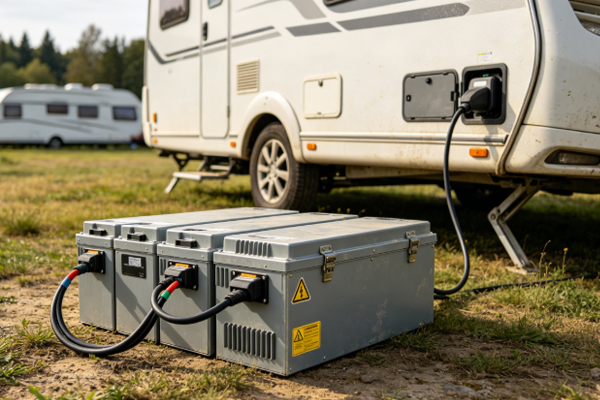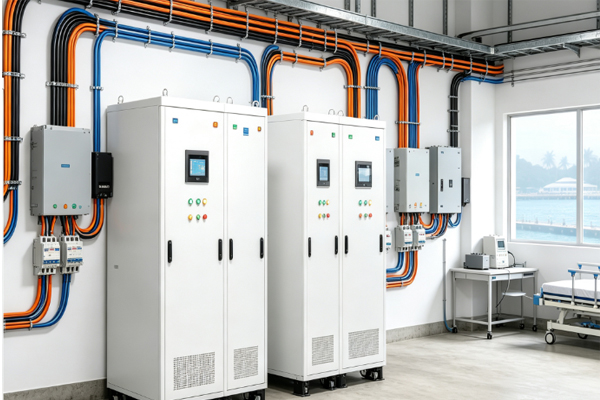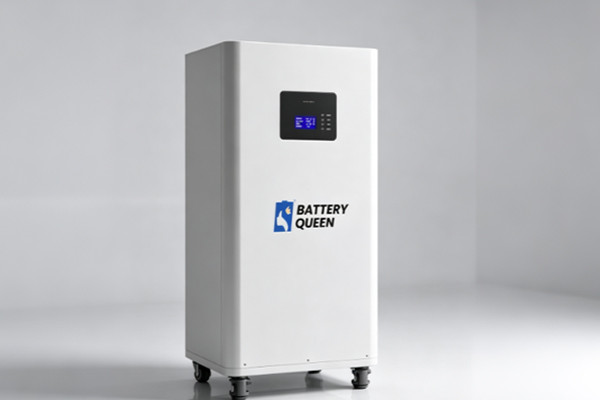
LiFePO₄ battery packs are widely used in household energy storage, electric vehicles, solar energy storage systems, RV power supplies, industrial backup power supplies, and other fields due to their high safety, long cycle life, and good stability. However, even though LiFePO₄ batteries themselves have excellent stability, incorrect storage conditions over a long period may still cause problems such as capacity reduction, decreased cell consistency, BMS protection activation, or failure to charge and discharge properly.
A LiFePO₄ battery pack that is not used for a long time does not mean it can be completely ignored. Proper storage methods can reduce natural battery degradation and maintain stable battery performance. Users need to pay attention to remaining battery capacity, storage environment, regular inspections, and testing before reactivation. Especially for battery packs purchased in bulk or used as backup power sources, standardized maintenance methods are even more important to prevent equipment from becoming unavailable due to long-term inactivity.
Adjust Battery Capacity Before Storage
Maintain Appropriate Battery Level Before Storage
When LiFePO₄ battery packs are not used for a long time, the storage charge level is very important. Many users believe that storing the battery fully charged is safer, but maintaining a 100% full charge state for a long time can increase internal cell pressure and accelerate battery aging. A more suitable method is to adjust the battery capacity to an appropriate storage level before stopping use. Generally, maintaining around 40%-60% charge capacity is recommended, as this can prevent excessive discharge while also reducing the losses caused by long-term full-charge storage.
- Before stopping use, check the remaining battery capacity.
- Avoid keeping the battery connected to a charger at full charge for a long time.
- Perform a complete inspection before storage to confirm that the voltage status is normal.
Prevent Long-Term Storage at Low Battery Levels
Although LiFePO₄ batteries have a relatively low self-discharge rate, they will still gradually consume power during long-term storage. If the battery remains at a low charge level or completely discharged for a long period, it may cause the cell voltage to become too low and affect future charging recovery. Especially for battery packs equipped with BMS protection systems, when the voltage drops below the protection value, the BMS may enter protection mode, preventing the device from starting normally.
- It is not recommended to store batteries after completely draining the power.
- Check battery voltage changes regularly.
- Recharge the battery promptly if the power level becomes too low.
Control the Storage Environment
Choose a Dry and Ventilated Storage Location
When LiFePO₄ battery packs are stored for a long time, environmental conditions can affect the battery housing, electrical connectors, and internal electronic components. A humid environment may cause metal terminals to oxidize and affect connection stability. Therefore, unused batteries should be placed in a dry and well-ventilated location, avoiding long-term storage in damp basements, outdoor environments, or areas prone to water accumulation.
- Avoid battery exposure to water and moisture.
- Keep the storage area well ventilated.
- Prevent dust from covering connection ports.
Avoid High Temperature and Extreme Temperature Environments
Temperature has a significant impact on the storage life of LiFePO₄ batteries. Long-term exposure to high temperatures will accelerate the aging of internal battery materials, while excessively low temperatures may affect the battery’s future charging and discharging performance. When storing batteries, avoid direct sunlight and keep them away from heaters, heat sources, or high-temperature equipment.
- Do not store batteries in areas exposed to strong sunlight, such as inside vehicles.
- Avoid placing batteries near boilers, heating equipment, or other heat sources.
- Indoor room-temperature environments are more suitable for long-term storage.
Regularly Check Battery Status
Regularly Check Voltage and Remaining Capacity
Although LiFePO₄ battery packs have a low self-discharge characteristic, they still require regular inspection during long-term storage. Users can arrange periodic checks according to storage duration, such as checking battery voltage, power display, and BMS operating status at regular intervals. If the battery voltage drops significantly during inspection, additional charging should be performed in time to prevent the battery from entering a deep discharge state.
- Check battery display screens or management software data.
- Check whether individual cell voltages remain balanced.
- Record battery status changes to facilitate future maintenance.
Check Whether the BMS Protection System Works Properly
The BMS is an important management device for LiFePO₄ battery packs, and its operating condition also needs attention during long-term storage. Some intelligent BMS systems continue to consume a small amount of power. Without regular inspection, they may gradually reduce battery capacity over time. For battery packs with communication functions, operating data can also be viewed through monitoring systems to detect abnormal conditions in advance.
- Check whether protection functions operate normally.
- Confirm that the battery management system has no alarms.
- Contact professional technicians promptly if abnormalities are detected.
Frequently Asked Questions
Does a LiFePO₄ Battery Need Charging After Being Unused for Half a Year?
If the battery pack is only idle for a short period, such as several months, the battery capacity can be adjusted before storage and checked before reuse. If the storage period is longer, it is recommended to check the battery level during storage and recharge according to actual conditions. Completely ignoring inspections for a long time increases the possibility of low-voltage problems.
Will a LiFePO₄ Battery Be Damaged If It Is Not Used for a Long Time?
Under normal conditions, LiFePO₄ batteries have good storage stability and will not be immediately damaged due to short-term inactivity. However, if they remain in high-temperature, fully charged, or low-charge conditions for a long time, battery performance degradation may accelerate. Proper storage and regular maintenance can effectively reduce the impact caused by long-term inactivity.
What Should Be Noted When Reusing a Battery After Long-Term Storage?
Before reactivation, check the battery appearance, voltage, connectors, and BMS status. During the first use, a small-load test can be performed to confirm that charging and discharging functions are normal before returning to regular operation.
Although LiFePO₄ battery packs have advantages such as high safety, stable performance, long cycle life, and strong durability, scientific maintenance is still required when they are not used for a long time. Many users overlook management during idle periods and believe that simply shutting down the equipment and storing the battery is sufficient. However, this approach may gradually cause problems such as reduced capacity, abnormal voltage, or difficulty starting the battery. During long-term storage, the battery capacity should be adjusted in advance to avoid storing it in a fully charged or completely discharged state. At the same time, a dry, ventilated, and temperature-appropriate location should be selected to reduce the impact of environmental factors on the battery structure and electronic components. For battery packs equipped with BMS management systems, regular monitoring of operating status is also required to ensure that protection functions remain normal.
For enterprises that purchase LiFePO₄ battery packs in bulk, such as backup power systems, communication equipment batteries, or energy storage project batteries, a regular inspection system should be established. By recording voltage, capacity, and operating data, problems can be identified more easily and maintenance can be carried out in time. Proper maintenance of LiFePO₄ battery packs can not only preserve battery performance but also reduce future replacement costs. Whether for household users or enterprise users, performing basic maintenance during long-term battery storage allows the battery to maintain stable and safe operation when it is used again.