The quality of a battery pack affects equipment power stability, service life, and operational safety. For buyers and equipment manufacturers, choosing a supplier involves more than comparing product prices. It is also important to understand the manufacturer’s cell selection, BMS configuration, production processes, and quality inspection capabilities. Manufacturers differ in technical expertise, production conditions, and project experience. Insufficient evaluation may lead to unstable performance, communication incompatibility, or difficulties with after-sales maintenance. Finding a suitable manufacturing partner requires assessing product capabilities, production quality, safety verification, and service support.

Evaluate the Manufacturer’s Product and Customization Capabilities
Different devices have different requirements for battery pack voltage, capacity, dimensions, and functions. Manufacturers should have the capabilities to meet these requirements.
- Product Specifications: Check whether the manufacturer offers suitable voltage, capacity, and structural specifications to ensure the battery pack is compatible with the equipment.
- Custom Development: For special dimensions, connection methods, or load requirements, confirm whether the manufacturer provides structural design, electrical configuration, and sample development services.
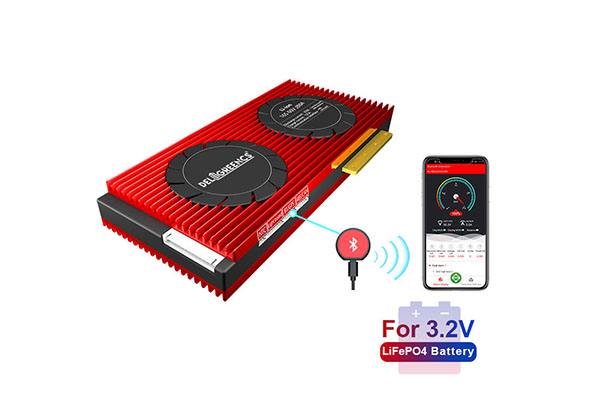
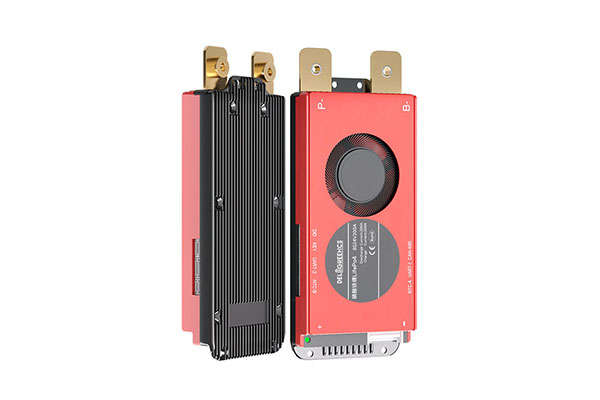
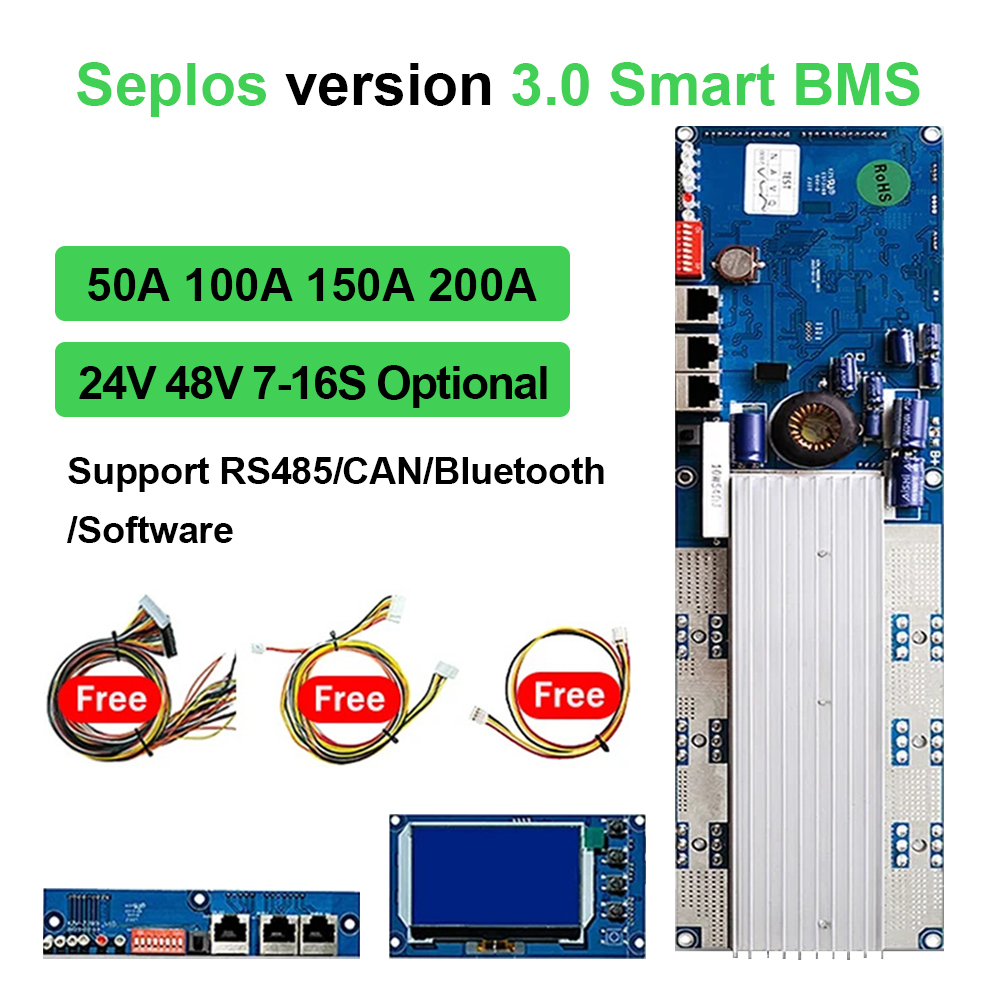
- BMS Technology: Find out whether the manufacturer can configure the Battery Management System (BMS) according to application requirements and support cell monitoring, balancing, and protection functions. For equipment requiring communication capabilities, also check whether the communication protocols are compatible.
Product development capabilities and BMS compatibility directly affect the actual performance of a battery pack.
Understand Cell Selection and Production Processes
Cell quality and assembly standards are important factors affecting battery pack performance. Buyers should pay attention to key production processes.
- Cell Sources: Understand the manufacturer’s cell procurement channels, batch management, and quality traceability to confirm supply stability.
- Cell Matching: Check capacity, voltage, internal resistance, and performance consistency to reduce the impact of differences between individual cells on battery pack operation.
- Assembly Processes: Evaluate cell fixation, welding connections, wiring layout, and insulation to ensure standardized assembly procedures.
- BMS Configuration and Testing: Confirm whether the manufacturer can complete BMS parameter configuration, wiring inspections, and functional testing to ensure the protection system matches the battery pack.
Proper cell selection and assembly processes help improve overall battery pack quality.
Verify Product Testing and Safety Measures
When purchasing battery packs, understand whether the manufacturer has a complete product testing process. Pay particular attention to capacity, charging and discharging performance, wiring connections, and protection functions. Confirm that BMS voltage, current, and temperature monitoring, as well as cell balancing functions, have been tested. For products requiring communication capabilities, data transmission and equipment interaction should also be checked. In addition, verify the applicable certifications and testing documents according to the product’s intended use, sales region, and transportation requirements. Make sure these documents correspond to the actual products being purchased. The manufacturer’s ability to provide complete test records and quality traceability information is also an important indicator of its quality management capabilities.
Evaluate Delivery Capabilities and After-Sales Service
Stable supply and timely technical support can reduce problems during procurement and long-term use.
- Delivery Capabilities: Understand the manufacturer’s production arrangements, delivery schedules, and bulk supply capabilities to confirm whether they can meet project timelines.
- After-Sales Service: Ask about troubleshooting, repair, and product replacement procedures to clarify how potential issues will be handled.
- Long-Term Support: Check whether the manufacturer can maintain consistent product specifications and provide ongoing technical support.
Reliable delivery and after-sales services help support long-term cooperation.
Choosing a reliable battery pack manufacturer requires a comprehensive evaluation of cell quality, matching processes, BMS technology, production management, and after-sales service. For industrial equipment and energy storage projects, communication compatibility and product certification requirements also deserve attention. Before purchasing, assess the manufacturer’s actual capabilities through production inspections, sample testing, and technical discussions. Clearly define product specifications, quality requirements, and after-sales responsibilities. Understanding these key factors can help reduce procurement risks and identify a battery pack manufacturer that meets the needs of the project.