LiFePO4 batteries and regular lithium batteries both belong to the lithium-ion battery family. They are widely used in home energy storage, solar power systems, electric vehicles, communication equipment, and industrial power applications. However, they differ in cathode materials, safety performance, cycle life, energy density, and operating costs. Regular lithium batteries often refer to lithium-ion batteries that use ternary materials as their cathode, while LiFePO4 batteries use lithium iron phosphate. These different material structures affect battery performance and suitable applications. Understanding these differences can help users choose the right battery for their energy storage needs.

Differences in Materials Between LiFePO4 and Regular Lithium Batteries
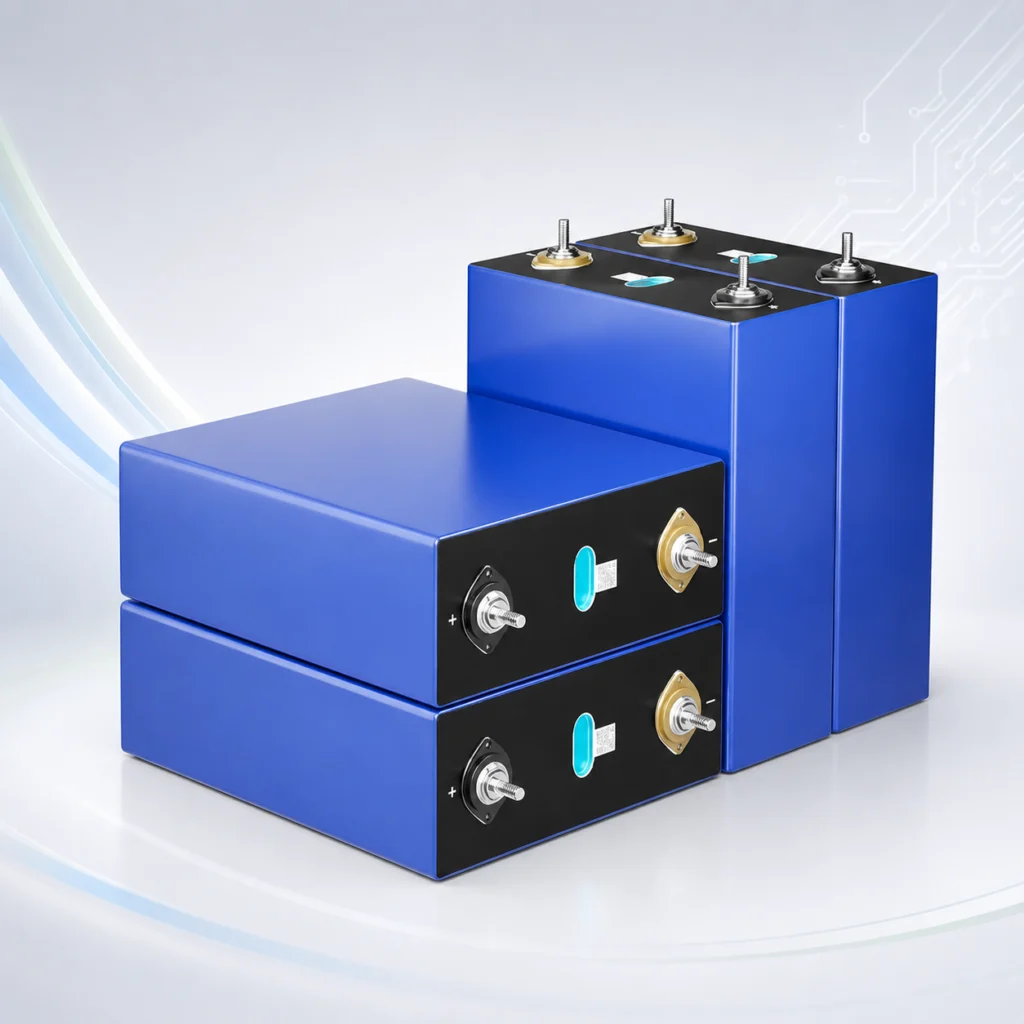
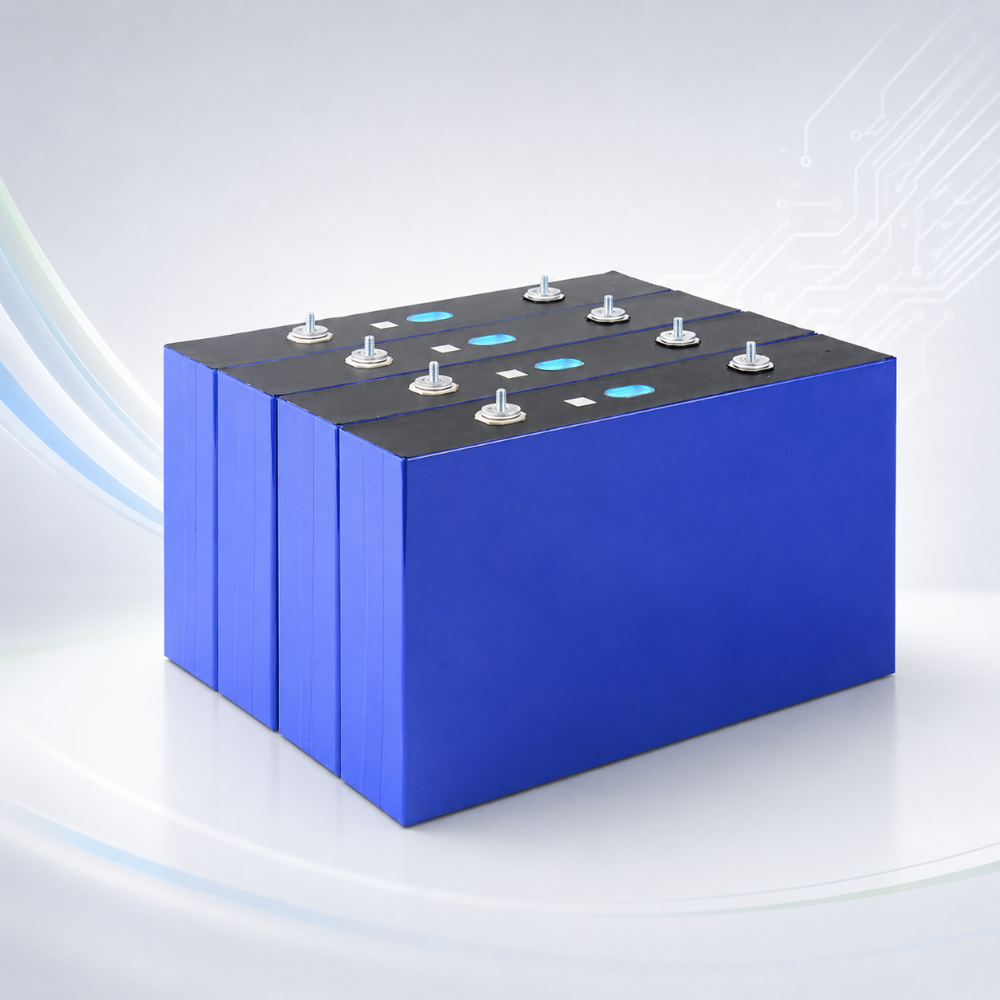
The main difference between LiFePO4 batteries and regular lithium batteries is their cathode material. LiFePO4 batteries use lithium iron phosphate as the cathode material. Its stable crystal structure helps maintain good structural stability during charging and discharging. Regular lithium batteries that use ternary cathode materials are generally made with combinations of nickel, cobalt, manganese, or nickel, cobalt, and aluminum. These materials offer higher energy density.
Different cathode materials affect battery voltage, energy storage capacity, thermal stability, and cycle performance. LiFePO4 batteries generally have a lower operating voltage than common ternary lithium batteries, but their stable material structure makes them suitable for energy storage equipment that requires long-term operation. Ternary lithium batteries are more suitable for applications with strict weight and size requirements.
Safety Differences Between LiFePO4 and Regular Lithium Batteries
Safety is an important factor when choosing an energy storage battery. LiFePO4 batteries have good thermal stability. Under high-temperature or abnormal operating conditions, their structural stability is generally better than that of common ternary lithium batteries, resulting in a relatively lower risk of thermal runaway. This makes them suitable for residential energy storage, solar storage, and commercial and industrial energy storage systems. However, LiFePO4 batteries are not completely free from safety risks. Overcharging, short circuits, physical damage, and improper installation can still cause problems.
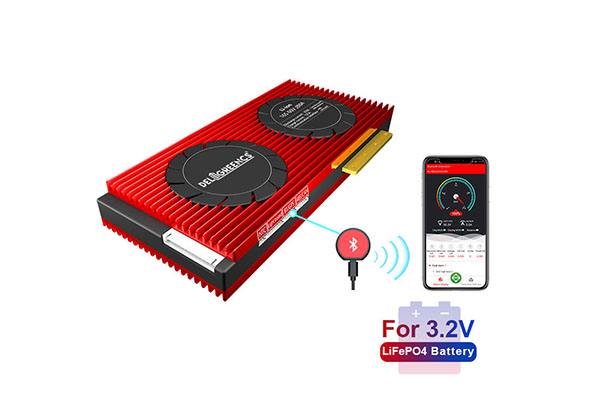
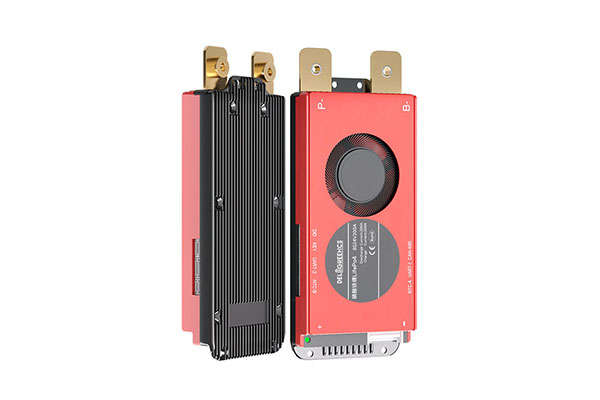
Regular ternary lithium batteries offer higher energy density, but some material systems require more careful thermal management under high-temperature or abnormal conditions. Regardless of the battery type, a suitable battery management system (BMS) is essential. It should provide protection against overcharging, over-discharging, overcurrent, short circuits, and abnormal temperatures. Battery casing, connection design, heat dissipation, and installation conditions also affect overall safety. For long-term energy storage applications, choose products that have undergone quality testing and meet relevant standards.
Differences in Cycle Life and Operating Costs
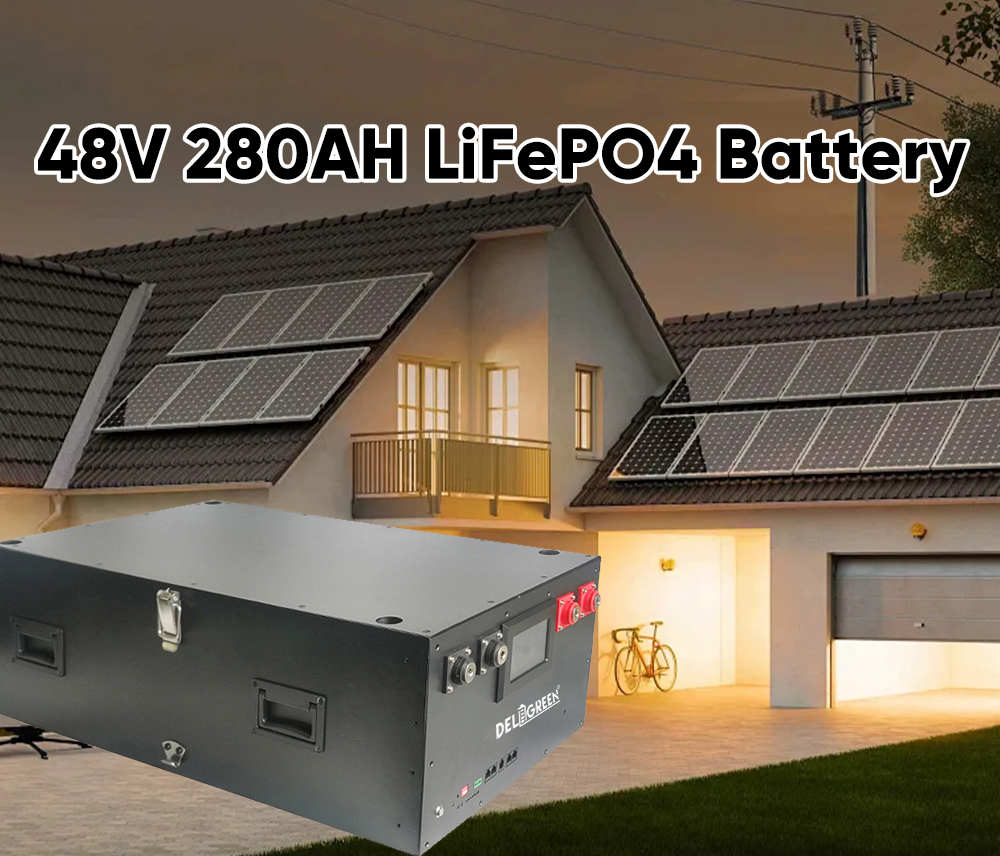
Cycle life is an important indicator of a battery’s long-term value. LiFePO4 batteries generally offer a longer cycle life and are suitable for energy storage systems that require daily charging and discharging. In residential solar storage applications, batteries store electricity generated by solar panels during the day and release it at night. This creates frequent charge and discharge cycles. LiFePO4 batteries can handle these requirements well and may help reduce replacement frequency. The cycle life of regular ternary lithium batteries depends on their material composition, depth of discharge, temperature, and operating conditions. Some products have a relatively shorter cycle life, but actual performance should always be checked against the manufacturer’s test data.
In terms of long-term operating costs, the initial purchase price of a LiFePO4 battery is not always the lowest. However, its longer cycle life may reduce replacement and maintenance expenses over time. Regular lithium batteries offer higher energy density, making them useful in space-limited equipment where smaller size and lower weight are important. When purchasing a battery, consider the purchase price, expected service life, usable capacity, warranty period, and maintenance requirements instead of comparing products only by their unit price.
What Are the Main Differences Between LiFePO4 and Regular Lithium Batteries?
Both battery types have their own advantages and suitable applications. Users can compare the following characteristics based on their equipment and operating conditions:
- Energy Density: Common ternary lithium batteries offer higher energy density and are suitable for equipment with strict size and weight limits. LiFePO4 batteries generally have lower energy density.
- Thermal Stability: LiFePO4 batteries offer good thermal stability, making them suitable for energy storage systems that operate over long periods.
- Cycle Life: LiFePO4 batteries generally provide a longer cycle life and are suitable for frequent charging and discharging.
- Operating Voltage: The nominal voltage and charging cutoff voltage differ between the two types. Their chargers and battery packs should not be used interchangeably without checking compatibility.
- Weight and Size: For the same storage capacity, LiFePO4 batteries generally require more installation space. Actual dimensions depend on the cell and battery pack design.
These differences directly affect battery performance in practical applications. When selecting a product, check its technical specifications, charging and discharging rates, operating temperature range, and protection functions. Battery type alone is not enough to determine actual performance.
Which Applications Are Suitable for LiFePO4 Batteries?
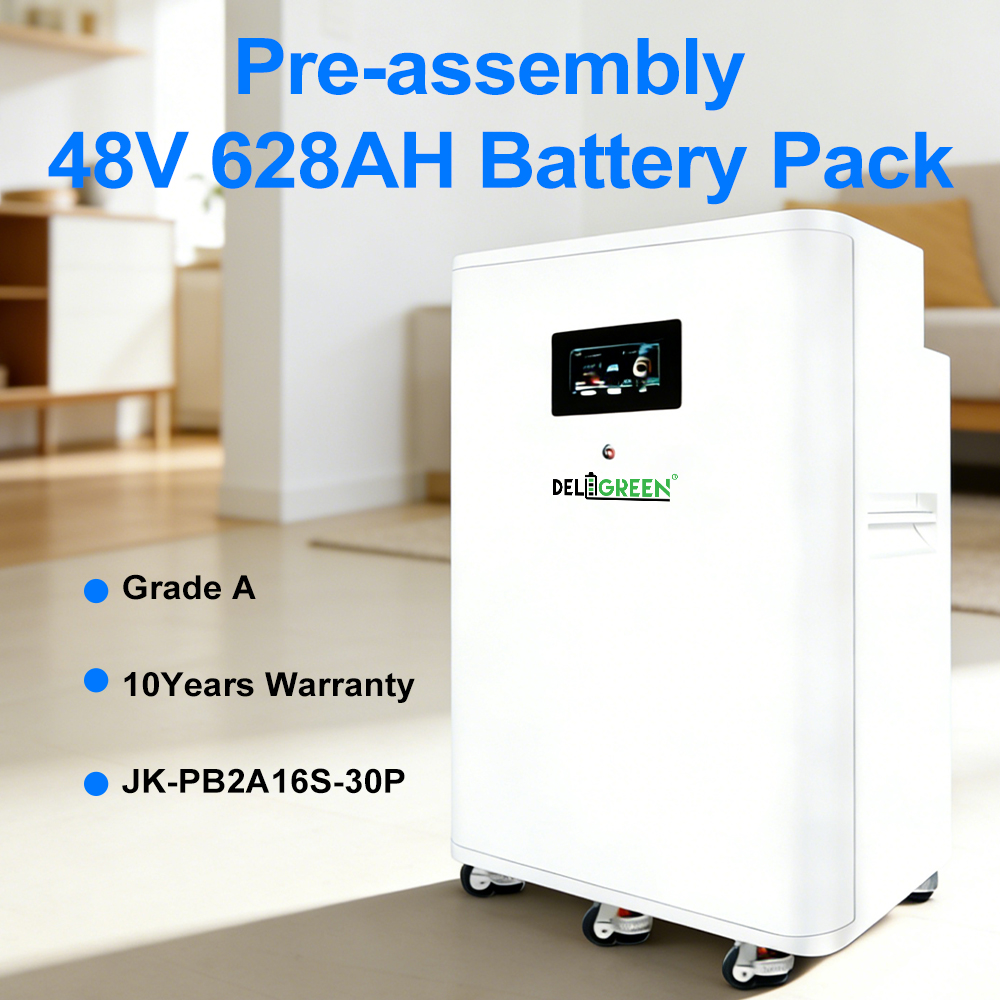
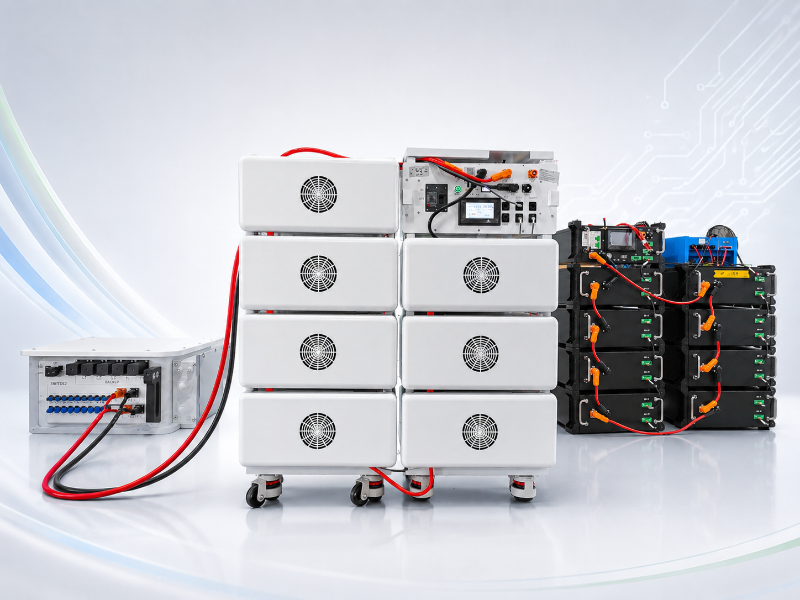
LiFePO4 batteries are suitable for applications that require a long service life, stable charging and discharging, and good safety performance. Residential energy storage systems can use LiFePO4 batteries to store electricity generated by solar panels and supply power to lighting, refrigerators, and other household appliances. Commercial and industrial energy storage systems can store electricity and provide backup power to help businesses manage their energy demand. RVs, communication base stations, solar streetlights, and off-grid power systems can also use LiFePO4 batteries according to their capacity and voltage requirements. Regular ternary lithium batteries are commonly used in electric vehicles, portable electronic devices, and products that require high energy density and lightweight designs.
- When purchasing a LiFePO4 battery, pay attention to the following points:
- Capacity and Voltage: Select battery specifications according to equipment power, daily electricity consumption, and required backup time.
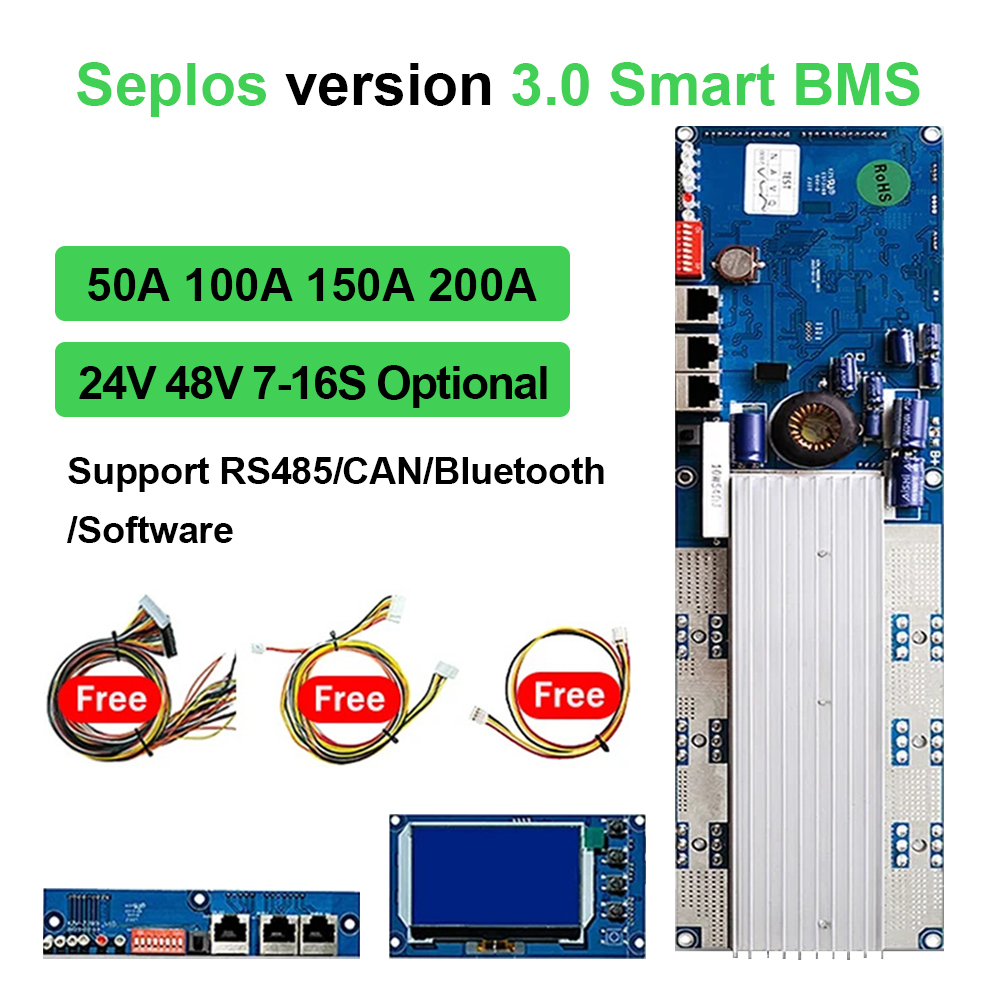
- BMS Functions: Make sure the battery includes necessary voltage, current, and temperature protection.
- Charger Compatibility: Use a charger or inverter that meets the charging requirements of LiFePO4 batteries.
- Manufacturer Support: Check the product warranty, technical support, testing documents, and after-sales service.
There is no absolute winner between LiFePO4 batteries and regular ternary lithium batteries. The right choice depends on the actual application. For residential energy storage, solar storage, and commercial and industrial energy storage, LiFePO4 batteries are often a preferred option because of their good thermal stability and long cycle life. For equipment with strict space and weight limitations, regular lithium batteries with higher energy density can also be a suitable choice. Before purchasing, compare battery specifications, operating conditions, and system compatibility to ensure reliable long-term performance.