Robots may be getting smarter, but the battery still plays a major role in how reliably they work. Industrial robots, AGVs, inspection robots, and cleaning robots all have different power requirements. Using a standard battery without checking the actual application can lead to problems such as poor fit, short runtime, or insufficient discharge performance. A custom robot battery pack solution starts with the robot’s real working conditions and matches voltage, capacity, dimensions, connectors, and protection functions so the battery can fit properly, run reliably, and deliver consistent performance.
How to Customize a Robot Battery Pack? Start With These Parameters
A robot battery is not simply a matter of connecting several cells together. When requesting a custom battery pack, it is better to provide the robot’s electrical specifications along with the available installation space. This gives the battery supplier enough information to design a pack that actually fits the equipment instead of creating extra modification work later.
What Parameters Are Needed for Custom Robot Batteries?
- Operating voltage: Confirm whether the robot system uses 12V, 24V, 36V, 48V, or another voltage.
- Battery capacity: Determine the required Ah capacity based on operating time and daily usage.
- Peak current: Starting motors, climbing ramps, or rapid movement can require much higher current than normal operation.
- Installation dimensions: Provide the length, width, height, and mounting-hole positions of the battery compartment.
- Connector requirements: Confirm the connector type, cable length, and positive/negative terminal positions in advance.
Once these parameters are clear, battery pack design becomes much more straightforward. Peak current is especially easy to overlook. A robot may operate normally during regular movement but experience voltage drops when starting, turning, or carrying heavier loads. In many cases, this is where the problem begins.
How to Choose Robot Battery Capacity? Don’t Focus Only on Ah
Two 48V robots can have completely different power consumption. An AGV that moves at low speed for long periods has different battery requirements from a mobile robotic arm that frequently accelerates, stops, and changes direction. Battery capacity should not be selected simply by choosing a larger number. Actual operating conditions, daily usage, charging frequency, and task duration all matter.
What Battery Requirements Do Different Robots Have?
| Robot Type | Typical Power Characteristics | Key Battery Considerations |
| AGV/AMR | Long operating hours, frequent starts and stops | Capacity, cycle life, peak discharge |
| Inspection robot | Relatively long operating time, stable load | Runtime, weight, dimensions |
| Cleaning robot | Continuous motor operation | Capacity, heat management, cycle performance |
| Mobile industrial robot | Significant load changes | Discharge capability, connectors, mounting |
| Service robot | Limited space, frequent charging | Lightweight design, dimensions, charging method |
If a robot is expected to work continuously for eight hours a day, the battery should not be sized right at the theoretical power consumption. Acceleration, changing loads, low temperatures, and battery aging can all affect actual runtime. Leaving reasonable capacity margin usually makes the system much easier to use in real working conditions.
How Should Robot Battery Dimensions and Connectors Be Matched?
Many robot projects only discover an installation problem during the prototype stage. The battery may perform well electrically, but it may not fit inside the battery compartment, or the connector may be positioned incorrectly. This is where a custom battery pack becomes valuable. Cell selection is only one part of the design. The enclosure, cable routing, connector position, and mounting structure also need to be considered before production.
What Dimensions Should Be Confirmed for a Custom Robot Battery?
- Battery compartment dimensions: Accurate length, width, and height reduce the risk of structural modifications.
- Mounting method: Screw holes, clips, rails, and other mounting methods should be confirmed in advance.
- Cable outlet: Avoid excessive cable bending that could affect installation and operation.
- Connector position: The connector direction and location can directly affect internal wiring.
How Should the BMS and Protection Functions Be Selected?
Robots frequently start, stop, accelerate, and change speed during operation, so the battery pack must manage charging and discharging conditions reliably. A BMS can monitor cell voltage, temperature, overcurrent, and other operating conditions. For robots that require battery level monitoring, fault feedback, or communication with the control system, communication functions can also be designed into the battery pack.
A practical customization process usually starts with the robot’s voltage, power consumption, dimensions, and connector requirements. The battery capacity and discharge requirements are then confirmed before a prototype is produced for testing. After the sample battery is installed and tested on the robot, the enclosure, wiring, or BMS parameters can be adjusted before moving into mass production. This approach can save a lot of trouble compared with placing a large order before the design has been verified.
Why Are LiFePO4 Batteries Commonly Used for Robots?
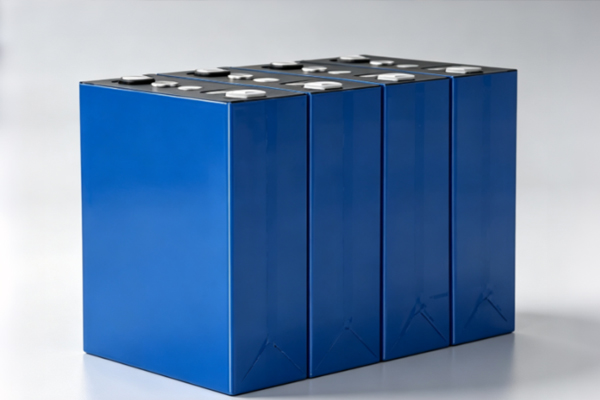
LiFePO4 batteries are attracting attention in robotic applications for more than just their capacity. Robots may operate for long hours every day and experience frequent charge and discharge cycles, so buyers often care about cycle performance, operating stability, and long-term maintenance costs. For AGVs, mobile robots, inspection equipment, and other equipment that operates regularly, LiFePO4 batteries can provide stable performance while allowing manufacturers to customize battery dimensions and connectors to match different robot designs.
| Customization Item | Common Options | Key Points to Confirm |
| Battery cells | LiFePO4 | Capacity, consistency, cycle performance |
| Voltage | 12V/24V/36V/48V and more | Match the robot control system |
| Capacity | Selected based on power consumption and runtime | Meet the required task duration |
| BMS | Standard or customized | Current, temperature, communication |
| Enclosure | Plastic, metal, or custom structure | Dimensions, mounting method |
| Connector | Customized for the equipment | Type, position, cable length |
For robot manufacturers, a reliable battery supplier should do more than simply sell battery packs. Consistency from prototype development and dimensional confirmation to mass production is often much more important. Deligreen provides LiFePO4 batteries, battery packs, DIY battery boxes, and BMS accessories, with customization options for voltage, capacity, structure, and connectors. When a robot model is upgraded, the battery pack can also be modified to meet the new design instead of starting the entire process from scratch.
A good robot battery usually proves itself once it is installed and tested: Does the voltage remain stable during startup? Is the runtime long enough? Is charging convenient? Does the battery interfere with the internal structure? These are the details buyers really care about. For robot manufacturers and project procurement teams, a custom robot battery pack solution helps address these issues before mass production. With the right LiFePO4 battery, BMS, and pack design, manufacturers can also build a standardized robot battery product that is easier to produce and purchase in larger quantities.