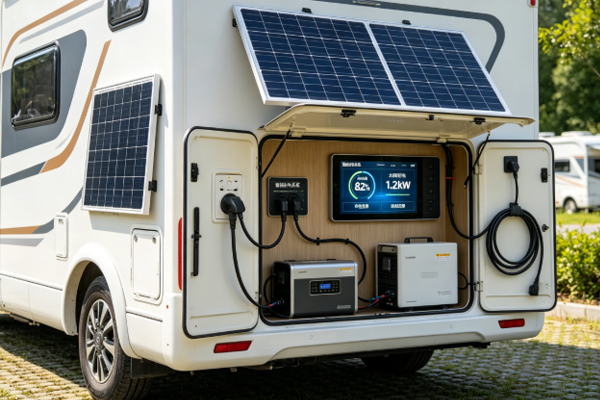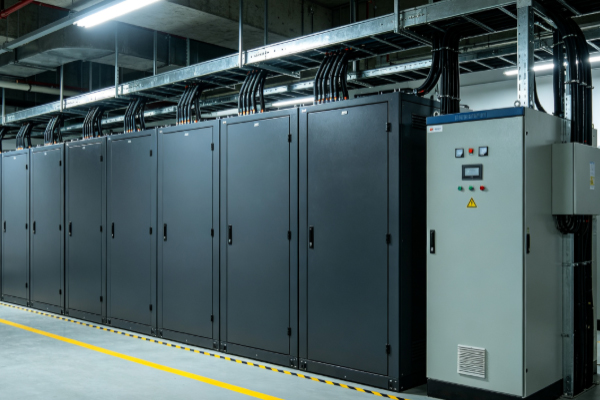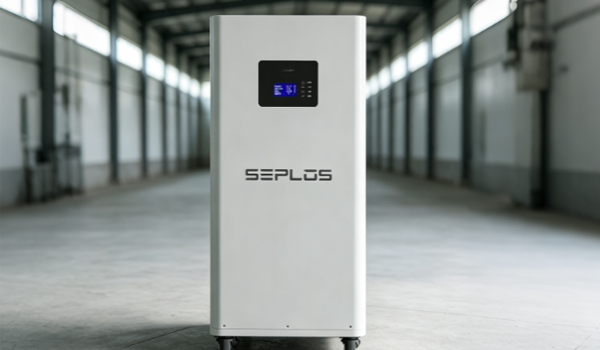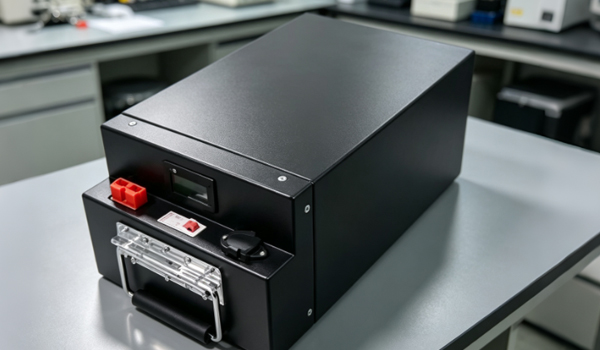
One of the biggest concerns in greenhouse operations is not simply sudden weather changes, but losing power while critical equipment is running. When fans, water pumps, grow lights, or temperature control systems stop, the growing environment can change quickly. For farms with solar power systems, another common issue is having plenty of electricity during the day but not enough at night. A greenhouse battery energy storage solution stores excess solar power during the day and makes it available at night, during cloudy weather, or during power outages. Battery capacity, operating conditions, backup time, and future expansion all deserve attention before purchasing a system.
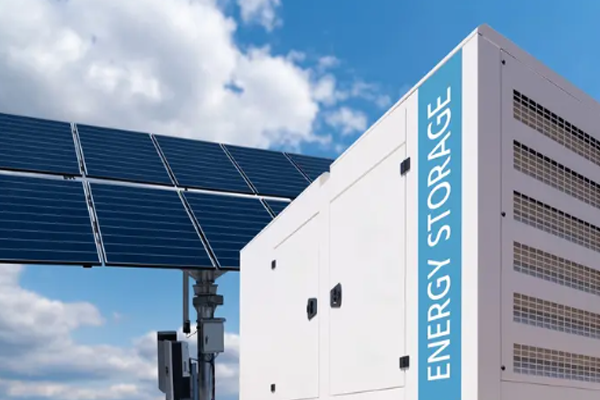
How to Choose a Greenhouse Battery? Start With Daily Power Consumption
Greenhouse electricity use is not as predictable as household consumption. Weather, seasons, and crop types can all change how long equipment needs to run. Fans may operate for long periods during hot weather, while heating equipment can create additional loads during colder months. If you only look at Ah capacity when purchasing a battery, you may end up with too little capacity or spend money on a system that is much larger than necessary. Listing the actual equipment and operating hours makes battery selection much easier.
How Much Energy Do Common Greenhouse Equipment Need?
Greenhouses usually have several types of electrical equipment, and each has different power requirements. Fans and water pumps that operate continuously place more emphasis on discharge capability, while nighttime grow lights require more battery capacity.
| Greenhouse Equipment | Power Characteristics | Energy Storage Needs |
| Ventilation fans | Long operating hours during hot weather | Continuous power supply |
| Water pumps | Scheduled or demand-based operation | Starting current and discharge capability |
| LED grow lights | Long operating hours at night | Battery capacity |
| Temperature control systems | Starts and stops based on temperature | Stable power supply |
| Automatic irrigation systems | Scheduled operation | Repeated cycling capability |
| Monitoring and sensors | Operate around the clock | Long-duration low-power supply |
How Do You Calculate Greenhouse Battery Capacity?
There is no need to immediately choose an oversized battery. List the main daily loads and check how much energy the solar system can produce and recharge. This gives you a much clearer idea of the required battery capacity.
- Calculate equipment power: Record the rated power of fans, pumps, lights, and control equipment.
- Confirm daily operating hours: Equipment usage should be estimated separately for different seasons.
- Reserve backup capacity: Do not rely entirely on same-day solar generation during extended cloudy weather.
- Calculate startup loads: Motors can require significantly higher current when starting.
- Check inverter power: A large battery cannot solve the problem if the inverter cannot handle the connected loads.
How Large Should a Greenhouse Battery Be?
If the greenhouse mainly relies on solar power during the day, the battery is primarily used to shift excess daytime electricity to nighttime consumption. A larger battery may be needed when nighttime loads are high. If the battery only needs to power monitoring devices and controllers, an oversized system is unnecessary. For larger growing facilities, loads can also be calculated by different greenhouse areas to make the battery configuration more accurate.
How Long Do LiFePO4 Batteries Last in a Greenhouse? Temperature and Charging Matter
Greenhouses can experience noticeable changes in temperature and humidity. Keeping batteries in areas exposed to high heat, moisture, or direct sunlight for long periods is not ideal. LiFePO4 batteries are widely used for energy storage, but their actual service life is also affected by charging and discharging frequency, operating temperature, battery management, and installation conditions. When purchasing a system, don’t just ask how many years the battery can last. The installation environment and system configuration matter just as much.
What Should You Consider When Installing a Battery in a Greenhouse?
Battery placement has a direct impact on future maintenance. Greenhouse space can be limited, but placing the battery next to equipment or in a damp corner simply to save space can create problems later.
- Avoid continuously damp areas: Place the battery enclosure in a dry and well-ventilated location.
- Reduce exposure to high temperatures: Keep the battery away from areas with prolonged high heat.
- Leave maintenance space: Allow enough room around the battery for inspection and replacement.
- Protect cables and connections: Moisture, soil, and dust can affect electrical connections.
Does Greenhouse Battery Operating Temperature Matter?
Yes. Greenhouse temperatures can vary considerably between daytime and nighttime, while summer temperatures inside the greenhouse can remain high for extended periods. The battery system should operate within an appropriate temperature range, with sufficient ventilation, heat dissipation, and protection. If the greenhouse is located in a cold climate, low-temperature charging protection should also be checked.
What Role Does the BMS Play in Greenhouse Energy Storage?
The Battery Management System (BMS) monitors cell voltage, temperature, and charging and discharging conditions while providing protection against overcharging, over-discharging, overcurrent, and other abnormal conditions. For greenhouse energy storage systems that operate through regular charge and discharge cycles, the BMS should not be treated as an optional detail. Larger battery packs can also support communication functions, allowing users to monitor battery status through the control system.
Greenhouse storage systems may go through repeated charge and discharge cycles every day. Poor battery management can increase maintenance requirements over time. When purchasing, it is better to confirm the BMS model, protection functions, communication method, and battery enclosure configuration together.
How Long Can a Greenhouse Battery Run During a Power Outage?
When the power goes out, not every greenhouse device needs to operate at the same time. A more practical approach is to divide equipment into critical and non-critical loads in advance. Fans, water pumps, monitoring systems, alarms, and control systems can be prioritized, while equipment that does not immediately affect crop growth can reduce its operating time. With the same farm battery storage capacity, this load-priority strategy allows available energy to be used where it matters most.
Which Equipment Should Get Priority During a Power Outage?
During an outage, equipment priority can be determined by crop protection requirements and equipment importance. This prevents the battery from being drained too quickly by running every device at the same time.
- Environmental control equipment: Maintain temperature, humidity, and air circulation.
- Circulation water pumps: Prevent irrigation and circulation systems from stopping for too long.
- Monitoring equipment: Continue collecting temperature, humidity, and equipment status data.
- Automatic control systems: Keep irrigation, ventilation, and alarm functions operating.
- Essential lighting: Provide basic lighting when necessary.
How Many Hours Can a Greenhouse Battery Provide Power?
Actual backup time depends on battery capacity, load power, and equipment operating patterns. Even with a large battery, running several high-power fans and water pumps at the same time can consume energy quickly. If the system only powers monitoring equipment, controllers, and essential pumps during an outage, the backup period can be significantly extended.
| Operating Condition | Main Battery Task | Practical Strategy |
| Daytime solar generation | Power loads and charge the battery | Prioritize solar energy use |
| Nighttime | Battery supplies major loads | Reduce unnecessary equipment |
| Cloudy weather | Extend backup power | Reserve energy for critical equipment |
| Sudden power outage | Quickly take over critical loads | Reduce greenhouse equipment downtime |
| Low battery level | Limit non-critical loads | Prioritize core equipment |
How Can You Extend Greenhouse Backup Time?
Load management is one of the easiest ways to control battery consumption during an outage. Grow lights, non-essential fans, and other equipment that can be delayed can reduce their operating time when necessary. In highly automated greenhouses, an energy management system can also assign load priorities and automatically reduce non-critical equipment when the battery reaches a preset level.
Can Greenhouse Energy Storage Batteries Be Expanded Later?
Greenhouse projects rarely stay exactly the same from the beginning. As the growing area expands, the number of fans, pumps, grow lights, and automated devices may also increase, making the original battery capacity insufficient. A modular battery system allows additional battery modules to be added later if expansion space has been reserved in advance. For farm operators, this avoids making a large initial investment and makes it easier to increase storage capacity as the growing operation expands.
Why Should You Reserve Space for Future Battery Expansion?
If the greenhouse may be expanded in the future, the initial design should consider battery cabinet space, inverter capacity, cable specifications, and the electrical distribution system. Designing only for today’s power demand may lead to expensive rewiring when the facility expands.
Can New and Existing Batteries Be Used Together?
Adding a few batteries is not always enough to complete a safe expansion. Differences in voltage, capacity, battery model, operating history, and BMS parameters can affect system performance. If the differences are too large, charging and discharging behavior may become inconsistent. Before expansion, check whether the existing battery system supports series or parallel expansion and confirm compatibility between the BMS and inverter.
What Should Be Prepared for Greenhouse Battery Expansion?
Leaving enough interfaces and installation space during the initial project design can save a lot of trouble later. Farms planning continuous expansion can prioritize modular energy storage systems, allowing battery capacity to grow along with actual electricity demand.
- Reserve battery installation space: Additional modules can be installed without redesigning the equipment area.
- Reserve electrical connections: Reduce rewiring work during future expansion.
- Check inverter expansion capability: Make sure the inverter can handle the increased battery capacity.
- Confirm BMS communication in advance: Ensure new battery modules can communicate properly with the existing system.
DELIGREEN provides LiFePO4 batteries, battery packs, DIY battery boxes, BMS accessories, and scalable energy storage products. Configurations can be tailored to voltage, capacity, structure, and application requirements. Small home greenhouses, commercial growing facilities, and large agricultural projects that require continuous operation of fans, grow lights, and water pumps can all select storage systems based on actual loads and future expansion plans.
The real value of greenhouse battery energy storage is simple: it stores electricity generated during the day and makes that power available when it is actually needed. When purchasing a system, don’t just ask, “How many Ah?” or “How much does it cost?” Daily energy consumption, equipment startup requirements, solar generation, required backup time, and future expansion plans all matter. With the right LiFePO4 battery and energy storage configuration, nighttime power use, cloudy-weather backup, and unexpected outages become much easier to manage, turning farm battery storage from a simple backup power source into a long-term energy solution.