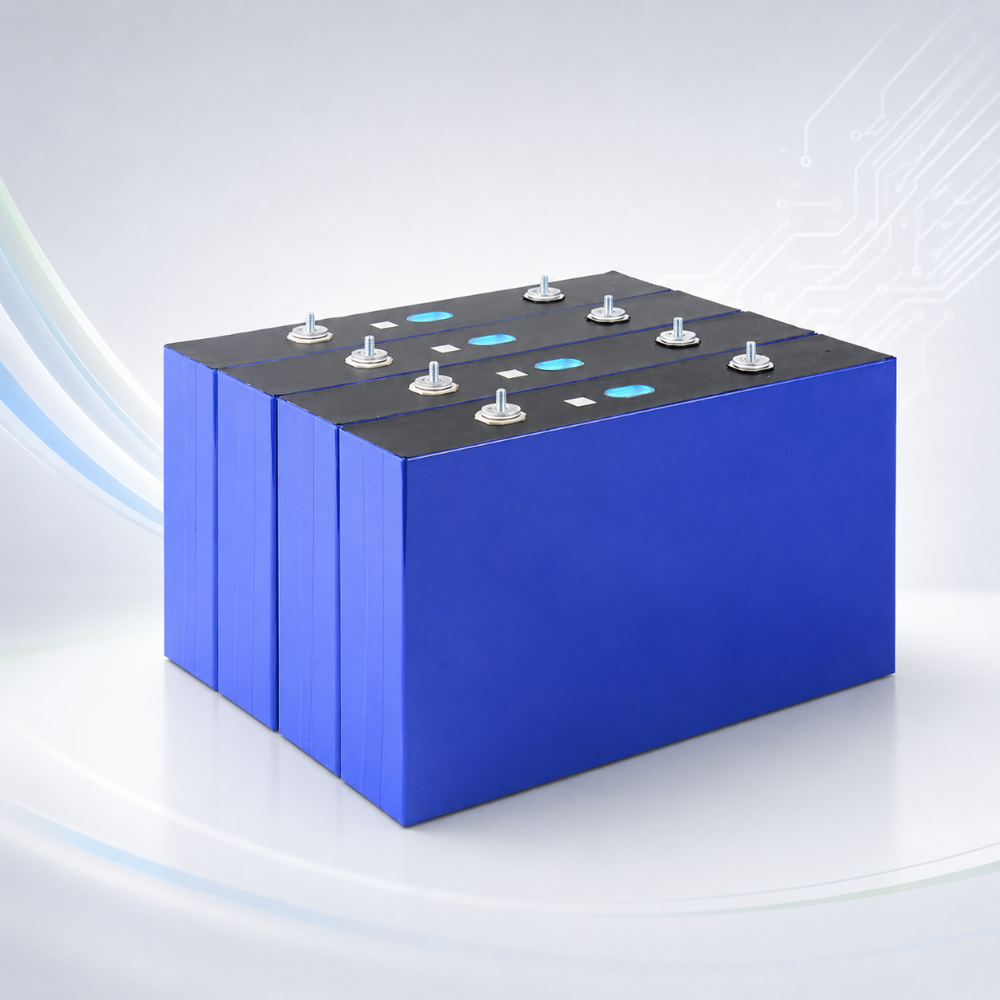
After a battery pack has been assembled, it must undergo factory testing to confirm that it meets design and application requirements. Testing covers not only basic performance indicators such as voltage and capacity but also high-current output, BMS protection functions, internal connections, and insulation conditions. For buyers, understanding these inspection items helps evaluate the manufacturer’s production quality and reduce the risk of failures after the product is put into use. Testing requirements vary depending on the battery pack’s application. Manufacturers should establish appropriate testing procedures based on cell type, battery pack structure, and actual load conditions.

Electrical Performance Testing
Electrical performance testing is mainly used to verify the battery pack’s power supply capability and output stability.
- Total Voltage Testing: Measure the battery pack’s output voltage and check the voltage status of each series-connected cell or module to identify abnormal differences.
- Capacity Testing: Evaluate the actual usable capacity through charging and discharging tests to confirm whether it meets design requirements.
- Charging and Discharging Performance Testing: Check charging and discharging performance under specified current conditions while monitoring voltage changes and operating status.
- Internal Resistance Testing: Measure the internal resistance of individual cells or the battery pack to help assess cell consistency and connection conditions.
- High-Current Load Testing: For high-power battery packs, high-current pulse discharge or dynamic load testing can be performed. Monitor voltage changes before and after loading to evaluate load voltage drop and output capability, helping identify issues such as abnormal connection resistance or insufficient current-carrying capacity.
These tests verify the battery pack’s power supply capability through both basic performance indicators and actual load behavior.
BMS and Protection Function Testing
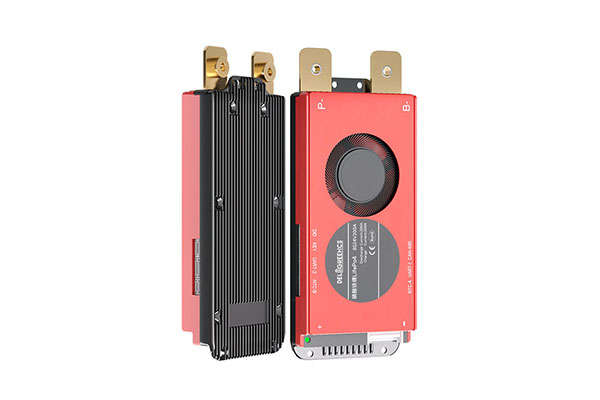
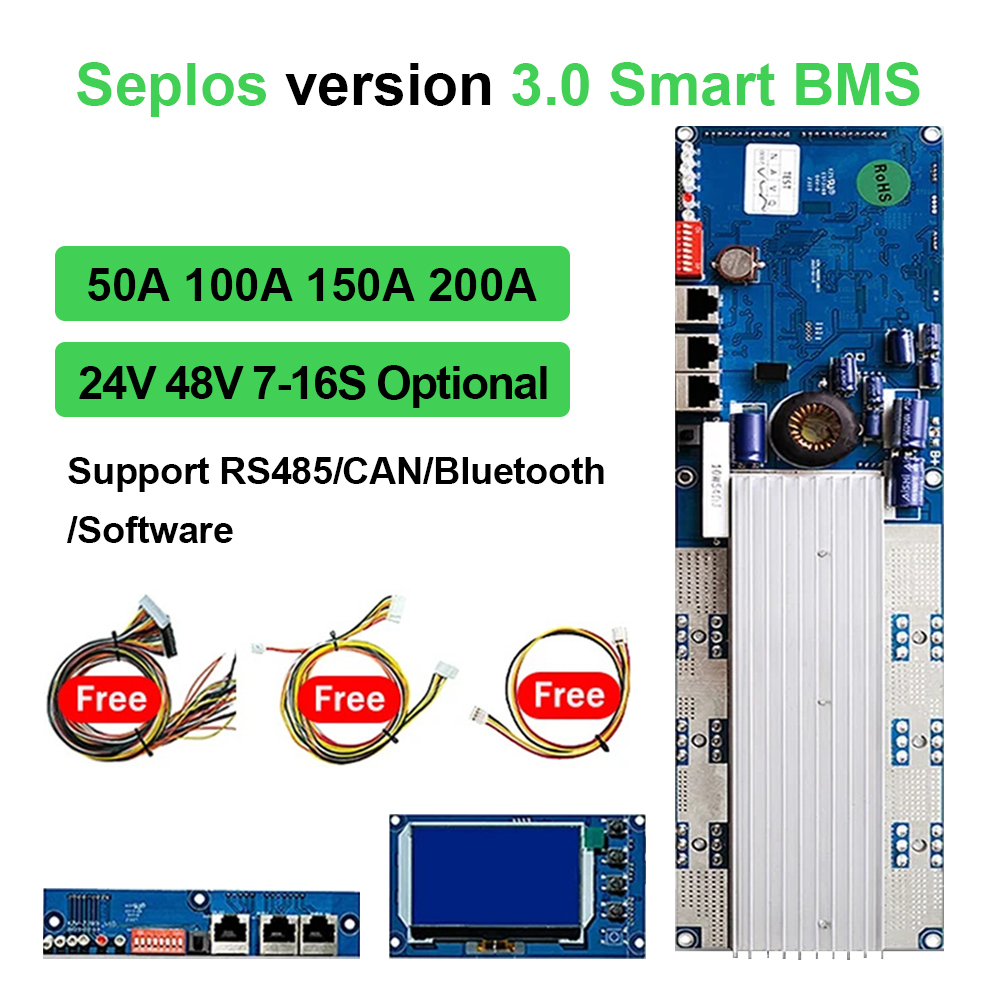
The BMS monitors battery status and provides corresponding protection. Before shipment, its voltage protection, current protection, temperature monitoring, cell balancing, and communication functions should be checked to ensure proper operation. BMS function testing confirms whether the battery management system can monitor and protect the battery pack as intended, but it cannot replace quality inspections of the cells themselves.
Structural and Connection Quality Inspection
Internal connections and external structures affect battery pack stability. Assembly quality must therefore be inspected before shipment.
- Welding and Connection Inspection: Check connecting strips, weld joints, and terminals to ensure there are no obvious cold welds, loose connections, or deformation.
- Wiring and Insulation Inspection: Check wire routing, connector fixation, and insulation conditions to prevent wire abrasion or exposed conductors.
- Enclosure and Fixation Inspection: Check the enclosure for cracks or deformation and confirm that internal cells and components are securely fixed.
Structural inspections help identify assembly defects promptly and reduce the risk of failures during transportation and operation.
Safety Testing and Factory Records
After basic performance and structural inspections, additional safety verification should be conducted according to product design and application requirements, with all results properly recorded.
- Insulation and Dielectric Strength Testing: Check the insulation condition between energized circuits and components such as the enclosure. Where applicable, perform dielectric strength testing according to product requirements.
- Temperature Rise Inspection: Monitor battery pack temperature changes under specified load conditions, paying particular attention to abnormal heating around connections and cell areas.
- Protection Function Verification: After testing key protection functions, check whether the battery pack can return to normal operating conditions and ensure no abnormalities remain.
- Testing Records: Maintain records of product models, production batches, test results, and corrective actions to support subsequent quality traceability.
Complete testing records help improve factory quality management and make product acceptance easier for buyers.
Battery pack factory testing must cover electrical performance, BMS protection, structural connections, and safety conditions. For high-power products, voltage changes and temperature rise under high-current loads also require attention. Output capability should not be evaluated solely through conventional capacity and internal resistance tests. Testing items should be determined according to the battery pack’s design parameters and application requirements, with complete quality records retained. Reviewing the manufacturer’s testing procedures and results helps buyers assess product suitability and reduce the risk of equipment failures during subsequent operation.