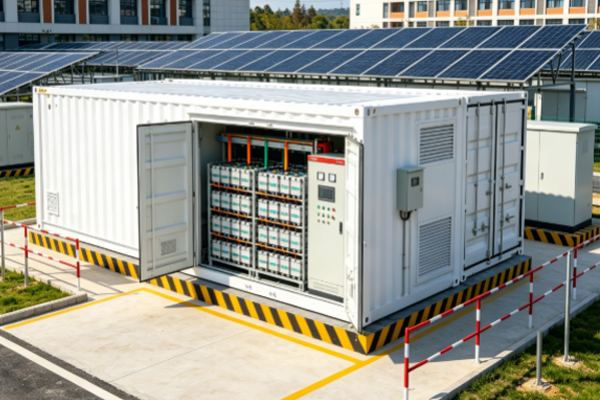
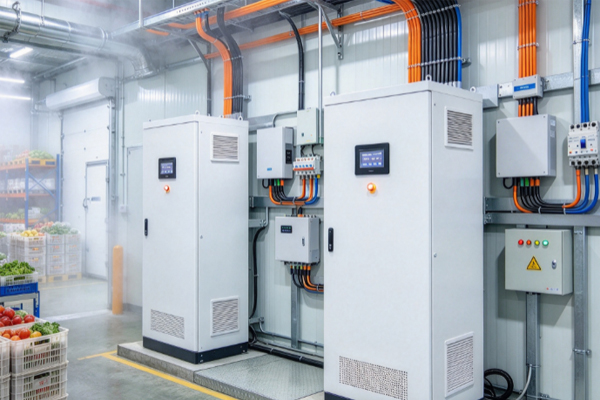
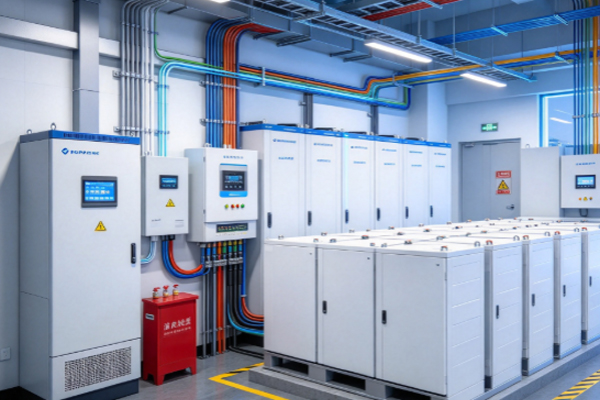
Power problems in hospitals are not always obvious until an interruption occurs. If laboratory equipment loses power during testing, it may need to restart or process samples again. A prolonged shutdown of pharmaceutical refrigeration equipment can affect storage conditions, while a loss of power to information systems may prevent medical staff from accessing data and carrying out daily tasks. Hospital backup power is not just about keeping the lights on. It is about minimizing disruptions to essential operations. LiFePO4 batteries offer good thermal stability and cycle life, making them suitable for critical load backup, medical equipment power, and energy storage projects. When selecting a solution, hospitals need to consider more than battery capacity. Department-specific power requirements, operating costs, and the performance of the complete system under real operating conditions are equally important.
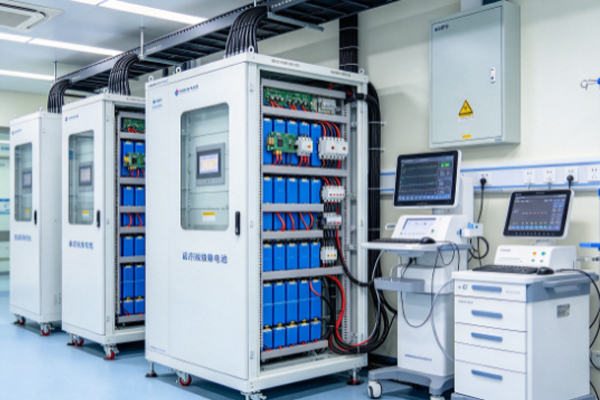
How Should Hospitals Choose LiFePO4 Batteries for Different Departments?
Not every area of a hospital needs the same backup power configuration. Laboratories focus on maintaining equipment operation, pharmacies need to keep refrigeration equipment running, and server rooms require reliable power for servers and network devices. Applying the same backup duration and configuration to every load may leave some equipment without sufficient power while increasing costs in other areas. A better approach is to define power requirements based on how each department operates.
What Battery Solutions Are Suitable for Laboratories, Pharmacies, and Server Rooms?
Equipment in different departments operates in different ways. When designing a battery system, hospitals need to consider the consequences of an interruption, not just the power rating of each device.
| Hospital Area | Potential Problems During a Power Outage | Key Battery Planning Considerations |
| Laboratories | Interrupted tests, equipment restarts, and disrupted sample processing | Acceptable interruption time, operating power, and recovery requirements |
| Pharmacies and pharmaceutical storage areas | Refrigeration stops, potentially affecting storage temperatures | Compressor startup power, backup duration, and temperature monitoring |
| Server rooms | Disrupted servers, network access, and data availability | UPS integration, transfer time, and required runtime |
| Nursing stations | Information terminals, communications, and auxiliary equipment may stop working | Critical equipment list, backup circuits, and battery monitoring |
| Common hospital areas | Emergency lighting and essential equipment may stop working | Power coverage, applicable standards, and load priorities |
Which Hospital Operations Should Receive Backup Power Priority?
To decide whether equipment needs backup power, consider what happens when it loses electricity. If a device can simply be restarted without significant consequences, its backup requirements may be relatively straightforward. If an interruption affects medical procedures, sample processing, or essential data access, the backup arrangement needs more careful planning.
- Critical loads that cannot be interrupted casually: Confirm power continuity requirements, transfer time, and backup duration in accordance with equipment specifications and hospital requirements.
- Equipment that can tolerate a brief shutdown: Some non-critical devices can be excluded from the same backup circuit to reduce the load on the battery system.
- Equipment that requires manual recovery: Establish clear restart procedures to avoid several devices starting simultaneously when power returns and creating a sudden increase in demand.
Hospitals can begin by documenting the power requirements of each department and then asking qualified electrical professionals to design the appropriate power distribution. This makes it easier to identify where rapid power transfer is necessary and where longer backup runtime is more important.
How Much Does Hospital Battery Storage Cost to Operate? Why Battery Price Is Not the Only Factor
Hospital battery storage is a long-term investment. A low purchase price does not necessarily mean lower costs over the entire service life. Usable energy, charging and discharging efficiency, maintenance requirements, and expected service life all affect the total cost of ownership. If the battery cannot meet actual load requirements, adding equipment or replacing the original configuration later may create additional expenses.
Why Are LiFePO4 Batteries Suitable for Hospital Energy Storage Projects?
LiFePO4 batteries are widely used in energy storage and backup power applications because of their good thermal stability and ability to support repeated charge and discharge cycles. However, actual performance still depends on cell quality, BMS configuration, operating temperature, and system design. The battery chemistry alone cannot guarantee that an entire system will be safe and reliable.
When evaluating a battery solution, hospitals should pay attention to the following points:
- Sufficient usable energy: Rated capacity is not the same as the total energy that can actually be used. Discharge limits and conversion losses must be taken into account.
- Suitability for daily charging and discharging: If the battery will also work with solar power or other energy sources, check the charging conditions and cycle requirements.
- Ease of maintenance: Battery status monitoring, abnormal condition alerts, and fault identification can all affect routine maintenance efficiency.
- Convenient component replacement: Confirm the battery module design, compatible equipment, and connection methods in advance to reduce disruption when a component needs replacing.
How Can Hospitals Compare the Value of Different Battery Solutions?
When comparing options, hospitals should evaluate both the initial investment and ongoing operating costs. Battery capacity, conversion efficiency, backup duration, and maintenance requirements all matter. Comparing the price of an individual battery alone does not provide a complete picture.
| Comparison Item | Information to Check | Practical Impact on Hospitals |
| Initial investment | Battery, inverter, power distribution, and installation costs | Affects the total project budget |
| Usable capacity | Actual energy available for use | Determines how much load the system can support |
| Conversion efficiency | Energy losses during charging, discharging, and inversion | Affects usable energy and operating costs |
| Maintenance requirements | Inspection intervals, monitoring, and fault handling | Affects routine maintenance workload |
| Warranty terms | Warranty period, applicable conditions, and service coverage | Influences future maintenance expenses |
| Expansion capability | Compatibility of additional batteries and supporting equipment | Affects future upgrade costs |
Hospitals planning to use energy storage over the long term can also request clear technical specifications, warranty terms, and test documentation. Price comparisons are more meaningful when the load requirements, backup duration, and system scope are the same across all options.
How Does Hospital Battery Backup Switch Over During a Power Outage?
Having a charged battery does not automatically mean that connected equipment will continue operating during a power outage. The battery must be connected to the load through suitable electrical equipment, and the system must transfer power according to its design when the utility supply fails. If the battery, inverter, UPS, and distribution circuits are not properly coordinated, the system may fail to meet transfer-time requirements or may be unable to start certain loads, even when battery capacity is sufficient.
How Can Hospital LiFePO4 Batteries Work with UPS Systems and Generators?
Batteries, UPS systems, and generators serve different purposes. A UPS provides uninterrupted or short-term transitional power to designated loads. Batteries supply stored energy to equipment within the system’s designed limits, while generators can provide sustained power when fuel and operating conditions are available. Their coordination must be determined by the hospital’s load characteristics and electrical design.
- When utility power is available: The power system operates normally, while the battery remains on standby or charges and discharges according to the system settings.
- When utility power suddenly fails: The UPS or other transfer equipment switches to the designated backup source according to the system design, supplying power to the corresponding loads.
- During an extended outage: A generator may provide a longer-term power source, while the battery operates according to the system’s control strategy. The transition between power sources must be designed and tested.
- When utility power returns: The system should restore normal power according to its control settings and ensure that the battery returns to an appropriate charging or standby state.
The actual transfer time depends on the UPS, inverter, transfer switch, and overall system design. It cannot be guaranteed by battery specifications alone. Backup power for life-support equipment and other critical medical loads must comply with applicable medical electrical standards and project requirements.
What Should Be Tested After a Hospital Battery Storage System Is Installed?
Acceptance testing should go beyond checking whether the battery can charge normally. The system must be verified under relevant operating conditions to confirm that it performs as designed. Qualified professionals should develop the test plan based on project requirements, covering power transfer, load capacity, alarms, protection functions, and responses to abnormal conditions.
Hospitals should verify the following:
- Whether the backup power source takes over the designated loads within the required time after utility power fails.
- Whether the battery and inverter can handle actual operating power and relevant startup loads.
- Whether alarms and protection functions work correctly when the BMS or supporting equipment detects an abnormal condition.
- Whether the system follows its intended operating logic when battery charge is low, charging resumes, or a generator starts.
- Whether relevant staff understand routine inspections, fault reporting, and emergency response procedures.
Testing must not involve casually interrupting medical equipment that is in active use. Hospitals should prepare a safe test plan, carry out verification without disrupting normal medical services, and retain the records for future maintenance and review.
How Can Hospital LiFePO4 Battery Systems Be Customized for Future Medical Equipment Upgrades?
Hospital power requirements may change as departments are reorganized, equipment is upgraded, and services expand. A project may initially need to protect a single server room but later require backup power for additional refrigeration units, laboratory instruments, or other critical loads. If these changes are not considered during the initial design, future expansion may require modifications to both power distribution and energy storage. A customized battery solution can better match the actual application while leaving room for future changes.
What Information Is Needed Before Customizing a Hospital Battery Pack?
Hospitals do not need to prepare complicated engineering documents at the very beginning. They can start with basic project information and let technical specialists confirm the details later.
- Main load data: Provide equipment names, power ratings, quantities, and details of which devices must remain operational.
- Backup power requirements: Specify how long the equipment needs to run and any requirements for power transfer time.
- Existing supporting equipment: Provide the models and specifications of UPS systems, inverters, chargers, and power distribution equipment.
- Installation conditions: Describe the battery location, available space, temperature conditions, and maintenance access requirements.
- Future plans: If new medical equipment may be added or the backup power coverage may need to expand, explain these plans so the system’s expansion capability can be assessed.
This information helps determine suitable battery voltage, capacity, output capability, communication interfaces, and physical design, rather than selecting a battery based on a single specification.
What Should Hospitals Consider When Upgrading Battery Storage Later?
Expanding a battery system is not simply a matter of adding more battery packs. New batteries must be compatible with the existing system, and the inverter capacity, power distribution equipment, protection settings, and installation space must also be checked. Battery models, operating conditions, and communication protocols can all affect expansion.
For hospital projects intended for long-term use, it is worth confirming at the design stage whether the system supports modular expansion and whether additional load testing or protection verification will be needed after new batteries are installed. Any modifications affecting critical medical loads should be assessed and carried out by qualified professionals. Increasing capacity should never come at the expense of the existing system’s power safety.
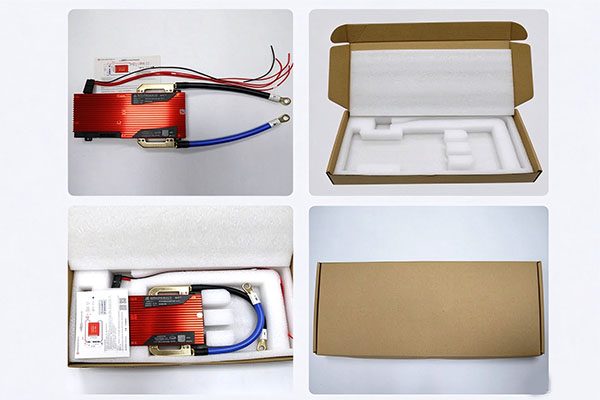
The goal of a hospital LiFePO4 battery solution is to provide backup power that meets real medical operating requirements, not simply to increase stored energy. Whether the application involves laboratory equipment, pharmaceutical refrigeration, server rooms, or other critical medical loads, the required backup duration, transfer time, actual power demand, and maintenance conditions should be clearly defined during the design stage. If you are planning a hospital battery storage project, share your main load list, existing UPS or inverter specifications, required backup duration, and installation conditions to discuss suitable LiFePO4 batteries, battery packs, DIY battery boxes, BMS accessories, and scalable energy storage solutions. This will provide a clearer basis for equipment selection and system design.