Cylindrical batteries may experience declining charge levels and performance during long periods of inactivity due to self-discharge, temperature changes, and battery aging. For equipment manufacturers, battery buyers, and everyday users, maintenance involves more than checking the charge level. Storage conditions, battery condition, and pre-use inspections also require attention. Different battery chemistries and models have different requirements for storage charge levels, temperature, and maintenance intervals, so a single approach is not suitable for every battery. Developing a proper storage plan can help reduce deterioration during inactivity and improve the management of spare batteries and inventory.
How to Prepare Cylindrical Batteries for Long-Term Storage
Before placing batteries into storage, check their condition and specifications to avoid storing potentially damaged batteries alongside those in normal condition.
Inspect the Battery Appearance and Specifications
A basic inspection before storage helps identify visible problems and provides useful information for future management.
- Check the casing: Look for deformation, corrosion, leakage, or other damage. Do not continue charging or using a battery if abnormalities are found.
- Verify model information: Record the battery model, chemistry, and rated specifications to prevent confusion when retrieving batteries later.
- Separate batteries by condition: Keep batteries in normal condition separate from those requiring inspection to prevent potentially defective units from being mixed with regular inventory.
Completing these checks before storage helps ensure that batteries are handled according to their actual condition.
Set an Appropriate Storage Charge Level
The initial charge level affects how a battery should be managed during long periods of inactivity, so follow the product’s specific requirements.
- Lithium-ion batteries: Before long-term storage, adjust the charge level according to the manufacturer’s instructions. Avoid keeping batteries fully charged for extended periods or allowing them to reach an excessively low charge level.
- Removable batteries: If the equipment manual permits safe removal, consider storing the battery separately from the device to reduce standby power consumption.
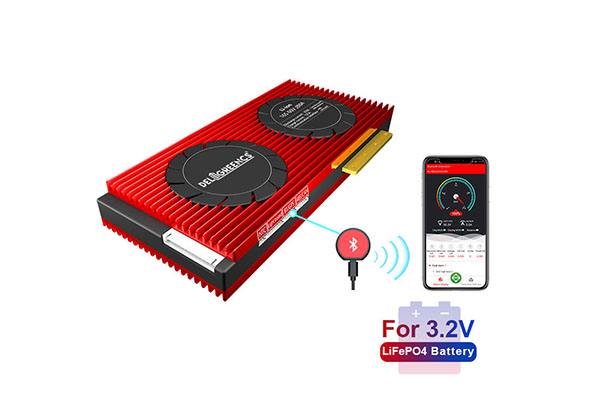
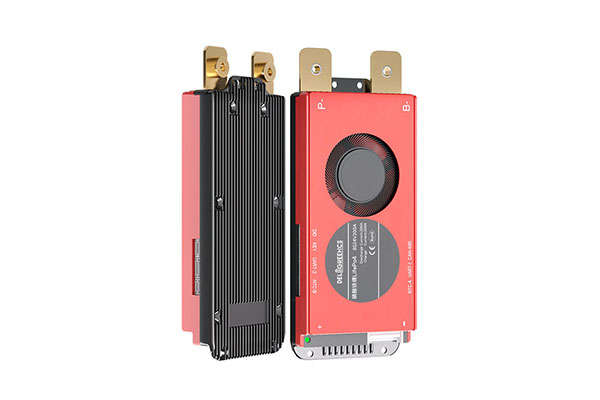
- Battery packs with management systems: Account for the standby power consumption of the protection board or battery management system to prevent the pack from losing charge continuously during storage.
Setting the initial charge level appropriately can reduce risks associated with charge loss over time.
Storage Environment Requirements for Cylindrical Batteries
Environmental conditions can affect battery aging. The storage area should therefore provide stable temperatures, low moisture exposure, and safe placement.
Avoid High Temperatures and Humid Conditions
Choosing a suitable storage location helps limit the impact of environmental factors on battery condition.
- Keep batteries away from heat sources: Avoid placing them in direct sunlight, inside vehicles exposed to heat, or near heating equipment.
- Keep the area dry: Prevent exposure to standing water and excessive humidity to reduce the risk of terminal corrosion and damage to insulating components.
- Follow temperature requirements: Each battery model has its own storage temperature range. Refer to the relevant product specifications instead of applying one temperature range to every battery.
Maintaining a suitable and stable environment supports long-term storage more effectively than simply increasing inspection frequency.
Provide Insulation and Mechanical Protection
Battery packaging and placement must also meet appropriate safety requirements. Use suitable insulating packaging to separate positive and negative terminals and prevent contact with metal objects. Do not compress or stack batteries in a way that could cause damage, and keep them away from locations where they may fall or be struck. Batteries with different specifications or conditions should be stored in designated areas with clear labels. Proper packaging and classification help reduce the risks of short circuits, casing damage, and inventory confusion.
How to Inspect and Maintain Batteries During Long-Term Inactivity
Battery condition can change during storage, particularly because of self-discharge and the standby power consumption of battery management systems.
Set an Inspection Schedule Based on Storage Conditions
Inspection frequency should be determined by battery type, storage duration, environmental conditions, and the manufacturer’s recommendations.
- Monitor charge levels: Record voltage or charge-level readings periodically and investigate unexpected declines.
- Inspect the exterior: Look for corrosion, deformation, or leakage. Stop using abnormal batteries and handle them according to applicable safety procedures.
- Maintain inspection records: For bulk storage, record the date of receipt, inspection dates, and actions taken to help track the condition of each batch.
Keeping clear inspection records makes it easier to identify changes and reduces the chance of overlooking battery problems.
Avoid Unnecessary Charging and Discharging
Long-term storage maintenance does not require frequent charging or repeated discharge cycles.
- Recharge when necessary: If the charge level approaches the manufacturer’s specified storage minimum, follow the recommended charging procedure.
- Use compatible equipment: Confirm that the charger matches the battery specifications, and do not change charging parameters without authorization.
- Stop abnormal operations: If a battery shows unusual heating, deformation, or an abnormal odor, do not use charging and discharging cycles to test whether it can recover.
Planned charge maintenance reduces unnecessary handling and helps avoid additional battery wear.
What to Check Before Using Stored Cylindrical Batteries Again
After storage, confirm that the battery is suitable for reuse before returning it to service.
Check Battery Condition and Equipment Compatibility
Before reuse, verify that both the battery and the associated equipment meet the operating requirements. Inspect the casing, insulation, and terminals, and do not install a battery with visible damage. Check that the battery voltage, connection method, and charging requirements match the equipment specifications. For assembled battery packs, qualified personnel should inspect the protection system and electrical connections. Only return the battery to service after the necessary checks have been completed.
Evaluate Performance After Extended Storage
For batteries that have been stored for a long time or have incomplete usage records, a normal appearance alone is not enough to establish their condition.
- Review historical records: Check previous charge-level readings, reported abnormalities, and storage duration to support the assessment.
- Conduct appropriate testing: Based on the battery specifications and intended application, qualified personnel can evaluate capacity, output performance, and relevant safety indicators.
- Handle unsuitable batteries properly: If test results fail to meet requirements or safety concerns are identified, do not return the battery to service. Arrange for appropriate handling or disposal.
Targeted assessment helps reduce the risk of inadequate performance or abnormal operation after a battery is returned to service.
When cylindrical batteries are not used for extended periods, key maintenance priorities include managing storage charge levels, maintaining suitable environmental conditions, providing insulation and mechanical protection, and conducting periodic inspections. Before reuse, confirm that the battery condition meets the equipment’s requirements. Individual users should follow the product instructions and watch for abnormalities, while businesses managing large quantities of batteries should establish procedures for inventory registration, condition checks, and pre-use evaluation. Storage practices must be based on the specifications of the particular battery model rather than assuming that all cylindrical batteries have identical requirements. Proper management can help reduce inventory losses and support more reliable equipment operation and future battery purchasing decisions.