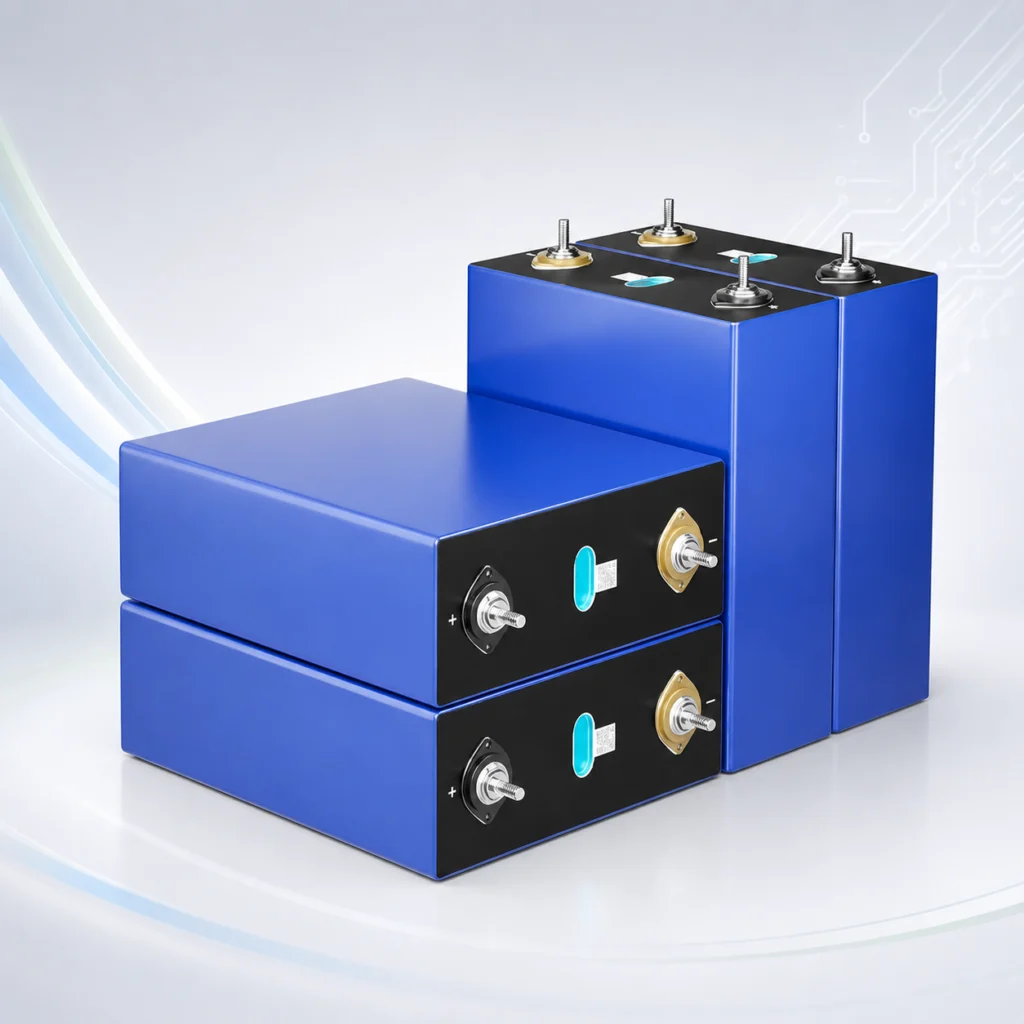
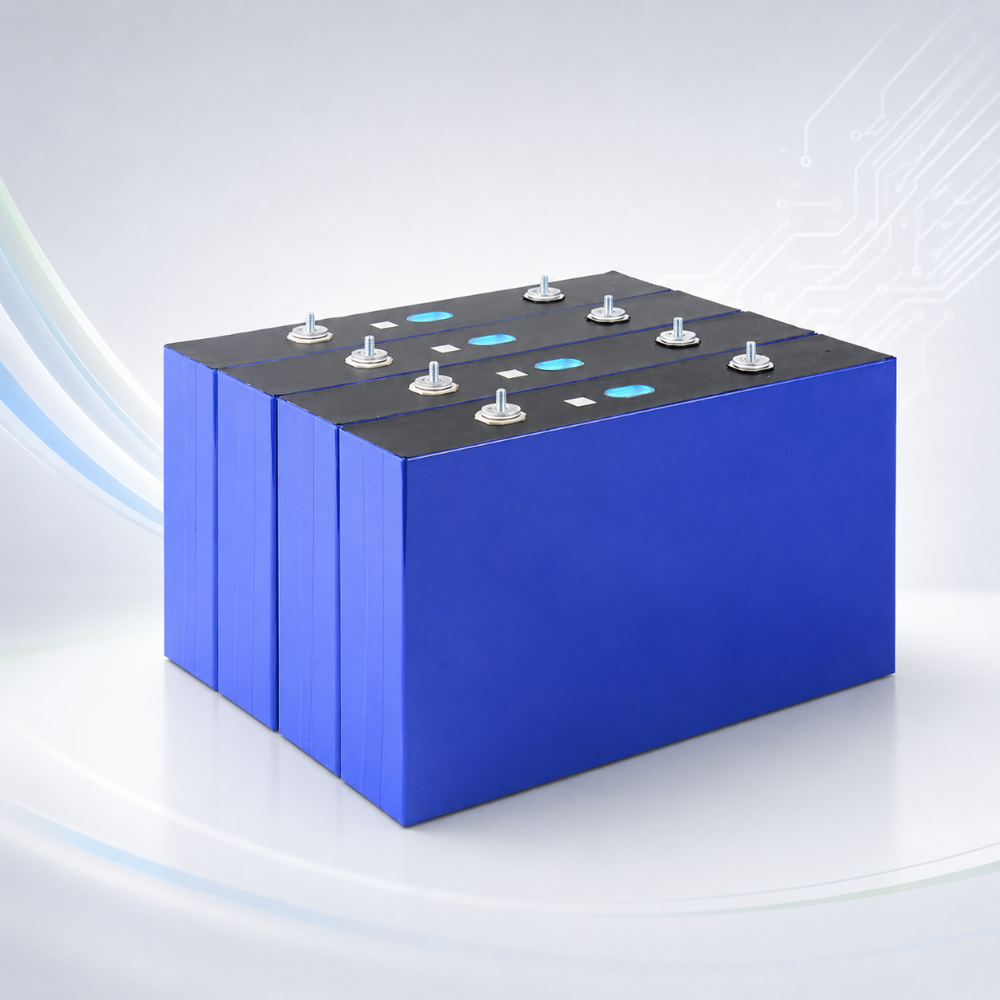
With the growing use of energy storage systems, solar power, RV power supplies, and backup power, LiFePO4 batteries and lead-acid batteries have become common power solutions. They differ in purchase price, service life, weight, maintenance requirements, and charging and discharging performance. Lead-acid batteries are well established and usually have a lower upfront cost, making them suitable for limited budgets and occasional use. LiFePO4 batteries offer a longer cycle life, higher usable capacity, and lower weight, making them a popular choice for frequent cycling and energy storage. The best option depends on equipment requirements, operating conditions, budget, and long-term costs.

What Are the Differences Between LiFePO4 and Lead-Acid Batteries?
LiFePO4 batteries are lithium-ion batteries that use lithium iron phosphate as the cathode material. They offer good thermal stability and a long cycle life. Lead-acid batteries use lead and lead compounds in their electrochemical reactions. They are a mature technology and are widely used in vehicle starting systems, emergency lighting, and traditional backup power supplies. Both battery types store electrical energy, but they differ in materials, construction, charging requirements, and maintenance.
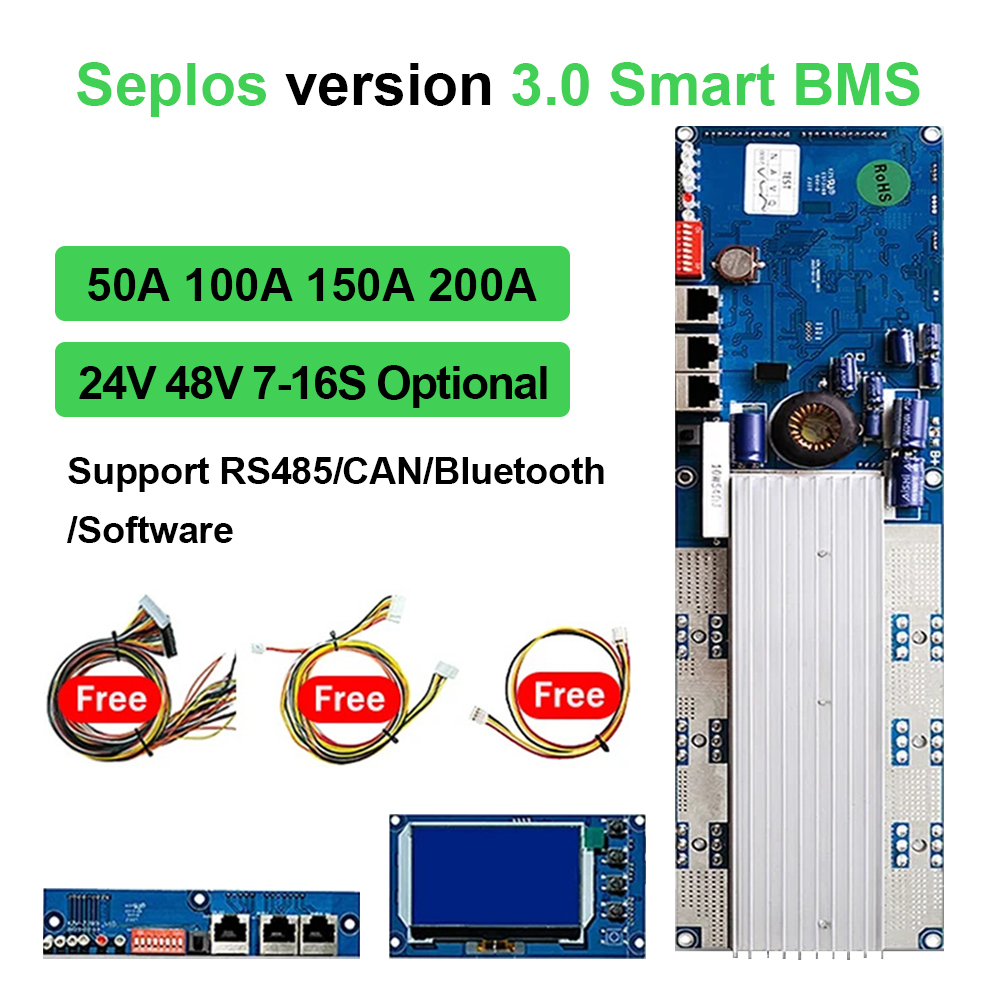
LiFePO4 batteries are usually equipped with a battery management system (BMS) to monitor voltage, current, and temperature and provide appropriate protection. Lead-acid battery maintenance depends on the specific type and operating requirements. For example, some flooded lead-acid batteries require regular electrolyte checks. For residential energy storage and solar systems, users should also confirm compatibility with inverters, chargers, and charge controllers rather than assuming that every battery will work with existing equipment.
Which Battery Has a Longer Service Life?
Under operating conditions recommended by the manufacturer, LiFePO4 batteries generally offer a longer cycle life than lead-acid batteries. They are suitable for residential energy storage, solar storage, and commercial and industrial systems that charge and discharge daily. Their longer cycle life can reduce the need for frequent battery replacement. Lead-acid battery life depends on depth of discharge, charging methods, temperature, and maintenance. Frequent deep discharging or prolonged undercharging can accelerate performance degradation.
However, actual service life cannot be determined by battery chemistry alone. Cell quality, operating temperature, charging and discharging current, and battery management all affect performance. Before purchasing, review the manufacturer’s cycle life test conditions, capacity retention standards, and warranty policy. For long-term energy storage projects, consider replacement costs, downtime, and maintenance expenses in addition to expected service life.
Which Battery Offers Better Value for Money?
Lead-acid batteries generally have a lower initial purchase price, making them suitable for short-term use, infrequent power supply, or projects with limited budgets. LiFePO4 batteries usually require a higher initial investment, but their longer cycle life and higher usable capacity may provide better long-term value in applications with frequent charging and discharging. Buyers should compare total costs over the expected service life, including purchase, replacement, maintenance, and operating expenses.
For residential solar energy storage systems that cycle daily, LiFePO4 batteries may be a better long-term choice. For backup power systems used only occasionally during outages, lead-acid batteries may also meet the requirements. The final cost depends on battery specifications, electricity prices, usage frequency, system efficiency, and local after-sales support. Comparing these factors against actual power demand and the expected service period can help buyers make a more informed decision.
How Do the Two Battery Types Compare in Weight, Maintenance, and Safety?
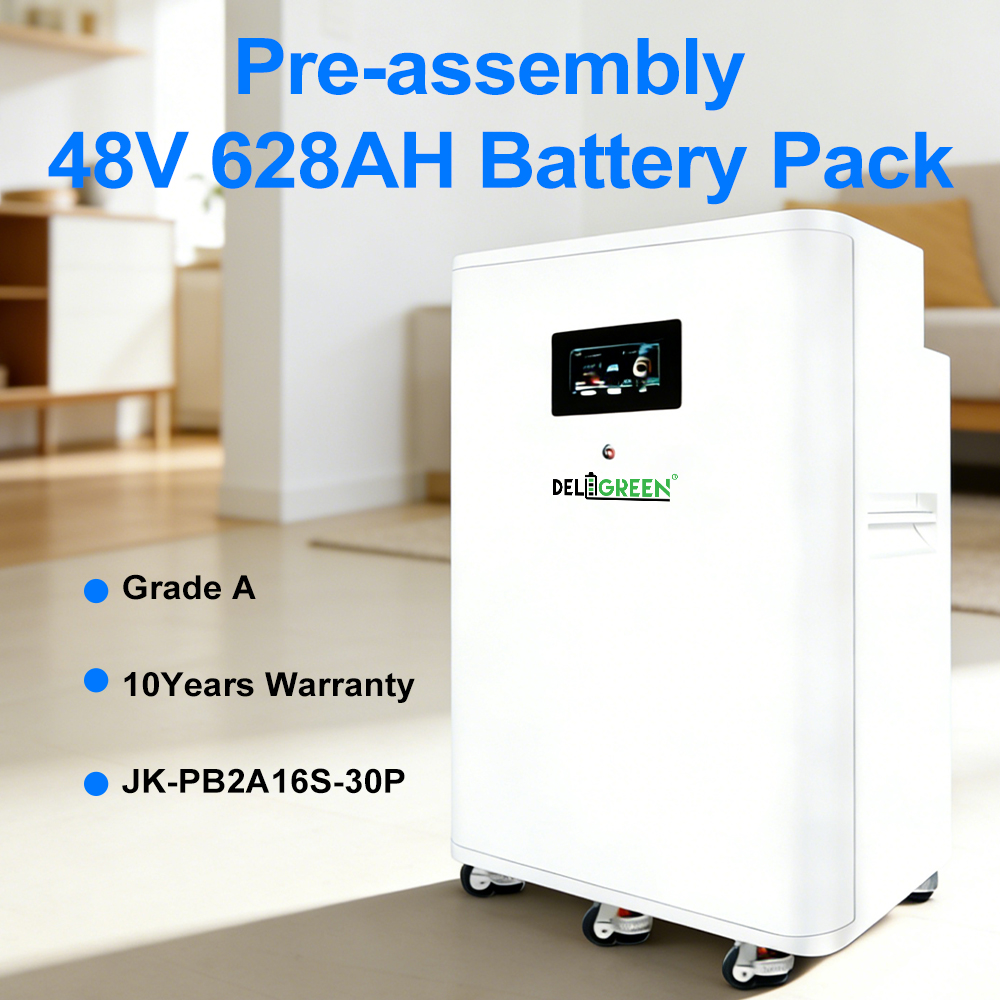
LiFePO4 batteries generally have a higher energy density, so they are often lighter and require less installation space for comparable storage needs. This is particularly useful for RVs, boats, portable power systems, and equipment with limited space. Lead-acid batteries are heavier, but their technology is mature and replacement products and repair services are widely available. Maintenance requirements depend on the battery design. Sealed lead-acid batteries generally do not require electrolyte refilling, while flooded lead-acid batteries need inspection and maintenance according to the manufacturer’s instructions. LiFePO4 batteries typically use a BMS to manage operating conditions, but they still require proper installation, compatible charging equipment, and a suitable operating environment.
In terms of safety, LiFePO4 batteries offer good thermal stability, but they are not completely risk-free. Lead-acid batteries also carry risks, including short circuits, overcharging, and electrolyte-related hazards. Follow the product manual, avoid physical damage and incorrect wiring, and never exceed the specified charging and discharging limits. Installation location, ventilation, protective devices, and regular inspections are important for both battery types. Buyers should also verify applicable product certifications and safety requirements.
Which Applications Are Better Suited to LiFePO4 or Lead-Acid Batteries?
Both LiFePO4 and lead-acid batteries have suitable applications. The right choice depends on power requirements, usage frequency, available installation space, and budget.
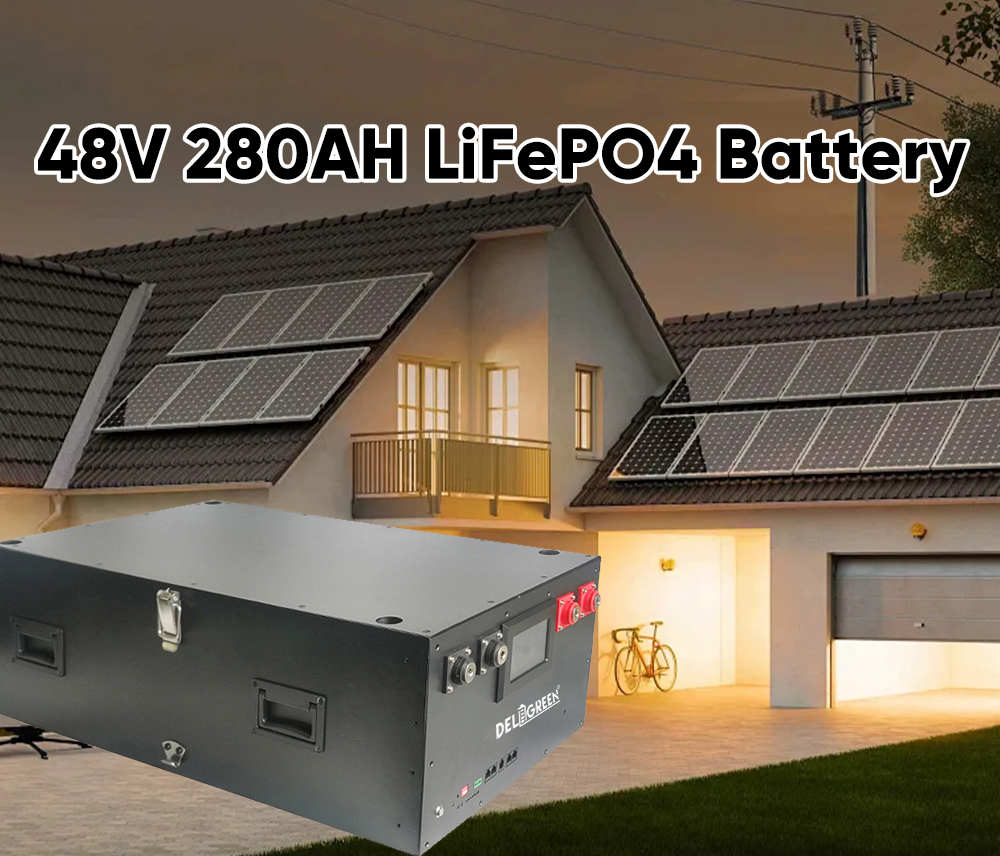
- Home energy storage and solar systems: LiFePO4 batteries are generally suitable for long-term storage applications requiring frequent charging and discharging.
- RVs and boats: LiFePO4 batteries are worth considering when low weight, usable capacity, and cycle life are priorities.
- Vehicle starting and traditional backup power: Lead-acid batteries are well established, and many devices are specifically designed for them.
- Low-frequency applications with limited budgets: Lead-acid batteries may be an economical option when the battery is used infrequently.
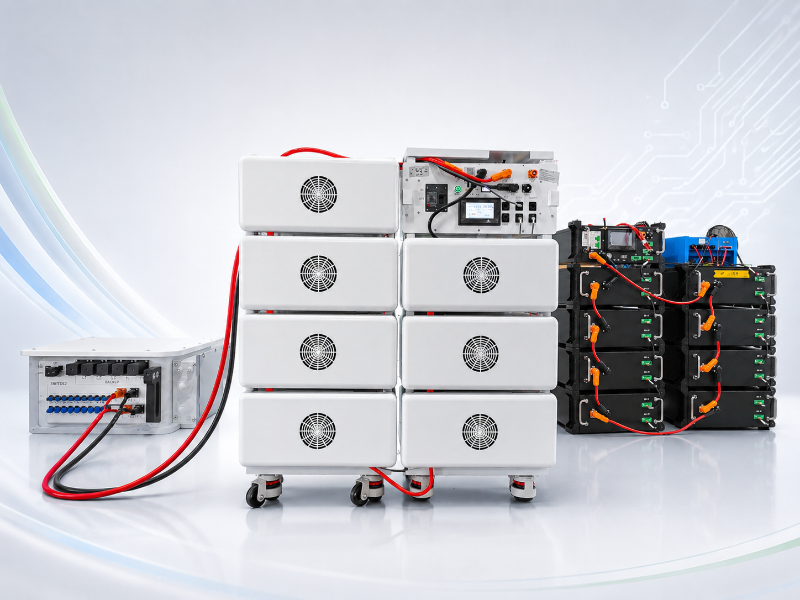
- Long-term commercial and industrial energy storage: Evaluate cycle life, charging and discharging capability, BMS functions, system compatibility, and maintenance costs.
Before purchasing, confirm the battery’s nominal voltage, capacity, continuous charging and discharging current, physical dimensions, and equipment compatibility. When changing from one battery type to another, do not assume the existing charger or inverter will work correctly. Check charging parameters and the equipment manufacturer’s requirements.
There is no single answer to whether LiFePO4 or lead-acid batteries are better for every user. Lead-acid batteries generally offer a lower upfront cost and mature technology, while LiFePO4 batteries provide advantages in cycle life, weight, and usable capacity. For residential energy storage, solar power systems, and commercial and industrial projects with frequent charging and discharging, LiFePO4 batteries are often worth prioritizing. For infrequently used equipment with a limited budget, lead-acid batteries may still be suitable. Choosing according to actual application requirements, product specifications, and long-term costs helps ensure a more appropriate energy storage solution.