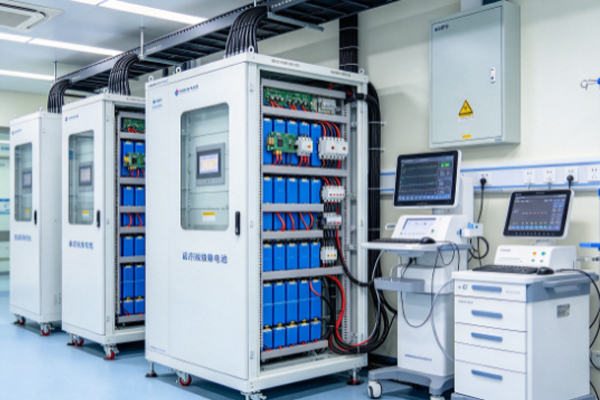
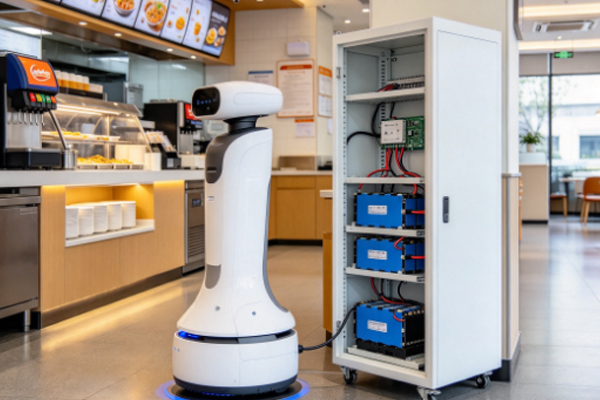
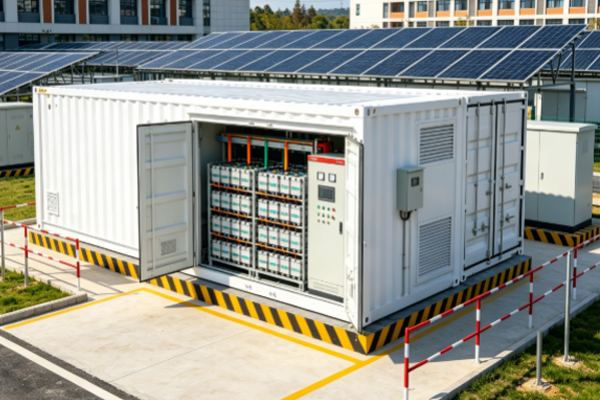
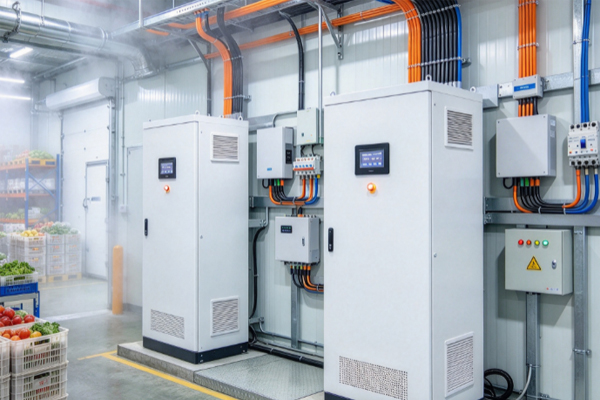
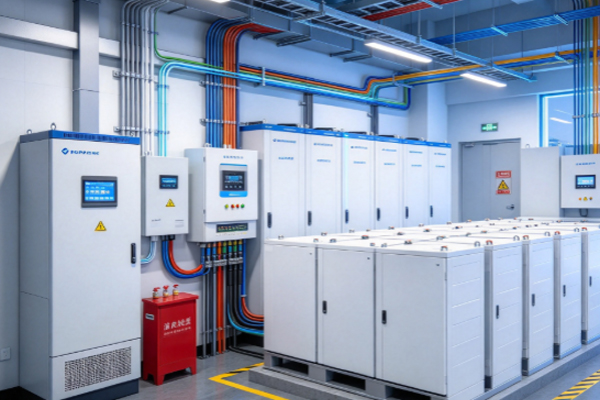
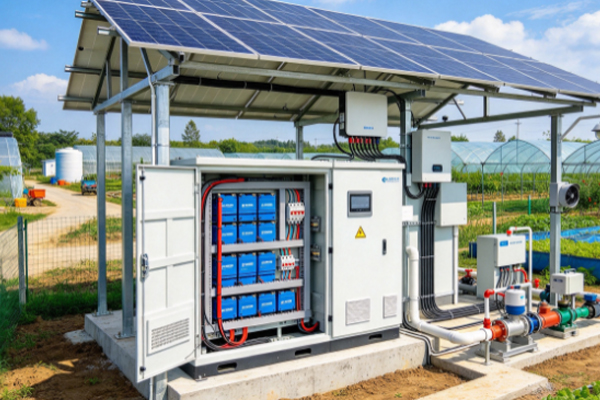
Farms depend on electricity every day. Water pumps need to move water, fans keep the air circulating, automatic feeding equipment must run on schedule, and cold storage facilities need to maintain stable temperatures. When a farm is far from the power grid, grid connection costs can be high, and frequent power outages can interrupt daily operations. One practical option is to combine solar panels with LiFePO4 batteries, storing excess electricity generated during the day for use at night, during cloudy weather, or when the grid goes down. A well-designed farm battery storage system can reduce reliance on the grid and give farm owners more control over their energy supply.
How Can Farms Achieve Energy Independence with Solar Panels and Battery Storage?
Farms do not need to install a complicated power system all at once to reduce their reliance on the grid. A common approach is to generate electricity with solar panels, store the excess power in batteries, and use that stored energy when needed. The right setup depends on the size of the farm, daily electricity consumption, and the amount of sunlight available in the area.
What Battery Storage Solution Is Suitable for Different Farm Sizes?
A small farm may only need electricity for water pumps, lighting, and monitoring equipment. A larger operation may run cold storage units, ventilation fans, irrigation systems, and automated machinery at the same time. The more equipment a farm operates, and the longer it runs each day, the more stored energy it may need.
| Farm Type | Common Electrical Loads | Storage Planning |
| Small farm | Lighting, small water pumps, monitoring equipment | Start with a basic capacity that covers essential daily loads |
| Medium-sized farm | Irrigation, ventilation fans, feeding equipment | Size the battery around daily consumption and nighttime demand |
| Large farm | Cold storage, high-power pumps, multiple motors | Assess the total load and consider multiple batteries or modular storage |
| Remote farm | Water pumping, lighting, communication equipment | Focus on off-grid power and sufficient backup energy for cloudy periods |
Do Farms Need to Disconnect Completely from the Grid?
Not necessarily. Some farms want to run entirely on solar power and batteries, while others simply want to reduce electricity bills or keep essential equipment running during outages. These goals require different battery capacities and system configurations.
- Grid-connected power: Solar panels and batteries can supply electricity during normal operation, while the grid provides additional power when needed. This is suitable for farms looking to reduce electricity costs.
- Off-grid power: The farm relies mainly on solar panels, batteries, and a suitable backup source. Nighttime demand and several consecutive cloudy days need to be considered carefully.
- Hybrid power: Solar panels, batteries, the utility grid, or a generator work together. This provides more flexibility when weather conditions and electricity demand change.
If a farm experiences frequent outages or has difficulty connecting to the grid, backup power should be included in the initial plan. Deciding what to do when stored energy runs low is much easier before the equipment is installed.
How Much Battery Storage Does a Farm Need? How Can You Calculate the Right Capacity?
Choosing a battery involves more than checking the capacity printed on its label. Farm owners need to estimate daily electricity consumption, nighttime demand, and how long essential equipment must continue running during an outage. A battery that is too small may run out of power overnight, while an oversized system can increase upfront costs unnecessarily.
How Much Electricity Does a Farm Use Each Day, and How Is Battery Capacity Calculated?
Start by listing the power rating of each piece of equipment and how many hours it runs per day. The basic calculation is straightforward:
Energy consumption (kWh) = Equipment power (kW) × Operating time (hours)
For example, a 1 kW device running for five hours uses approximately 5 kWh of electricity per day. If the farm also operates water pumps, lighting, and other equipment, their energy consumption must be added to the total. When choosing a battery, allow for inverter losses, usable battery capacity, and a reasonable reserve instead of treating the calculated energy demand as the required battery’s rated capacity.
A few practical details are also worth considering:
- Not all equipment runs continuously: An irrigation pump may operate for only a few hours a day, while monitoring equipment may need power around the clock. Calculate their energy use separately.
- Motors need extra power when starting: Water pumps and ventilation fans may draw more power at startup, so the battery and inverter must be able to handle these temporary loads.
- Allow for changing weather: Solar generation may drop during several consecutive cloudy days, so battery sizing should not be based only on electricity use during sunny weather.
These calculations help determine the battery capacity required and how much electricity the solar panels need to generate each day. Farms with seasonal changes in energy demand should also account for summer irrigation, winter lighting, or changing cold storage requirements.
Which Battery Specifications Matter for Farm Energy Storage?
Battery capacity determines how much energy can be stored, but it is not the only specification that matters. The battery must also supply enough power for the farm’s equipment and work properly with the inverter and other system components.
| Key Specification | What It Means | What to Check |
| Battery voltage | The operating voltage of the battery system | Must match the inverter and other equipment |
| Battery capacity | How much energy the battery can store | Calculate it from daily consumption and required backup time |
| Continuous discharge current | How much current the battery can deliver continuously | Must meet the operating requirements of connected equipment |
| Peak output capability | The power available for short periods | Particularly important for motors in pumps and fans |
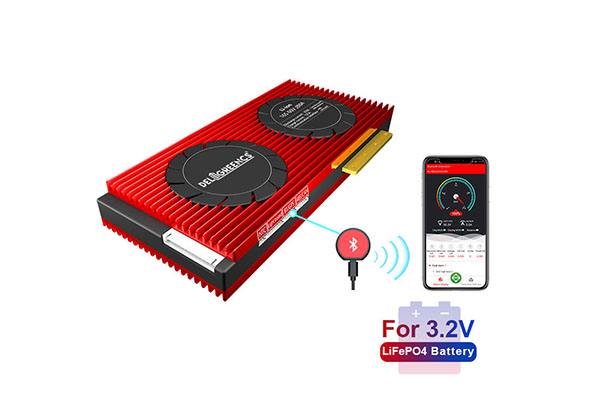
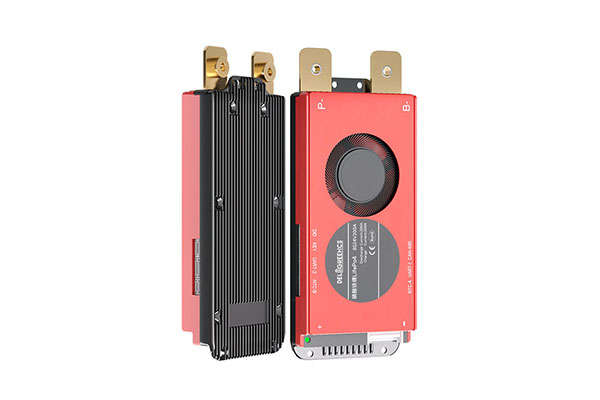
| Battery Management System (BMS) | The system that monitors and protects the battery | Should provide essential overcharge, over-discharge, overcurrent, and temperature protection |
| Communication functions | Data exchange between the battery and inverter | Check whether interfaces such as CAN or RS485 are compatible with the system |
LiFePO4 batteries are widely used for solar energy storage and backup power. Beyond capacity and price, check the battery’s charging and discharging capabilities, operating temperature range, and compatibility with existing equipment. Suitable specifications make it easier for the entire farm power system to operate reliably.
How Long Can Farm Batteries Supply Power When There Is No Sunlight?
For farms that rely on solar power, nighttime use and consecutive cloudy days need careful planning. When solar generation is strong during the day, the electricity can power farm equipment directly, while surplus energy is stored in the battery. The stored energy can then be used at night. However, if sunlight remains limited for several days, solar production may fall, and backup time will depend on the remaining battery charge and the electricity consumed by connected equipment.
How Can Farms Avoid Power Interruptions During Several Cloudy Days?
When solar generation is limited, managing electricity use can be just as important as adding more battery capacity. Farm owners can decide in advance which equipment must remain operational and which tasks can be rescheduled.
- Keep essential equipment running: Prioritize monitoring systems, alarms, essential ventilation, and water supply equipment to reduce risks to livestock, crops, and daily operations.
- Reschedule energy-intensive tasks: When practical, run irrigation, certain processing activities, or other non-urgent tasks during periods of stronger solar generation.
- Prepare a backup power source: Farms that cannot afford long interruptions can use the grid or a generator as an additional power source, helping prevent equipment shutdown when the battery runs low.
- Check the remaining battery charge in advance: If the forecast indicates several days with limited sunlight, reduce unnecessary electricity use and reserve more energy for essential equipment.
Installing more batteries does not automatically mean lower costs. Managing electricity consumption, making better use of solar power, and choosing battery capacity that matches actual needs can help balance power reliability with upfront investment.
Can Farm Battery Storage Be Customized, and How Can Future Expansion Be Made Easier?
Farm equipment varies considerably, so an off-the-shelf battery may not meet every project’s requirements. Some farms need more storage capacity, while others need high output power for short periods. Some plan to add more solar panels and automated equipment as their operations grow. In these cases, a customized battery pack can be designed with suitable voltage, capacity, discharge capability, and dimensions to better match the application.
What Information Is Needed to Customize a Farm Battery Storage Solution?
You do not need to know every technical specification before requesting a solution. Providing details about the farm’s current electricity use and future plans can help the technical team recommend a suitable configuration.
- Equipment list: List the main electrical loads, such as water pumps, fans, cold storage units, and lighting, along with their power ratings.
- Required backup time: Explain how long the equipment needs to run at night and how many hours or days essential loads should remain powered during an outage.
- Existing power equipment: If solar panels, inverters, or generators are already installed, provide their models and relevant specifications.
- Installation conditions: Share the proposed battery location, available space, ambient temperature, and whether the area is exposed to moisture.
- Future expansion plans: If you plan to expand the farm, add equipment, or increase automation, mention these plans so the system can be designed with future expansion in mind.
The more accurate this information is, the easier it is to choose a battery configuration that fits the farm’s needs. It can also help prevent insufficient capacity, equipment compatibility issues, and expensive modifications later.
Farm energy independence is not simply about installing solar panels and batteries. It is about making power generation, energy storage, and daily electricity use work together. When choosing LiFePO4 batteries, consider daily consumption, nighttime demand, backup requirements during cloudy weather, and compatibility with the inverter. If you are planning a farm battery storage project, share your equipment power ratings, required backup time, existing power setup, and installation conditions to discuss suitable battery packs, DIY battery boxes, BMS accessories, and scalable storage solutions. The right configuration can help improve power reliability today while leaving room for future expansion.