Cylindrical batteries and pouch batteries differ in casing structure, space utilization, and installation requirements, making them suitable for different device designs. For equipment manufacturers and battery buyers, selection involves more than comparing capacity and price. Power requirements, installation dimensions, operating conditions, and maintenance needs must also be considered. If a battery does not fit the device structure, additional costs may arise from enclosure modifications, assembly adjustments, and testing. Before making a decision, evaluate the product’s intended use and actual operating conditions to determine which battery format best meets the requirements.
Structural Differences Between Cylindrical Batteries and Pouch Batteries
The different packaging methods affect how each battery is mounted, how internal space is arranged, and how the overall device is designed.
Key Features of Cylindrical Batteries
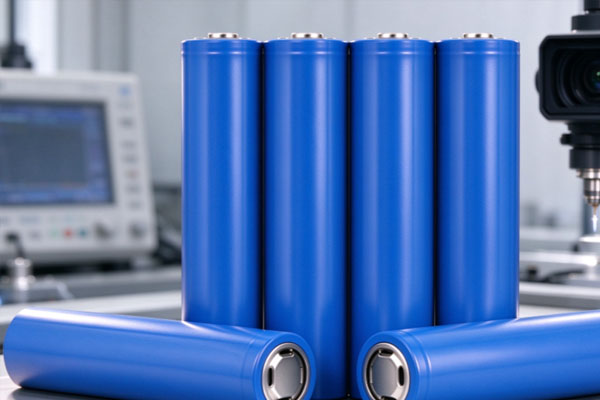
Cylindrical batteries typically use metal casings and have a regular shape, making them suitable for standardized layouts.
- Mounting and fixation: They can be positioned using holders, slots, or dedicated battery compartments, making them suitable for devices with clearly defined installation locations.
- Space planning: When multiple cells are assembled into a battery pack, designers must account for spacing, connectors, and insulation to prevent the pack from taking up excessive internal space.
- Casing protection: Metal casings provide a degree of mechanical support, but the batteries must still be protected from impacts, compression, and improper installation.
Cylindrical batteries offer structural advantages when a device requires an orderly cell arrangement. The final choice should still be based on the dimensions of the complete battery pack.
Key Features of Pouch Batteries
Pouch batteries use aluminum-plastic film packaging and offer flexible sizing, making them suitable for products with specific thickness and internal layout requirements. Their length, width, and thickness can be selected according to the available space. The cells require reliable support to prevent compression, bending, or pulling on the tabs and sealed edges. Designers should also allow for thickness changes during use and ensure that the enclosure or mounting structure does not restrict these changes.
Choosing a Battery Based on Device Performance Requirements
After selecting a packaging format, verify the electrical specifications and operating conditions to ensure that the battery can meet the device’s power demands.
Capacity and Output Current
Battery capacity and discharge capability should match the device’s actual power consumption.
- Runtime requirements: Estimate the required capacity based on device power consumption and the target operating time, while accounting for the effects of actual operating conditions on runtime.
- Load current: For devices such as motors that require high startup current, verify that both the cells and the battery pack can support continuous and peak current demands.
- Pack configuration: When multiple cells are assembled into a battery pack, check the series and parallel configuration, total voltage, capacity arrangement, and connection requirements.
Battery selection should be based on the device’s actual load to ensure a stable and adequate power supply.
Operating Environment and Thermal Management
Battery placement and operating conditions can affect performance, so these factors should be evaluated during the design stage.
- Thermal design: Plan heat dissipation according to device power consumption and battery pack structure to prevent localized heat buildup.
- Environmental suitability: Confirm that the battery’s operating temperature range and environmental tolerances meet the requirements for vibration, moisture, and other expected conditions.
- Safety protection: Lithium battery applications require protection measures suited to the battery chemistry and operating conditions, including safeguards against overcharging, over-discharging, overcurrent, and abnormal temperatures.
Considering environmental conditions during selection helps prevent conflicts between battery performance and the device’s long-term operating requirements.
How to Choose for Different Applications
Differences in product dimensions, mounting methods, and maintenance requirements can help narrow down the most suitable battery format.
Applications Suitable for Cylindrical Batteries
Cylindrical batteries are worth considering when a device has a regular installation space or requires multiple cells to be assembled into a battery pack.
- Regular battery compartments: Choosing batteries that match existing cylindrical mounting spaces can simplify assembly.
- Multi-cell battery packs: Pack design should account for holders, electrical connections, insulation, and thermal management.
- Equipment designed for maintenance: If the product allows battery pack replacement, define the removal procedure and connection requirements to simplify future servicing.
The suitability of cylindrical batteries should be assessed based on the device’s available space, power requirements, and overall battery pack design.
Applications Suitable for Pouch Batteries
Pouch batteries are worth evaluating when product thickness, weight, or internal space utilization is a priority. For slim devices, select a suitable battery size based on the available space to avoid interference with the enclosure or other components. Compact designs should include appropriate cell supports and sufficient protection space. For customized equipment, the internal layout can be adjusted during product development to accommodate the battery, but its specifications, connection method, and installation requirements must be confirmed in advance.
Key Parameters to Confirm Before Purchasing
Clearly defined purchasing requirements help reduce specification mismatches, sample rework, and problems during mass production.
Verify Electrical Specifications and Installation Dimensions
Before placing an order, compare the battery specifications with the device design requirements.
- Electrical specifications: Confirm the battery chemistry, nominal voltage, capacity, continuous discharge current, peak current, and charging requirements.
- Physical dimensions: Check length, width, thickness, mounting position, terminal or tab orientation, wiring connectors, and insulation requirements.
- Battery pack configuration: For complete battery packs, verify the series and parallel arrangement, protection circuit configuration, and compatibility with the device.
More specific purchasing requirements make it easier to prevent design changes and assembly issues.
Evaluate Sample Testing and Delivery Requirements
Once the specifications have been confirmed, practical testing should be used to determine whether the battery meets the product’s requirements.
- Sample testing: Evaluate fit, runtime, load performance, temperature rise, and charging compatibility in the intended device.
- Quality requirements: Depending on the product’s application and target market, confirm the required test reports, transportation documents, and compliance documentation.
- Batch delivery: Define requirements for specification consistency, lead times, quality traceability, and after-sales support to reduce uncertainty during mass production.
Sample validation and clear delivery standards help determine whether a battery solution is suitable for large-scale production.
Choosing between cylindrical batteries and pouch batteries requires evaluating device structure, power requirements, operating conditions, and purchasing specifications. Cylindrical batteries have a regular shape that facilitates positioning and assembly, while pouch batteries offer greater sizing flexibility for products with strict thickness and space requirements. Equipment manufacturers and battery buyers should first establish the required dimensions, voltage, capacity, and current, then validate the solution through sample testing under actual operating conditions. A systematic assessment of battery and device compatibility can reduce later design changes and help ensure that the selected solution meets production and long-term operating needs.