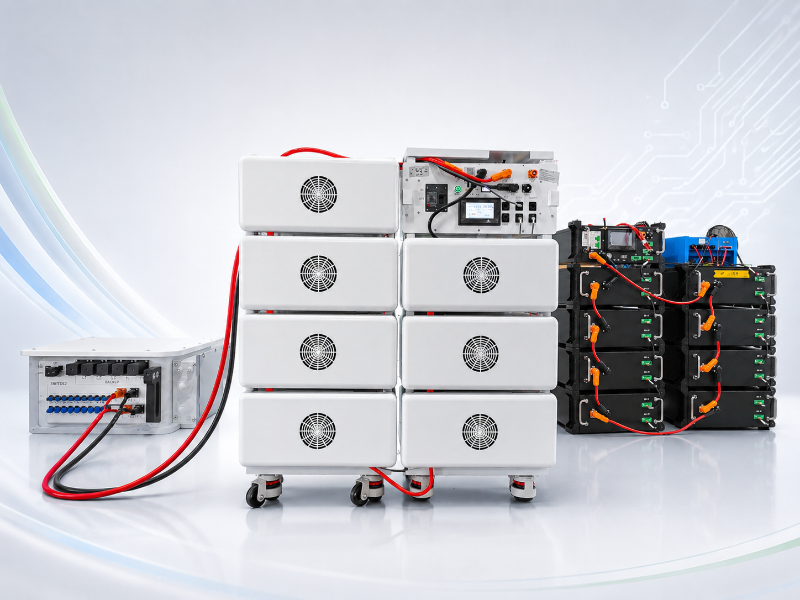
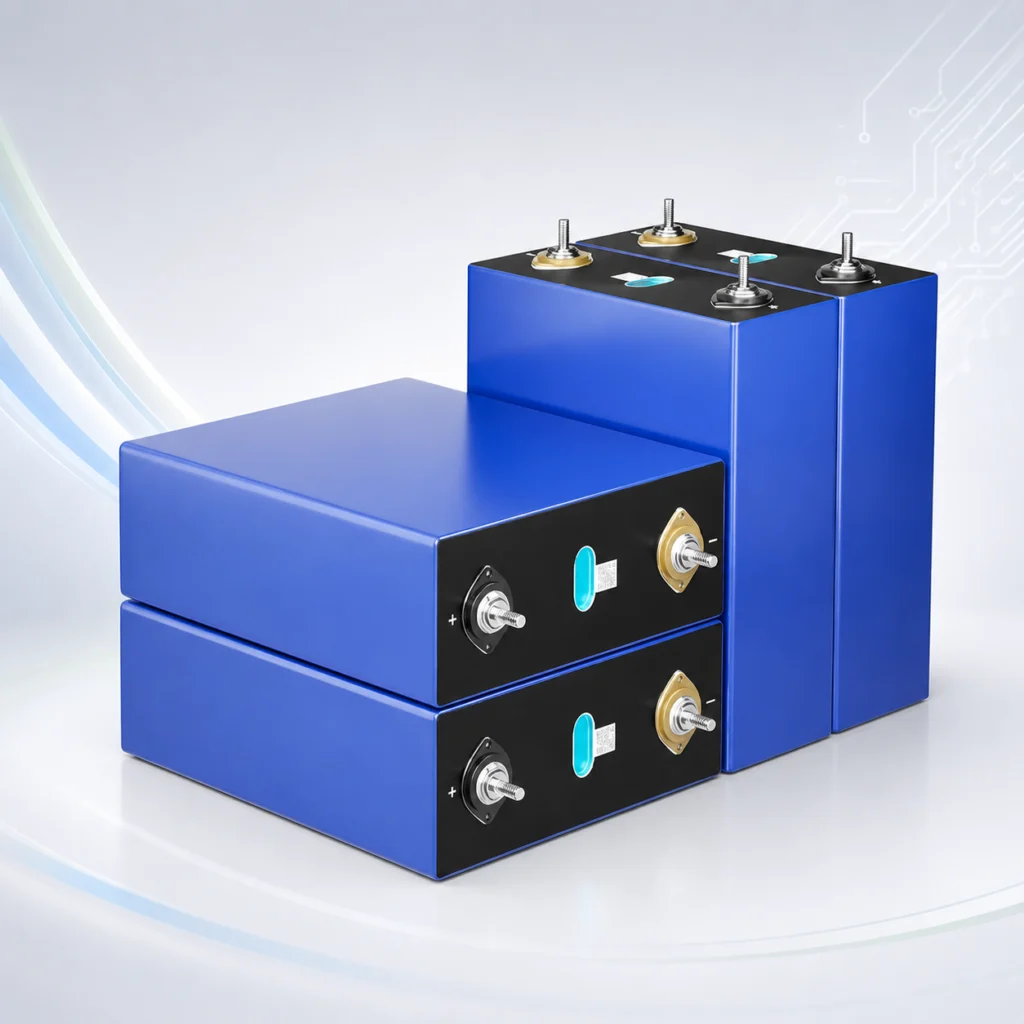
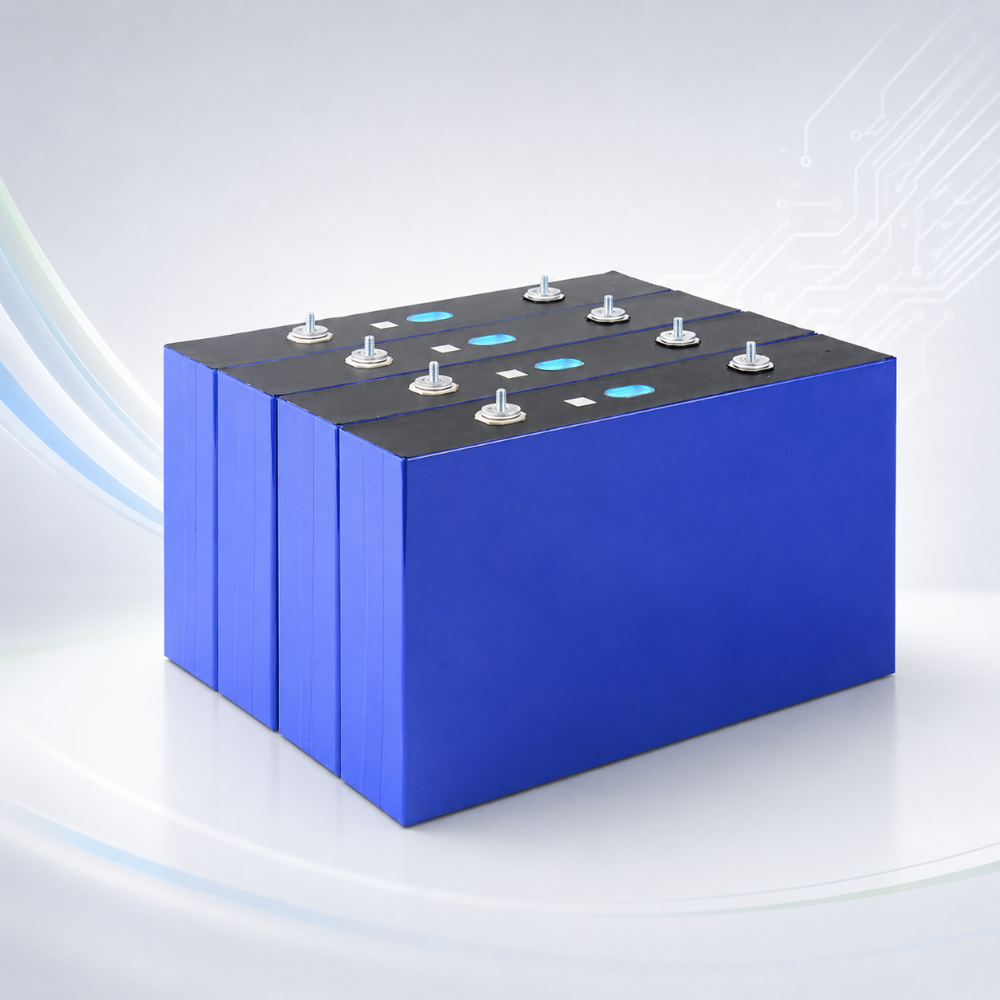
A lithium deep cycle battery can remain connected to a charger for an extended period under certain conditions. However, whether it is suitable to stay connected continuously depends on the battery type, charger performance, battery management system (BMS), and operating environment. Lithium deep cycle batteries are commonly used in RVs, boats, solar energy storage systems, camping equipment, and other applications that require a continuous power supply. They offer good cycle performance and can support repeated charging and discharging. However, being able to remain connected to a charger for a long time does not mean that an ordinary charger can be used for indefinite charging.

For lithium deep cycle batteries equipped with a comprehensive battery management system, using a charger that matches the battery specifications and provides appropriate charging control usually allows the battery to enter standby or maintenance mode after reaching full charge. However, if the charger continuously supplies an unsuitable voltage or lacks the necessary protection functions, it may cause overcharging, increased temperature, or a reduced service life. Users should understand the battery’s rated voltage, charging requirements, and manufacturer’s instructions before deciding whether to keep it connected to a power source for an extended period.
Can a Lithium Deep Cycle Battery Stay Connected to a Charger All the Time?
Whether a lithium deep cycle battery can remain connected to a charger for an extended period mainly depends on the charger’s ability to control the charging process correctly and whether the battery is designed to remain connected to an external power source. Continuous power connection is common in applications such as RVs, boats, and solar energy storage systems that require long-term standby operation, but it must still comply with the conditions specified by the battery manufacturer.
Batteries with a BMS Can Remain in Standby Mode for Extended Periods
Lithium deep cycle batteries are generally equipped with a battery management system (BMS) that monitors battery voltage, current, and temperature and provides protection under certain abnormal conditions. Some products also feature individual cell balancing to help maintain consistent voltage levels among the cells within the battery pack. Once the battery is fully charged, a compatible charger can stop charging or reduce its output to keep the battery in an appropriate state. If both the charger and BMS support this operating mode, keeping the battery connected to a power source for an extended period is generally feasible. However, a BMS cannot replace proper charger control. Even if the battery has overvoltage protection, the protection circuit should not be relied upon to handle unsuitable charging voltages or continuous abnormal input over the long term.
Ordinary Chargers Are Not Suitable for Indefinite Connection
If a charger does not have automatic shutoff, charging stage control, or appropriate maintenance functions, keeping it connected for an extended period may increase the risk of exposing the battery to improper charging conditions. Some lead-acid battery chargers have float charging or equalization programs, but these functions may not be suitable for lithium batteries. Therefore, when determining whether a charger can remain connected for an extended period, users should check whether it supports the specific type of lithium battery and whether the manufacturer explicitly permits continuous connection. The fact that a charger can charge the battery normally does not mean it is suitable for long-term standby operation.
What Should You Consider When Keeping a Charger Connected for an Extended Period?
Correct charging parameters, temperature control, and battery condition checks are all important when keeping a charger connected for an extended period. The service life of a lithium deep cycle battery depends not only on the number of charge and discharge cycles but also on its long-term state of charge, whether the ambient temperature is appropriate, and whether the charging process remains stable.
Use the Correct Charger Model
Different lithium battery chemistries have different rated voltages and charging requirements. Common products include lithium iron phosphate batteries and other lithium-ion batteries. Even when two batteries have the same nominal voltage, their specific charging voltages, charging currents, and control requirements may differ.
- Select a compatible charger based on the battery label and user manual.
- Check the charger’s output voltage, maximum current, and charging program.
- Do not use a lead-acid battery charger without confirming its compatibility.
If the manufacturer does not permit long-term float charging or continuous connection, disconnect the power source as instructed. Correct charging settings can reduce the risk of abnormal charging and help maintain normal battery performance.
Control Temperature and Charging Status
Temperature affects the charging safety and service life of lithium deep cycle batteries. High temperatures accelerate battery aging, while charging under low-temperature conditions may introduce additional risks. In particular, some lithium iron phosphate batteries cannot be charged normally when the temperature falls below the permitted range. Even when a battery is fully charged, it should be inspected promptly if it remains in a high-temperature environment for an extended period or if the charger and battery continue to generate abnormal heat. For equipment that will remain unused for several weeks or months, follow the manufacturer’s recommendations regarding storage charge levels, temperature, and power disconnection instead of assuming that keeping the battery fully charged and connected to a charger at all times is the best option.
How Can You Determine Whether a Battery Is Suitable for Continuous Charging?
Determining whether a lithium deep cycle battery can remain connected to a charger for an extended period requires more than checking whether the charge indicator has reached 100%. The charger condition, battery operation, and operating environment must also be considered. For boats connected to shore power for extended periods, parked RVs, and equipment continuously connected to solar charging systems, establishing basic inspection routines can help identify abnormalities promptly.
Check the charger condition: Confirm that the equipment has charging control functions suitable for lithium batteries and can stop charging or enter an approved maintenance mode after the battery is fully charged.
Check battery operation: Watch for abnormal temperature increases, unusual odors, case swelling, leakage, or repeated activation of protection functions. If any abnormal condition occurs, stop charging and follow the manufacturer’s safety instructions.
Check long-term standby requirements: Review the user manual for instructions on disconnecting the charger, setting the storage charge level, or performing periodic inspections. If the equipment will remain unattended for an extended period, ensure that the installation area is well ventilated, dry, and compliant with the product’s safety requirements.
If the battery manufacturer explicitly supports continuous connection and the charger, battery management system, and installation environment all meet the requirements, the battery can remain connected to a power source as instructed. If the relevant instructions are unavailable or charger compatibility cannot be confirmed, continuous connection should not automatically be considered safe.
Frequently Asked Questions
Q1: Should I Disconnect the Charger Immediately After a Lithium Deep Cycle Battery Is Fully Charged?
Not necessarily. If both the battery and charger support continuous connection, the system can enter a charging-stop or maintenance state after reaching full charge, depending on its design. However, if the manufacturer requires the power source to be disconnected after charging, those instructions should be followed. The same charging approach should not be applied to every lithium deep cycle battery.
Q2: Will Keeping a Lithium Deep Cycle Battery Connected to a Charger All the Time Shorten Its Service Life?
Not necessarily. A properly configured charger will not continue supplying power to a fully charged battery in an unsuitable manner. However, keeping a lithium battery at a high state of charge for an extended period, especially in a high-temperature environment, may accelerate aging in some lithium battery chemistries. Therefore, charging and storage conditions should be configured according to the product instructions during long-term standby periods.
Q3: Can a Lithium Deep Cycle Battery Stay Connected to a Solar Charge Controller All the Time?
Yes, provided that the system meets the equipment requirements. The solar charge controller must support the corresponding lithium battery type and be configured with the correct charging voltage and current. If the system also includes an AC charger, inverter, or other power supply equipment, confirm that the charging settings of all devices are compatible with one another.
Q4: Should a Lithium Deep Cycle Battery Be Kept Fully Charged During Long-Term Storage?
Not necessarily. Long-term storage should generally be managed according to the charge range and temperature conditions recommended by the battery manufacturer. The battery should not automatically be kept at 100% charge at all times. For batteries that will remain unused for an extended period, consult the user manual for requirements concerning storage charge levels, load disconnection, periodic inspections, and reactivation.
A lithium deep cycle battery can remain connected to a charger for an extended period, provided that the battery is designed for continuous connection, the charger is compatible with the battery type, and the battery management system, charging parameters, and installation environment meet the manufacturer’s requirements. For RVs, boats, solar energy storage systems, and other equipment that requires long-term standby operation, a properly configured charging system can reduce unnecessary maintenance. During use, pay particular attention to whether the charger supports lithium battery charging, whether it can stop charging correctly or enter an appropriate maintenance state after the battery is fully charged, and whether the equipment shows signs of abnormal temperature increases or other faults. BMS protection should not be treated as a reason to use an incompatible charger over the long term, and lead-acid battery float charging methods should not be applied directly to lithium batteries. The safest approach is to follow the battery manufacturer’s instructions. If the product explicitly supports continuous connection and the charger provides the required control functions, the battery can remain connected to the power supply as specified. If the product requires disconnection after charging or a specific charge level during long-term storage, those requirements should be followed to reduce safety risks and extend battery service life.