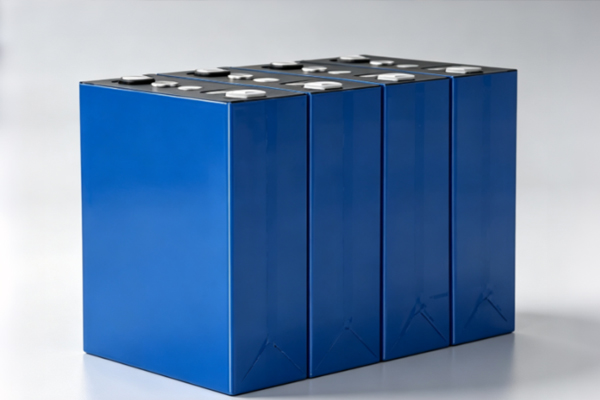
With the continuous development of robotics technology, robots are now widely used in homes, logistics, healthcare, inspection, and many other fields. Different robots have different requirements in terms of working methods, operating time, and application environments, which means they also require different types of robot batteries. Many users only focus on battery capacity and price when choosing a battery but overlook important factors such as voltage, battery cells, and safety performance. This can lead to problems such as insufficient runtime and unstable operation. Choosing the right lithium battery can not only improve robot efficiency but also extend equipment lifespan and reduce maintenance costs.
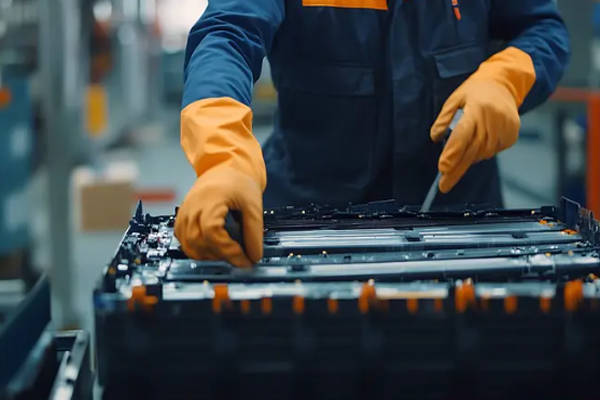
Why Do Different Robots Need Different Types of Batteries?
Cleaning Robots Focus More on Battery Runtime
Cleaning robots, including robotic vacuum cleaners and floor-cleaning robots, usually need to operate automatically for long periods. These devices go through multiple charging and discharging cycles every day, so their robot batteries need to provide strong endurance, stable performance, and long cycle life. A suitable battery needs to balance size, weight, and capacity to provide enough operating time without affecting the robot’s design.
- High energy density lithium batteries are required: They provide more power within limited space, allowing robots to clean for longer periods.
- Long cycle life is important: Frequent charging and discharging require batteries to maintain stable capacity over time.
- Stable power output improves performance: Reliable output ensures motors, suction systems, and intelligent control functions operate normally.
For cleaning robots, the robot battery not only affects the cleaning area covered in a single charge but also determines long-term user experience. Choosing a reliable lithium battery can reduce frequent charging and replacement problems.
Industrial Robots Focus More on Stability and Safety
Industrial robots are commonly used in manufacturing, automated handling, and assembly operations. Compared with household robots, industrial equipment has higher requirements for battery consistency, discharge stability, and safety protection because unexpected downtime can affect the entire production process.
- High-stability robot batteries are needed: They provide continuous power during long operating periods.
- Safety protection design is important: Complete protection systems help reduce risks such as overcharging and over-discharging.
- Long service life is required: Durable batteries reduce frequent replacements and production interruptions.
Industrial robots usually require professional battery solutions. Standard batteries may not meet the demands of high-intensity operations. Choosing reliable lithium batteries helps improve equipment efficiency and stability.
What Types of Batteries Are Suitable for Different Robots?
Comparison of Common Robot Battery Types
Different robots have different priorities when it comes to battery performance. There is no single battery type that works perfectly for every robot. When selecting a robot battery, users need to consider operating time, working environment, and power requirements. Understanding the characteristics of different battery types helps companies and manufacturers choose more suitable solutions.
| Robot Type | Common Battery Type | Main Features |
| Cleaning Robots | Lithium-ion Battery | Lightweight, high capacity, good runtime |
| Industrial Robots | High-performance Lithium Battery | Stable output, long cycle life |
| AGV Robots | Lithium Iron Phosphate Battery | High safety, suitable for frequent operation |
| Inspection Robots | Lithium Battery | Easy mobility, supports long inspection tasks |
| Service Robots | Polymer Lithium Battery | Compact size, suitable for lightweight designs |
When choosing a robot battery, users should consider more than battery type. Factors such as operating conditions, workload, and equipment design all affect the final choice.
AGV Robots Require High-Safety Batteries
AGV automated guided vehicles are widely used in warehouses, logistics centers, and smart factories. They need to move frequently and complete transportation tasks continuously. Since they often operate for long periods, their batteries must provide reliable power while maintaining excellent safety and cycle performance.
- Lithium iron phosphate batteries are widely used: They provide strong stability and are suitable for long-term operation.
- Support frequent charging and discharging: They meet the repeated working requirements of AGV systems.
- Offer better safety performance: They reduce battery risks during continuous operation.
For automated logistics equipment, stable robot batteries can reduce downtime and improve transportation efficiency.
Inspection Robots Need Both Lightweight Design and Long Runtime
Inspection robots are commonly used in power facilities, industrial areas, and large outdoor spaces. They need to move across wide areas while performing inspection tasks. As a result, battery weight, capacity, and environmental adaptability are all important considerations.
- Lightweight lithium batteries suit mobile equipment: They reduce overall robot weight and improve movement efficiency.
- Long runtime supports inspection tasks: They reduce charging frequency and improve working continuity.
- Stable performance adapts to complex environments: They help robots operate reliably in different conditions.
Inspection robots require balanced battery performance. A well-designed lithium battery solution can help these robots complete more automated tasks.
What Factors Should Be Considered When Choosing Robot Batteries?
Do Not Focus Only on Battery Capacity
Many users believe that a larger battery capacity always means better performance. However, capacity is only one factor affecting runtime. If voltage, current, and battery specifications do not match the robot, even a high-capacity battery may not perform effectively. Choosing a robot battery requires considering multiple factors.
- Confirm whether voltage matches equipment requirements: Incorrect voltage may affect normal robot operation.
- Pay attention to battery cell quality: High-quality lithium battery cells provide more stable performance.
- Choose according to the application environment: Different robots require different battery solutions.
The best robot battery is not necessarily the one with the highest specifications, but the one that matches the equipment requirements. Proper selection improves performance and reduces future replacement costs.
Safety Performance Determines Long-Term Reliability
Robots often require automatic charging and long operating periods, making battery safety extremely important. Especially in industrial and commercial environments, battery failures can interrupt operations and increase maintenance risks.
- Overcharge protection helps improve safety: It reduces abnormal situations during charging.
- Over-discharge protection reduces battery damage: It helps protect lithium battery lifespan.
- Good thermal management improves stability: It helps robot batteries maintain suitable operating temperatures.
Safety performance is a key factor that should not be ignored when selecting robot batteries. Reliable protection systems improve equipment stability and allow robots to operate more safely over time.
How to Extend Robot Battery Service Life?
Proper Usage Helps Reduce Battery Wear
Robot batteries are long-term consumable components. Even high-quality lithium batteries may experience shortened lifespan if they are used incorrectly. Many users find that battery runtime decreases, not because of product quality issues, but because of improper charging habits, unsuitable environments, or insufficient maintenance. Proper usage methods can help robot batteries maintain better performance.
- Avoid frequent deep discharge: Reduce complete power depletion and lower internal battery wear.
- Charge in a suitable environment: Avoid high temperatures and humidity that may affect battery stability.
- Clean robots regularly to reduce workload: Lower operating resistance and reduce unnecessary energy consumption.
- Store batteries properly when unused for long periods: Maintain an appropriate charge level to prevent long-term power loss.
Proper maintenance can effectively extend robot battery lifespan. Besides selecting reliable lithium battery products, correct daily usage habits are equally important. For robots that require continuous operation, good battery management can reduce replacement costs and improve overall equipment value.
Choose a Professional Robot Battery Supplier
Different robots have different battery specifications and performance requirements. Professional suppliers can provide better-matched solutions based on equipment characteristics. From battery cell selection and structural design to safety testing, every step needs to consider the actual application environment.
- Provide accurate battery matching solutions: Select suitable specifications according to robot models.
- Ensure stable product quality: Reduce the possibility of failures during use.
- Offer complete technical support: Make maintenance and replacement easier.
Choosing a professional robot battery supplier means more than purchasing a battery; it helps ensure long-term equipment reliability. High-quality lithium batteries can improve robot performance, reduce maintenance pressure, and provide more reliable power support for different applications.
Different robots require different battery solutions. Cleaning robots focus more on runtime, industrial robots prioritize stability, and AGV robots require safety and long cycle life. When selecting robot batteries, users should consider robot type, working environment, and actual requirements. High-quality lithium batteries provide stable power, reduce equipment failures, and improve operating efficiency. For companies and robot manufacturers, choosing the right battery solution is an important step toward improving equipment performance and reducing long-term operating costs.