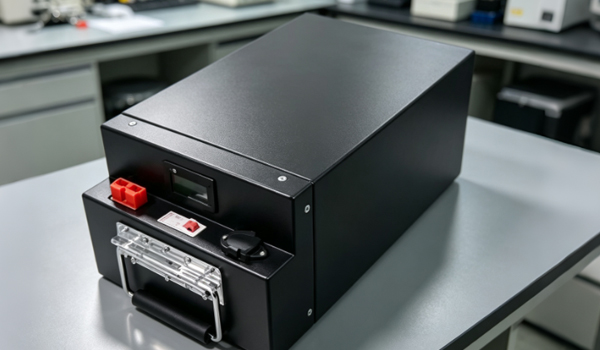
With the rapid development of smart cleaning devices, cleaning robots have become widely used in homes, hotels, offices, and other commercial environments. However, many users find that after a period of use, their robots begin to clean for a shorter time, return to charging more frequently, or fail to complete a full cleaning cycle. In many cases, these problems are closely related to the performance of the robot battery. As the power source of a cleaning robot, the battery not only affects runtime but also influences equipment stability and service life. Choosing the right lithium battery can improve cleaning efficiency while reducing future replacement and maintenance costs.

Why Does the Robot Battery Affect Cleaning Robot Performance?
Battery Performance Directly Affects Cleaning Efficiency
When a cleaning robot operates every day, it relies on the robot battery to continuously provide power. Many users assume that reduced cleaning performance is caused only by equipment aging, but battery capacity loss and unstable output are also important factors. When the battery cannot provide enough power, the robot may have shorter working hours and reduced cleaning coverage.
- Runtime affects cleaning coverage
A stable-capacity robot battery allows longer operation and reduces frequent charging.
- Stable output improves performance
A high-quality lithium battery provides consistent power, helping the robot run smoothly.
- Reduces cleaning interruptions
A reliable battery lowers the chances of sudden shutdowns or repeated charging.
Although the robot battery is only one internal component of a cleaning robot, it plays a key role in determining whether the device can operate efficiently. For robots used every day, choosing a reliable battery is more practical than dealing with frequent repairs later.
Battery Quality Affects Equipment Lifespan
Cleaning robots go through repeated charging and discharging cycles during daily use. Over time, the quality of the robot battery directly affects the service life of the equipment. Poor-quality batteries may not only lose capacity quickly but also increase stress on charging modules, motors, and other internal components.
- Reduces stress on internal components
Stable power output helps reduce the impact of voltage fluctuations on the device.
- Extends robot service life
High-quality lithium batteries offer better cycle performance and longer operating periods.
- Lowers replacement costs
A durable battery reduces the need for frequent replacements.
A reliable robot battery improves not only current performance but also the long-term value of the cleaning robot. For users who rely on these devices regularly, battery quality should be an important consideration.
What Parameters Should You Consider When Choosing a Robot Battery?
Main Robot Battery Parameters Comparison
Many users focus mainly on capacity when purchasing a robot battery and assume that a larger capacity always means better performance. In reality, battery specifications need to match the robot model and application environment. A suitable battery should balance capacity, stability, compatibility, and safety.
| Parameter | Main Function | Buying Recommendation |
| Battery Capacity | Determines robot operating time | Choose according to cleaning area and robot specifications |
| Cell Type | Affects lifespan and stability | Select reliable lithium battery cells |
| Cycle Life | Determines long-term usage cost | Choose products with slower capacity degradation |
| Protection System | Improves safety performance | Select batteries with complete protection features |
| Voltage Specification | Determines compatibility | Must match the robot model |
- Choose capacity according to application needs
Standard capacity works for home cleaning, while larger spaces may require longer-lasting robot batteries.
- Avoid choosing excessive capacity blindly
An oversized battery may affect compatibility and charging performance.
- Consider actual runtime performance
Besides specifications, cell quality and overall design also affect real-world usage.
When selecting a robot battery, capacity is only one factor. A suitable product should balance runtime, stability, and compatibility to meet long-term operating requirements.
Lithium Battery Cell Quality Determines Performance
Robot batteries with the same capacity can have significant differences due to different battery cells. As the core component of a lithium battery, the cell directly affects cycle life, discharge stability, and safety performance. Many users only compare capacity and price but overlook cell quality, which may lead to faster battery degradation.
- Longer cycle life with slower degradation.
- More stable output for smoother robot operation.
- Lower heat generation for improved safety.
- Lower self-discharge rate during long-term storage.
High-quality lithium battery cells help robot batteries maintain better long-term performance. Although premium lithium battery products may cost slightly more, they offer advantages in lifespan, safety, and reliability, making them more suitable for cleaning equipment that requires continuous operation.
A Complete Protection System Is Essential
Robot batteries are charged and discharged every day. Without proper protection design, long-term use may affect battery safety and lifespan. Mature lithium battery products usually include protection boards to manage charging and discharging processes.
- Overcharge protection reduces charging risks.
- Over-discharge protection helps reduce battery damage.
- Short-circuit protection improves overall safety.
A complete protection system is an important part of a robot battery, especially for devices that automatically charge and operate for long periods. Good protection design provides a safer and more stable user experience.
Common Problems When Replacing Robot Batteries
Focusing Only on Price While Ignoring Quality
Robot batteries on the market vary greatly in price. Some consumers choose cheaper products to reduce costs, but differences in cells, manufacturing processes, and protection systems can significantly affect performance. A lower purchase price does not always mean lower long-term costs.
- Some products may have insufficient capacity.
- Low-quality lithium batteries may have shorter lifespans.
- Poor after-sales support can increase maintenance difficulties.
Price can be a reference when buying a robot battery, but it should not be the only factor. Choosing a stable-quality product with reliable support can reduce future problems.
Ignoring Model Compatibility
Different cleaning robot models have different requirements for battery voltage, connectors, and dimensions. Even if two batteries look similar, they may not work properly if their specifications do not match.
- Confirm the robot model before purchase.
- Check whether voltage specifications match.
- Verify connector and size requirements.
Robot batteries are not universal components. Confirming equipment information before purchasing can help avoid compatibility problems.
Improper Storage Can Affect Battery Performance
Some users purchase spare robot batteries and store them for a long time. However, lithium batteries stored fully charged or completely empty for extended periods may experience performance loss. Proper storage helps maintain battery condition.
- Avoid long-term storage at full charge.
- Keep an appropriate charge level during storage.
- Check battery condition regularly.
Proper storage methods can reduce performance degradation caused by long-term inactivity and help maintain battery efficiency.
How to Extend Robot Battery Service Life?
Proper Usage Helps Reduce Battery Wear
Robot batteries are consumable components, but proper usage can significantly extend their lifespan. Many batteries fail early not because of poor quality, but because of improper charging habits or unsuitable environments. Correct maintenance helps lithium batteries maintain better performance.
- Avoid frequent deep discharge.
- Charge in a suitable environment.
- Clean the robot regularly to reduce workload.
- Store the battery properly when unused for a long time.
Good usage habits can slow down robot battery degradation. Besides choosing a quality product, regular maintenance is also important for keeping the device running efficiently.
Choose a Professional Robot Battery Supplier
For household users, a reliable robot battery reduces replacement trouble. For hotels, offices, and commercial cleaning applications, battery stability directly affects continuous operation. Professional suppliers usually provide better quality control, technical support, and product consistency.
- More stable product performance.
- Clearer technical specifications.
- More complete after-sales support.
Choosing a professional supplier means more than purchasing a battery; it helps ensure long-term equipment performance. A high-quality robot battery can improve device value and reduce maintenance expenses.
The efficiency and service life of a cleaning robot are closely related to the performance of its robot battery. When making a purchase, users should not only consider price and capacity but also evaluate lithium battery cell quality, safety protection, compatibility, and lifespan. A stable and reliable robot battery can provide longer runtime, reduce equipment failures, and keep cleaning robots operating efficiently for a longer period. Whether for home or commercial applications, selecting the right battery is essential for maintaining stable equipment performance.