Robots start, accelerate, turn, stop, and recharge repeatedly every day, putting much more stress on their batteries than ordinary energy storage systems. When an AGV, AMR, cleaning robot, or inspection robot suddenly loses power, overheats, or develops a loose connection, the problem can quickly affect the entire workflow. For buyers, robot battery safety is not just about capacity; BMS protection, wiring, mechanical design, and long-term operating stability matter just as much. LiFePO4 batteries provide a solid foundation for safe operation, but proper protection and system design are still essential for reliable daily use.
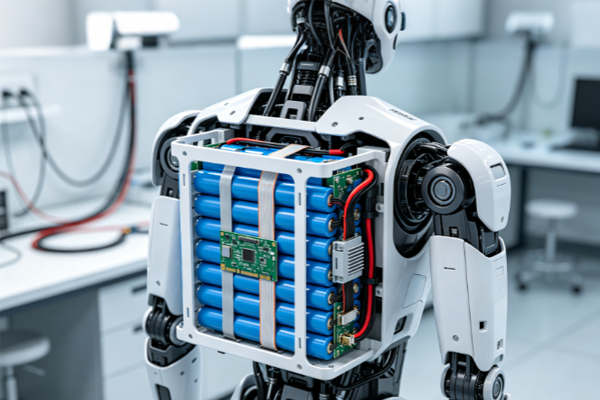
Are Robot Batteries Safe? What Problems Should Buyers Watch For?
Robot battery safety cannot be judged by the cell chemistry alone. Once a battery is installed in an AGV, AMR, or other mobile robot, it has to handle frequent starts and stops, vibration, high discharge currents, and changing operating temperatures. A complete robot battery safety solution needs to consider the cells, BMS, connectors, cables, and battery enclosure as one system.
What Are the Most Common Robot Battery Safety Problems?
Many battery problems do not appear suddenly and may start with occasional alarms, reduced runtime, or rising connector temperatures before becoming a serious shutdown issue. When purchasing a robot battery, buyers should pay close attention to the following:
- Overcurrent and short circuit: Robot motors can draw high current during startup or heavy-load operation, so the battery pack needs reliable overcurrent and short-circuit protection.
- Abnormal temperature: Continuous operation, fast charging, and high ambient temperatures can increase battery temperature, making continuous BMS temperature monitoring important.
- Loose connections: Long-term robot vibration can loosen terminals, connectors, or cables, potentially causing poor contact and localized heating.
- Overcharge and over-discharge: Long operating cycles can push the battery to a very low state of charge, while abnormal charging control can create overcharge risks, making BMS protection essential.
These issues may seem minor at first, but a robot that repeats the same movements hundreds of times a day can gradually turn small weaknesses into real failures. Checking protection functions and mechanical design together is more useful than comparing battery capacity alone.
Do Different Robots Have the Same Battery Safety Requirements?
Different robots operate in very different environments, so their battery safety requirements cannot simply use the same configuration. The table below shows what buyers should pay closer attention to for common robot types:
| Robot Type | Typical Environment | Safety Focus | Typical Operating Conditions |
| AGV | Factories, warehouses | High current, vibration resistance, reliable connections | Heavy loads, frequent starts and stops |
| AMR | Smart warehouses, logistics centers | BMS, communication, temperature monitoring | Frequent movement, opportunity charging |
| Cleaning Robot | Malls, hotels, factories | Protection, stable discharge | Long continuous operation |
| Inspection Robot | Factories, outdoor sites | Dust, water, temperature resistance | Unattended operation, changing environments |
Different robot types require different battery protection priorities. When requesting a quote, buyers should provide the robot load, operating environment, daily working hours, and startup conditions so the supplier can design a better-matched battery solution.
How to Choose a Robot Battery BMS? Which Protection Functions Matter?
The BMS is a core part of robot battery safety, but asking whether a battery “has a BMS” is not enough. Robots go through frequent charging and discharging, startup, emergency stops, acceleration, and heavy-load operation, so the BMS needs to protect the battery while also providing useful operating data to the robot controller.
What Data Should a Robot Battery BMS Monitor?
A BMS designed for robots should continuously monitor battery operating conditions, and buyers can include the following functions in their technical requirements:
- Cell voltage monitoring: Each cell voltage can be monitored in real time so abnormal differences can be detected and protected against quickly.
- Charge and discharge current monitoring: Actual current can be monitored continuously to prevent the battery from operating above its allowable continuous discharge range for extended periods.
- Temperature monitoring: Temperature sensors can monitor key areas of the cells and battery pack and limit charging or discharging when abnormal temperatures occur.
- SOC data management: The robot controller can receive remaining battery information to support automatic charging, battery swapping, and task scheduling.
- Fault alarms and communication: CAN, RS485, and similar interfaces can transmit voltage, temperature, SOC, and fault information to the robot control system.
The real value of a BMS is giving the robot a clear picture of battery status. If the robot needs to return automatically for charging when its battery is low, communication functions become especially important, so protocol testing should ideally be completed during the sample stage.
Why Does Peak Discharge Current Matter for Robot Batteries?
Robot motors can demand much more power during startup, acceleration, climbing, or sudden load increases than during steady operation. If the battery only meets continuous current requirements but cannot handle peak current, the robot may experience startup problems, voltage drops, or low-voltage alarms.
Buyers should confirm all of the following:
- The continuous discharge current meets the robot’s normal operating requirements.
- The peak discharge current can handle startup and heavy-load conditions.
- The peak current duration is clearly specified.
- The BMS overcurrent protection threshold matches the robot’s drive system.
For heavy-load AGVs and frequently starting AMRs, these figures can be more important than looking at battery capacity alone.
Do Robot Batteries Need Overtemperature Protection?
Yes, because heat can come from more than just the battery cells. Terminals, power cables, and other components can also generate heat during extended operation, making temperature management particularly important for robots working in hot factories or outdoors.
The BMS can continuously monitor temperature and limit charging or discharging when abnormal conditions occur. The battery enclosure should also provide appropriate heat dissipation space rather than focusing on sealing while ignoring thermal management.
How Should Robot Batteries Be Protected Mechanically? How Should Buyers Test Them?
A good cell and BMS configuration does not automatically make a robot battery safe. Robots move, turn, brake, and accelerate every day, which means the battery pack is constantly exposed to vibration and impact. If the enclosure, mounting brackets, connectors, or cables are poorly designed, failures can still appear after long-term use, so mechanical protection and real-world testing should be part of the purchasing process.
What Should Buyers Check in a Robot Battery Enclosure?
The battery enclosure needs to protect the cells and wiring while fitting the robot’s available installation space. When ordering a customized robot battery, buyers should confirm the following:
- Enclosure dimensions: Provide the exact length, width, and height of the installation area to prevent fitting problems after delivery.
- Mounting method: Confirm mounting holes, bracket positions, and load-bearing points to reduce battery movement during robot operation.
- Cables and connectors: Confirm connector models, cable lengths, and cable exit directions before production to avoid rewiring after installation.
- Dust, water, and heat protection: Outdoor inspection robots may require stronger environmental protection while still needing sufficient heat dissipation.
The battery pack should ideally be tested with the actual robot chassis during the sample stage. A few millimeters of dimensional difference or a slightly misplaced connector can become a costly rework issue during mass production.
Why Do Robot Batteries Need Vibration Resistance?
AGVs and AMRs may repeatedly travel across floor joints, ramps, and turning areas, creating continuous mechanical stress on cells, busbars, terminals, and connectors. If internal components are not properly secured, long-term operation can cause poor contact or abnormal heating.
Buyers can ask suppliers to explain the internal mounting structure and include vibration, impact, and long-duration operation tests in the sample evaluation. This is particularly important for robots that operate continuously every day.
What Tests Should Be Performed on Robot Battery Samples?
After receiving a sample, simply checking the fully charged voltage is not enough. A more practical approach is to test the battery under conditions close to the robot’s actual operating process, including charging, movement, startup, and protection responses.
- Capacity testing: Check whether the actual usable capacity matches the rated capacity.
- Continuous discharge testing: Simulate the robot’s normal operating current and monitor voltage and temperature changes during operation.
- Peak load testing: Simulate startup, acceleration, climbing, and heavy-load conditions to verify peak current performance.
- Charging testing: Confirm that the charger, BMS, and robot charging system work together correctly.
- Protection testing: Verify overcharge, over-discharge, overcurrent, short-circuit, and temperature protection functions.
- Communication testing: Confirm that the robot controller can correctly read SOC, voltage, temperature, and fault information.
Moving to mass production only after the sample passes these tests can reduce rework and replacement risks. For long-term robot battery procurement, buyers can also lock down the cell, BMS, connector, and enclosure specifications to improve consistency between production batches.
| Acceptance Item | What to Confirm |
| Battery Cells | Chemistry, model, consistency |
| BMS | Overcharge, over-discharge, overcurrent, short circuit, temperature protection |
| Discharge Capability | Continuous current, peak current, peak duration |
| Mechanical Design | Dimensions, weight, mounting method, enclosure material |
| Connections | Connector type, cable specifications, polarity |
| Communication | CAN, RS485, or other protocols |
| Charging | Charging voltage, current, charger compatibility |
| Testing | Capacity, temperature rise, protection, communication, continuous operation |
For global buyers looking for customized LiFePO4 robot batteries, DELIGREEN provides batteries, battery packs, DIY battery boxes, and BMS accessories, with solutions designed around the robot’s installation space, discharge requirements, and communication needs.
Robot battery safety is not determined by a single specification; it depends on how the cells, BMS, wiring, enclosure, charging system, and robot controller work together. AGVs, AMRs, cleaning robots, and inspection robots may repeat the same tasks thousands of times, so one battery failure can disrupt an entire operation. When selecting a LiFePO4 robot battery, checking protection functions, peak current, vibration resistance, connection design, and sample testing together can create a safer and more reliable battery solution for long-term use.