LiFePO4 Cells • Battery Packs • DIY Kits • Energy Storage Systems
info@deligreen.net WhatsApp: +86 15074995718

LiFePO4 Cells • Battery Packs • DIY Kits • Energy Storage Systems
info@deligreen.net WhatsApp: +86 15074995718
Practical guides, technical insights and application knowledge to help you choose the right LiFePO4 battery and energy storage solution.
LATEST KNOWLEDGE & INSIGHTS
Explore practical guides, technical insights and application knowledge to help you choose the right batteries, components and energy storage solutions.
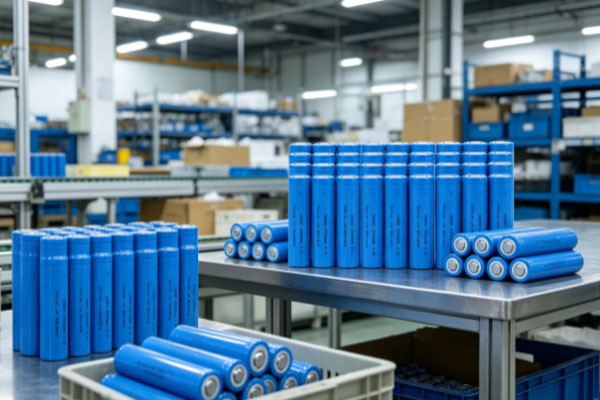
The capacity of a sodium-ion battery is an important parameter for determining its actual energy storage capability and is usually expressed in Ah (ampere-hours). The capacity marked on a battery is its rated or designed capacity.
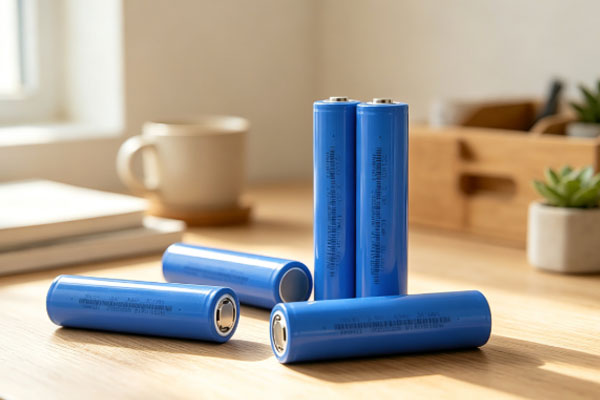
When a sodium-ion battery is charging, an external power source supplies electrical energy to the battery, causing sodium ions and electrons inside the battery to move in specific directions and converting electrical energy into chemical energy
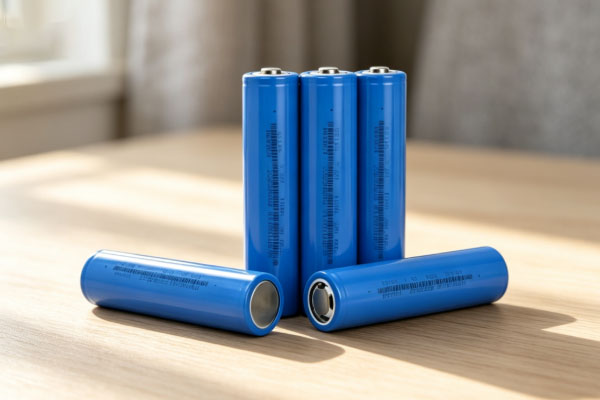
After a sodium-ion battery has been used for a period of time, if its internal resistance is found to have increased significantly compared with when it was first put into use, this usually indicates that the
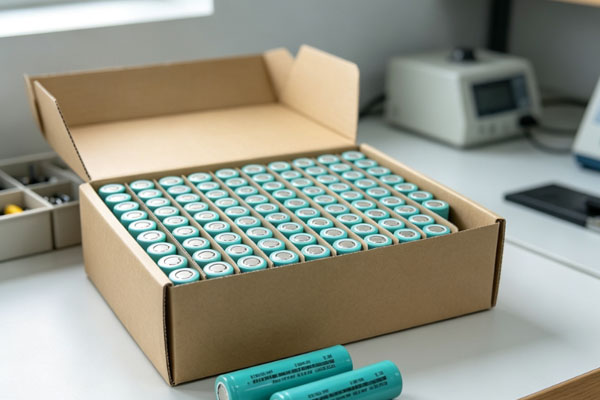
Sodium-ion batteries are increasingly being used in energy storage equipment, low-speed vehicles, backup power supplies, and some industrial equipment. They have similarities to lithium-ion batteries in terms of their operating principles, but their cell materials, operating
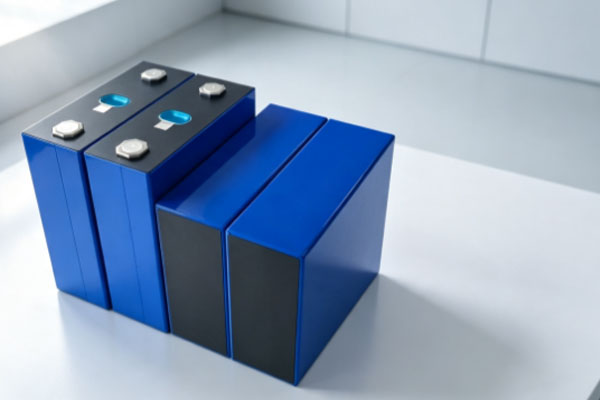
12V LiFePO4 batteries have become a common power solution for many low-voltage electrical devices due to their high energy density, long cycle life, stable discharge performance, and good user experience. Compared with traditional lead-acid batteries, LiFePO4
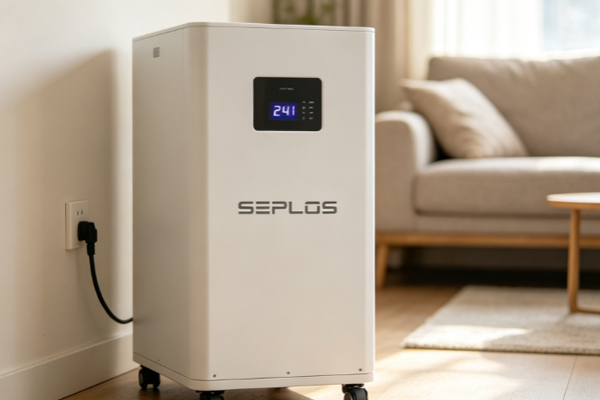
In the process of making a DIY battery box, the connection method directly affects power stability, safety, and the convenience of later maintenance. Different devices have different requirements in terms of voltage, current, and installation space,
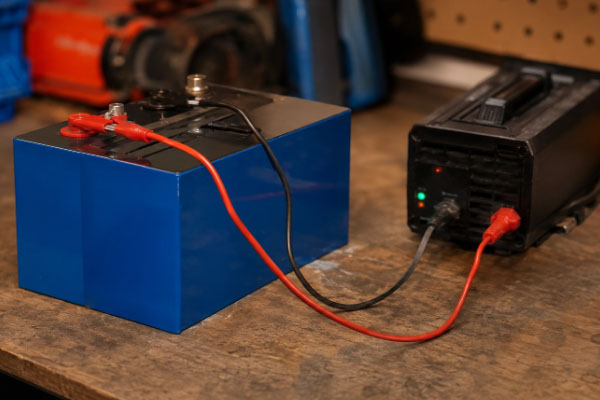
12V LiFePO4 batteries are commonly used in RVs, boats, solar energy storage, portable power supplies, lighting equipment, and various 12V DC electrical devices. Compared with lead-acid batteries, LiFePO4 batteries have different charging requirements. In particular, 12V
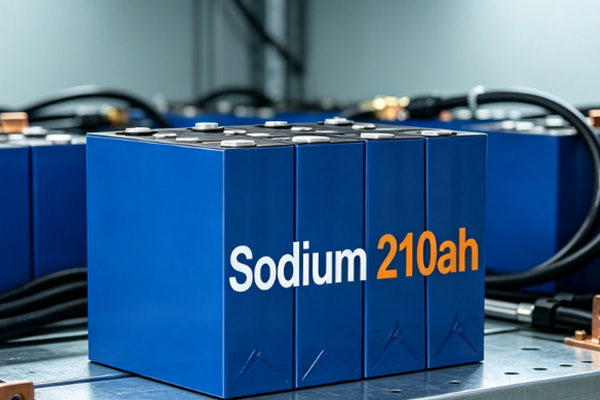
As the application of new energy storage and green energy continues to expand, sodium-ion batteries are receiving increasing attention due to their abundant resources and lower cost. Battery performance is not determined by a single factor;
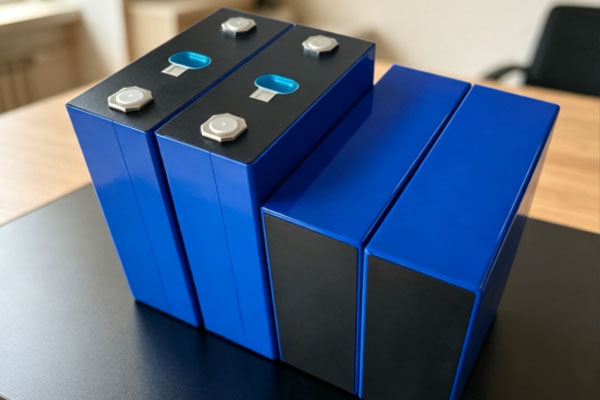
LiFePO4 batteries have good safety, cycle life, and stability, so they are widely used in RV power supplies, energy storage equipment, solar energy storage, low-speed vehicles, marine power supplies, and portable power supplies. However, LiFePO4 batteries
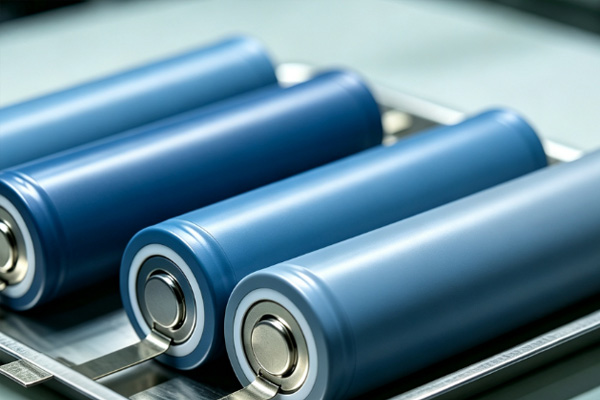
The battery form factor directly affects a device’s structural layout, internal arrangement, weight distribution, and maintenance approach. Cylindrical and pouch batteries are both mature lithium battery solutions, but they follow different design philosophies. Cylindrical batteries feature
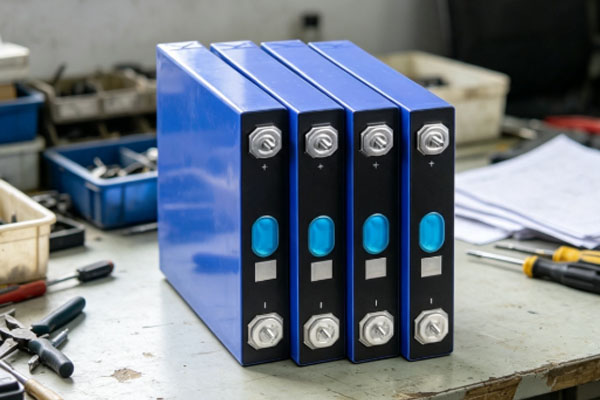
12V LiFePO4 battery packs are widely used in RVs, boats, solar energy storage systems, portable power stations, low-speed electric vehicles, and DC equipment. The maximum discharge current of a 12V LiFePO4 battery pack is not a
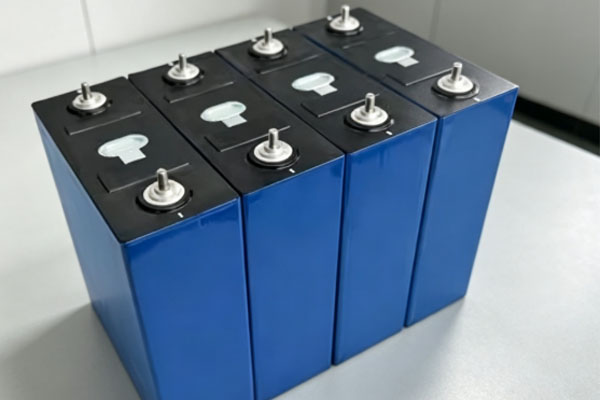
12V LiFePO4 battery packs are widely used in RV energy storage, solar energy storage, marine power supplies, portable power stations, low-speed electric vehicles, and various DC power supply systems. When selecting cells or customizing a battery
Use this lightweight CTA to move readers from self-learning to product or project consultation.
QUICK LEARNING TOOLS
Use our practical battery tools and guides to compare options, understand key terms and make more confident purchasing decisions.
A downloadable or article-led checklist for voltage, capacity, load and quantity.
Compare LiFePO4, lead-acid, sodium-ion and LTO at a high level.
Direct readers to understandable definitions of common battery terms.
Link to safe handling, document and packing information.
Start with voltage, capacity, energy, battery type and the intended application. Then move to BMS and charging topics.
No. Educational content supports research; product manuals, datasheets and approved instructions remain the source for model-specific details.
Keep each article educational, then use a relevant product link or a single “Ask a Battery Expert” CTA at the end.
Knowledge explains concepts and buyer questions; Solutions shows application use cases; NEWS shares product, company and industry updates.
Explore our battery products, application-based solutions or custom options to find the right fit for your project.
Cells, battery packs, DIY boxes and energy storage systems.
Find application-based storage guidance.
Get OEM/ODM support for capacity, voltage, BMS and packaging.
NEED A PRODUCT RECOMMENDATION?
Tell us your application, voltage, capacity, quantity and delivery country. We will help direct you to the relevant product or solution path.
Replace the placeholder sales email before publishing.