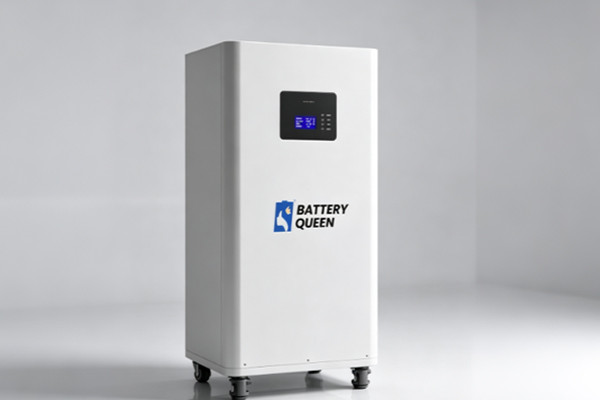
12V LiFePO4 batteries have become a common power solution for many low-voltage electrical devices due to their high energy density, long cycle life, stable discharge performance, and good user experience. Compared with traditional lead-acid batteries, LiFePO4 batteries are lighter, have higher charging and discharging efficiency, and can provide more stable power output under the same capacity conditions. Therefore, 12V LiFePO4 batteries are widely used in RVs, boats, solar energy storage systems, portable power supplies, communication equipment, lighting systems, and some low-speed transportation vehicles.
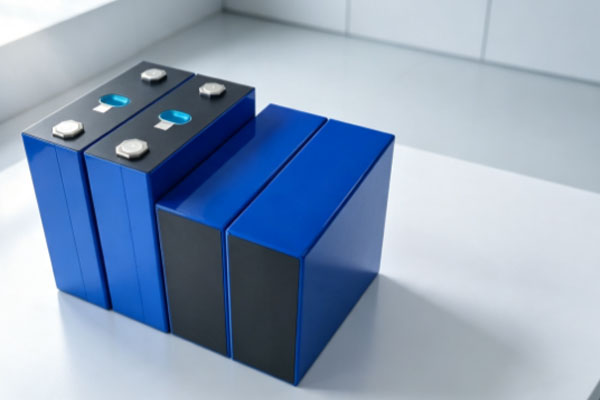
Common 12V LiFePO4 battery packs usually adopt a 4-series configuration, with a nominal voltage of approximately 12.8V, and can directly replace some 12V lead-acid battery applications. In practical selection, it is necessary to consider equipment power, operating time, discharge current, and installation space. Different devices have different requirements for battery capacity and output capability. With the increasing demand for low-voltage energy storage, 12V LiFePO4 batteries have entered more and more household and industrial application environments. Understanding the characteristics of different application scenarios can help users select battery capacity, BMS specifications, and supporting equipment more reasonably, allowing the battery to achieve better performance.
RVs and Mobile Living Power Supply
Providing Stable Power for Onboard Equipment
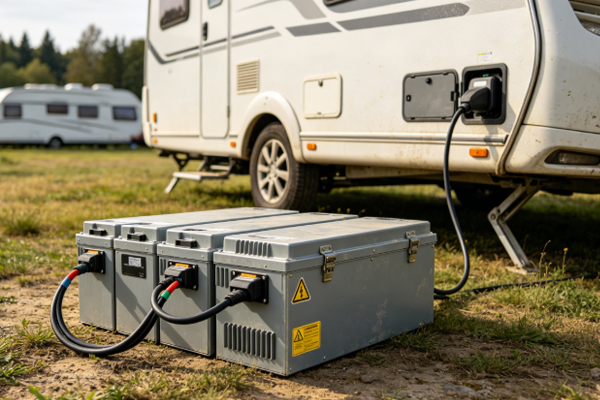
RVs are one of the most common application scenarios for 12V LiFePO4 batteries. During travel and outdoor stays, RVs usually need to provide power for lighting, refrigerators, fans, water pumps, communication equipment, and small appliances. Traditional lead-acid batteries may experience reduced lifespan after deep discharge, while LiFePO4 batteries are more suitable for frequent charging and discharging. For example, a 12.8V 100Ah LiFePO4 battery can store approximately 1280Wh of energy, which can meet the power supply needs of some daily devices.
When using a 12V LiFePO4 battery in an RV, attention should be paid to:
- Select an appropriate capacity based on the power requirements of onboard equipment.
- Combine with solar panels or vehicle charging equipment to replenish energy.
- Confirm that the inverter power matches the battery output capability.
- Ensure that the battery installation location has good heat dissipation conditions.
For users who frequently take short trips or stay outdoors, 12V LiFePO4 batteries can reduce the need for frequent battery replacement and improve the convenience of mobile power use.
Suitable for Vehicle Auxiliary Systems
In addition to RV living power needs, some vehicle auxiliary equipment also uses 12V LiFePO4 batteries, such as vehicle refrigerators, lighting equipment, wireless devices, and some modified power systems. These devices usually require stable low-voltage power supplies, and LiFePO4 batteries have relatively low voltage fluctuations, allowing equipment to maintain a more stable operating condition.
Solar Energy Storage and Portable Power Supplies
In daily life and some outdoor power applications, solar energy storage systems and portable power supplies are becoming increasingly common. Many people use solar energy for power supply in home yards, remote areas, or outdoor workplaces. A 12V LiFePO4 battery can not only store solar energy generated during the day but also continue providing stable power at night or during cloudy weather, making electricity usage more flexible and convenient.
Energy Storage Batteries in Small Solar Systems
In some household or small off-grid power applications, solar systems have become increasingly common. Many users install solar panels on rooftops or in yards to collect sunlight during the day and convert it into electricity. This electricity is not always used directly but is first stored in batteries and then released at night or during poor weather conditions. 12V LiFePO4 batteries are widely used in these systems because of their good stability, high cycle count, and suitability for long-term repeated charging and discharging.
Common applications include:
- Garden solar lighting
- Power supply for monitoring equipment
- Power supply for remote sensors
- Small off-grid power systems
Although these applications generally do not require high power, they have relatively high requirements for reliability. For example, garden lights need to turn on automatically every day, monitoring equipment cannot lose power, and sensors need to operate continuously for long periods. Therefore, battery reliability is very important. Compared with ordinary batteries, LiFePO4 batteries are more durable and can better adapt to daily charging and discharging cycles without rapid degradation caused by frequent use. In practical applications, users usually need to select battery capacity based on daily energy consumption.
Outdoor Portable Power Equipment
With the increasing popularity of outdoor activities, the demand for portable power equipment is also growing. Whether for camping, outdoor photography, or outdoor construction, a stable and reliable power source is often required to support various devices, such as lighting equipment, camera equipment, small appliances, and even projectors. 12V LiFePO4 batteries are widely used in these scenarios because they can provide stable voltage and offer good portability. Compared with traditional lead-acid batteries, LiFePO4 batteries are lighter, easier to carry, and can provide longer operating time, making them highly practical for people who spend extended periods outdoors.
Marine, Communication, and Backup Power
In some special environments, such as marine operations, communication systems, or backup power systems, higher requirements are placed on battery stability and reliability. Due to their stable performance and simple maintenance, 12V LiFePO4 batteries are widely used in these fields and can provide continuous power support in complex environments.
Power Supply for Marine Equipment
In marine environments, power systems usually need to operate stably for long periods while also facing complex conditions such as humidity, vibration, and salt spray. Therefore, battery requirements are relatively high. 12V LiFePO4 batteries are commonly used in marine auxiliary power systems and can provide stable power support for important equipment.
Common applications include:
- Marine lighting equipment
- Fish finder equipment
- GPS navigation equipment
- Onboard electronic equipment
Although these devices may not always have high power consumption, they are very important during navigation. A power failure may affect safety and operation. Therefore, batteries must have good stability and resistance to interference. LiFePO4 batteries perform well in this area, providing stable output and having a low self-discharge rate, allowing them to maintain a good charge state even after long periods of non-use. At the same time, marine batteries require attention to installation methods and protection measures, such as waterproofing, shock resistance, and secure mounting structures. These factors can affect battery service life and safety. During long-term storage, batteries should also be stored and maintained properly according to manufacturer recommendations.
Backup Power for Communication Equipment
Since these devices usually need to operate continuously for 24 hours, power interruptions may affect data transmission or security monitoring. Therefore, 12V LiFePO4 batteries are often used as backup power sources, automatically taking over power supply when the main power source fails.
Examples include:
- Backup power for small communication base stations
- Backup power supply for network equipment
- Power supply for security monitoring systems
These devices mainly require strong endurance and stability from batteries, as they need to maintain reliable output during long standby periods. They also need a certain cycle capability to handle frequent switching between charging and discharging. When selecting a battery, the required capacity is usually calculated according to equipment power consumption. If the equipment has higher power requirements or needs longer backup operation, a higher-capacity battery pack should be selected to ensure that the system can continue operating normally during power outages.
Low-Speed Vehicles and Industrial Equipment
In some low-speed transportation vehicles and industrial equipment, batteries are not only the energy source but also an important component affecting equipment performance. 12V LiFePO4 batteries are widely used in these applications due to their stable output and long lifespan, meeting the requirements of frequent use and high reliability.
Applications in Low-Speed Transportation Vehicles
In daily life, some low-speed electric vehicles and auxiliary equipment also use 12V LiFePO4 batteries, such as electric tricycles, golf carts, and small material handling equipment. These devices usually require frequent starting and stopping, placing higher demands on battery discharge capability and cycle life.
Common applications include:
- Auxiliary power supply for electric tricycles
- Golf cart power systems
- Power supply for electric tools
- Small material handling equipment
During operation, these devices often experience frequent charge and discharge cycles. If battery performance is unstable, the overall user experience can be affected. LiFePO4 batteries perform well in this area, offering not only long service life but also stable output under high loads. When selecting a battery, special attention should be paid to the starting current and continuous operating current of the equipment, because some motors generate high current surges during startup. If the battery discharge capability is insufficient, normal equipment operation may be affected. Therefore, proper battery matching is very important.
Industrial Control and Automation Equipment
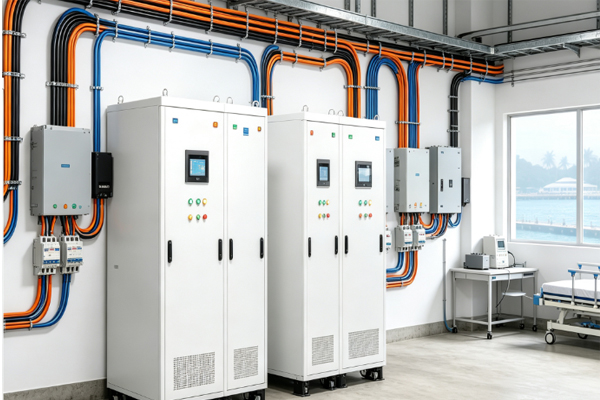
In industrial environments, many control systems and automation devices also use 12V LiFePO4 batteries as backup power supplies or mobile power sources. These devices usually have high requirements for stability, as power interruptions may affect production processes or data recording. These devices generally focus more on: Battery output stability; Long standby capability; Maintenance convenience; Adaptability to working environments. Using properly configured battery capacity and protection systems is very important. At the same time, industrial environments require consideration of factors such as temperature, humidity, and vibration to ensure long-term stable battery operation.
Frequently Asked Questions
Q: Are 12V LiFePO4 batteries suitable for household energy storage?
A: 12V LiFePO4 batteries can be used for small household energy storage applications, such as lighting, routers, monitoring equipment, and some low-power appliances. If household electricity demand is higher, larger capacity batteries or multiple battery packs are usually required.
Q: Can 12V LiFePO4 batteries replace lead-acid batteries?
A: In many cases, they can replace lead-acid batteries, but it is necessary to confirm whether the charger, voltage range, installation dimensions, and BMS configuration are compatible. Different devices have different requirements for starting current and charging methods, so it cannot be assumed that all 12V lead-acid battery positions can be directly replaced.
Q: What capacity of 12V LiFePO4 battery is needed for an RV?
A: It depends on the number of devices and operating time requirements. If the needs are limited to basic applications such as lighting, a small refrigerator, and mobile phone charging, a capacity of around 100Ah may meet some usage conditions. If more devices need to operate, a larger capacity battery is required.
Q: Why are LiFePO4 batteries preferred for portable power supplies?
A: Outdoor equipment usually requires repeated charging and discharging, while also requiring lighter weight and longer lifespan. LiFePO4 batteries can provide stable output, making them suitable for camping, mobile offices, and outdoor equipment power supply.
12V LiFePO4 batteries have a wide range of applications, from everyday outdoor equipment to professional energy storage systems. RV users focus more on operating time, solar systems emphasize cycle charging and discharging capability, marine and communication equipment prioritize stable power supply, while low-speed vehicles require attention to starting current and continuous output capability. When selecting a 12V LiFePO4 battery, users should not only consider voltage and capacity but also evaluate actual equipment requirements. For example, a 100Ah battery may be suitable for some medium and small power devices, while high-power inverters, drive equipment, or long-term operating systems may require higher-capacity battery packs or stronger discharge capabilities. During daily use, attention should also be paid to charger selection, BMS protection, battery installation environment, and wiring specifications. Proper battery selection and operation according to equipment requirements can allow 12V LiFePO4 batteries to maintain stable performance in different scenarios, providing reliable power support for RVs, energy storage systems, outdoor activities, and various low-voltage devices.