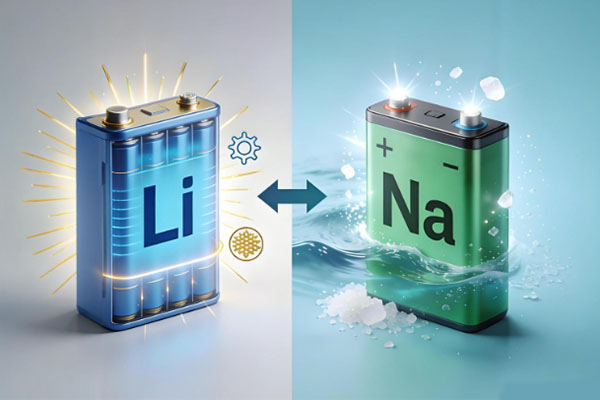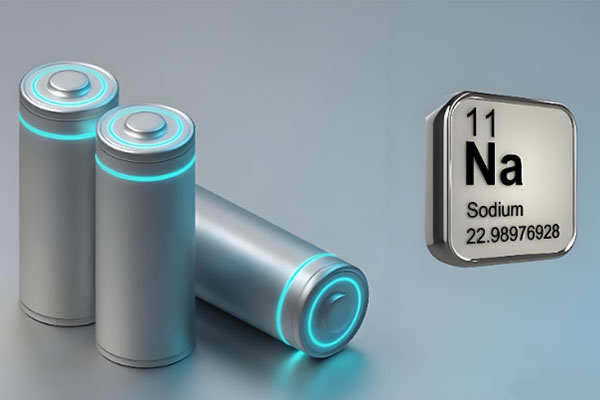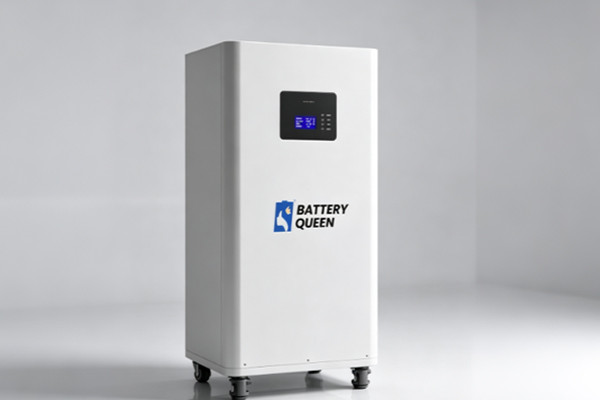
As the application of new energy storage and green energy continues to expand, sodium-ion batteries are receiving increasing attention due to their abundant resources and lower cost. Battery performance is not determined by a single factor; instead, it is jointly influenced by the material system, electrolyte, cell structure, and manufacturing processes. Understanding these key factors helps more accurately evaluate product reliability and application value.
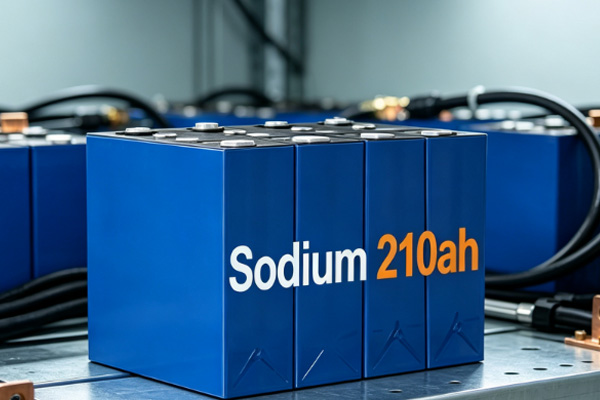
Positive and Negative Electrode Materials Affect Core Battery Performance
Electrode materials are the fundamental basis that determines the capacity, cycle life, and energy performance of sodium-ion batteries.
Cathode Materials Affect Capacity and Voltage Performance
Cathode materials are responsible for the storage and release of sodium ions.
- Different material systems have different sodium storage capabilities.
- Structural stability affects capacity retention during cycling.
- Cathode potential determines the overall output voltage of the battery.
Stable and efficient cathode materials can improve energy density and long-term performance.
Anode Materials Affect Charge and Discharge Efficiency
Anode materials determine the efficiency of sodium-ion insertion and extraction.
- They must provide suitable sodium storage sites.
- Ion diffusion rate affects charge and discharge efficiency.
- Structural changes during cycling influence battery lifespan.
High-quality anode materials help maintain more stable cycling performance.
Electrode Material Matching Affects Overall Performance
The cathode and anode must work in coordination rather than independently. Good chemical compatibility between materials is required, interfacial stability affects long-term operation, and proper matching helps reduce side reactions. A well-designed overall material system can significantly improve comprehensive battery performance.
Electrolyte and Structural Design Affect Operational Stability
The electrolyte is the key medium that connects the cathode and anode and enables sodium-ion transport.
Electrolyte Affects Ion Transport Speed
During charge and discharge, sodium ions migrate through the electrolyte.
- Ionic conductivity affects transport efficiency.
- Viscosity influences ion mobility.
- A stable system reduces internal resistance.
Proper electrolyte design helps improve charge and discharge efficiency.
Electrolyte Stability Affects Safety Performance
The electrolyte must have good chemical and thermal stability.
- Reduces side reactions with electrodes.
- Slows down performance degradation.
- Improves reliability in high-temperature environments.
A stable electrolyte system enhances overall safety.
Battery Structural Design Affects Real-World Performance
Battery structure also directly influences performance in use.
- Cell size affects heat dissipation and space utilization.
- Assembly method influences internal connection stability.
- Structural design is closely related to safety protection capability.
A well-designed structure helps achieve better performance.
Manufacturing Processes and Management Systems Affect Consistency
The level of process control during production directly impacts battery stability.
Manufacturing Precision Affects Cell Consistency
Battery production requires strict control over multiple steps. Electrode coating thickness affects capacity variation, assembly precision influences internal structural stability, and impurity control impacts cycle life. High-standard manufacturing processes improve consistency in large-scale applications of sodium-ion batteries.
BMS Management Affects Long-Term Performance
The battery management system (BMS) is crucial in battery packs.
- Real-time monitoring of voltage, current, and temperature.
- Prevention of overcharge and over-discharge conditions.
- Balancing differences between cells.
A well-designed BMS helps ensure stable system operation.
Thermal Management Affects Environmental Adaptability
Temperature changes significantly affect battery performance.
- Low temperatures reduce ion migration efficiency.
- High temperatures accelerate material aging.
- Heat dissipation design affects operational stability.
Good thermal management improves environmental adaptability.
Operating Conditions Affect Actual Lifespan
The real-world performance of batteries is also closely related to usage conditions.
Charge and Discharge Methods Affect Cycle Life
In actual use, the following points should be noted:
- Avoid long-term high-load operation.
- Control depth of charge and discharge.
- Select appropriate operating modes based on requirements.
Proper usage can extend battery lifespan.
Operating Environment Affects Battery Performance
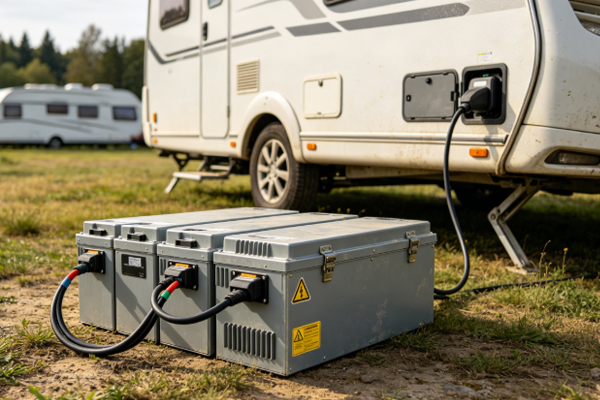
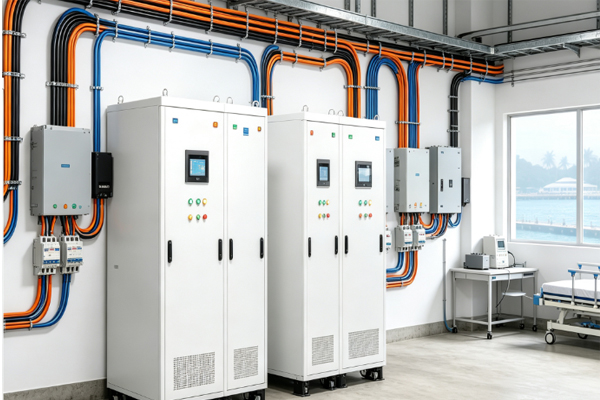
Different scenarios place different demands on batteries: energy storage systems prioritize long-term stability, power systems focus on output capability, and outdoor devices emphasize temperature adaptability. Optimizing solutions based on application environments improves overall performance. In addition, reasonable battery management strategies help extend service life. In practical selection, cost and maintenance convenience should also be considered.
System Design Affects Final Application Performance
Cell performance alone does not represent system performance.
- Cell configuration affects output capability.
- Module structure influences safety.
- System management impacts service life.
Only a complete system design can fully realize battery performance.
The overall performance of sodium-ion batteries requires coordination among material selection, electrolyte systems, structural design, manufacturing control, and real-world application conditions. Through continuous improvements in R&D, large-scale manufacturing, and system-level optimization, their overall performance and reliability can be gradually enhanced. With ongoing technological progress, their application scope in energy storage systems, transportation, and industrial energy scenarios will continue to expand.