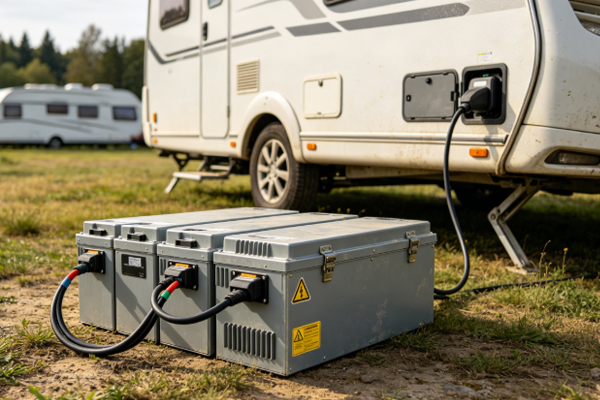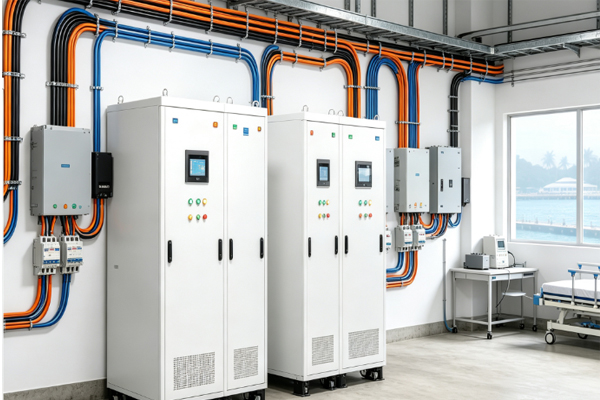
12V LiFePO4 batteries are commonly used in RVs, boats, solar energy storage, portable power supplies, lighting equipment, and various 12V DC electrical devices. Compared with lead-acid batteries, LiFePO4 batteries have different charging requirements. In particular, 12V battery packs usually consist of four LiFePO4 cells connected in series, with a nominal voltage of approximately 12.8V and a full-charge voltage that can typically reach around 14.4V–14.6V. Therefore, when charging a 12V LiFePO4 battery, you cannot simply look at the “12V” in the battery name. You also need to confirm the number of cells in series, charger output voltage, BMS parameters, and the charging current specified by the battery manufacturer.
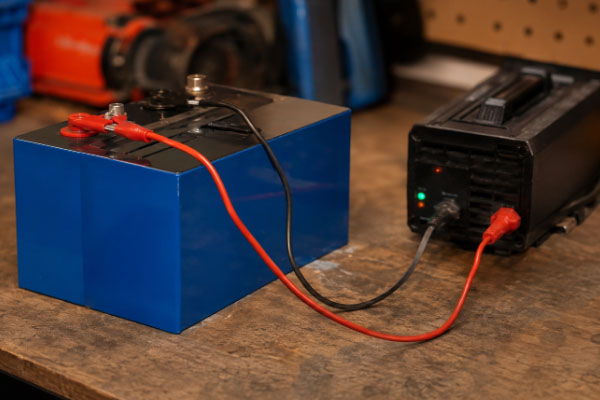
Proper charging can reduce problems such as overcharging, overheating, and abnormal protection activation, while also helping maintain the battery in normal operating condition. When selecting a compatible LiFePO4 charger, attention should also be paid to the charging environment and the condition of the battery itself. If the battery has already developed swelling, damage, leakage, an unusual odor, or abnormal heating, it should not be charged further. During charging, do not arbitrarily increase the voltage or current simply to shorten charging time. Only when the parameters of the charger, battery pack, and BMS are properly matched can a 12V LiFePO4 battery maintain stable performance during daily use.
What Parameters Need to Be Confirmed Before Charging?
A 12V LiFePO4 Battery Is Actually 12.8V
Common 12V LiFePO4 battery packs use a 4S configuration, meaning four LiFePO4 cells of approximately 3.2V are connected in series. The calculation is: 3.2V × 4 = 12.8V
Therefore, when selecting a charger, you should not simply use a standard power adapter with a “12V output.” Instead, you should select a charger suitable for a 4S LiFePO4 battery according to the battery manufacturer’s requirements. The charging termination voltage of a common 4S LiFePO4 battery is approximately 14.4V–14.6V, but the specific value should be based on the parameters provided by the battery and cell manufacturer.
Charging Current Also Needs to Be Matched
In addition to controlling voltage, the charger output current also needs to be confirmed. For example, if a 12.8V 100Ah battery is specified by the manufacturer as suitable for 50A charging, a 50A charger is generally more appropriate than a charger with excessively high current. Excessive charging current may cause the battery temperature to rise and may also exceed the charging current permitted by the cells or BMS. Therefore, before purchasing a charger, check:
- The battery nominal voltage and number of cells connected in series
- The maximum charging voltage specified by the manufacturer
- The recommended charging current and maximum charging current
- The charging current permitted by the BMS
Properly Use a LiFePO4 Charger
Choose Dedicated Charging Equipment
When charging a 12V LiFePO4 battery, use a charger compatible with LiFePO4 batteries. Different battery chemistries have different charging voltages and charging curves, so it is not recommended to use a standard lead-acid battery charger as a long-term substitute for a LiFePO4 charger. A suitable charger typically controls the charging process according to the battery condition, allowing the battery to gradually reach the specified voltage rather than continuously charging at the maximum current. For battery packs equipped with a BMS, the charger and BMS need to work together.
Do Not Arbitrarily Increase the Voltage for Faster Charging
Some users believe that increasing the charger voltage can shorten charging time, but this approach is not suitable for LiFePO4 batteries. Exceeding the charging voltage specified by the manufacturer may cause the BMS to frequently activate overcharge protection and may also increase the stress on the cells. If the battery takes a long time to charge normally, check the charger output, battery capacity, charging current, and BMS status instead of directly replacing it with a higher-voltage charger.
Temperature and Battery Condition During Charging
Charging in High-Temperature Environments Requires Caution
A slight increase in battery temperature during charging does not necessarily indicate a fault, but if the temperature continues to rise or an obvious abnormality occurs, charging should be stopped and the battery should be inspected.
During daily charging, pay attention to the following:
- Do not charge the battery in direct sunlight.
- Avoid charging the battery for extended periods inside an enclosed, high-temperature vehicle cabin.
- Do not place objects around the battery that could interfere with heat dissipation.
- If abnormal heating is detected during charging, stop charging promptly.
Low-temperature environments also require attention. LiFePO4 batteries are generally not suitable for direct high-current charging under low-temperature conditions. Some batteries use the BMS low-temperature charging protection function to limit charging. The specific minimum allowable charging temperature should be based on the parameters provided by the cell and battery manufacturer.
Check the Battery Appearance Before Charging
Before connecting the charger, perform a simple inspection of the battery. The housing of a normal battery should generally remain intact without obvious deformation. If you find that: the battery housing is swollen or visibly deformed; the battery has an unusual odor; the battery is damaged; the terminals show obvious burning; or abnormal heating occurred during previous use; charging should be stopped and the battery should be inspected by a professional. Do not continue charging simply to determine whether the battery can recover, and do not disassemble the battery pack yourself.
Frequently Asked Questions
Q: How many volts should be used to charge a 12V LiFePO4 battery?
A: A common 12V LiFePO4 battery pack uses a 4S configuration, with a nominal voltage of approximately 12.8V and a charging termination voltage generally around 14.4V–14.6V. The specific charging voltage should be determined according to the battery manufacturer’s specifications.
Q: Can a car lead-acid battery charger be used to charge a LiFePO4 battery?
A: Long-term use in this way is not recommended. Lead-acid batteries and LiFePO4 batteries have different charging requirements. If the charger voltage, charging curve, or maintenance mode is not suitable for a LiFePO4 battery, abnormal charging may occur. Therefore, priority should be given to using a charger compatible with LiFePO4 batteries.
Q: What charging current should be used for a 12V 100Ah LiFePO4 battery?
A: The specific cell and battery manufacturer’s requirements need to be checked. If the battery permits 0.5C charging, a 100Ah battery corresponds to approximately 50A. If the manufacturer specifies a maximum charging current of 100A, the theoretical maximum is 100A. Daily use does not necessarily require the maximum charging current, and the battery manual should be followed.
Q: Is it normal for the BMS to disconnect during charging?
A: If the BMS occasionally activates protection because of cell voltage, temperature, or other protection conditions, the specific cause should be checked. Frequent disconnection is not considered a normal charging condition. The charger voltage, cell consistency, temperature, and BMS parameters should be inspected.
When charging a 12V LiFePO4 battery, the battery specifications, charger parameters, BMS protection, and ambient temperature need to be considered together. Selecting a charger compatible with a 4S LiFePO4 battery and avoiding arbitrary increases in charging voltage and current are important practices for daily use. Although 12V LiFePO4 batteries generally have good stability, incorrect charging equipment and unsuitable operating conditions can still cause abnormalities. Before charging, check the battery label and manual to confirm whether the battery is 12.8V or another specification, and verify the recommended charging voltage, maximum charging current, and allowable charging temperature. During charging, keep the environment well ventilated and avoid high temperatures, humidity, and direct sunlight. When the battery is not used for an extended period, it should also be stored according to the storage conditions recommended by the manufacturer. There is no need to charge it frequently simply to maintain its charge level.
If the battery has already developed swelling, damage, a noticeable unusual odor, or abnormal heating, stop using and charging it. Do not disassemble or squeeze the battery yourself. For a normal 12V LiFePO4 battery, as long as a compatible charger is used, charging is performed according to the specified voltage and current, and attention is paid to the temperature and battery condition during charging, charging abnormalities can be reduced, allowing the battery to maintain stable operation in RVs, energy storage equipment, boats, and other 12V electrical applications.