The wiring of a DIY battery box affects power delivery, operating stability, and safety. Before assembly, confirm the battery specifications, device power requirements, and current-carrying capacity of the connecting components to prevent overheating, short circuits, and other problems caused by incorrect wiring or incompatible parts. For battery boxes using lithium batteries, cell matching, protection circuits, and insulation design also require attention. Understanding common connection methods, essential wiring practices, and pre-power checks can help reduce assembly errors and ensure that the battery box meets the device’s actual operating requirements.
What Should You Prepare Before Wiring a DIY Battery Box?
Before wiring, check battery compatibility with the device and ensure that all components meet the circuit design requirements. Confirm the battery type, single-cell voltage, quantity, and allowable operating current to ensure that the combined electrical parameters meet the requirements. Batteries with different chemistries must not be mixed indiscriminately. Use cells in good condition with matching specifications. For multi-cell series or parallel configurations, consider cell models, capacity, internal resistance, aging, and remaining charge. Avoid directly paralleling new and old cells or cells with significantly different charge levels. Select wires, terminals, switches, and insulation materials according to the operating current, and ensure that battery contacts are free from damage or corrosion. Use a multimeter to check voltage, polarity, and continuity. Confirm the correct measurement mode before testing to avoid short circuits.
What Are the Common Wiring Configurations for a DIY Battery Box?
The connection method determines the battery pack’s output voltage, capacity, and current distribution. The appropriate configuration should be selected according to the device’s requirements.
- Series Connection: Connect the positive terminal of one cell to the negative terminal of the next, using the two ends of the battery pack as the output terminals. Series connections are generally used to increase total voltage but do not directly increase rated capacity.
- Parallel Connection: Connect the positive terminals of compatible cells together and their negative terminals together. This configuration is generally used to increase total capacity and current delivery capability. Before paralleling cells, confirm that their specifications and conditions are compatible. Never directly connect cells with significantly different voltages or remaining charge levels.
- Series-Parallel Configuration: Combining series and parallel connections can meet specific voltage and capacity requirements, but it places greater demands on cell consistency, current distribution, and protection circuits. Without relevant experience, avoid independently designing high-energy battery packs.
When selecting a connection method, consider the device’s voltage, continuous current, and peak current requirements to prevent improper configurations from affecting power delivery.
What Details Should You Consider When Wiring a DIY Battery Box?
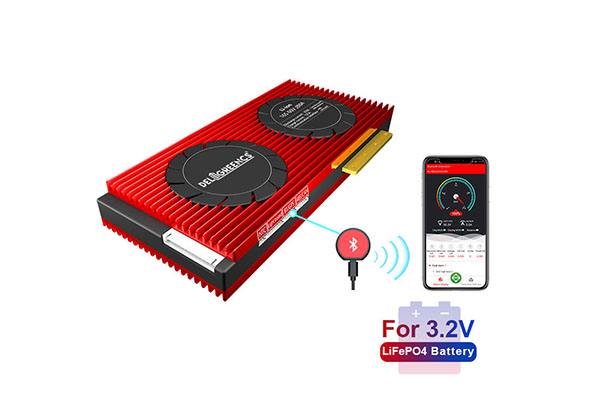
Correct wiring requires attention to component current-carrying capacity, protection functions, and insulation quality. Checking terminal polarity alone is not sufficient. Before connecting the wires, confirm that battery polarity matches the markings on the battery box. If the markings are unclear, verify the polarity through measurement to prevent reverse connection and device damage. The contacts and leads in ordinary plastic battery holders with metal spring contacts may not support high currents. Confirm that their rated capacity meets the load requirements, and replace them with a suitable connection structure if their limits are exceeded. Select an appropriate fuse or other overcurrent protection device based on the battery’s short-circuit capability, wire current-carrying capacity, and load requirements. Multi-cell lithium-ion battery packs should use a compatible battery management system (BMS) or protection circuit based on the cell chemistry, series-parallel configuration, and operating current. Required protections should address overcharge, over-discharge, overcurrent, short circuits, and abnormal temperatures. Prevent exposed conductors from touching each other, keep wires away from pressure points and sharp edges, and secure the cells to reduce connection loosening caused by vibration.
How Should You Check a DIY Battery Box After Wiring?
Before applying power, inspect the wiring and battery condition to ensure that all components meet the design requirements.
- Measure Output Voltage: Use a multimeter to check the output voltage and polarity, and confirm that there is no abnormal short circuit. Select the correct measurement mode before testing. Never connect a multimeter directly across the battery terminals while it is set to measure current.
- Inspect the Assembly: Check for loose terminals, exposed wires, and damaged insulation. Ensure that the batteries are securely fixed and that the cover does not squeeze the wiring.
- Conduct a Controlled Test: Connect a compatible device only after confirming that the voltage, polarity, current-carrying capacity, and protection measures meet the requirements. If abnormal heating, unusual odors, smoke, or unstable power delivery occurs during testing, stop using the battery box immediately and disconnect the power under safe conditions.
- Check Operating Condition: Regularly inspect contacts, wires, and the enclosure for corrosion, looseness, or damage. If cells swell, leak, or become abnormally hot, stop using them and do not continue charging or discharging.
After completing these checks, assess whether the battery box is suitable for long-term operation under the actual load and environmental conditions.
Wiring a DIY battery box requires careful consideration of cell compatibility, connection methods, component selection, and safety protection. Series and parallel configurations serve different power requirements, while wires and contacts must support the actual operating current. Multi-cell lithium battery packs also require compatible protection circuits. Fuses, BMS units, and insulation measures serve different protective functions and cannot replace one another. Beginners should avoid independently assembling complex, high-energy or high-current battery packs. When cell matching, protection parameters, or connection design presents challenges, seek assistance from someone with relevant experience to ensure that the battery box meets the device’s operating requirements.