
DIY battery boxes and metal battery boxes differ significantly in structural design, manufacturing methods, heat dissipation, and environmental protection. For users who need customized battery packs, the enclosure affects not only cell installation and maintenance but also electrical safety, electromagnetic compatibility, and long-term operating stability. DIY battery boxes generally emphasize assembly flexibility, while metal battery boxes offer structural support and potential electromagnetic shielding. However, actual performance depends on structural design, insulation measures, and manufacturing quality. When selecting an enclosure, users should consider battery specifications, equipment space, operating conditions, and budget to reduce future modification costs and ensure that the battery pack meets its intended application requirements.
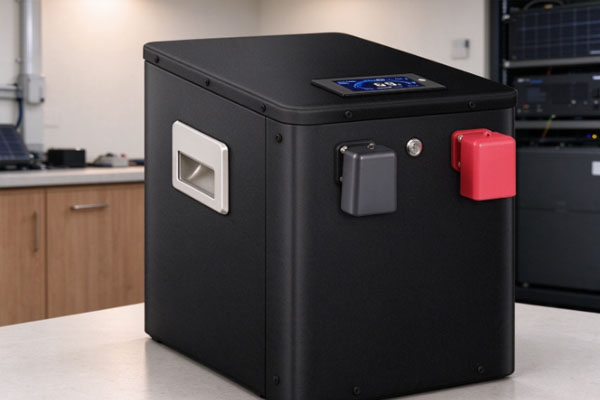
Structural Differences Between DIY Battery Boxes and Metal Battery Boxes
The main differences between the two types of battery boxes lie in assembly methods, enclosure strength, and manufacturing precision. Understanding these characteristics helps determine the most suitable enclosure for a specific project.
Design Features of DIY Battery Boxes
DIY battery boxes are suitable for projects that require flexible layout adjustments. Their configurations can be adapted to the number of cells and the dimensions of the equipment. Their main advantages include flexible cell arrangement, adjustable connection positions, and adaptable installation space, making them suitable for small-batch customization and development testing. Some detachable designs also make it easier to inspect cells, connection components, and protection devices, reducing disassembly work during maintenance. At the same time, cells must be securely positioned and wires properly fixed to prevent displacement, abrasion, or loose connections caused by vibration. Overall, DIY battery boxes offer convenient adjustments, but reliable assembly still requires appropriate structural support and insulation design.
Structural Features of Metal Battery Boxes
Metal battery boxes are commonly manufactured through sheet metal fabrication, bending, stamping, or other forming processes. They are suitable for applications with clear requirements for enclosure strength and installation stability.
- Mechanical Support: Metal enclosures provide a certain degree of rigidity, helping protect internal components from external impacts and compression.
- Manufacturing Precision: Hole positions, bending dimensions, and mounting interfaces must meet design requirements to prevent assembly deviations from affecting equipment compatibility.
- Electromagnetic Shielding: Metal enclosures with continuous structures, properly designed seams, and effective shielding features can reduce certain types of electromagnetic interference. However, performance also depends on openings, cable exits, and grounding methods.
Metal battery boxes offer structural support, while their electromagnetic shielding capabilities must be confirmed through appropriate design and testing.
Heat Dissipation and Safety Performance of the Two Battery Box Types
Battery boxes do more than secure cells; they also affect heat transfer and electrical protection. Design considerations should include operating temperatures, insulation reliability, and risk control under abnormal conditions.
Key Differences in Heat Dissipation Design
Battery packs generate heat during charging and discharging, and both enclosure structure and internal space affect temperature distribution.
- DIY Battery Boxes: Gaps can be reserved between cells, or ventilation paths can be designed according to the cell arrangement. However, excessive cell concentration and restricted airflow should be avoided.
- Metal Battery Boxes: Metal has a certain degree of thermal conductivity, but a sealed structure may restrict air convection. If heat cannot be transferred effectively to the enclosure or dissipated, internal temperatures may still rise significantly.
- Thermal Management Measures: Depending on the actual heat generation, designers can evaluate thermal pads, external heat-dissipation structures, or other temperature-control solutions. At the same time, thermal materials must not compromise the required electrical insulation.
A suitable thermal design should be based on actual operating loads and temperature-rise testing. Cooling performance cannot be determined by enclosure material alone.
Electrical Safety and Insulation Protection
Battery packs contain conductive components such as cell tabs, connecting strips, and wires. Enclosure design must prevent accidental contact and insulation failure.
- DIY Battery Boxes: Cell spacing, connection security, and wire routing should be inspected to prevent exposed conductors or vibration-related abrasion from causing short circuits.
- Metal Battery Boxes: Reliable insulation is required between the conductive enclosure and internal energized components. Burrs, sharp edges, and cable openings must also be properly protected. For systems with electrical shock hazards, protective grounding and insulation performance should be evaluated according to the design requirements.
- Protection Measures: Appropriate fuses, protection circuits, and necessary fault-monitoring measures should be selected according to the battery pack’s electrical parameters. The enclosure itself cannot provide all required safety protections.
Combining structural isolation, electrical protection, and assembly inspections helps reduce the risks of short circuits, overheating, and electric shock.
Differences in Environmental Protection and Manufacturing Costs
Operating conditions influence enclosure sealing requirements and manufacturing methods. During procurement, buyers should consider dust and water protection, manufacturing complexity, and long-term maintenance costs together.
Differences in Environmental Protection Capabilities
Outdoor, humid, and dusty environments place higher demands on enclosure seams, sealing structures, and cable outlets. Detachable DIY battery boxes are convenient for maintenance, but clips, joints, and openings may allow moisture or dust to enter, making additional sealing measures necessary. Metal battery boxes can use gaskets, sealants, and suitable fastening structures to improve protection, but metal construction alone does not guarantee better water or dust resistance. If a specific IP rating is required, the fully assembled product must be tested. Appearance and individual sealing components alone cannot establish the actual protection level.
Differences in Manufacturing and Maintenance Costs
The two solutions have different cost structures, so the initial enclosure purchase price should not be the only consideration.
- DIY Solutions: Simple structures may be easier to adjust, but manual assembly, repeated modifications, and quality inspections can also increase costs.
- Metal Solutions: Custom openings, bending, welding, and surface finishing may increase initial expenses. Once the design is finalized, standardized manufacturing can improve dimensional consistency and assembly quality.
- Maintenance Expenses: The ease of enclosure removal and the ability to service internal components independently affect maintenance time and replacement costs.
Evaluating production volume, manufacturing complexity, and service life provides a more accurate basis for determining which solution offers better overall value.
How to Choose a Battery Box for Different Applications
Selection should be based on the actual requirements of the battery pack. Different projects have different priorities regarding structural flexibility, mechanical protection, electromagnetic compatibility, and environmental sealing.
Applications Suitable for DIY Battery Boxes
DIY battery boxes offer advantages when a project requires flexible adjustments to cell quantity, internal layout, or connection methods.
- Development and Testing Projects: Their adjustable structures make it easier to modify layouts and validate assembly designs, making them suitable for battery packs that are still undergoing design iterations.
- Equipment Requiring Frequent Maintenance: Detachable structures facilitate internal inspections, but insulation and cell fixation must remain reliable after reassembly.
These solutions are better suited to applications that prioritize flexibility and maintainability. Necessary safety inspections must still be completed before operation.
Applications Suitable for Metal Battery Boxes
Metal battery boxes can be considered for projects that prioritize enclosure strength, installation stability, or specific environmental protection requirements.
- Industrial Equipment: Metal enclosures provide mechanical support for internal components and are suitable for equipment with clear requirements for mounting dimensions and structural stability.
- Outdoor and Electromagnetically Sensitive Environments: Sealing structures, grounding designs, and shielding measures can be combined to meet specific requirements. Testing is necessary to verify actual protection and electromagnetic compatibility performance.
When selecting a metal battery box, enclosure fabrication, insulation, thermal management, and sealing should be evaluated as an integrated system.
Choosing between a DIY battery box and a metal battery box depends on the battery pack’s operating conditions, structural requirements, and safety objectives. DIY solutions emphasize assembly flexibility and maintenance convenience, while metal solutions provide a foundation for mechanical support, electromagnetic shielding, and environmental sealing. Actual performance still depends on appropriate engineering design and testing. Confirming cell specifications, heat dissipation methods, insulation requirements, environmental protection ratings, and maintenance needs before procurement can reduce assembly problems and future modification costs while helping the battery pack perform reliably in its intended operating environment.




