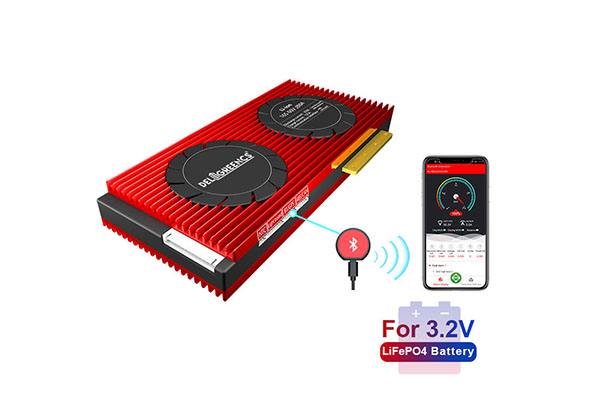
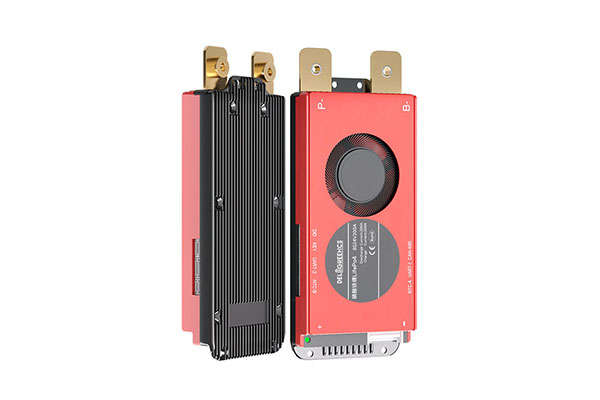
The waterproof performance of a DIY battery box depends on its enclosure structure, interface sealing, and long-term stability. Outdoor rain, humidity, and day-to-night temperature changes can increase the risk of water ingress and internal condensation. During design, define the protection requirements according to the battery type, installation location, and expected water exposure. Check the cover seams, cable entries, fastening structures, and internal layout. Selecting suitable materials and sealing methods, then validating the design through appropriate testing, can help reduce electrical connection corrosion, insulation damage, and maintenance risks.
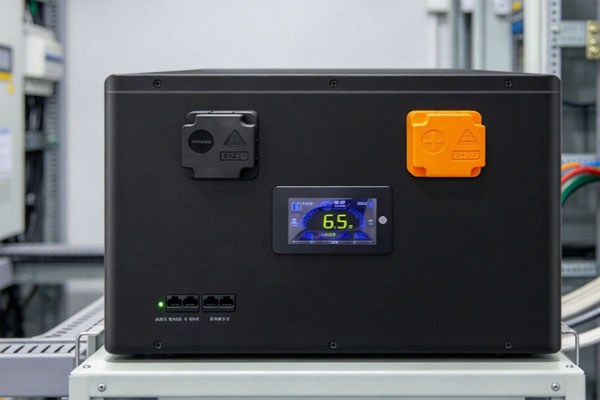
What Structural Features Should Be Considered When Designing a Waterproof DIY Battery Box?
Enclosure seams, fastening points, and cable openings can all become potential water entry paths. The structure should remain stable and maintain consistent sealing pressure across all relevant areas.
Optimize the Enclosure and Cover Structure
The enclosure needs sufficient rigidity to provide a continuous, stable contact surface for the seals.
- Reduce the number of seams: Plan the enclosure sections carefully to avoid unnecessary openings and joints.
- Control cover deformation: Arrange fastening points according to the structure to prevent local warping and uneven compression of the sealing ring.
- Account for long-term loading: Plastic may experience creep under sustained loads or stress relaxation that reduces fastener preload. Depending on the load and disassembly frequency, design an appropriate compression level and load-bearing structure, and consider metal threaded inserts where necessary.
Apply the specified fastening force during assembly to avoid cracking the enclosure or excessively compressing the seal.
Improve Sealing at Cable Entries and External Interfaces
Cable openings and connectors must work with the enclosure structure. Applying sealant externally cannot compensate for incompatible dimensions.
- Choose waterproof cable glands that match the cable diameter and opening size, ensuring the sealing surface fits tightly around the intact outer cable jacket.
- Select external connectors, switches, and sockets according to the installation environment, then inspect their sealing condition after installation.
- For multicore cables, consider the possibility of moisture migrating through internal gaps. Depending on the cable design, validated end sealing, potting, or water-blocking structures may be appropriate.
Provide sufficient cable bending space and strain relief to reduce the risk of pulling forces compromising the sealed interfaces.
How Should You Choose Waterproof Materials for a DIY Battery Box?
Sealing materials must suit the enclosure material, operating temperature, and actual environment. Material incompatibility or incorrect installation dimensions can gradually reduce the effectiveness of the seals.
Select Sealing Rings and Sealants According to the Structure
Different sealing methods suit different joint designs. Choose an appropriate solution based on the enclosure structure and maintenance requirements.
- Rubber sealing rings: Select them according to the groove dimensions and specified compression. Prevent twisting, displacement, and excessive compression during installation.
- Sealants: Confirm compatibility with the enclosure and contacting components before use. Prepare the surfaces and allow the sealant to cure as required.
- Waterproof gaskets: Use them at appropriately designed cover joints or interfaces, ensuring even compression during assembly.
For battery boxes that require regular opening, consider how seals can be replaced and reinstalled. This helps maintain the intended protection after servicing.
Evaluate the Long-Term Durability of Enclosure Materials
Temperature changes, sustained loads, and repeated disassembly can deform materials or damage connection points. For plastic enclosures, pay particular attention to deformation near fasteners and sealing surfaces. For metal enclosures, inspect openings, joints, and corrosion protection. Metal inserts may be considered for locations subject to sustained loads or repeated disassembly, depending on the load requirements. However, adding inserts or spring washers alone does not guarantee reliable sealing. Verify the selected design through assembly inspections and testing.
How Can You Reduce Water Ingress and Condensation Inside a Battery Box?
Preventing liquid water from entering does not guarantee that moisture will never form inside the enclosure. The internal component layout, temperature changes, and pressure variations within a sealed structure must also be considered.
Arrange Internal Components Properly
The internal layout should prevent wires from being compressed, insulation from being worn, and electrical connections from contacting pooled water.
- Secure the batteries, wires, and connecting components to reduce wear caused by movement or vibration.
- Position the protection board and terminals according to the design requirements, maintaining appropriate insulation spacing and protection.
- Provide adequate space for assembly and maintenance to prevent cables from being pulled or sealing structures from being damaged during servicing.
Enclosure sealing cannot replace a battery protection circuit or guarantee safety after water ingress. Keep moisture away from cells and energized connections as far as possible.
Manage Temperature Differences, Pressure Changes, and Condensation
As outdoor temperatures change, the gas inside a battery box expands and contracts. If tiny leakage paths exist in the seals, pressure cycling may draw moisture inside, where it can condense on cold surfaces. For sealed enclosures exposed to large temperature fluctuations or having a relatively large internal volume, consider waterproof breathable vents or membrane assemblies to balance pressure while limiting liquid water entry. Selection should account for airflow capacity, water resistance, installation position, and service life. Enclosures designed to remain fully sealed should be tested to verify sealing performance during temperature cycling. Cooling arrangements must match the battery’s heat generation, and battery systems with gas generation or thermal runaway risks require appropriate safety design. Ordinary breathable components must not be treated as substitutes for dedicated safety pressure-relief measures.
How Should You Inspect a DIY Battery Box After Waterproof Design?
An intact appearance does not prove that a battery box is waterproof. Inspection should cover seal condition, interface security, and protection under the intended operating conditions.
Inspect Seals and Fastening Points
After assembly, check the cover, cable glands, and external interfaces individually.
- Confirm that sealing rings are not twisted, displaced, or visibly damaged, and remove anything on the sealing surfaces that could prevent proper contact.
- Check that cable glands are installed correctly and that gently pulling the cables does not loosen the interfaces.
- Inspect the enclosure for cracks or deformation and check for signs of loosening around fastening points.
For battery boxes used outdoors over extended periods, follow a suitable maintenance schedule to inspect seal aging, cable jacket damage, and changes in fastening condition.
Verify Protection Under the Intended Operating Conditions
Testing methods must match the actual environment. Splashing, rainfall, and brief immersion are different conditions and cannot be treated as equivalent. If a specific ingress protection rating is required, use the corresponding test method and ensure the test sample has the same assembly configuration as the finished product. Initial validation should preferably use an unpowered sample or a suitable test setup. After testing, inspect for water traces, condensation, or displaced seals, and confirm electrical safety. If problems are found, adjust the joints, interfaces, or pressure-management structure rather than simply applying more sealant.
Waterproof DIY battery box design requires the enclosure structure, materials, and interfaces to work together. The enclosure must remain stable, cable entries need reliable seals, and applications exposed to significant temperature changes require consideration of pressure differences and condensation. After assembly, verify protection under the intended operating conditions and inspect seals and fasteners during service. For custom battery boxes, enclosure and interface designs can be optimized using the drawings, dimensional tolerances, and material properties to achieve protection that better matches the intended application.