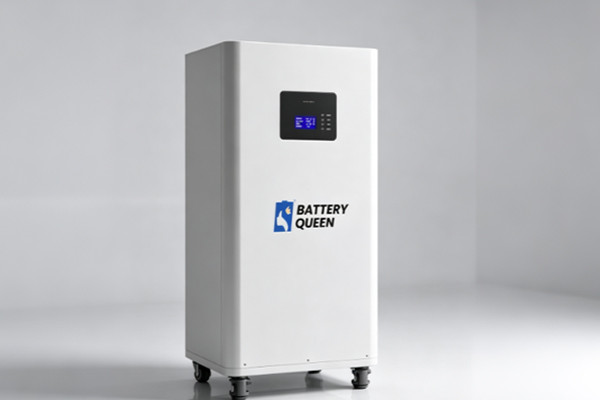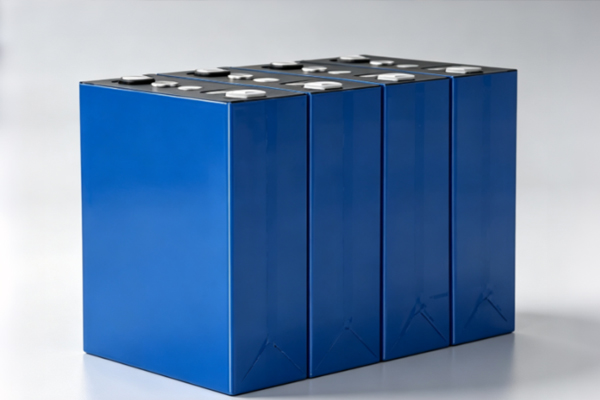
With the rapid development of smart agriculture, more and more farms are adopting automated irrigation systems, greenhouse control equipment, livestock monitoring systems, and agricultural machinery. These intelligent devices have improved production efficiency but also created higher demands for a stable power supply. For some remote farms, traditional grid electricity may be affected by weather conditions, distance, and other factors, making it difficult to guarantee a continuous power supply. Farm energy storage batteries can store renewable energy such as solar power and provide stable electricity when needed, helping farms reduce energy waste and improve power efficiency. So, how should agricultural energy storage batteries be selected? What factors such as capacity, battery type, and safety performance should farmers pay attention to?
Why Do Farms Need Energy Storage Batteries?
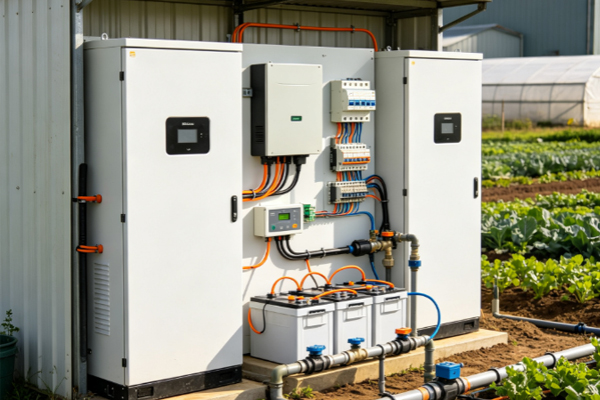
Agricultural production is becoming increasingly dependent on electricity. From irrigation systems and greenhouse equipment to refrigeration and livestock facilities, all these applications require a stable energy supply. Energy storage batteries are not only used as backup power sources but also help farms improve energy efficiency and reduce long-term operating costs.
Ensuring Continuous Operation of Farm Equipment
Modern farms rely on many devices that need to operate according to specific schedules. For example, water pumps need to start at regular intervals, greenhouses require stable environmental control, and livestock facilities need continuous ventilation and temperature management. If a power outage occurs, crop growth or livestock conditions may be affected. A properly configured energy storage system can provide continuous power support for critical equipment and reduce the impact of unexpected outages.
- Reduces the impact of power outages: Energy storage batteries can provide backup electricity when grid power is unstable.
- Improves production stability: Prevents irrigation, temperature control, and other systems from stopping due to power shortages.
- Supports automated agriculture development: Provides more reliable energy for smart farming equipment.
For modern farms, stable energy has become an important factor in improving production efficiency. By installing suitable farm energy storage batteries, farms can reduce energy supply risks and improve overall operational reliability.
Improving Renewable Energy Utilization
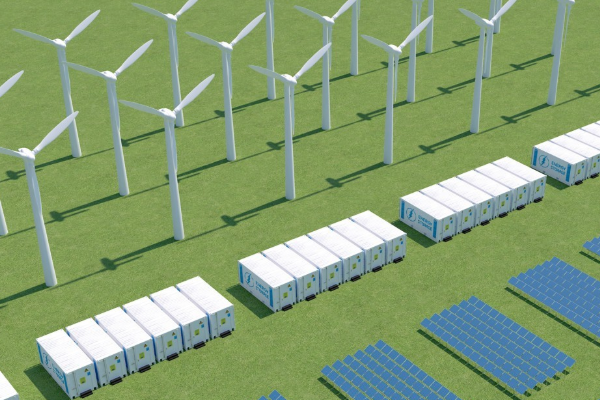
Many farms are installing solar photovoltaic systems, but solar power generation is limited by time. Electricity production is usually higher during the daytime and unavailable at night or during cloudy weather. Without energy storage, excess electricity may not be fully utilized. Energy storage batteries can store surplus electricity during the day and release it when needed.
- Stores excess solar power: Improves photovoltaic energy utilization and reduces waste.
- Reduces dependence on traditional energy sources: Helps farms become more energy independent.
- Optimizes electricity usage: Allows farms to manage energy more flexibly.
- Improves energy management: Helps establish a smarter agricultural power system.
The combination of solar power and energy storage has become an important trend in smart agriculture. Proper system planning allows farms to achieve a more stable and cost-effective energy supply.
What Factors Should Be Considered When Choosing Agricultural Energy Storage Batteries?
Selecting agricultural energy storage batteries is not simply about comparing prices and capacity. Different farms have different equipment quantities, operating hours, and production scales. A storage solution suitable for a large agricultural park may not be suitable for a small farm. Before purchasing, users need to evaluate actual requirements and consider battery performance and long-term operating costs.
Determine Battery Capacity Based on Farm Electricity Needs
Battery capacity directly affects how much electricity the storage system can provide and is one of the most important factors when selecting agricultural energy storage batteries. If the capacity is too small, it may not support equipment operation. If it is too large, it can increase unnecessary investment costs. Capacity should be planned according to actual farm electricity consumption rather than simply choosing the largest option.
- Calculate daily electricity usage: Understand the actual energy consumption of pumps, lighting, and temperature control equipment.
- Evaluate equipment operating time: Determine required storage capacity based on working schedules.
- Reserve expansion space: Allow future additions of smart agricultural equipment.
Proper capacity planning enables farm energy storage batteries to deliver better value while avoiding problems caused by improper configuration. For long-term agricultural operations, accurate matching is more important than simply selecting a larger battery.
Select the Right Battery Type
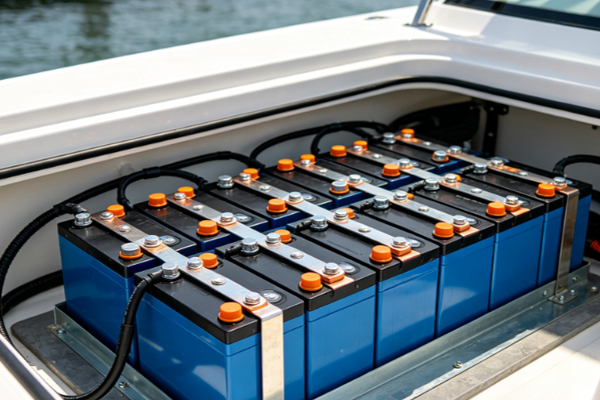
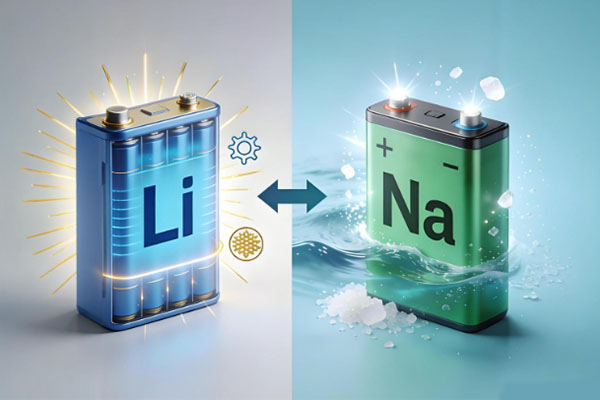
Common battery types used in agricultural energy storage include lithium iron phosphate batteries, ternary lithium batteries, and lead-acid batteries. Different battery technologies have different advantages in terms of safety, cycle life, cost, and maintenance requirements.
| Battery Type | Main Features | Suitable Applications |
| Lithium Iron Phosphate Battery | High safety, long cycle life | Large farms and solar storage systems |
| Ternary Lithium Battery | High energy density, compact size | Agricultural equipment with limited space |
| Lead-Acid Battery | Lower cost, mature technology | Small backup power projects |
- Lithium iron phosphate batteries offer longer lifespan: Suitable for long-term agricultural energy storage projects.
- Ternary lithium batteries provide higher energy density: Suitable for applications with limited space and weight requirements.
- Lead-acid batteries have lower costs: Suitable for small-scale agricultural applications.
For most agricultural applications that require long-term operation, lithium batteries are becoming a preferred energy storage option due to their stable performance and long cycle life.
Pay Attention to Battery Safety Performance
Agricultural energy storage systems usually operate for long periods, and some equipment is installed outdoors where it may experience temperature changes and humidity. Therefore, safety performance is a key factor that should not be overlooked. Especially for large storage systems, unstable battery quality can affect operation and increase maintenance costs.
- Choose batteries with complete protection functions: Reduce risks such as overcharging, over-discharging, and short circuits.
- Focus on battery cell quality: Ensure stable output during long-term operation.
- Check product testing standards: Confirm that batteries meet usage requirements.
- Consider environmental adaptability: Ensure stable operation in different seasons.
High-quality energy storage batteries help farms reduce failures and improve system reliability. For agricultural projects requiring years of operation, safety performance is often more important than the initial purchase price.
How to Choose Energy Storage Solutions for Different Agricultural Applications?
Different agricultural applications have different energy requirements. Small farms, large agricultural parks, and livestock facilities require different storage solutions. Choosing batteries based on the actual operating environment can prevent problems caused by insufficient capacity or wasted investment.
Greenhouse Farming Requires Stable Energy Storage Systems
Greenhouse agriculture requires continuous control of temperature, humidity, and lighting conditions, making power stability extremely important. If the power supply is unstable, plant growth may be affected. Therefore, greenhouse applications require energy storage batteries with long runtime capability and stable power output.
- Choose batteries with long cycle life: Meet long-term and frequent operation needs.
- Combine with solar systems: Improve renewable energy utilization.
- Ensure continuous power supply: Reduce the risk of greenhouse equipment shutdown.
A stable energy storage solution helps greenhouse farms maintain accurate environmental control and improve production management efficiency.
Livestock Farms Need Highly Reliable Energy Storage Solutions
Ventilation, lighting, automatic feeding, and environmental control systems in livestock farms usually require continuous operation. Long power interruptions may affect animal growth conditions. When selecting storage batteries, livestock farms should pay more attention to safety, reliability, and backup duration.
- Choose high-safety lithium batteries: Reduce operational risks.
- Meet long-duration power requirements: Ensure continuous operation of livestock equipment.
- Simplify maintenance management: Reduce operational pressure.
- Improve energy protection capability: Prevent production problems caused by unexpected outages.
For livestock operations, stable electricity supply directly affects production safety. Choosing the right energy storage solution can improve overall reliability.
How to Extend the Service Life of Farm Energy Storage Batteries?
Choosing the right energy storage battery is only the first step. Daily usage and maintenance also affect system lifespan. Proper management can reduce battery performance degradation and improve equipment value. Since agricultural environments can be complex, attention should be paid to installation conditions, charging methods, and regular inspections.
Perform Regular Battery Maintenance
Although energy storage batteries are designed for long service life, proper maintenance is still necessary during long-term operation. Neglecting maintenance may cause performance decline and reduce the effectiveness of the entire energy storage system.
- Check battery operating conditions regularly: Detect and solve problems in time.
- Maintain a suitable installation environment: Avoid high temperatures and humidity.
- Control charging and discharging properly: Reduce unnecessary battery wear.
Good maintenance practices help lithium batteries maintain stable performance, extend system lifespan, and improve farm energy management efficiency.
Choose a Professional Energy Storage Battery Supplier
Agricultural energy storage systems are usually long-term investments, making supplier quality and technical capability extremely important. Professional manufacturers can provide more suitable storage solutions based on farm size, equipment requirements, and energy conditions.
- Provide customized solutions: Design systems according to actual farm needs.
- Ensure stable product quality: Reduce potential failures during long-term operation.
- Offer technical support: Make maintenance and future upgrades easier.
Choosing a reliable supplier is not just about purchasing energy storage equipment; it is also about ensuring long-term energy efficiency and stable farm operations.
Selecting agricultural energy storage batteries requires careful planning based on actual farm conditions. Price and capacity should not be the only considerations. For agricultural projects that require long-term operation, battery safety, cycle life, and system compatibility are all essential factors. High-quality lithium batteries can provide more stable energy support and help farms improve energy efficiency. Properly configuring farm energy storage batteries can reduce operating costs, support smarter agricultural development, and provide more reliable power solutions for the future of modern farming.