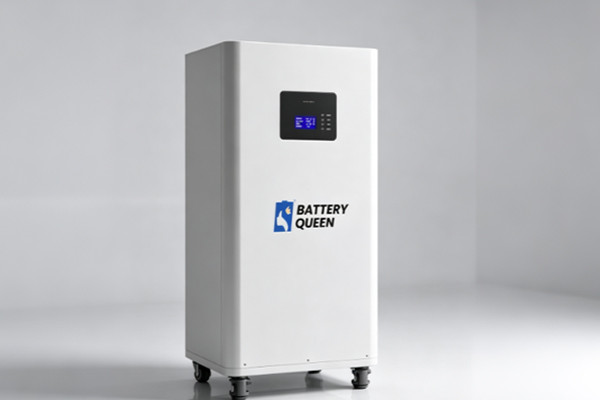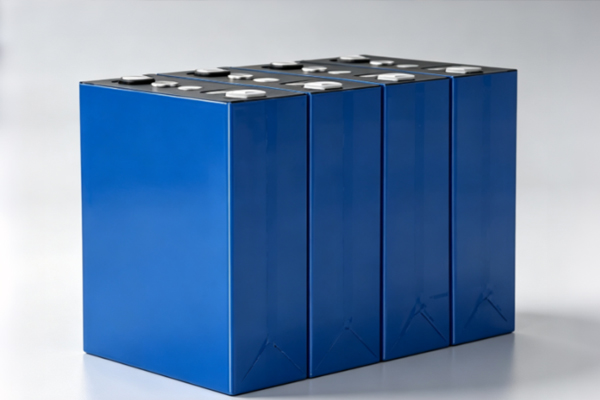
With the continuous development of new energy transportation, electric scooters have become an important choice for urban short-distance travel, commercial delivery, and personal mobility. As the core component of electric scooters, the power battery directly affects vehicle range, driving performance, and service life. Traditional lead-acid batteries have been widely used for many years, but their disadvantages in weight, lifespan, and charging efficiency are becoming less suitable for modern users. Lithium iron phosphate (LiFePO4) batteries have become an important solution for electric scooter upgrades due to their high safety, long cycle life, stable discharge performance, and environmental advantages. The green power battery solution for electric scooters combines high-quality battery cells, intelligent management systems, and flexible designs to provide more reliable energy support for different application needs.
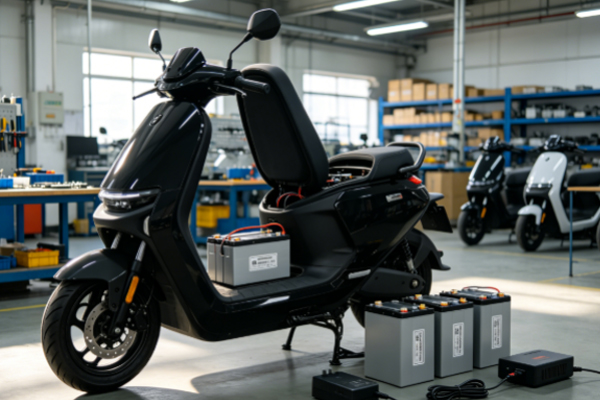
LiFePO4 Batteries Create Green Power Upgrade Solutions for Electric Scooters
With the continuous expansion of the electric scooter market, users are demanding higher performance from batteries in terms of range, safety, and durability. Green power battery solutions use advanced lithium iron phosphate technology to optimize battery structures and control systems, allowing vehicles to maintain stable power output during daily operation. Compared with traditional power sources, LiFePO4 batteries improve energy utilization efficiency, reduce energy waste, and lower long-term maintenance costs, providing electric scooters with longer-lasting power support.
LiFePO4 Batteries Provide Safety, Stability, and Environmental Advantages
LiFePO4 batteries use a stable material system that maintains reliable performance under high temperatures, low temperatures, and frequent charging and discharging conditions. During actual electric scooter operation, batteries are affected by road vibrations, frequent starts, and changing weather conditions, requiring strong stability and durability. LiFePO4 batteries feature reliable internal structures, improving operational safety while reducing performance fluctuations during use.
Key advantages include:
- More reliable safety performance: LiFePO4 materials offer excellent thermal stability, helping maintain a high level of safety during abnormal conditions and making them suitable for long-term electric scooter applications.
- Longer cycle life: These batteries support more charge and discharge cycles, reducing replacement frequency and improving long-term vehicle value.
- Better environmental performance: Compared with traditional battery solutions, LiFePO4 batteries better support the development of green transportation.
- More stable power output: Strong continuous discharge capability meets power requirements during startup, acceleration, and climbing.
The stable, safe, and environmentally friendly characteristics make LiFePO4 battery solutions an ideal choice for electric scooter upgrades.
Different Capacity Configurations Meet Various Electric Scooter Requirements
Different electric scooter models, operating environments, and range requirements require different battery solutions. Green power battery systems can be customized by adjusting capacity, voltage, and battery structures, making them suitable for personal commuting vehicles, delivery scooters, and shared mobility fleets.
| Battery Type | Cycle Life | Weight Performance | Safety Performance | Suitable Vehicles |
| Lead-acid Battery | About 300-500 cycles | Heavier | Average | Basic short-distance scooters |
| Ternary Lithium Battery | About 800-1500 cycles | Lightweight | Good | High-performance models |
| LiFePO4 Battery | More than 2000 cycles | Lightweight design | Excellent | Commuting, delivery, shared scooters |
Selecting the right battery capacity can improve electric scooter range while ensuring stable operation of the vehicle power system.
Application Scenarios and Intelligent Usage Methods of Green Power Batteries for Electric Scooters
Electric scooters are now used in increasingly diverse environments, from personal daily transportation to commercial operations. Different applications require reliable power solutions with strong durability and stable output. Green power battery solutions are optimized according to specific usage requirements, allowing batteries to adapt to frequent use, long operating hours, and changing environmental conditions. LiFePO4 batteries not only provide continuous power but also improve overall efficiency through intelligent management systems.
LiFePO4 Batteries Support Various Application Scenarios
Electric scooters are used in different environments, and each application has unique requirements for battery range, stability, and maintenance convenience. Green power solutions can be configured according to actual usage conditions to improve vehicle performance.
Common application scenarios include:
- Urban commuting: Suitable for work, shopping, and short-distance transportation. Batteries provide stable range performance and reduce frequent charging needs.
- Delivery transportation: Delivery scooters often operate for long hours. LiFePO4 batteries provide continuous discharge capability to support frequent starts and extended operation.
- Shared electric scooter fleets: Shared vehicles require strong durability and safety protection due to high usage frequency.
- Recreational riding: Personal users focus on lightweight design, range, and riding comfort. Medium-capacity batteries can meet daily needs.
Different application environments require different battery solutions, and proper configuration helps electric scooters achieve better power performance.
Proper Usage Methods Extend Battery Service Life
LiFePO4 batteries have a long service cycle, but proper operation methods still affect actual performance. Correct charging, proper storage, and regular maintenance help maintain stable battery operation.
Important usage practices include:
- Use dedicated charging equipment that matches battery specifications to avoid performance issues caused by incorrect voltage.
- Avoid keeping the battery in a low-power state for extended periods. Timely charging helps reduce battery degradation.
- When storing the vehicle for a long time, maintain an appropriate battery level and place it in a dry and ventilated environment.
- Regularly inspect battery connectors, power cables, and protection devices to ensure safe operation.
Good usage habits can extend battery service life and help electric scooters maintain consistent power output.
Intelligent BMS System Improves Battery Management Capability
Modern green power batteries for electric scooters are usually equipped with intelligent Battery Management Systems (BMS). The system monitors battery operation status in real time and provides automatic protection functions. It improves battery safety while helping users manage battery conditions more efficiently.
Main BMS functions include:
- Real-time voltage monitoring to prevent abnormal charging and discharging.
- Current control to reduce overload risks.
- Temperature monitoring to improve environmental adaptability.
- Cell balancing to improve battery pack consistency.
- Data recording for easier maintenance management.
Intelligent management technology enables LiFePO4 batteries to achieve higher reliability and provides safer and more stable power support for electric scooters.
High-Performance LiFePO4 Batteries Drive Future Electric Scooter Development
As the new energy transportation market continues to grow, electric scooter power systems are upgrading toward higher efficiency, intelligence, and longer service life. High-performance LiFePO4 batteries improve energy utilization through optimized cell design and control technology, providing more stable power output. Customized battery solutions can also meet different vehicle installation requirements and improve product compatibility.
High Energy Utilization Meets Long-Range Requirements
LiFePO4 batteries provide excellent energy conversion efficiency and can store more usable power within limited space. For electric scooters requiring long operating hours, high-capacity batteries reduce charging frequency and improve daily convenience.
| Performance Indicator | LiFePO4 Battery Performance |
| Discharge Stability | Maintains stable output during long operation |
| Cycle Life | Supports frequent charging and discharging |
| Temperature Adaptability | Suitable for different environments |
| Maintenance Requirements | Simple daily maintenance |
| Safety Performance | Strong thermal stability |
Excellent performance allows electric scooters to adapt to urban roads, delivery operations, and outdoor usage requirements.
Customized Design Meets Different Vehicle Installation Requirements
Different electric scooter brands have different battery compartment sizes, power systems, and controller configurations. Therefore, battery solutions require flexible adjustment capabilities. Professional LiFePO4 battery solutions can optimize capacity, voltage, and structural design according to actual vehicle requirements.
Customized design includes:
- Designing suitable battery dimensions according to vehicle space.
- Matching voltage levels according to power requirements.
- Adjusting battery capacity according to range expectations.
- Strengthening protective structures based on operating environments.
Customized solutions improve battery installation compatibility and allow different types of electric scooters to achieve more stable power performance.
Green Energy Technology Promotes Continuous Electric Scooter Upgrades
Future electric scooter power technology will focus more on environmental protection, efficiency, and intelligent management. LiFePO4 batteries will continue to become an important power choice in the new energy transportation sector due to their stable material system, long service life, and reliable safety performance. With continuous development of fast charging technology, intelligent battery control, and lightweight design, green power battery solutions will further improve electric scooter performance and provide more reliable energy support for low-carbon transportation and sustainable city development.