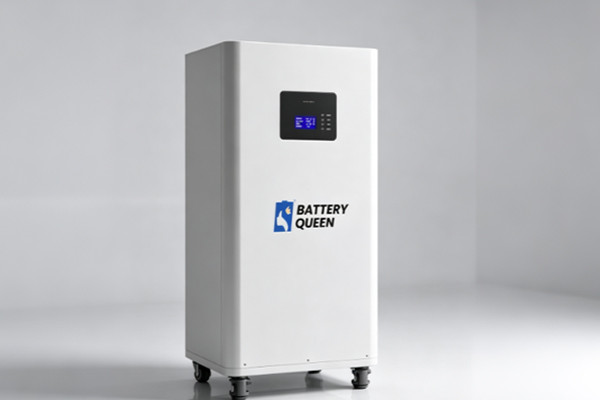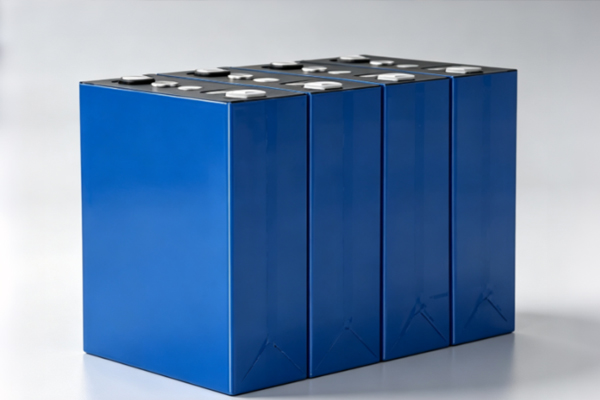
As electric tricycles are increasingly used for cargo transportation, logistics delivery, agricultural operations, and commercial applications, demand for stronger power performance continues to grow. In demanding conditions such as heavy-load starts, continuous hill climbing, and frequent acceleration, standard batteries may struggle to provide stable power. A high-power electric tricycle battery can deliver stronger continuous and peak discharge performance, providing more stable power for the vehicle.
A high-power battery solution is not simply about increasing battery capacity. It requires comprehensive consideration of battery cell performance, voltage platform, discharge rate, BMS, and thermal management to achieve proper compatibility between the battery, motor, and controller.
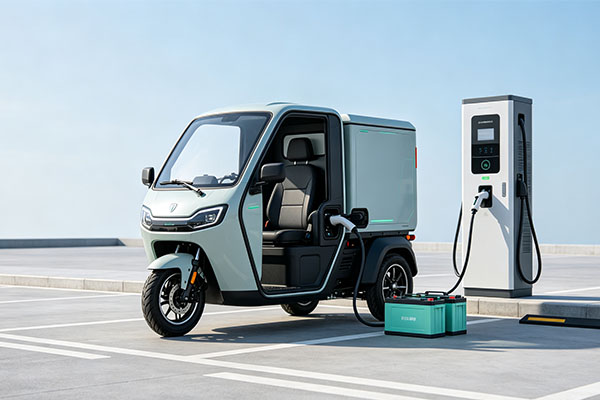
Why Do Electric Tricycles Need High-Power Batteries?
Meet Heavy-Load Starting Requirements
When a cargo electric tricycle starts under a full load, the motor needs to overcome greater vehicle inertia. If the battery has insufficient discharge capability, the vehicle may experience slow power response or reduced acceleration.
A high-power battery can provide strong continuous and peak discharge capability, delivering more stable current when the vehicle starts, accelerates, or experiences changes in load.
Improve Hill-Climbing Performance
Electric tricycles used in mountainous areas, rural regions, and construction transportation often need to operate on slopes. During hill climbing, the motor usually requires higher power, which places greater demands on battery discharge performance.
A properly matched high-power battery can help the motor maintain stable operation under high-load conditions and reduce power loss caused by insufficient battery output.
How to Design a High-Power Electric Tricycle Battery?
Select High-Discharge-Performance Battery Cells
Battery cells are a key factor in determining the output capability of a power battery. High-power electric tricycles require cells with good discharge-rate performance and stability, allowing the battery to handle relatively high operating currents.
In practical applications, the appropriate cell specifications should be selected according to motor power, controller parameters, and load requirements rather than simply choosing a battery with greater capacity.
Properly Match Voltage and Power
The rated battery voltage needs to be compatible with the vehicle’s motor control system. Different voltage platforms directly affect power output and overall system operation.
Therefore, when designing a high-power battery pack, rated voltage, peak current, continuous current, and motor power should all be considered to ensure proper matching between the battery and the vehicle’s power system.
Configure a Reliable BMS
High-power batteries may operate with relatively high currents, making a reliable BMS particularly important. The system should provide protection against overcurrent, short circuits, overcharging, and over-discharging. Temperature monitoring is also an important function.
By continuously monitoring battery conditions, the BMS can respond to abnormal operating conditions and provide additional protection for long-term battery operation.
High-Power Battery Requirements for Different Applications
Different electric tricycles have different operating conditions and power requirements. Battery solutions should be designed according to the actual application.
| Application | Main Operating Conditions | High-Power Battery Requirements |
| Cargo Transportation | Heavy-load starts, continuous driving | High continuous discharge capability |
| Mountain Transportation | Long-distance hill climbing | High discharge rate, stable output |
| Urban Delivery | Frequent starts, stops, and acceleration | Fast power response |
| Agricultural Transportation | Complex road conditions, heavy loads | High power, durability |
| Commercial Operation | Frequent use, long operating hours | Stability, cycle life |
Main Advantages of a High-Power Battery Solution
Provide Stronger Power Output
A high-power battery can meet the higher current requirements of the vehicle during starting, acceleration, and hill climbing. For electric tricycles that frequently operate under full loads, stable power output can improve overall driving performance.
Improve Heavy-Load Operating Stability
As vehicle load increases, the demands on the power system also increase. A high-discharge-performance battery can maintain stable current output under relatively high loads and help reduce insufficient power during operation.
Adapt to High-Frequency Operation
Logistics and commercial electric tricycles may experience frequent starts, stops, and acceleration throughout the day. Therefore, the battery needs good cycling performance. Proper selection of battery cells and BMS can improve the overall reliability of the battery system.
How to Choose a High-Power Electric Tricycle Battery?
Select the Battery According to Motor Power
The battery’s continuous discharge capability should be matched with the motor’s rated power and controller parameters. If battery output capability is insufficient, simply increasing battery capacity may not solve the power requirements under heavy loads.
Pay Attention to Peak and Continuous Discharge Capability
When selecting a high-power battery, it is important to distinguish between peak discharge current and continuous discharge current. Peak performance mainly affects instantaneous acceleration and starting, while continuous discharge capability is more important for long-term heavy-load operation.
Consider Thermal Management and Structural Design
High-power operation generates heat, so the internal battery structure, thermal management design, and temperature monitoring system should be properly configured. Good structural design can help keep the battery operating within an appropriate temperature range.
Support Customized Battery Solutions
Different electric tricycle models have different battery compartment dimensions, installation methods, voltage requirements, and power demands. A professional battery supplier can customize battery capacity, dimensions, voltage, connectors, and BMS parameters according to vehicle specifications for better integration with the complete vehicle.
The core of a high-power electric tricycle battery solution is to improve battery power output while maintaining system safety and long-term stability. By selecting high-performance battery cells, properly matching battery voltage with motor power, configuring a reliable BMS, and optimizing battery structure, electric tricycles can better handle heavy-load starts, frequent acceleration, and continuous hill climbing.
For logistics delivery, cargo transportation, agricultural operations, and commercial applications, customized high-power lithium battery solutions can provide stable energy according to the specific power requirements of different electric tricycles, helping ensure efficient and reliable vehicle operation.