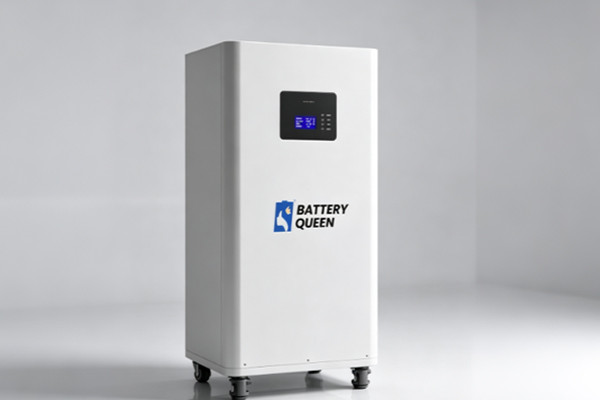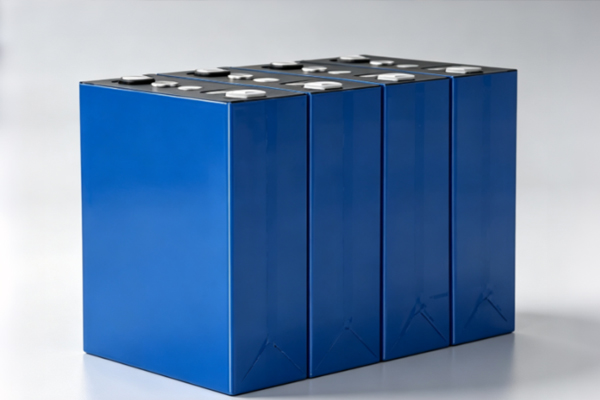
Hotels are typical commercial facilities with continuous and diversified electricity demand. Guest rooms, restaurants, conference areas, central air conditioning, hot water systems, elevators, kitchens, lighting, and intelligent control systems all consume significant amounts of electricity. As hotel operating hours and electrical loads increase, relying entirely on the public grid can expose businesses to higher peak electricity prices, fluctuating demand, and concentrated operation of high-power equipment. Commercial energy storage systems using LiFePO4 batteries provide a flexible way to store electricity during low-cost periods or capture surplus solar power, then release the stored energy when hotel electricity demand increases. By coordinating the LiFePO4 battery system with a power conversion system (PCS), energy management system (EMS), distribution equipment, and battery management system (BMS), hotels can adjust charging and discharging schedules according to actual load conditions. This can reduce grid electricity consumption during expensive peak periods while improving overall energy utilization. For hotels with stable operating schedules and relatively high daytime electricity demand, commercial energy storage can also work with rooftop solar, EV charging facilities, and backup energy systems to create an expandable energy management architecture.
Core Advantages of LiFePO4 Batteries for Commercial Hotel Energy Storage
Commercial energy storage systems are expected to perform frequent charging, discharging, and load regulation over long operating periods. The battery therefore needs suitable capacity as well as stable output performance throughout its service life. LiFePO4 batteries offer good cycle performance, thermal stability, and flexible capacity configuration, making them suitable for daily hotel energy management. Unlike battery systems designed only for emergency backup, commercial energy storage focuses more heavily on daily operating efficiency and long-term operating costs. Cycle capability, BMS protection, modular expansion, and system compatibility are all important considerations when designing a hotel energy storage system.
Advantages of LiFePO4 Batteries for Hotel Commercial Energy Storage
Hotel commercial energy storage systems may perform daily charging and discharging cycles. LiFePO4 batteries can serve as a stable energy storage core and work with PCS and EMS equipment to achieve automated power management.
- Good cycle capability: Hotel energy storage may perform low-tariff charging and peak-period discharging every day. LiFePO4 batteries are well suited to repeated charge and discharge cycles.
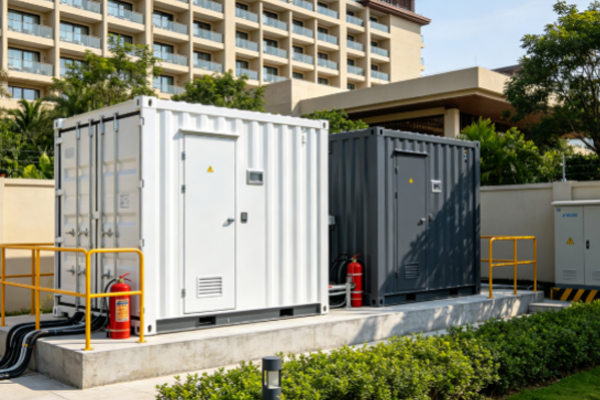
- High operational stability: LiFePO4 chemistry provides good thermal stability, making it suitable for dedicated energy storage rooms, equipment rooms, and outdoor energy storage cabinets.
- Flexible capacity configuration: Battery capacity can be selected according to hotel floor area, occupancy, air-conditioning demand, kitchen equipment, and other electrical loads.
- Adaptation to time-of-use electricity pricing: The system can charge during lower-cost periods and discharge during higher-cost periods, helping reduce grid electricity consumption during peak hours.
- Easy integration with solar power: When rooftop solar is available, surplus solar generation can be stored in the LiFePO4 battery to improve solar energy utilization.
- Modular system design: Additional battery modules can be added when energy requirements increase, subject to system compatibility, available space, and power conversion capacity.
- Intelligent BMS protection: The battery management system can monitor cell voltage, temperature, current, and state of charge (SOC), while applying protection strategies when abnormal operating conditions occur.
These characteristics make LiFePO4 batteries an important energy storage component for hotel power management, solar energy utilization, and commercial energy optimization.
How to Use a Commercial Hotel Energy Storage System
Hotel commercial energy storage systems commonly use either a “grid + energy storage” configuration or a “solar + energy storage + grid” configuration. Before operation, the hotel should evaluate historical electricity bills and load curves to identify peak, shoulder, and off-peak periods. Appropriate charging and discharging schedules can then be established. During low-tariff periods, the PCS draws electricity from the grid and converts it into suitable DC power for battery charging. When hotel electricity demand increases, the stored energy is discharged through the PCS to the hotel distribution system, reducing the amount of electricity that needs to be supplied by the grid.
When rooftop solar is installed, solar generation can directly supply guest rooms, restaurants, conference facilities, and public areas during the daytime. When solar output exceeds the current hotel load, surplus electricity can be stored in the LiFePO4 battery. As solar generation decreases in the evening, the energy storage system can supply part of the hotel load. The EMS can automatically adjust the operating mode according to electricity prices, battery SOC, solar output, and real-time hotel demand.
For large hotels, central air-conditioning systems, water pumps, kitchen equipment, elevators, and other high-power devices can also be included in the load management strategy. The EMS can dynamically control the system according to preset power thresholds and reduce the possibility of several high-power devices increasing grid demand at the same time. Actual battery capacity should be determined according to daily electricity consumption, peak-to-off-peak price differences, available installation space, charging and discharging power, and the expected operating strategy rather than simply being based on the hotel’s total installed electrical capacity.
Hotel Commercial Energy Storage Equipment Configuration
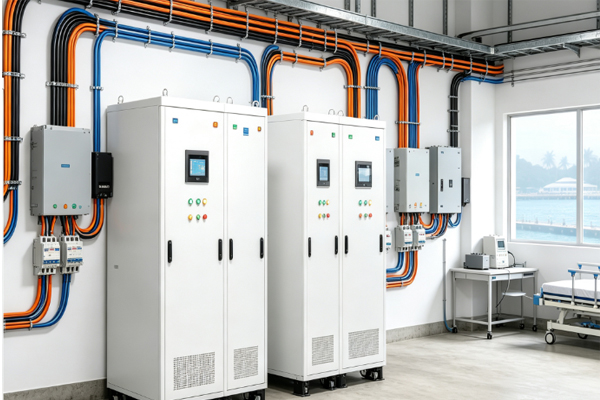
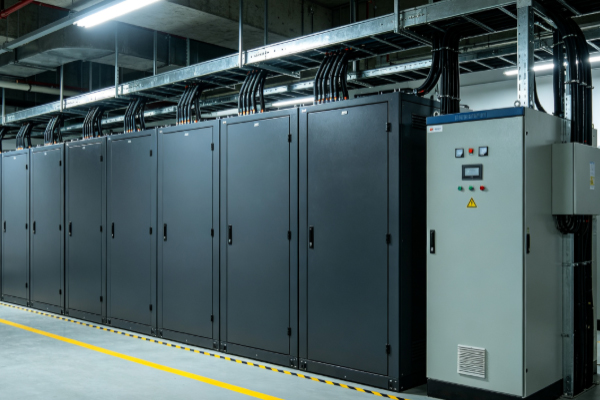
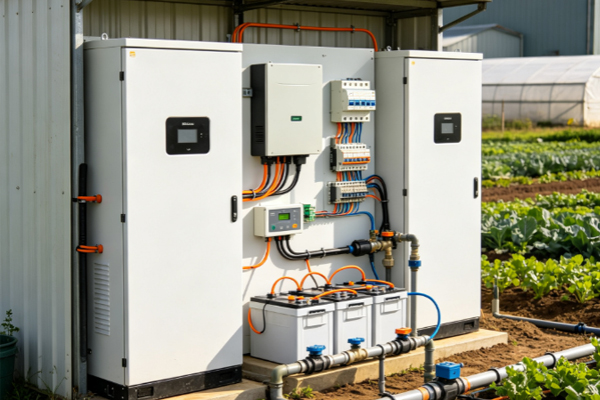
A hotel commercial energy storage system requires several components to work together, with each device handling energy conversion, monitoring, scheduling, or safety protection. A typical configuration is shown below:
| Equipment | Main Function | Hotel Application |
| LiFePO4 Battery | Stores and releases electrical energy | Peak shaving, solar energy storage, load management |
| PCS | AC/DC power conversion | Controls battery charging and discharging |
| BMS | Battery condition monitoring | Monitors voltage, temperature, current, SOC, and other parameters |
| EMS | Energy management and scheduling | Controls energy storage according to electricity prices and hotel loads |
| Transformer | Voltage conversion | Connects the energy storage system to the hotel power distribution system |
| Distribution Cabinet | Power distribution and protection | Connects different hotel electrical circuits |
| Solar PV Modules | Solar power generation | Supplies hotel loads and charges the energy storage system |
| Fire Protection & Thermal Management | Energy storage safety management | Maintains a controlled and secure operating environment |
| Monitoring Platform | Data visualization | Monitors battery, grid, solar, and load conditions |
A properly integrated equipment configuration allows hotel commercial energy storage to function as a complete energy management solution rather than simply a standalone battery system. It also makes it easier for operators to monitor system status and electricity consumption in real time.
Hotel Commercial Energy Storage Applications and Smart Energy Functions
Hotel electricity demand changes throughout the day. Occupancy rates, restaurant operating hours, conferences and events, central air-conditioning schedules, and seasonal temperatures can all influence the load profile. Commercial energy storage can respond to these changes through dynamic power management and is particularly suitable for large urban hotels, resorts, business hotels, hotel chains, and properties equipped with rooftop solar systems. By participating in daily electricity management, the energy storage system gives hotel facilities greater flexibility in controlling and optimizing energy consumption.
Peak Shaving and Peak Load Control for Hotels
Hotel peak electricity demand is often concentrated during specific operating periods, such as breakfast and dinner hours, conference events, and summer air-conditioning periods. The energy storage system can charge during low-load and low-cost periods, then discharge when hotel electricity demand increases. This allows the battery system and grid to share the load.
Through EMS-based maximum demand or power limit settings, the energy storage system can automatically increase its discharge power when hotel demand approaches a preset threshold. This reduces instantaneous grid demand. In regions with significant differences between peak and off-peak electricity prices, this operating strategy can improve the use of lower-cost electricity and reduce grid electricity consumption during expensive periods. Hotels can also adjust the battery SOC reserve according to historical load data to ensure sufficient available capacity during subsequent peak periods.
Coordinated Operation of Hotel Solar Energy Storage and EV Charging
Hotels with suitable rooftop areas and parking facilities can integrate commercial energy storage with solar PV generation and EV charging stations. During the daytime, solar power can be used directly by hotel loads. When solar generation exceeds immediate demand, surplus electricity can charge the LiFePO4 battery. After sunset, the stored energy can supply hotel loads or, depending on the energy management strategy, support selected EV charging loads.
This combination helps address the mismatch between solar generation and hotel electricity consumption. Energy storage allows solar power generated during the daytime to be used later in the evening or at night. The EMS can also adjust the operating schedule according to solar forecasts, hotel load demand, and battery SOC. This helps improve renewable energy utilization while maintaining appropriate battery operating conditions.
Intelligent Control Through Hotel Energy Management Systems
The EMS is a key control platform for commercial hotel energy storage. It can connect the battery, PCS, solar PV system, distribution cabinet, and hotel load monitoring equipment. The system collects real-time information such as power, energy, SOC, charging and discharging status, and equipment alarms, then controls energy storage operation according to predefined strategies.
Hotels can configure time-of-use electricity pricing schedules, maximum power limits, solar priority settings, and battery SOC protection ranges. During operation, the EMS can reduce battery discharge when hotel demand decreases. When electricity demand suddenly rises, it can increase battery output according to the available battery capacity. Seasonal operating schedules can also be adjusted to reflect changes in hotel electricity consumption. Remote monitoring allows maintenance personnel to review historical data, identify abnormal trends, and arrange maintenance when required.
High-Performance LiFePO4 Energy Storage for Long-Term Hotel Operation
Commercial hotel energy storage is not a one-time emergency power device. It is an energy infrastructure system that may participate in daily electricity management for many years. System design should consider daily charge and discharge cycles, operating conditions, storage power, battery capacity degradation, maintenance requirements, and future expansion. LiFePO4 batteries offer good characteristics for repeated energy storage applications. With appropriate SOC management, thermal control, and BMS protection, they can support long-term peak shaving and renewable energy utilization for hotel facilities.
High Cycle Performance Supports Long-Term Commercial Energy Storage
Hotel commercial energy storage may perform off-peak charging and peak-period discharging on a regular basis. Long-term operation places considerable importance on battery cycle performance. LiFePO4 batteries are suitable for this type of repetitive energy storage application and can maintain relatively stable operation when operated within appropriate charging, discharging, and temperature conditions.
The BMS continuously monitors cell voltage, temperature, current, SOC, and other parameters while providing protective control when abnormal conditions occur. The PCS regulates battery charging and discharging according to power commands from the EMS, allowing battery output to better match real-time hotel demand. Large-scale projects should also include appropriate fire protection, thermal management, and environmental monitoring equipment to maintain a suitable operating environment.
Modular Design Makes Future Hotel Expansion Easier
Hotel operations may change as the number of guest rooms, restaurant areas, conference facilities, and EV charging requirements increase. The energy storage system should therefore provide sufficient expansion flexibility. Modular LiFePO4 battery systems can be installed according to initial project requirements and expanded later according to PCS capacity, distribution system capacity, available installation space, communication protocols, and battery compatibility.
For hotel chains, similar system architectures can also be adopted to create standardized energy storage solutions. Individual properties can use different battery capacities according to local electricity prices, building load profiles, and solar PV capacity, while a centralized monitoring platform can be used to manage operational data. This approach can simplify maintenance and support the development of a standardized hotel energy management system.
A commercial hotel LiFePO4 battery energy storage solution is suitable for properties seeking to reduce peak electricity demand, improve solar energy utilization, and optimize energy scheduling. By integrating LiFePO4 batteries, PCS, BMS, EMS, solar PV, and power distribution equipment, hotels can establish a more flexible electricity management model. Proper capacity design, intelligent charging and discharging strategies, real-time monitoring, and modular expansion can help the energy storage system adapt to changing hotel loads and provide a stable, efficient, and scalable energy foundation for long-term commercial operations.