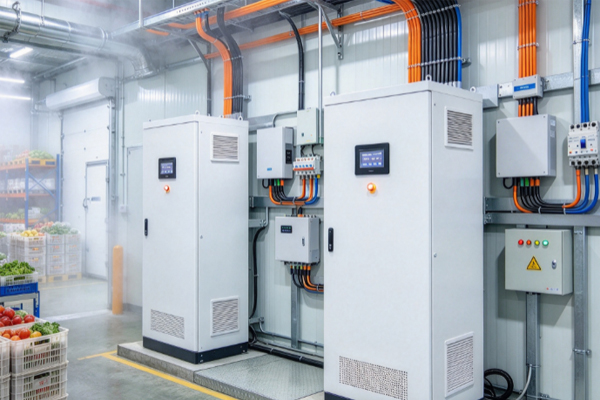
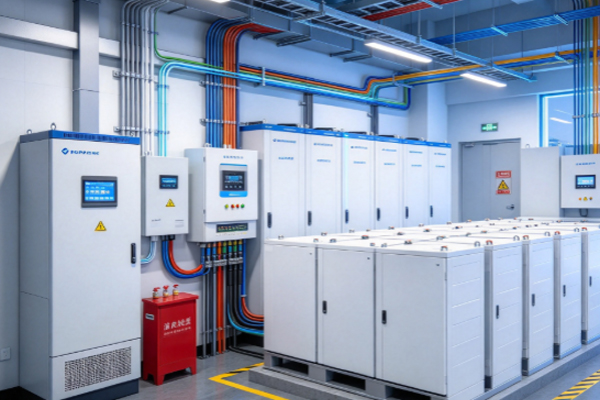
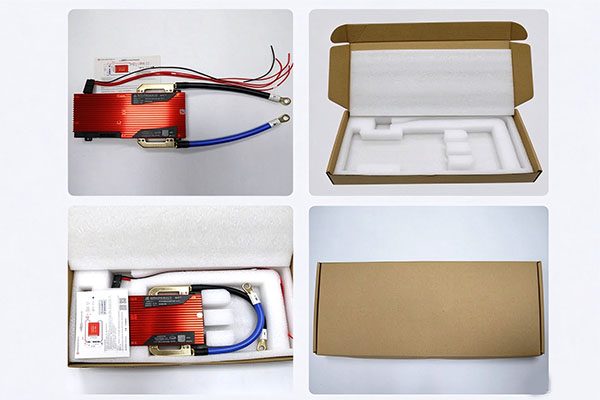
As the number of campus buildings increases and electrical equipment becomes more diverse, traditional centralized power supply models face higher requirements for energy allocation, equipment expansion, and regional load management. Teaching buildings, laboratories, dormitories, cafeterias, sports facilities, and administrative offices have different electricity consumption schedules and load characteristics. Deploying LiFePO4 batteries in a distributed configuration across different buildings or functional areas allows energy storage capacity to be placed closer to actual loads. A campus distributed energy storage system can connect multiple storage units, PCS, BMS, EMS, and smart meters to create a coordinated energy network that flexibly stores, releases, and dispatches electricity according to regional demand. Compared with a single large energy storage node, a distributed solution is easier to implement progressively across campus buildings and provides more flexibility for future battery and renewable energy expansion.
Advantages and Configuration Methods of Distributed Campus Energy Storage Systems
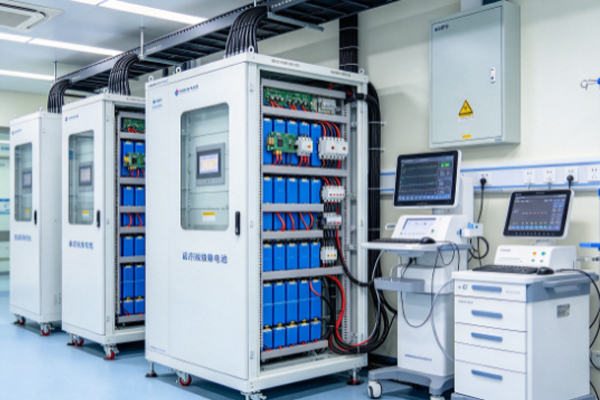
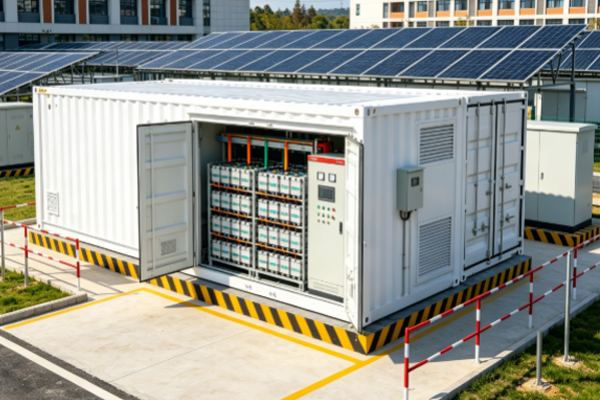
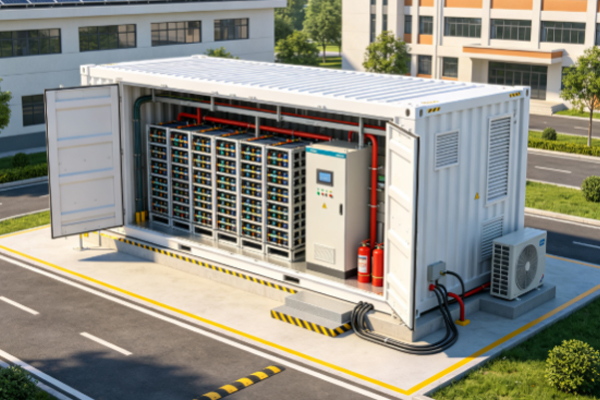
The core concept of a distributed campus energy storage system is to arrange storage resources according to building locations and electricity consumption requirements, creating a closer match between batteries and loads. LiFePO4 batteries offer good cycle performance and thermal stability, making them suitable for long-term campus energy storage applications. By installing modular battery cabinets or energy storage units in different areas, schools can configure capacity according to individual building loads while reducing the space requirements associated with a single centralized installation.
Advantages of Distributed LiFePO4 Battery Applications
Distributed energy storage requires battery systems to provide stable operation, flexible configuration, and convenient maintenance. LiFePO4 batteries can meet the capacity requirements of different campus buildings through modular designs, while the BMS continuously monitors battery operating conditions.
- Strong regional matching capability: Storage capacity can be configured according to the actual loads of teaching buildings, laboratories, dormitories, and public facilities, reducing mismatches between battery capacity and demand.
- Flexible deployment: Schools can install energy storage in buildings with higher electricity demand first and gradually add storage units in other areas as energy requirements increase.
- Convenient expansion: Standardized battery modules can be added according to project requirements, allowing the system to adapt to campus expansion and equipment upgrades.
- Clearer maintenance management: Each storage node can be monitored and managed independently, making it easier to locate problems in a specific area.
This configuration approach allows the energy storage system to remain closely aligned with actual campus energy requirements while supporting phased implementation according to the school’s development plan.
How to Use a Distributed Campus Energy Storage System
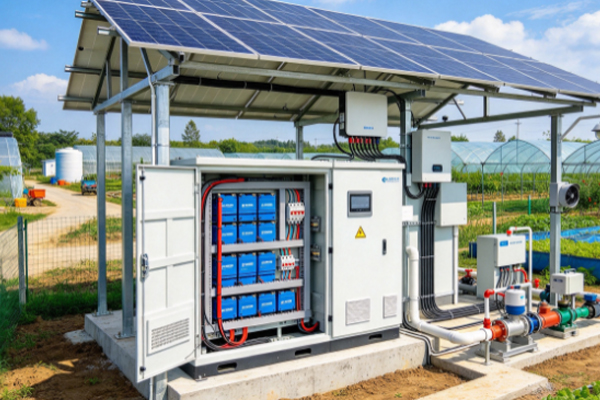
During operation, a campus distributed energy storage system can establish independent or coordinated charging and discharging schedules according to the load profiles of different buildings. For example, when solar PV generation is high during the daytime, an energy storage unit located near a teaching building can prioritize storing surplus electricity generated within the area. When the building load increases, the battery can release the stored energy. For dormitories and cafeterias with clear time-based load patterns, discharge strategies can be established according to peak electricity consumption periods. The EMS can collect power, SOC, and operating status data from each storage node and coordinate different battery units according to overall campus electricity demand. During operation, parameters such as battery temperature, charging and discharging power, and SOC range should be monitored and adjusted to prevent storage equipment from operating under excessive loads for extended periods.
Reference Configuration Table for Distributed Campus Energy Storage
The capacity of a distributed energy storage system should be determined according to building loads, installation conditions, solar PV capacity, and the intended operating strategy. The following table can serve as a reference during preliminary project planning:
| Campus Area | Load Characteristics | Energy Storage Focus | Recommended Equipment |
| Teaching Buildings | Concentrated daytime electricity use | Match daytime loads and solar generation | LiFePO4 Battery, PCS, BMS |
| Laboratory Buildings | Significant equipment power fluctuations | Focus on power response and operating stability | LiFePO4 Battery, PCS, EMS |
| Student Dormitories | Higher evening and nighttime demand | Configure capacity according to evening loads | Battery Cabinet, BMS, EMS |
| Cafeterias | Concentrated electricity demand | Improve energy regulation during peak periods | Battery System, PCS, Smart Meter |
| Sports Facilities | Irregular operating schedules | Dispatch energy according to usage periods | LiFePO4 Battery, EMS |
| Administrative Buildings | Relatively stable weekday loads | Coordinate with daytime demand | Battery Cabinet, PCS, BMS |
Regional capacity configuration allows different campus buildings to receive energy storage resources that better match their individual load characteristics.
Application Scenarios and System Functions of Distributed Campus Energy Storage
A campus distributed energy storage system can establish different energy nodes according to building functions, turning battery storage from an individual device into an integrated component of the campus energy network. Different storage units can operate independently or work together under centralized EMS management. When electricity demand changes in a particular area, the system can adjust power output according to other storage nodes and campus distribution conditions, improving the utilization of available energy resources.
Distributed Energy Storage for Teaching, Laboratory, and Research Areas
Teaching and laboratory buildings are often among the campus areas with concentrated electricity consumption. Lighting, HVAC systems, computers, laboratory instruments, and research equipment can create different load curves. Installing energy storage units close to these buildings can shorten energy transmission paths and allow independent control based on individual building demand. Laboratory buildings can establish charging and discharging strategies according to instrument operating schedules, while research areas can adjust battery power according to equipment usage plans. For campuses with several teaching zones, individual buildings can be configured as independent storage nodes and monitored through a centralized energy management platform.
Distributed Energy Storage for Dormitories, Cafeterias, and Public Buildings
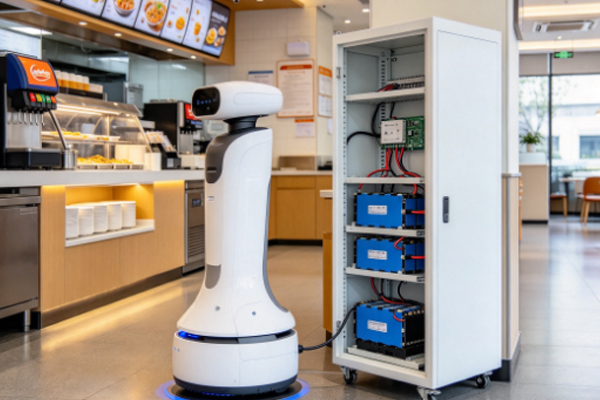
Dormitories and cafeterias have electricity consumption patterns that differ significantly from teaching buildings. Student dormitories generally experience higher demand during the evening, while cafeterias have concentrated loads during meal periods. Distributed energy storage can schedule battery charging and discharging according to the actual operating periods of each building, making energy regulation more closely aligned with regional loads.
- Dormitory areas: Adjust battery discharge schedules according to student return times and nighttime electricity consumption patterns to reduce pressure during high-demand periods.
- Cafeteria areas: Schedule energy storage operation for kitchen equipment, refrigeration systems, HVAC systems, and other concentrated loads to improve electricity utilization.
- Sports facilities: Dynamically adjust storage unit operation according to classes, competitions, and campus events.
- Administrative and public buildings: Establish daytime storage strategies according to office hours and equipment loads to reduce unnecessary energy idling.
Zoned deployment allows different buildings to use energy storage strategies that better match their own operating patterns while making independent regional management easier.
Monitoring, Dispatch, and Expansion Functions of Distributed Energy Storage Systems
A campus distributed energy storage system can use BMS, PCS, EMS, and smart meters to establish a multi-node energy management network. The BMS collects battery cell voltage, temperature, current, and SOC data while providing battery protection functions. The PCS manages energy conversion between the battery system and the AC distribution network, while the EMS coordinates the operation of different storage nodes. Smart meters collect real-time electricity consumption data from individual buildings, allowing the EMS to adjust storage power according to load changes. The system can also establish different management permissions for individual buildings, enabling independent monitoring and operation of each energy storage unit. When new teaching buildings, dormitories, or solar PV facilities are added in the future, additional storage nodes can be integrated into the network, giving the system strong expansion capabilities.
Multi-node monitoring and centralized dispatch allow schools to gain a clearer understanding of regional energy conditions while reducing the impact that a failure at a single storage location could have on the overall campus energy system.
Performance, Safety, and Long-Term Operation of Distributed Campus Energy Storage Systems
A campus distributed energy storage system must continuously respond to load changes across different buildings, making battery cycle performance, power response, temperature control, and system safety important design considerations. LiFePO4 batteries offer good thermal stability and cycle performance and can support long-term operation under appropriate charging and discharging conditions. Each energy storage node should be equipped with independent BMS protection, while temperature monitoring, ventilation, and necessary fire safety equipment should be selected according to the installation environment. Indoor battery cabinets should have sufficient maintenance space and heat dissipation conditions, while outdoor energy storage equipment should account for dust, water, and changes in ambient temperature. Daily maintenance can use the EMS platform to monitor SOC, operating power, temperature, and alarm information across different nodes, with on-site inspections arranged according to abnormal data. A distributed architecture can also reduce the impact of individual equipment maintenance on the overall system, allowing other storage units to continue operating when one node is being serviced. As campus renewable energy development continues, schools can gradually add battery modules according to new buildings, increased solar PV capacity, and growing electricity demand, providing the system with stronger expansion capabilities and long-term adaptability.