Electric equipment usually generates high instantaneous current demands during startup, acceleration, climbing, and heavy-load operation. Even if an ordinary lithium battery has sufficient capacity, insufficient continuous discharge capability may still cause rapid voltage drop, reduced power output, and increased battery temperature. High-rate deep-cycle lithium batteries are suitable for equipment that requires frequent charging and discharging and has high instantaneous power demands, such as golf carts, low-speed electric vehicles, cleaning equipment, industrial vehicles, towing equipment, mobile energy storage equipment, and some power tools.
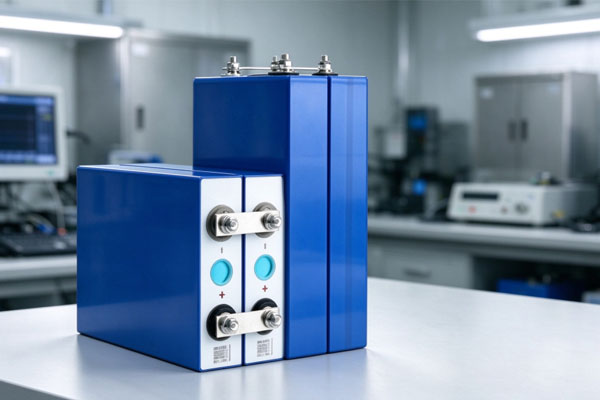
When configuring a high-rate deep-cycle lithium battery, the battery’s nominal voltage needs to match the equipment’s electrical system, while the capacity needs to meet the required operating time. The continuous discharge current and peak discharge current need to meet the requirements of motor startup and load changes. The BMS protection capability, charger parameters, battery installation space, and operating environment also need to be considered. With proper configuration, the battery can maintain relatively stable output under high-load operation while balancing cycle life and operating safety.
Determine the Voltage and Power Requirements of the Electric Equipment
Voltage Determines the Basic Battery Configuration
When configuring a high-rate deep-cycle lithium battery, first confirm the system voltage of the electric equipment. Common equipment may use 24V, 36V, 48V, 51.2V, 60V, 72V, and other voltage platforms. If the equipment originally uses a 48V lead-acid battery and is being converted to a lithium iron phosphate battery, it is necessary to further confirm whether the controller, motor, charger, and other electrical components support the new battery voltage. Incorrect voltage selection may cause the controller to malfunction or even damage electrical components. Therefore, before determining the battery, check the equipment nameplate, controller parameters, and original battery specifications.
Power Determines Instantaneous Current Requirements
Calculation formula: Current ≈ Power ÷ Voltage
If the equipment requires higher power during startup, climbing, or heavy-load operation, the actual peak current may be significantly higher than the rated operating current. Therefore, high-rate battery configuration should not only consider Ah capacity, but also check how many A of continuous current and peak current the battery can provide.
How to Determine the Capacity of a High-Rate Deep-Cycle Lithium Battery?
Ah Determines How Long the Equipment Can Operate
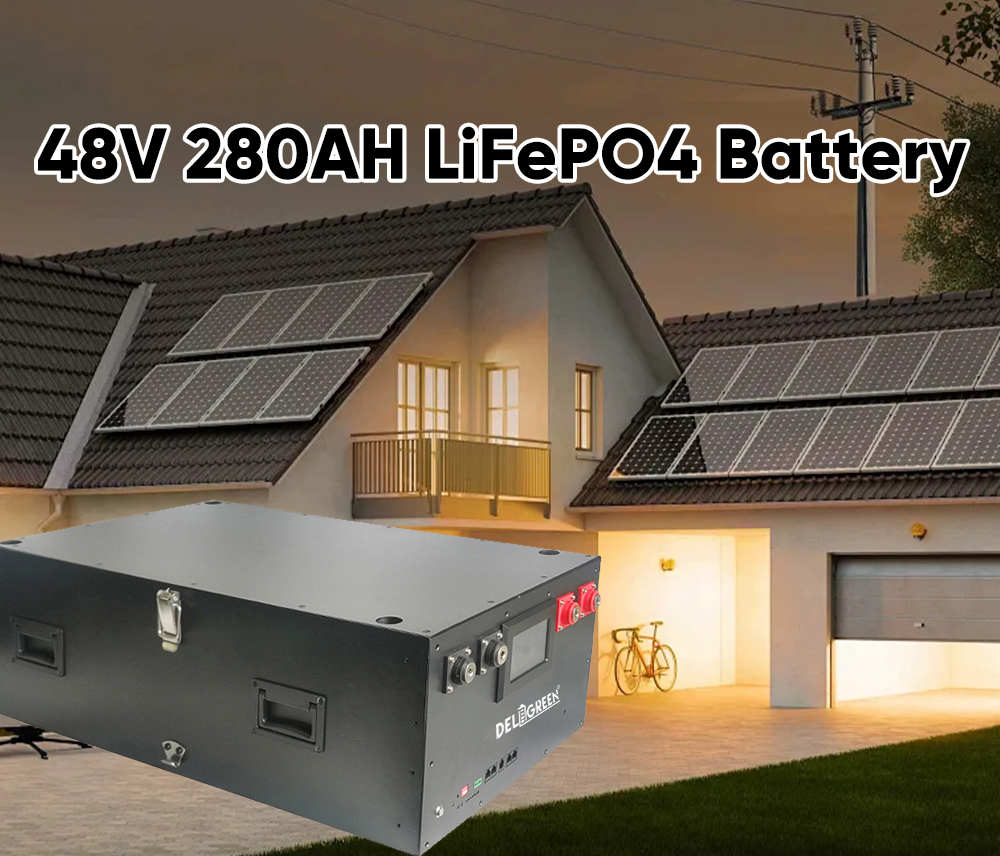
Battery capacity is usually expressed in Ah. For example, a 51.2V 100Ah battery has a theoretical energy storage capacity of:
51.2V × 100Ah = 5.12kWh
If the equipment has an average power consumption of 2kW, the theoretical operating time is approximately 2.56 hours. However, actual operating time is also affected by motor efficiency, controller efficiency, load changes, road slope, temperature, and the battery’s available depth of discharge. Therefore, actual runtime cannot be determined directly based on the theoretical value. If the equipment operates for long periods each day, battery capacity can be increased appropriately. For example, 100Ah, 150Ah, and 200Ah batteries provide different levels of energy storage. However, as capacity increases, battery weight, size, and cost also increase, so the selection needs to consider the available installation space.
Higher Rate Does Not Mean Larger Capacity Is Always Better
“High rate” mainly reflects the battery’s ability to deliver high current, while Ah mainly reflects energy storage capacity. These are not the same parameter. For example, two 51.2V 100Ah battery packs have the same capacity, but one may have a continuous discharge capability of 100A while the other can continuously output 200A. When used in high-power equipment, the actual performance of the two batteries may differ significantly.
If the equipment has a high starting current, pay particular attention to the following parameters:
- Whether the continuous discharge current meets the normal operating requirements of the motor;
- Whether the peak discharge current can cover startup and short-term heavy-load operation;
- Whether the BMS allows the equipment to draw the required instantaneous current;
- Whether the battery cells themselves are suitable for high-rate charging and discharging;
- Whether the battery temperature rise remains within a reasonable range during high-load operation.
If the equipment frequently experiences startup difficulties, weak acceleration, or a significant voltage drop after the load increases, in addition to checking the motor and controller, the battery’s discharge capability should also be reviewed.
The BMS and Charger Need to Match the High-Rate Battery
The BMS Needs to Meet High-Current Protection Requirements
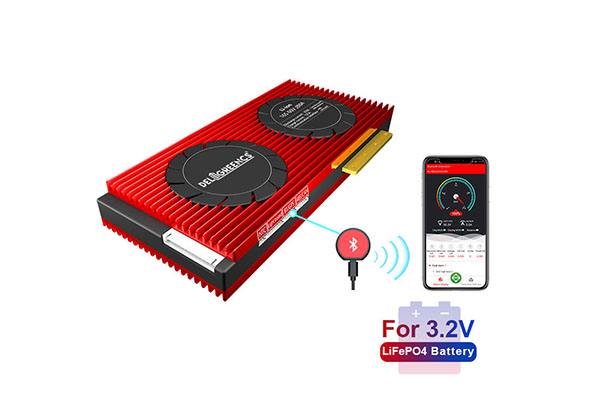
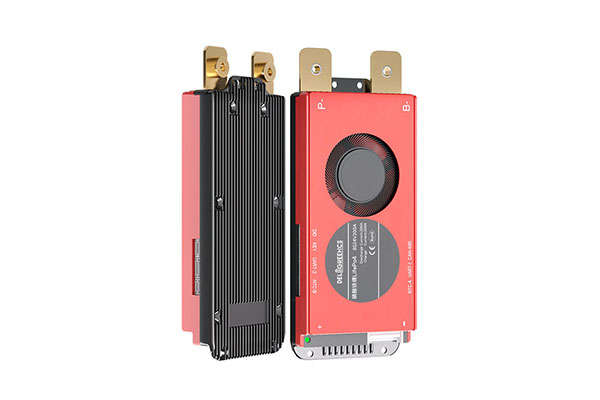
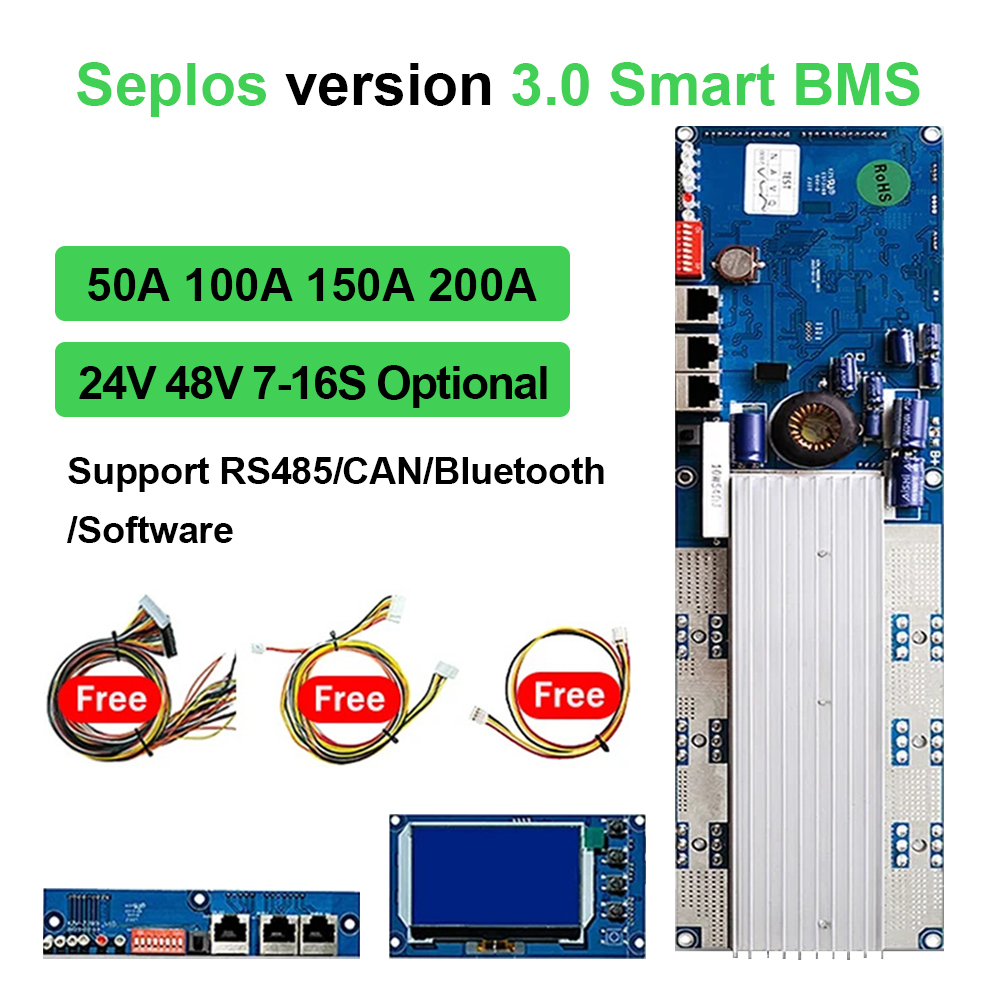
The BMS is an important protection component of a lithium battery and is generally responsible for monitoring overcharge, over-discharge, overcurrent, short circuit, and temperature conditions. When a high-rate deep-cycle lithium battery is used in electric equipment, the BMS continuous current and peak current parameters need to match the equipment requirements. If the equipment requires 150A during startup while the BMS has a continuous discharge capability of only 100A, the BMS may trigger overcurrent protection even if the battery cells themselves can provide a higher current. Therefore, when selecting a battery, it is not enough to ask only “how many Ah?” The BMS specifications also need to be confirmed. For electric equipment that requires intelligent management, a BMS with CAN or RS485 communication can also be selected according to actual requirements, allowing battery status to exchange data with the equipment control system.
Charger Parameters
The charger’s output voltage needs to meet the requirements of the battery’s cell configuration and chemistry, while the charging current should be selected based on the battery capacity and the manufacturer’s specifications. If the battery is equipped with a BMS, the charger should also be compatible with the BMS protection logic. Long-term use of an incompatible charger may cause charging abnormalities, frequent BMS protection, or affect battery life.
Frequently Asked Questions
Q: What types of electric equipment are suitable for high-rate lithium batteries?
A: They are suitable for equipment that requires high starting current, frequent acceleration, or frequent heavy-load operation, such as golf carts, industrial vehicles, towing vehicles, cleaning equipment, mobile equipment, and some power tools. Actual configuration still needs to be calculated based on motor power, voltage, and operating time.
Q: Does a larger battery capacity mean stronger equipment power?
A: Not necessarily. Ah mainly determines energy storage and theoretical runtime. Power output is also related to battery voltage, continuous discharge capability, peak discharge capability, BMS, and controller. High-power equipment needs to pay particular attention to whether the discharge current is sufficient.
Q: Can a 48V device use a 51.2V lithium iron phosphate battery?
A: This needs to be determined based on the equipment’s electrical system. 51.2V generally represents the nominal voltage of a 16-series lithium iron phosphate battery, and the actual full-charge voltage will be higher than the nominal voltage. The operating voltage range of the motor controller, charger, and other electrical components needs to be confirmed. A decision cannot be made simply based on the “48V” designation.
Q: How can I determine whether a high-rate battery meets the motor’s startup requirements?
A: First check the motor’s rated power, the controller’s maximum current, and the peak current during equipment startup, then compare them with the battery’s continuous discharge current and peak discharge current. If the equipment operates under climbing, heavy-load, or frequent start-stop conditions, particular attention should be paid to the peak current and BMS overcurrent protection parameters.
Q: Can a high-rate deep-cycle lithium battery operate at full power continuously for a long time?
A: It is not recommended to operate continuously based only on the battery’s rated peak current. Peak discharge parameters are generally intended for short-term high-load conditions. Continuous high-current operation also requires consideration of cell temperature rise, BMS capability, cable specifications, and battery enclosure heat dissipation. Actual configuration should follow the continuous discharge parameters provided by the manufacturer.
When selecting a high-rate deep-cycle lithium battery for electric equipment, first confirm the equipment’s rated voltage, motor power, controller current, daily operating time, and maximum load, and then calculate the required capacity and discharge current. For electric equipment such as golf carts, industrial vehicles, cleaning equipment, and towing equipment that frequently starts and stops, operating conditions such as climbing, heavy loads, low temperatures, and continuous operation should also be included in the calculation. If a customized high-rate deep-cycle lithium battery is required, specific parameters can be provided based on the equipment voltage, power, operating time, and peak current. The battery manufacturer can then further determine the cell configuration, capacity, BMS specifications, connection method, and charging solution.