When electric ships perform short-distance passenger transport, sightseeing, port operations, and water transportation tasks, their power systems need to maintain stable performance over long periods. During continuous operation, batteries are affected by cycle count, load variations, ambient temperature, and charging and discharging conditions. Performance degradation usually develops gradually rather than appearing suddenly, and can be reflected in changes in capacity, temperature, voltage, and power output. Establishing a predictive maintenance system for these changes can shift vessel maintenance from reactive fault handling toward proactive risk identification, providing more reliable technical support for long-term operations.
Why Do Electric Ship Batteries Need Predictive Maintenance
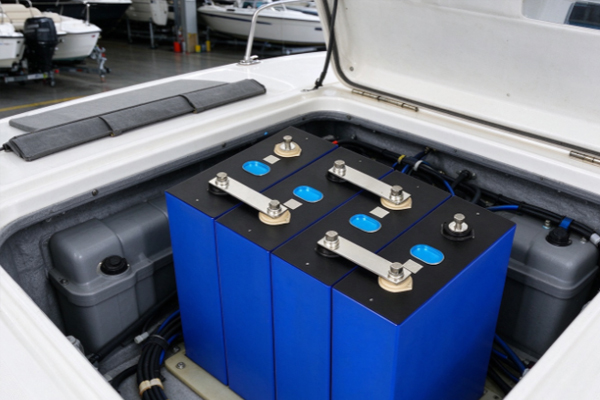
The battery system provides propulsion and auxiliary power, and its operating condition directly affects the vessel’s ability to maintain continuous operation.
Identify Changes in Battery Performance in Time
Battery aging is a continuous process, and a single inspection cannot fully reflect its actual health condition.
- Continuously record individual cell voltage, total voltage, current, and temperature.
- Track changes in operating parameters such as SOC and SOH.
- Monitor long-term changes in internal resistance, capacity, and cell consistency.
- Compare historical operating data to identify parameters that deviate from normal conditions.
Continuous collection of operating information helps maintenance personnel understand changes in battery condition at an earlier stage.
Reduce the Impact of Sudden Abnormalities on Navigation Tasks
Battery performance abnormalities may affect propulsion power and the normal power supply of critical onboard equipment.
- Voltage abnormalities may reduce available power.
- Continuously rising temperatures require inspection of thermal management and operating loads.
- Increasing differences between individual cells may reduce the actual usable capacity of the battery pack.
- BMS alarm records can provide useful information for fault diagnosis.
Identifying abnormal trends in advance helps schedule some inspection work during planned vessel downtime.
What Data Needs to Be Monitored for Electric Ship Predictive Maintenance
Predictive maintenance requires a complete data foundation rather than relying on a single parameter to determine battery health.
Focus on Monitoring Voltage, Current, and Temperature
Basic operating parameters can reflect battery conditions under different operating modes.
- Monitor individual cell voltage differences to observe changes in cell consistency.
- Record charging and discharging current to analyze operating intensity under different navigation loads.
- Monitor cell temperature and temperature differences to identify localized temperature rises.
- Combine SOC changes to understand actual energy consumption.
Combining multiple parameters provides a more complete data foundation for subsequent condition analysis.
Establish an SOH and Degradation Trend Model
SOH is mainly used to describe battery health, while predictive maintenance focuses more on its long-term trend. Historical data such as capacity, operating time, cycle count, temperature, and load can be used to analyze the rate of performance degradation and determine maintenance requirements based on actual navigation conditions. For electric ships operating over long periods, online data can also be compared with periodic inspection results to improve the reliability of health condition assessment.
How to Establish a Warning Mechanism for Electric Ship Predictive Maintenance
Monitoring data needs to be further converted into clear warning information and maintenance actions to effectively support vessel operations and maintenance.
Establish Graded Abnormality Warnings
Different types of abnormalities correspond to different inspection priorities and can be classified according to their actual impact.
| Monitoring Abnormality | Possible Issue | Maintenance Focus |
| Increased individual cell voltage difference | Reduced cell consistency | Check cell condition and balancing status |
| Continuously elevated temperature | Abnormal heat dissipation or high load | Check thermal management and operating conditions |
| Continuously increasing internal resistance | Battery aging or performance degradation | Evaluate capacity and power capability |
| Continuously declining SOH | Usable capacity degradation | Develop inspection and replacement plans |
| Frequent BMS alarms | System abnormality or protection action | Check fault records and related components |
| Abnormal charge-discharge data | Abnormal operating conditions or electrical system issues | Conduct targeted data analysis |
Graded handling helps maintenance personnel identify the appropriate inspection focus for different abnormalities.
Connect Warning Results with Maintenance Plans
Predictive maintenance needs to establish a complete process from abnormality detection to on-site handling. The system can generate inspection tasks for continuously deteriorating temperature, capacity, internal resistance, or voltage consistency indicators, and then schedule inspections according to the vessel’s operating plan. For batteries that show significant abnormalities, professional inspection results should be used to determine whether repair, reduced-power operation, or replacement is appropriate, rather than making maintenance decisions based solely on a single alarm threshold.
How to Build an Electric Ship Battery Predictive Maintenance System
A complete maintenance system needs to connect data collection, condition assessment, and field maintenance into a continuous management process.
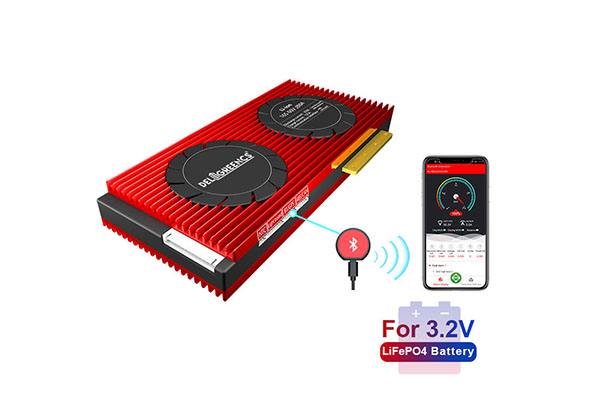
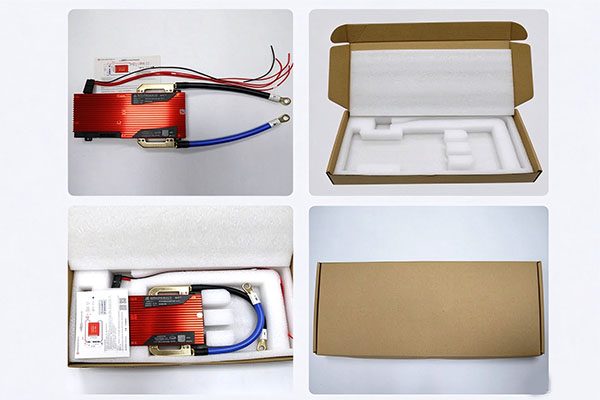
The BMS Handles Basic Data Collection and Safety Management
The BMS is an important source of battery operating data and also performs basic protection functions.
- Collect key parameters such as voltage, current, and temperature.
- Record charging and discharging processes and abnormal alarm information.
- Implement protection against overcharge, over-discharge, overcurrent, and overtemperature.
- Provide status information such as SOC and SOH as a foundation for condition analysis.
Stable data collection ensures that battery operating information remains continuous and traceable.
Data Analysis Identifies Degradation and Abnormal Trends
Data analysis needs to establish a normal operating baseline and observe changes in key indicators under different operating conditions. When a parameter continuously deviates from historical conditions, the monitoring level can be increased, and other data can then be combined to determine the source of the abnormality. For battery packs, historical operating data can also be used to evaluate performance changes and provide a reference for subsequent inspections and maintenance planning.
Maintenance Decisions Need to Consider Actual Navigation Conditions
The maintenance requirements of electric ships are closely related to actual operating intensity.
- Vessels with frequent charging and discharging should focus on cycle count, temperature rise, and capacity changes.
- Long-duration high-load operation requires attention to continuous power and thermal management conditions.
- After long-term storage, battery condition and BMS records should be checked before the vessel returns to operation.
- Battery packs showing persistent abnormal trends should undergo further inspection.
Combining navigation tasks with equipment condition when scheduling maintenance can reduce unnecessary downtime inspections and improve the efficiency of maintenance work.
Electric ship battery maintenance needs to move beyond simple fault handling toward more systematic condition management. By establishing operating data records, health condition assessment, abnormality classification, and maintenance records, a maintenance system suitable for different vessel types and operating conditions can gradually be developed. For project development and long-term operation, the maintenance solution should also be coordinated with vessel power requirements, thermal management capabilities, and battery system configuration to improve the manageability and long-term operating efficiency of the power system.